Australia Wildlife Safari Tour Guide 2026: Where To Go And How To Choose

Say safari, and most people picture Africa. Lions on the grass. Jeeps at sunrise. Australia has its own version, and it’s a lot stranger. For one hour you’re watching a wild koala doze in a gum tree. The next hour a saltwater crocodile slides past your boat. Nothing about it looks like the movies That’s the point.
This guide covers where wildlife safaris actually work in Australia and what the main tour styles look like. It also covers what they cost in 2026 and how to pick an operator who knows what they’re doing. I went through tour operators, review sites and park authorities so the names and numbers here are current and not recycled from a five year old blog post.
What A Safari Means In Australia
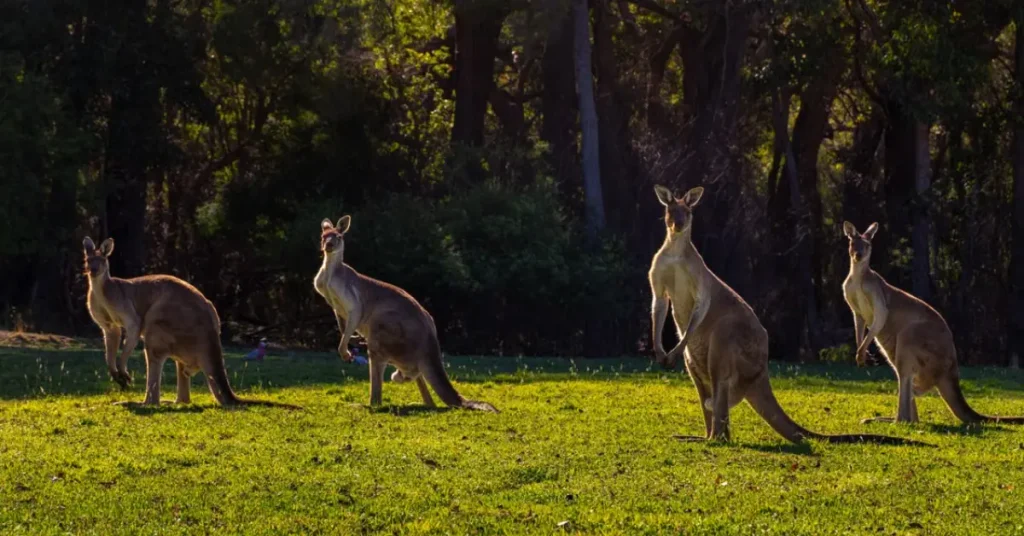
There’s no big five here. The animals are smaller and shyer. Plenty of them only come out at night. Many are marsupials you can’t see in the wild anywhere else on earth. Kangaroos and wallabies. Wombats, koalas, echidnas and platypuses. Then you’ve got the big hitters like cassowaries, dingoes and some of the largest reptiles on the planet.
That changes how a safari works. You rarely drive across open plains looking for a pride of lions. You pick a region and a style instead. A guided night walk with a spotlight. A river cruise. A small group 4WD trip. A boat out to a sea lion colony. Some of the best experiences last only a few hours. Others stretch across two weeks and cross a whole continent. Distance is the other thing to plan around. Australia is enormous, and flying between regions eats time and money. Picking one or two areas and doing them properly beats a rushed loop every time. If you’re still deciding which regions deserve your days, our guide to the most beautiful places in Australia is a good place to start.
Open Range Parks And Wildlife Sleepovers
If your time is short or you’re travelling with kids, start here. These are the closest things Australia has to a classic safari day. They’re easy to reach, and the animals are guaranteed.
Monarto Safari Park in South Australia is billed as one of the biggest open range safari parks anywhere. It holds more than 500 animals and mixes native species with exotic ones. Elephants and plenty of endangered species roam large open areas. Journey Beyond even runs rail-based trips that finish with a Monarto stay, if you like your safari with a train ride attached. Jamala Wildlife Lodge in Canberra goes a step further. You sleep inside the zoo grounds and get about as close to the animals as is safely possible. It’s expensive, but it’s a very different feeling from a day visit.
Werribee Open Range Zoo near Melbourne runs a sunset safari in summer. That timing matters because many animals move around far more as the heat drops. Then there’s Australia Zoo in Beerwah in Queensland. It started as a two acre reptile park and grew into one of the country’s best-known attractions with around 700,000 visitors a year. It’s more zoo than safari, but kids tend to love it.
Kakadu And The Top End
This is the closest Australia gets to a true wilderness safari. Kakadu is one of the largest national parks in the country. It’s World Heritage listed for both its nature and its culture and it’s roughly the size of Wales. Wetlands and floodplains give way to rocky escarpments. The whole place hums with birds.
Crocodiles are the headline act. Saltwater crocs sit along the banks of the Yellow Water billabong, and the sunrise boat cruise there is one of the most reliable ways to see them from a safe distance. You’ll also spot jabirus and sea eagles and dozens of waterbird species. Ubirr at sunset adds ancient rock art and a wide view over the floodplain. Timing decides everything. The dry season from May to October gives you the best road access and walking trails. The wet season closes a lot of the park. Check the official Kakadu Access Report before you travel and buy your park pass online ahead of time. You can get a three day pass or an annual one. Everything is on the park’s own website at kakadu.gov.au.
A quick word on jumping crocodile tours. They’re popular in the Northern Territory, and the half day versions sell well. Some operators use bait to draw the crocodiles up toward the boat. If that bothers you, ask how a tour handles it before you book. Plenty of operators run plain river cruises that don’t rely on feeding.
The Daintree And The Tropical North
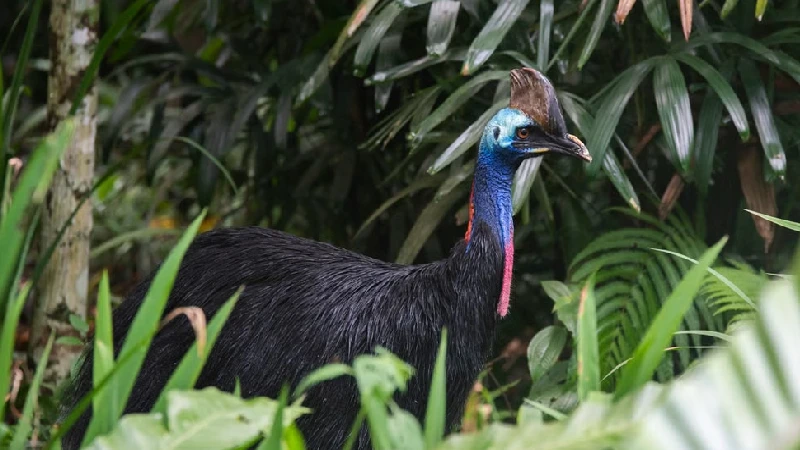
North Queensland packs a lot into a small area. The Daintree is an ancient rainforest that runs right down to white sand beaches at Cape Tribulation. It’s home to the cassowary, a huge flightless bird that looks like something left over from the dinosaurs. You’ll want a guide to find one. They’re shy, and the forest is thick.
River cruises on the Daintree are the easy win here. A good guide knows where the crocodiles rest and which branch holds a tree snake. Full day tours combine a rainforest walk, the beach and a cruise. Reviews from this year keep praising the small boat operators for their knowledge and humour. Cairns sits close enough to build the reef into the same trip. Small ship cruises of about eight days leave Cairns and visit Lizard Island and the Ribbon Reefs. Snorkelling there puts you among turtles and reef fish. If you’re coming with the family, our family trip to Australia guide shows how to fit the reef and the rainforest into one itinerary.
Kangaroo Island
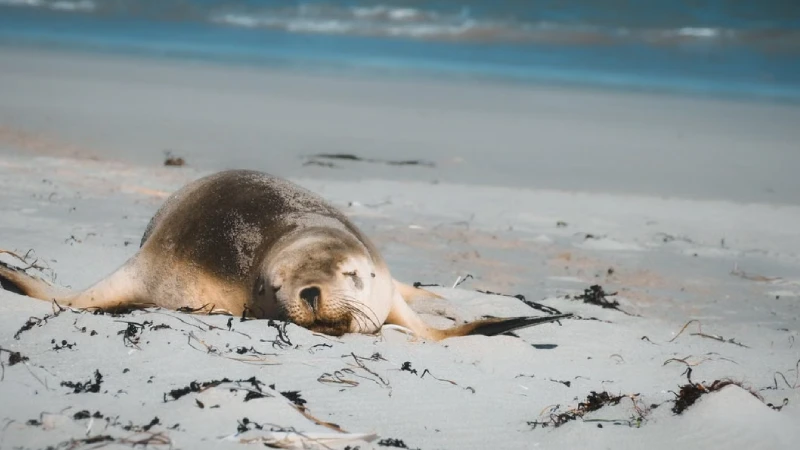
Kangaroo Island is the third largest island in Australia and it feels like a wildlife park without the fences. Koalas sleep in the eucalyptus. Kangaroos graze near the roads at dusk. At Seal Bay you can walk among a colony of Australian sea lions with a ranger. Remarkable Rocks and the wild southern coast add the scenery. Add a boat trip to the mix. Ocean safaris around the island run for about 75 minutes and spot dolphins and seals. A guide who knows the water makes a big difference because many sea creatures are easy to miss without a trained eye.
Most visitors reach the island from Adelaide. Seven day packages that pair Kangaroo Island with the Great Ocean Road are popular. Shorter five day trips focus on the island alone. Food is part of the appeal here too and plenty of tours finish the day at a local winery or oyster shack.
The Outback And The Red Centre
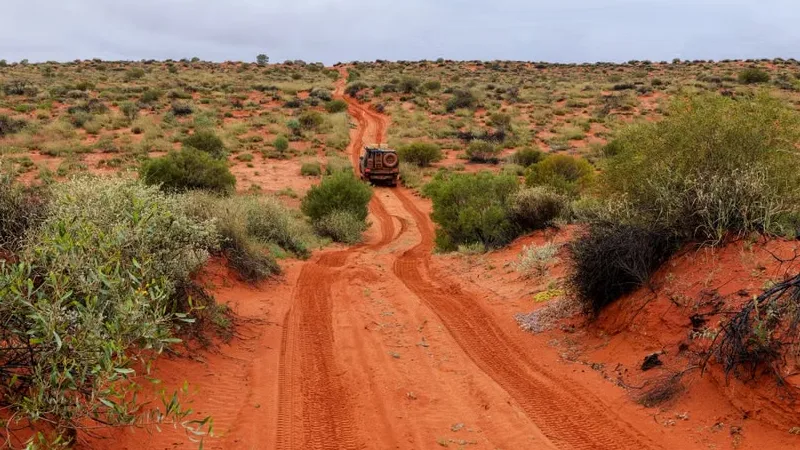
If you want the long road trip version of a safari this is it. You travel through red desert and gorge country and hot springs. The wildlife shows up in smaller doses but it’s real. Wallabies. Dingoes. Wedge tailed eagles. Brilliant parrots at dawn.
Trafalgar runs an 11 day small group Outback Safari from Uluru to Darwin. It passes Kings Canyon and Alice Springs. It continues up through the West MacDonnell ranges and Devils Marbles and then on to Katherine. Another operator offers a 15 day moderate paced trip from Adelaide to Darwin. For a shorter taste, there are 4 day 4WD trips around the Red Centre from Alice Springs or Uluru. Walkers have a different option. Six day small group versions of the Larapinta Trek are set up with comfort in mind. You trade a bit of speed for a lot of quiet.
Water Safaris
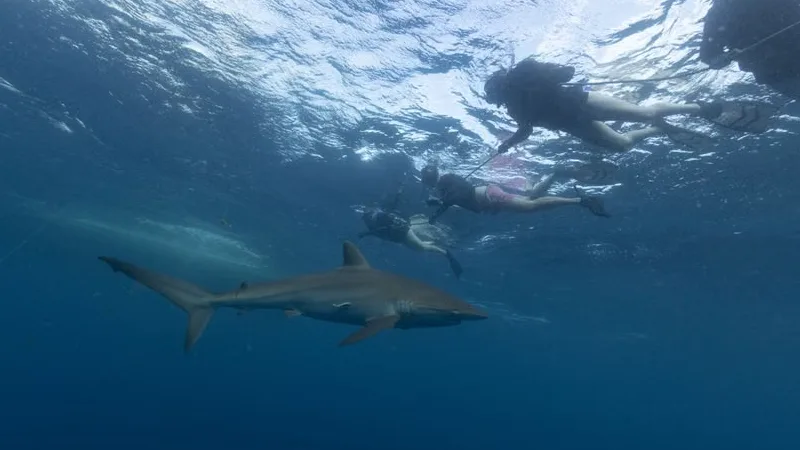
Some of Australia’s best wildlife encounters happen in the sea. Ningaloo Reef in Western Australia is the big one. You can swim with whale sharks there during the season. It runs roughly from March through August but operators set their own dates so check before you commit. The reef sits right off the beach so snorkeling is easy to add on. Closer to Brisbane, Moreton Island is only about a 75 minute ferry ride away. The Tangalooma resort runs snorkel trips and glass bottom kayak tours. The standout is an underwater sea scooter safari that lets you glide past marine life without much effort.
For a longer trip, expedition ships run 11 day cruises between Darwin and Broome. They explore the Kimberley coast with waterfalls and ancient rock art and plenty of birdlife. These are slow trips for people who want a lot of wild places and a comfortable bed at night.
Easy Wildlife Near The Big Cities
You don’t need a long trip to see good wildlife. Several operators run evening safaris close to major cities.
Sydney Wildlife Safari heads into the Southern Highlands. You walk private farmland and untouched bushland with a guide. Kangaroos and wallabies show up first. Wombats and emus come next. With luck you spot a platypus. Reviewers say the terrain can be uneven so wear proper shoes. It works for families and couples.
Byron Bay Wildlife Safari visits three different habitats in one outing. On South Australia’s Eyre Peninsula, a wild koala tour at Port Lincoln takes small groups out with a wildlife photographer. These short tours are the best way to try a safari if you only have a few days in a city. They also cost far less than the multi day trips.
What It Costs In 2026
Prices swing a lot depending on length and style. Some short safari style experiences list from around $26 per person on big booking platforms. Evening tours with a guide and a small group usually cost more. Private tours cost more again.
Multi day trips are a different category. Adventure Life lists Australia wildlife trips from roughly $2,600 USD and the trips run anywhere from 5 to 31 days. Expedition cruises and rail journeys sit well above that. Overnight stays inside a zoo or reserve add a premium too. Budget for extras. Park passes. Domestic flights between regions. Hire cars. Travel insurance. These add up faster than the tour price itself on a long trip. If you’re traveling on a tighter budget our backpacking Australia guide breaks down daily costs and ways to save.
When To Go
Wildlife follows the seasons here. In the tropical north the dry season from May to October is best for Kakadu and for road travel. The Red Centre is most comfortable in the cooler months. Whale sharks at Ningaloo show up from about March to August. Summer evenings suit open range safaris because the animals come out as the heat drops.
According to one tour aggregator the busiest months for wildlife departures are January and April and May. That tells you where the crowds and the higher prices sit. If you can travel just outside those windows you’ll often get quieter trips for the same money. Weather changes the picture from region to region. Our Australia weather in September guide shows how different the country feels in a single month.
How To Pick A Good Operator
Look at group size first. Smaller groups see more and disturb less. Six to twelve people is a good range. Check the guide. The best ones are local and they’ve been doing this for years. Reviews often mention a guide by name. That’s a good sign.
Ask about animal welfare. A good operator keeps a safe distance and doesn’t feed wild animals. They don’t chase animals for a photo. If a tour promises you can hold a koala or pat a wild kangaroo be careful. Rules vary by state and many places don’t allow it. Read recent reviews and not just the star rating. Look for ones from the past few months.
Staying Safe Around Wildlife
Never feed wild animals. It makes them dependent and it can make them aggressive.
Stay well away from the water’s edge in crocodile country. Obey every sign. A river bank that looks calm can be dangerous.
Kangaroos and wallabies are most active at dusk and dawn. Those are also the riskiest times to drive. Collisions are common and they can wreck a hire car. Slow down on country roads after sunset.
Wear closed shoes on bush walks. Snakes and spiders exist and most stay out of your way. A good guide will brief you before the walk starts.
Why Insurance Matters Here
A wildlife trip often takes you far from a hospital. You might be hours from the nearest town in the Top End or the Red Centre. A medical evacuation can cost a huge amount without cover. Many policies also exclude certain adventure activities or limit cover in remote areas. Read the fine print before you buy. Check that your plan covers the exact activities you booked.
FAQ
What is the best wildlife safari in Australia?
It depends on your trip length. Kakadu is the best for wild crocodiles and birds. Kangaroo Island is the easiest for koalas and sea lions. Open range parks suit short trips and kids.
When is the best time for an Australian safari?
Most regions are good from May to October. The tropical north is best in the dry season. Ningaloo whale sharks run from about March to August.
How much does an Australia wildlife tour cost?
Short tours can cost under $50. Multi day small group trips start around $2,600 USD and climb from there.
Can I see koalas and kangaroos in the wild?
Yes. Kangaroo Island, Port Lincoln and the Great Ocean Road are all reliable. Dusk is the best time to see kangaroos.
Do I need a permit for Kakadu?
Yes. You need a park pass. You can buy a three day pass or an annual pass online before you arrive.
Final Thoughts
An Australian safari rewards patience more than speed. You won’t tick off a list in a weekend. You’ll wait for a platypus at dusk or lean over a boat rail to catch a glimpse of a turtle. Choose one or two regions and give them proper time. Pick a small group with a good local guide. Do that and the wildlife does the rest. The wild koala you almost walked past is the thing you’ll be telling people about a year from now.