
Amtrak Guide For Tourists 2026: Routes, Passes, and What It’s Actually Like

Most first-time visitors to the US never even consider the train. Flights are everywhere, roads are everywhere, and Amtrak just doesn’t get marketed the way European rail does. Which is a shame, honestly, because once you actually look at the network, it’s bigger than people assume. Over 500 destinations. 46 states. Routes that run through landscapes you’d otherwise only see from 30,000 feet, if you saw them at all.
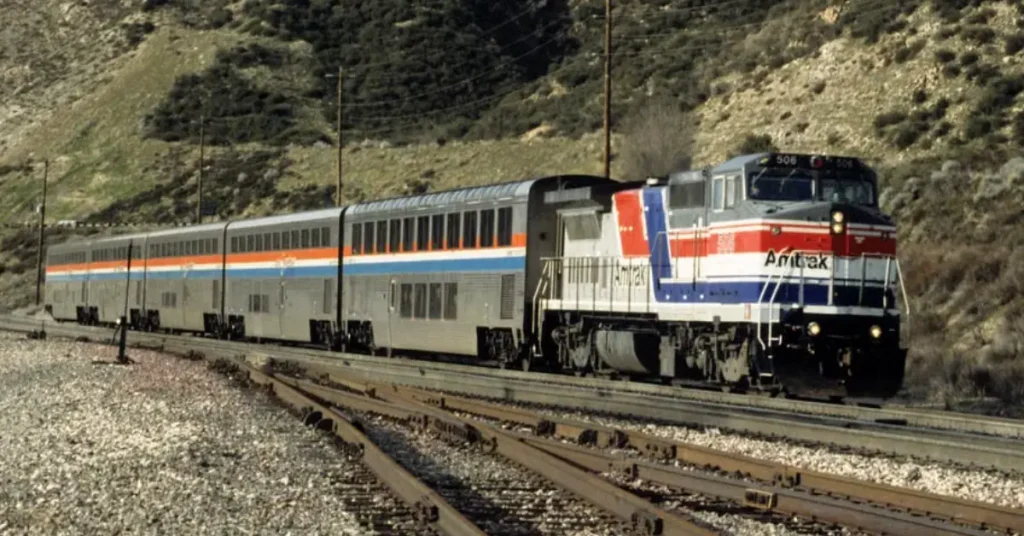
This guide is for the tourist trying to figure out if Amtrak fits their trip, and if so, how to actually use it without getting caught out by the parts that trip up first-timers. Because there are a few. Amtrak isn’t European rail. It’s slower in places, it runs late more than it should, and the ticketing system takes a bit of getting used to. None of that makes it not worth doing. It just means going in with the right expectations.
What Amtrak Actually Is
Amtrak is the United States’ national passenger rail operator, running over 300 trains a day across roughly 21,000 miles of track. Some of that track Amtrak owns outright. Most of it is shared with freight railroads, and freight gets priority by law. That one fact explains almost every complaint you’ll read online about Amtrak delays, and it’s worth understanding upfront rather than being surprised by it mid-trip.
Broadly, the network splits into two very different experiences. The Northeast Corridor, running from Boston through New York, Philadelphia, and Washington, DC, is frequent, fast by US standards, and genuinely reliable. Then there’s everything else, the long-distance network, where trains run once a day or less, take a full day or more between endpoints, and treat lateness as a normal part of the journey rather than an exception.
The Classes: Coach, Business, and Sleeper
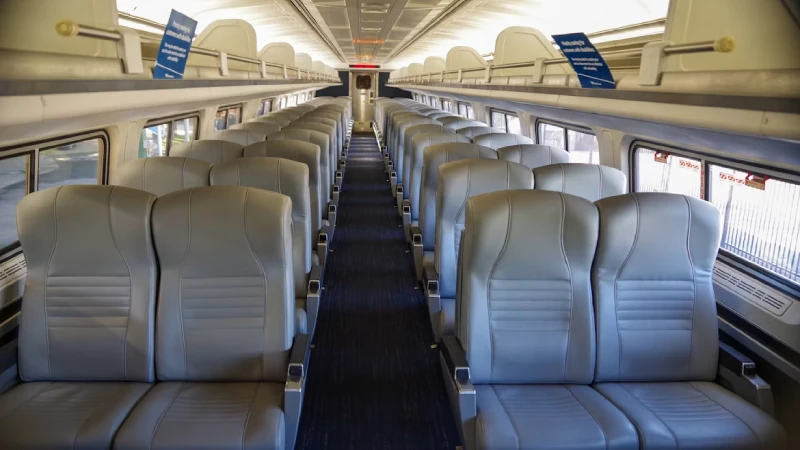
Coach is the standard, and for most trips it’s genuinely fine. Wide reclining seats, more legroom than economy on a plane, free carry-on bags, and outlets at most seats. On long-distance trains, coach seats are big enough that a lot of solo travelers sleep in them overnight without much complaint.
Business class exists mainly on the Northeast Corridor and a handful of other routes. Slightly wider seats, a quieter car, guaranteed outlets, and usually a small fare bump over coach. Worth it on a short trip if the price difference is small. Not worth stressing over if it’s not available on your route.
Roomettes and sleeper cabins are the ones people get excited about, and they earn it. A private room for one or two people, fold-down beds, and meals included in the fare on most long-distance trains. This is where Amtrak stops being transport and starts being part of the actual trip. It’s also where the price jumps hard; sleeper supplements often run $150 to $400 or more on top of the base fare depending on route and season. For a journey longer than about 15 hours, it’s worth seriously considering. For anything shorter, the coach does the job.
The Routes Actually Worth Riding
Not every Amtrak route deserves a tourist’s time. A handful genuinely do.
The California Zephyr, Chicago to San Francisco (technically Emeryville, with a bus link across the bay), covers about 2,400 miles and takes roughly 52 hours. It crosses the Rockies in daylight if you time it right, and that stretch alone is worth the ticket.
The Empire Builder, Chicago to Seattle or Portland, runs about 46 hours through Glacier National Park territory, one of the more underrated scenic stretches on the whole network.
The Coast Starlight, Los Angeles to Seattle, hugs the Pacific coast for long stretches and takes around 35 hours. Shorter segments of this one, say LA to San Francisco, work well as a standalone trip rather than the full run.
The Southwest Chief, Chicago to Los Angeles, about 43 hours, cuts through the high desert and past the edge of the Grand Canyon region, with connecting bus service for travelers who want to detour there.
And then there’s the Northeast Corridor, which isn’t scenic in the same way but earns its place for pure usefulness, with Boston, New York, Philadelphia, and Washington, DC, all connected by frequent, genuinely fast trains that beat flying once you account for airport time.
The USA Rail Pass: Worth It Or Not
As of 2026, Amtrak sells the USA Rail Pass as a single tier, 10 segments of travel within a 30-day window, priced at $499. A segment is one ride between two stations, so a journey with a train change uses two segments, not one, which matters when you’re planning a route with connections.
The pass covers coach class only. Business and sleeper upgrades cost extra on top, and it excludes a few services, including Acela and the Auto Train. There are no blackout dates, which is genuinely useful, but reservations are still required for every segment, and pass holders draw from a limited seat allocation, so booking each leg early matters more than the pass itself suggests.
Here’s the honest math on it. If your trip is a single point-to-point journey, New York to DC, say, skip the pass entirely and just buy the ticket. The pass earns its price on a genuine multi-city loop, Chicago to Denver to Salt Lake City to Seattle, that kind of thing, where ten point-to-point tickets would cost noticeably more than $499 combined. Amtrak also runs a January flash sale most years that’s dropped the pass as low as $250 in recent seasons, so if your travel dates have flexibility, it’s worth watching for that window before buying at full price.
Booking: Where And How
Book directly through Amtrak’s own website or app. Third-party booking sites exist, but they add fees and make changes or cancellations more of a hassle than they need to be. Amtrak’s own system gives you a mobile e-ticket instantly, and managing a change later is a few taps rather than a phone call.
Fares are dynamic, similar in spirit to airline pricing; they rise as a train fills and as the departure date gets closer. Booking a few weeks ahead on popular routes, particularly the Northeast Corridor during weekday commuter hours, makes a real difference to the price. Long-distance sleeper cabins in particular sell out well ahead of peak summer months, sometimes months in advance, so if a roomette on the California Zephyr in July is the plan, don’t leave that booking for the week before.
Discounts Worth Knowing About
Amtrak runs a handful of discounts that a lot of first-time riders never think to check for. AAA members get a fare reduction on most routes. Travellers 65 and older qualify for a senior discount. Students with a valid ISIC or similar card get a break too, and children aged 2 to 12 travel at half the adult fare. None of these stack with every promotional fare, so it’s worth comparing at checkout rather than assuming the discount always wins. Amtrak Guest Rewards, the loyalty program, is free to join and worth signing up for even on a single trip, since points earned can go toward a future ride.
What The Delays Are Actually About
This deserves its own section because it genuinely catches international visitors off guard. The Northeast Corridor runs on time about as reliably as any train service anywhere. Long-distance trains are a different story. Because Amtrak shares track with freight companies that hold legal priority, a long-distance train can run one to five hours late without anything having technically gone wrong. It’s built into the system, not a sign of a bad day.
The practical takeaway: never book a same-day connecting flight right after a long-distance Amtrak arrival. Build in a buffer, ideally a full extra day if the connection actually matters, rather than assuming the printed arrival time is the real one.
What Meals And Onboard Life Actually Look Like
Every long-distance train runs a café car with snacks, sandwiches, and drinks for coach passengers to buy. Sleeper passengers get meals included in the fare, served either in a dedicated dining car with actual table service or, on some routes, a more casual flex-dining setup depending on the specific train. It’s not fine dining, but it’s a genuinely pleasant part of the ride, and the dining car is also where a lot of long-distance train friendships happen; seating is often communal, and strangers end up sharing a table and a few hours of conversation whether they planned to or not.
WiFi exists on most trains but is inconsistent, especially through the more remote stretches of long-distance routes. Worth downloading anything you want to watch or read before boarding rather than counting on a signal.
A Few Things That Catch First-Time Tourists Out
Stations in smaller towns along long-distance routes can be genuinely minimal, sometimes just a platform with no staffed ticket counter, so having your ticket on your phone rather than expecting to print one matters more than it would in a major city station. Boarding on long-distance trains happens well ahead of departure, and conductors do check tickets and assign seating even with a reservation, so don’t wander far from the platform in the final boarding window. And baggage rules are generous by airline standards, but checked baggage service only exists at larger stations, not every stop, so if you’re relying on checking a bag, confirm your specific station handles it before you get there.
Train Or Plane: The Honest Comparison
For short hops under about four hours, particularly on the Northeast Corridor, the train usually wins once you add up airport transfer time, security, and boarding on both ends. For the genuine cross-country routes, Chicago to San Francisco, say, the plane wins on pure time, no argument there. What Amtrak offers on those long routes isn’t a faster way to get somewhere. It’s a different kind of trip entirely, one where the journey is the point, not an inconvenience between two points on a map.
The Big Stations Worth Knowing
A handful of Amtrak stations are attractions in their own right and worth building a little extra time around rather than rushing straight through. Chicago Union Station is the real hub of the whole long-distance network; most cross-country routes either start here or pass through, and its Great Hall is genuinely worth a look even if you’re just connecting. Moynihan Train Hall in New York, the renovated Amtrak concourse next to Penn Station, is a far more pleasant place to wait than the old station ever was. Los Angeles Union Station mixes Spanish Colonial and Art Deco design and sits within easy reach of downtown LA if a layover runs long. If a connection gives you two or three spare hours at any of these three, it’s worth stepping outside rather than sitting at the gate.
National Parks You Can Actually Reach By Train
One of Amtrak’s better-kept secrets is how many national parks sit within striking distance of a station, often paired with a connecting Amtrak Thruway bus for the last stretch. Glacier National Park has its own stops directly on the Empire Builder route. The Grand Canyon connects via bus from Flagstaff on the Southwest Chief line. Yosemite links up through a bus connection from the San Joaquins route in California. None of these get you to the park entrance in a single seamless hop, there’s always a bus leg involved, but for a tourist without a rental car, it’s a genuinely workable way to see a major park without driving.
Amtrak Versus The Bus
Worth a quick mention, since Greyhound and FlixBus cover a lot of the same city pairs Amtrak does, usually cheaper. The honest trade-off: buses are tighter on space, stop more often, and don’t offer anything close to a sleeper option. Amtrak costs more on most routes but wins comfortably on comfort, legroom, and the ability to actually walk around and visit a café car mid-journey. For a short, budget-first hop, the bus can make sense. For anything over about four or five hours, most travellers who’ve tried both end up preferring the train, even at a higher price.
Packing And Practical Tips
Bring a portable charger. Outlets exist at most coach seats, but they’re not always reliable on older railcars, especially on some long-distance routes still running legacy equipment. Layer clothing, temperature control on Amtrak trains varies a lot car to car, and a car that’s comfortable at 2pm can turn cold by evening. If a scenic stretch is the whole reason for a particular route, check which side of the train faces the view before boarding, station staff or the conductor will usually tell you if asked, and it makes a real difference on routes like the California Zephyr through the Rockies. And bring your own snacks beyond what the café car offers, prices on board run noticeably higher than a station shop or a grocery stop beforehand.
A Quick Note On Entry Requirements
If Amtrak is part of a wider US trip planned from abroad, the visa side of things needs its own separate timeline, and it’s worth sorting well before any train tickets get booked. Visitors from around 40 countries can travel under the Visa Waiver Program using an ESTA, a fast online authorisation. Indian passport holders aren’t included in that list and need a standard B1/B2 visitor visa instead, which involves an in-person interview and a processing timeline that can run into months depending on the consulate. Our US visa guide for Indian travellers covers that process in full if it applies to you.
FAQ
Is Amtrak worth it for tourists?
Yes, especially on the Northeast Corridor and on the handful of scenic long-distance routes like the California Zephyr. It’s less worth it for pure point-to-point speed on cross-country trips.
How far ahead should I book?
A few weeks ahead for most routes, and months ahead for sleeper cabins on popular long-distance trains during summer.
Is the USA Rail Pass a good deal?
Only for genuine multi-city trips. A single point-to-point journey is almost always cheaper as a standalone ticket.
Are Amtrak trains usually late?
The Northeast Corridor runs on time reliably. Long-distance trains often run one to five hours late due to shared freight track.
Do I need a visa to ride Amtrak as a tourist?
Amtrak itself needs no visa beyond whatever lets you into the country. Indian citizens need a B1/B2 visa to enter the US at all, applied for well in advance.
Is coach class comfortable for an overnight trip?
Reasonably, yes. Seats recline further than economy flights and many long-distance travellers manage a decent night’s sleep in coach alone.
Final Thoughts
Amtrak rewards travellers who go in with realistic expectations rather than European rail assumptions. Book the Northeast Corridor like you would any efficient train, quick, frequent, no fuss. Book the long-distance routes like you’d book a cruise, as an experience with its own pace, not a fast way to cover ground. Get the timing and the class right for the specific trip you’re taking, and this stops being the overlooked option in US travel and starts being one of the better ones.


