
Best Beaches In The UK: A Beach Escape Guide For 2026

It’s easy to write off the UK as a beach destination before giving it a fair shot. Grey skies have a way of dominating the national reputation, and most people picture the Mediterranean or the Caribbean the moment the word “beach” comes up. But somewhere along more than eleven thousand miles of coastline, Britain has quietly built one of the most varied, genuinely beautiful stretches of shoreline anywhere in Europe, and record-breaking water quality scores across the country in recent years have only made the case stronger.

This guide works through the UK’s standout beaches region by region, from Cornwall’s postcard coves to Scotland’s remote white sand bays, with enough practical detail on access, crowds, and timing that you could actually plan a trip around any one of them.
Cornwall’s Coastline Sets The Bar
Cornwall shows up on nearly every UK beach list for good reason, and the sheer variety packed into one county is hard to overstate. Kynance Cove, near Lizard Point, regularly earns a spot on global best beach rankings, and it’s easy to see why once you’re standing above it. Serpentine rock stacks rise straight out of turquoise water that looks genuinely out of place against the surrounding cliffs, and the walk down to the cove itself is part of the experience rather than just a means to get there.
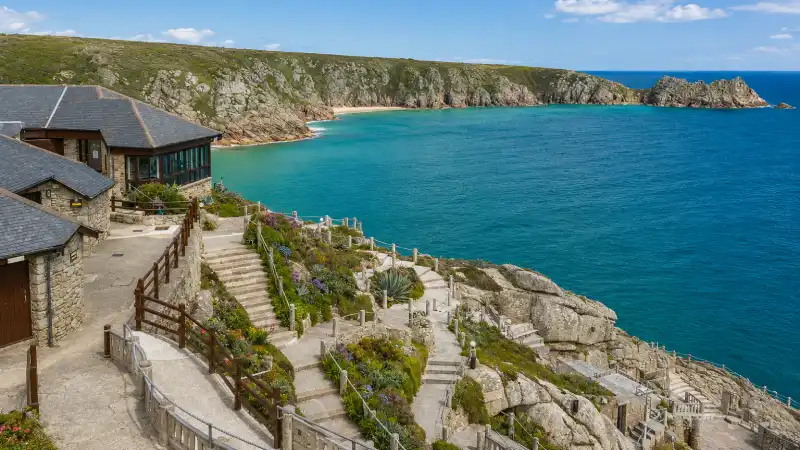
Porthcurno, further along the coast, might be the single most photographed beach in the county. Fine white sand sits at the base of steep granite cliffs, with water that shifts between white, turquoise, and deep blue depending on the light. The Minack Theatre, an open-air amphitheater carved directly into the clifftop above the beach, gives the whole area a slightly theatrical backdrop that’s genuinely unlike anywhere else in Britain.
For surfers, Fistral Beach in Newquay has earned its reputation as the unofficial home of British surfing, with consistent swells and a proper beach-town atmosphere built up around the sport over decades. It’s busier and more commercial than Kynance or Porthcurno, but that trade-off comes with easy access to lessons, board hire, and a lively evening scene once the sun goes down.
Devon And Dorset Bring Golden Sand And Dramatic Coastline
Just east of Cornwall, Devon offers a slightly different character. Woolacombe is the standout here, a three-mile stretch of golden sand backed by rolling dunes that consistently wins national beach awards and genuinely earns them. It’s wide enough that even peak-summer crowds spread out comfortably, and the surrounding dune system makes for a good half-day of exploring beyond just the sand itself.
Blackpool Sands, despite sharing a name with the far more famous northern resort town, is a genuinely different experience, a sheltered, spotlessly kept crescent of shingle and sand that’s become one of the region’s most consistently praised beaches for its cleanliness even with heavy visitor numbers.
Dorset picks up where Devon leaves off, and Durdle Door is the obvious headline act. The natural limestone arch rising out of the sea has become one of the most recognizable coastal images in the country, and the pebble beach beneath it, while not the softest sand you’ll find on this list, is worth the walk down for the view alone. Nearby Studland Bay offers a gentler alternative, a genuinely gorgeous stretch of coastline opposite Bournemouth’s busier stretch, with the quieter, more traditional seaside town of Swanage sitting just along the coast if you want somewhere to base yourself for a few days.
The South East’s Surprising Range
London’s own coastline options are limited, but the beaches within a couple of hours of the capital punch well above their weight. Camber Sands in East Sussex stands out immediately for being one of the only proper sandy beaches on a stretch of coast that’s mostly shingle, and its towering dune system has appeared in dozens of films for exactly that reason. It’s a genuinely good pick for anyone who wants a beach day trip from London without a long drive.
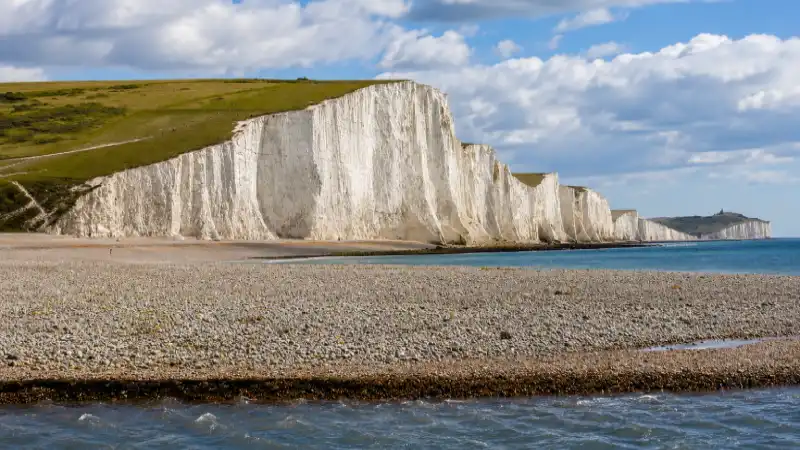
Cuckmere Haven, further along the coast near the Seven Sisters cliffs, offers something more dramatic. The chalk cliffs on either side have shown up in major films for their almost otherworldly backdrop, and the beach itself stays remarkably untouched despite being one of the more visited spots in the region. West Wittering in West Sussex rounds out the area with a strong eco-friendly reputation and a genuinely strict preservation approach that’s kept it from the overdevelopment that’s affected some nearby coastal towns.
East Anglia’s Understated Charm
Southwold in Suffolk represents a different kind of British beach entirely, less about dramatic scenery and more about a genuinely traditional seaside atmosphere, complete with rows of colorful beach huts that have become the town’s unofficial symbol. It’s the kind of beach that photographs beautifully without needing turquoise water or towering cliffs to do it, and the wider East Anglia region has picked up serious recognition in recent years for the quality of its coastline overall.
Wales And Northern Ireland Hold Their Own
Tenby in Pembrokeshire brings a genuinely picturesque town beach into the mix, with pastel-colored houses lining the harbour above the sand in a way that feels almost more continental European than typically British. It’s a proper working town as much as a beach destination, which keeps the experience feeling grounded rather than purely built for tourists.
Northern Ireland has quietly produced one of the most talked-about beaches in the entire country in recent seasons. Portstewart Strand, a two-mile stretch of golden sand in County Londonderry known locally simply as the Strand, was named beach of the year in a major national ranking, prized particularly among wild swimmers for its excellent water quality. Whiterocks Beach, further along the Antrim coast, adds dramatic limestone cliffs and a strong surf culture to the region’s growing reputation.
Scotland’s Beaches Are Worth The Extra Journey
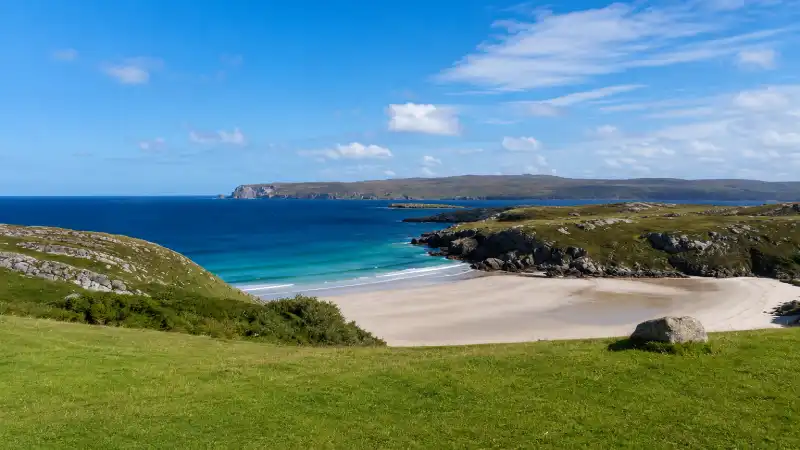
Scotland rarely gets mentioned in the same breath as Cornwall when people talk about UK beaches, which is a genuine oversight. Achmelvich Bay in the Scottish Highlands is a small, almost impossibly white crescent of sand that has landed on global best beach lists alongside destinations most people would never expect to share a ranking with a Scottish bay. The remoteness that keeps it off most itineraries is exactly what makes it worth the extra effort to reach.
For something entirely different, Loch Morlich in the Cairngorms offers Scotland’s only award-winning freshwater beach and sits at the highest elevation of any beach in the UK. Surrounded by pine forest and mountains, it looks more like something from Scandinavia than a typical seaside scene, and it’s a genuinely unique addition to any UK coastal trip if you’re willing to head inland rather than sticking purely to the coast.
When To Actually Go
Britain’s beach season runs shorter and less predictably than warmer destinations, so timing genuinely matters here more than it does elsewhere.
June through early July tends to offer the best combination of decent weather and thinner crowds, landing after the Easter rush but before the school summer holidays pack out the most popular spots. Late July through August delivers the warmest water and busiest atmosphere, particularly at well-known names like Woolacombe and Camber Sands, so early arrival matters if you’re chasing a parking spot or a quiet patch of sand. September quietly rewards patient travellers with some of the calmest, clearest conditions of the year, especially along the south coast, once school holidays end and crowds thin out substantially.
Water temperatures around the UK rarely get properly warm even at the height of summer, so this remains a coastline built more for walking, rock pooling and the occasional brave swim than for lounging in the sea all afternoon, and packing accordingly makes a real difference to how much you actually enjoy the trip.
Beyond The Big Names: A Few Quieter Picks Worth Knowing
Every list like this ends up dominated by the same handful of famous names, and there’s a genuine case for looking slightly beyond them too. Anglesey, off the coast of North Wales, has picked up growing recognition in recent years, not just for its coastline but for a genuinely surprising food scene that’s turned the island into more of a destination in its own right rather than a quick stop on the way to somewhere else. Its beaches tend to be quieter than the mainland Welsh coast simply by virtue of requiring a bit more effort to reach.
READ MORE: UK Theme Parks Ranked – Best for Every Age Group Honestly
Sennen Cove, just past Land’s End and a short drive from Porthcurno, offers a similarly striking stretch of Cornwall’s coastline without quite the same crowds, and it makes a genuinely good base if you want easy access to several of the county’s best beaches without competing for a parking spot at each one. Nairn, up on Scotland’s Highland coast, has built a loyal following among UK beach enthusiasts for its long, walkable sand and consistently clean conditions, despite sitting well off the usual tourist route.
These quieter alternatives won’t replace a first visit to Durdle Door or Woolacombe, but they’re worth keeping in your back pocket for a second-UK coastal trip, once the obvious names are checked off and you’re looking for something a little less crowded.
Making The Most Of A UK Beach Trip
Checking bathing water quality ratings before you go is worth the two minutes it takes, since official ratings vary noticeably between beaches and are published for exactly this reason. Arriving early during peak summer weekends avoids both the worst of the parking crush and the busiest stretch of sand, particularly at well-known spots like Durdle Door and Woolacombe, where car parks fill quickly once the sun comes out.
Packing for genuinely changeable weather matters more here than at most beach destinations, since a clear morning can turn into a windy, overcast afternoon without much warning, and a light waterproof layer alongside sun protection covers both possibilities without overpacking. Many of the country’s best beaches, including several on this list, involve a walk down from a clifftop car park rather than direct beach access, so proper footwear is worth considering even for a straightforward beach day.
Travel insurance is worth having, even for a UK-based trip, particularly one built around multiple stops along the coast. Weather-related disruptions and last-minute changes to accommodation or transport are common enough on a multi-stop coastal itinerary that a basic policy covering cancellation and interruption is a small cost against a genuinely useful safety net.
Booking accommodation well ahead matters more for a UK coastal trip than people tend to expect, particularly around the more famous names on this list during July and August. Towns like Newquay, Woolacombe, and Tenby fill up fast once the summer properly arrives, and prices climb noticeably in the final weeks before school holidays begin. Traveling slightly outside those peak weeks, even by a fortnight in either direction, tends to open up considerably more choice without sacrificing much in terms of weather or atmosphere.
It’s also worth building a multi-beach itinerary rather than trying to tick off too many stops in too short a window. British coastal roads, particularly in Cornwall and along the Scottish Highlands, are often narrower and slower than the map suggests, and rushing between destinations tends to undercut the actual point of a coastal trip, which is spending unhurried time at the water rather than in the car getting there.
Frequently Asked Questions
Which UK beach is best for families?
Woolacombe in Devon and Camber Sands in East Sussex are both strong choices for families, offering wide, gently sloping sand with plenty of room to spread out and relatively easy access from nearby parking.
What is the best time of year to visit UK beaches?
Late June through early July offers the strongest combination of good weather and manageable crowds, while September rewards travellers with calmer conditions once the school summer holidays have ended.
Are UK beaches good for swimming?
Many are, though water temperatures stay cool even in summer. Beaches with strong bathing water quality ratings, including Portstewart Strand and several spots along the Cornwall coast, are particularly popular among wild swimmers.
Which UK beach is best for surfing?
Fistral Beach in Newquay, Cornwall, is widely considered the UK’s home of surfing, with consistent swells and a well-established surf culture built up around it over several decades.
Do I need a car to visit most UK beaches?
Yes, for the majority of the beaches on this list, though some, including several near London like Camber Sands, are reachable by train with a short walk or local bus from the station.
Is travel insurance necessary for a UK beach holiday?
It isn’t required, but it’s worth having for any multi-stop coastal trip, since weather disruptions and last-minute travel changes are common enough that a basic policy earns its cost more often than expected.
Final Thoughts
The UK’s coastline rarely gets the credit it deserves, mostly because it doesn’t fit the sun-soaked postcard image people associate with a proper beach trip. What it offers instead is genuine variety within a single country: turquoise coves in Cornwall, dramatic chalk cliffs in the southeast, remote white sand in the Highlands, and traditional seaside charm in East Anglia, all within a few hours of each other by car or train. If a UK beach trip has never made it past the idea stage, this is a good year to finally put one of these names on the itinerary.


