
Is Dubai Safe To Travel Right Now? An Honest 2026 Update

Search this question right now and you’ll get two completely different stories depending on which result you click. One blog tells you Dubai is calm, hotels are full, and life is proceeding exactly as normal. Another opens with a headline about missile alerts and an embassy that told its own staff to leave. Both of those things are, in a strange way, true at the same time, and untangling that contradiction is genuinely the whole point of this article.
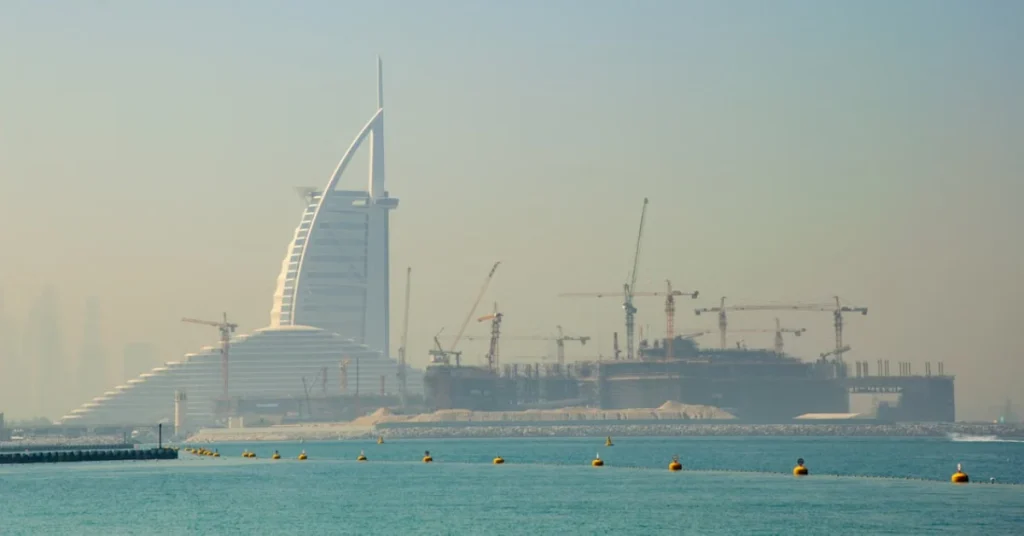
I went through what the actual official advisories, the US State Department, the UK’s FCDO, Australia’s Smartraveller, and Global Affairs Canada are currently saying, rather than relying on blog posts written to chase search traffic on a scary headline. Here’s the honest picture as it stands right now, what changed through 2026, and what it actually means if you’re deciding whether to book or keep a trip to Dubai.
The Short Answer First
As of now, four major Western governments, the US, the UK, Australia, and Canada, have some form of elevated caution in place for the UAE, not a blanket do not travel order, but a genuine step up from normal. The US sits at Level 3, Reconsider Travel, the second highest of its four tiers. Australia’s Smartraveller lists an orange level advisory; also reconsider your need to travel. The UK’s FCDO stops short of advising against travel to Dubai specifically but flags that the wider regional situation remains unpredictable, with real risk of further escalation.
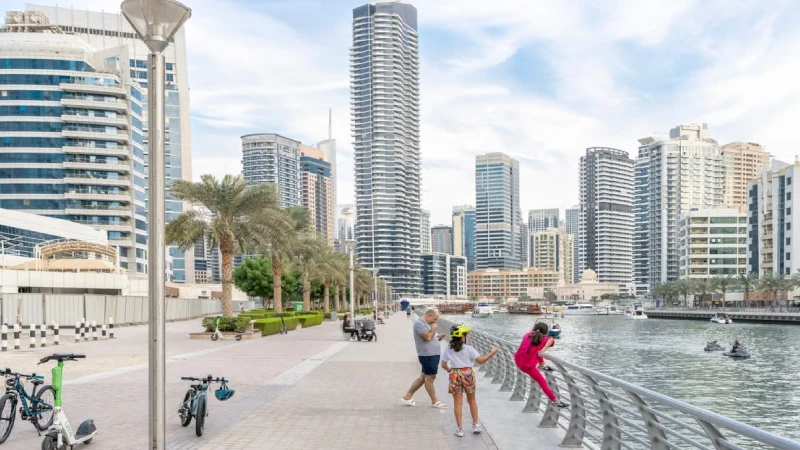
At the same time, day-to-day life inside Dubai itself has continued largely as normal through most of this. Malls are open, beaches are open, hotels are running at strong occupancy, and no strikes have hit the city directly. The tension between those two facts, official caution at the country level and normal daily life at the ground level, is exactly what makes this a genuinely confusing question to search right now and exactly why it’s worth understanding the actual timeline rather than a single headline from either extreme.
What Actually Happened Through 2026
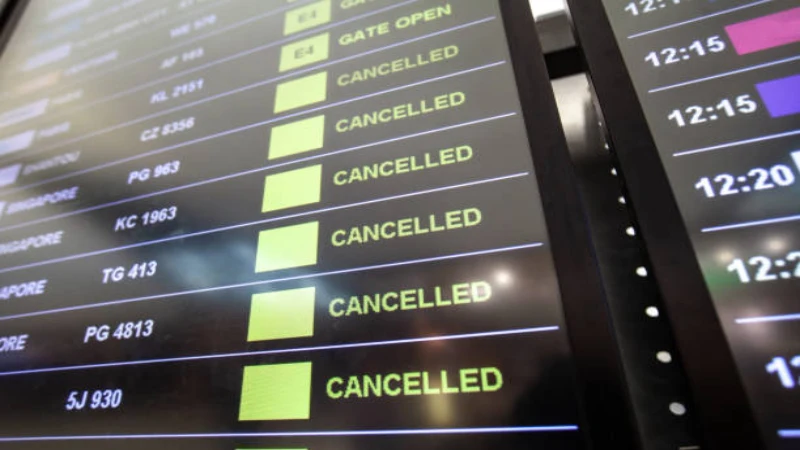
On February 28, 2026, large-scale US and Israeli military strikes against Iranian targets triggered immediate airspace closures across Iran, Iraq, Israel, Syria, Kuwait, and the UAE. More than eighteen hundred flights were cancelled by major Middle Eastern airlines that single day, with Dubai, Abu Dhabi, and Doha airports closing temporarily. Airlines, including Air France, Lufthansa, Turkish Airlines, and dozens of others, issued mass cancellations within hours.
On March 2, the US State Department formally raised its UAE advisory to Level 3 and ordered non-emergency government personnel and their families to leave the country, citing the threat of drone and missile attacks and stating that Iran had publicly signaled intent to target locations in the UAE associated with the United States. That Level 3 rating has remained in place since.
Things genuinely calmed through the spring. A memorandum of understanding between the US and Iran was announced on June 17, and for a stretch afterward, several on-the-ground reports through the summer described Dubai as functioning entirely normally, hotel occupancy strong, flights largely restored, and no incidents affecting the city itself. Then, starting July 8, the UK’s FCDO recorded a fresh round of strikes and retaliatory attacks by Iran across the region targeting US military and civilian infrastructure, and the situation shifted back into a more genuinely uncertain phase. As of the most recent updates in late July and August, both the FCDO and the US Embassy in Abu Dhabi have reiterated that the risk of further escalation remains real and the situation is continuing to evolve on a week-by-week basis.
What Life In Dubai Actually Looks Like Right Now
This is the part that gets lost in a lot of the coverage. None of the strikes or retaliatory attacks through this entire period have hit Dubai directly. Civil defense alerts did occur in January, prompting a small number of flights to briefly divert to Al Maktoum International Airport as a precaution, and all resumed normal schedules within a few hours with no confirmed threat to the airport itself. Emirates, based in Dubai and one of the most risk-averse organizations in the airline industry by necessity, kept operating throughout, which genuinely says something about how the airline itself was assessing the ground risk in the city.

Restaurants, malls, beaches, and tourist attractions have continued operating throughout most of this period, with hotel occupancy data through the year showing travelers voting with their wallets in a way that reflects genuine confidence in the city itself, even while broader regional headlines stayed unsettled. That combination, official caution about the region, and continued normal operation within Dubai specifically, is genuinely the most accurate way to describe where things stand.
The Actual Flight Situation
This is worth separating from the safety question entirely, because for a lot of travelers it’s the more immediate practical concern. As of August, Emirates had restored roughly seventy-five percent of its pre-conflict schedule, with Etihad and Qatar Airways largely operating as well, though Dubai and Doha are functioning partly as modified schedule transit hubs rather than running at full pre-crisis capacity. Some international airlines have postponed resuming routes they’d paused earlier in the year, and that picture is genuinely changing week to week rather than settling into something fixed.
If your trip involves connecting through Dubai, Doha or another regional hub, it’s worth verifying your specific connection directly with the airline at least forty-eight hours before departure and building real buffer time into any tight connections, rather than assuming a booked itinerary will run exactly as scheduled months later.
Setting The Geopolitical Situation Aside For A Moment
It’s worth being clear that everything above concerns the regional security situation specifically, not everyday crime, which is a genuinely separate question with a much more straightforward answer. Dubai continues to rank among the safest cities in the world by conventional crime statistics, low violent crime, strong policing infrastructure, and pickpocketing largely confined to a handful of crowded tourist areas rather than being a widespread concern. If your question is really about whether you’ll be safe walking around Dubai at night or leaving a bag on a cafe table for a moment, the answer remains genuinely reassuring and hasn’t changed because of the regional tension at all.
Laws And Customs Worth Knowing Regardless
Separate from any current advisory, the UAE’s legal system is worth understanding before any visit, since it applies exactly the same whether the regional situation is calm or tense. Public displays of affection, including hand-holding in some contexts, can draw attention from local authorities, and laws around alcohol, drug possession, and behavior considered inappropriate under local custom are enforced strictly, with real legal consequences rather than a warning. Sexual assault cases have, in some documented instances, resulted in prosecution of both parties where consent couldn’t be clearly demonstrated, a detail worth knowing rather than assuming Western legal norms apply.
None of this is unique to the current moment; it’s simply part of traveling to a country that follows a different legal framework than most Western visitors are used to, and it’s worth reading up on regardless of when you’re planning to go.
What This Means For Your Travel Insurance
This is genuinely the most practically important part of the current situation, and it’s the detail a lot of travelers overlook entirely. Standard travel insurance policies commonly include exclusions tied to acts of war, armed conflict, or travel to a destination under a formal government advisory at a certain level. With the US currently maintaining a Level 3 advisory for the UAE, it’s worth checking your specific policy’s wording directly rather than assuming standard cancellation or medical coverage automatically applies.
Some insurers offer specific war risk or political evacuation coverage as an add-on, and given the genuinely active nature of this situation, it’s worth asking a provider directly whether a policy covers trip cancellation or interruption specifically arising from regional conflict, rather than just the more common causes like illness or a missed connection. This is exactly the kind of detail that’s easy to skip past when booking excitedly and genuinely costly to discover only after something goes wrong.
What To Actually Do Before You Book Or Travel
Checking the official advisory for your own country, not a blog summarizing it, close to your actual travel date is the single most useful thing you can do, since this situation has genuinely shifted multiple times within a single year already. The US State Department’s UAE travel advisory and the UK FCDO’s UAE travel advice page are both updated directly by government sources and represent the most current, authoritative version of this information, rather than a secondhand interpretation of it.
Registering your trip with your home country’s travel registration service, STEP for US citizens or an equivalent through other governments, means you’ll receive direct alerts if the situation shifts again while you’re actually there. Keeping your phone charged, knowing local emergency numbers, and having a general sense of what to do in the event of an alert, moving away from windows, staying indoors, and monitoring local media are all things the current advisories specifically recommend, and they cost nothing to prepare for even if you never need them.
Why This Keeps Shifting And What To Watch For
Part of what makes this situation genuinely hard to summarize in a single confident sentence is that it’s tied to a broader regional conflict rather than anything specific to Dubai as a city. The ceasefire-style memorandum announced in June genuinely held for weeks before the July 8 resumption of strikes elsewhere in the region, which is exactly the pattern worth understanding: periods of real calm followed by renewed escalation, rather than a steady, predictable line in one direction. That pattern is precisely why a single check of the advisory today doesn’t guarantee the same picture in a month, and it’s worth building a habit of checking again shortly before departure rather than trusting research done when you first booked.
Following your own country’s official travel advisory page directly, rather than a news aggregator or a travel blog’s summary of it, is the most reliable way to stay current, since these government sources update within hours of any material change and don’t have any incentive to either downplay or exaggerate the situation for engagement. Airlines’ own official channels are similarly worth checking directly for your specific route, since schedule changes tied to this situation have been announced with as little as a day or two of notice at points during the year.
Final Thoughts
The honest answer to whether Dubai is safe right now sits somewhere between the two extremes that dominate a quick search on the topic. It’s not the crisis some headlines suggest, and it’s not quite the completely unaffected normal that some tourism-focused blogs want you to believe either. Official advisories remain genuinely elevated because the underlying regional tension hasn’t fully resolved, while the city itself has kept functioning largely as it always has. The right move isn’t picking whichever version of that story is more convenient to believe; it’s checking the actual current advisory for your own country close to your travel dates, confirming your flight status directly with the airline, and making sure your insurance genuinely covers the situation you’re actually flying into.
Frequently Asked Questions
Is it currently safe to travel to Dubai?
Day-to-day crime and safety within the city remain genuinely strong, but the US, Australia, and other governments currently maintain elevated regional advisories due to ongoing tension between Iran and the US and Israeli forces. It’s not a do-not-travel situation, but it does call for real awareness and checking current advisories close to your travel date.
Why do some sources say Dubai is completely normal while others sound alarming?
Both are describing real things. Daily life inside Dubai has continued largely uninterrupted, with no strikes hitting the city directly, while the broader regional security situation remains genuinely unresolved and has prompted formal government advisories.
Are flights to Dubai still running normally?
Mostly, though not at full pre-crisis capacity. Emirates has restored around seventy-five percent of its previous schedule as of recent reporting, and some connections through Dubai and Doha may run on modified timing, so checking your specific flight closer to departure is worth doing.
Does travel insurance cover trip cancellation due to this situation?
Not always by default. Many standard policies exclude claims related to armed conflict or travel to destinations under certain advisory levels, so it’s worth confirming directly with your provider whether your specific policy covers this situation.
Has Dubai itself been directly affected by any strikes?
No confirmed strikes have hit Dubai directly through this period. A small number of flights briefly diverted during civil defense alerts in January as a precaution, with normal operations resuming within hours.
Should I cancel a trip to Dubai I’ve already booked?
That’s a personal decision based on your own risk tolerance, but it’s worth basing it on the current official advisory for your specific country rather than either a reassuring blog post or an alarming headline, and checking again close to your departure date given how quickly this situation has shifted already this year.


