
Japan Tours For Seniors: The Complete 2026 Planning Guide

Every family planning a Japan trip for a parent or grandparent eventually asks the same question, in some form or another. Can they actually handle this? It’s a fair question, and the honest answer is that Japan handles it better than almost anywhere else in the world, provided the trip is actually built around what makes travel hard for older bodies rather than just a shorter version of the itinerary a twenty-five-year-old would book.
That distinction matters more than people expect. A standard first-time Japan itinerary, four sights a day, constant hotel changes, and hauling suitcases up station stairs work fine for someone with strong knees and no jet lag concerns. For most travelers over sixty, that same schedule turns an exciting trip into an exhausting one by day three. This guide covers what actually makes a Japan trip work well for seniors, drawing on how specialists who build these trips for a living structure them, along with the country’s own infrastructure advantages that make it genuinely one of the best places in Asia for older travelers to visit.
Why Japan Genuinely Suits Older Travelers
Japan gets called the top senior-friendly destination in Asia often enough that it’s worth explaining why rather than just repeating the claim. Public order here is genuinely calm, people queue patiently, crime is low, and the entire culture runs on a kind of predictability that reduces the low-level stress a lot of travel involves elsewhere. Public transport is reliable almost to the minute, and most major stations now have elevators and escalators, a real shift from a decade or two ago when stairs were far more unavoidable.
Cash still matters here more than in a lot of countries, even though card and digital payments are widely accepted now, and that oddly works in favor of older travelers who often find a wallet of yen more straightforward to manage than juggling multiple digital payment apps. None of this means the trip plans itself, but it does mean the country’s own infrastructure is doing a lot of the work for you before you’ve made a single itinerary decision.
The One Principle That Matters More Than The Itinerary Itself
Every specialist who actually builds these trips for a living lands on some version of the same rule: one or two highlights a day, not four. A standard sightseeing day in Tokyo or Kyoto easily tops fifteen thousand steps once you count station transfers, temple approaches, and the stairs that show up everywhere despite improved accessibility. For someone managing knee pain, limited stamina, or simply the fatigue that comes with jet lag and a long flight, that step count decides whether a day feels like a genuine pleasure or something to grit through.
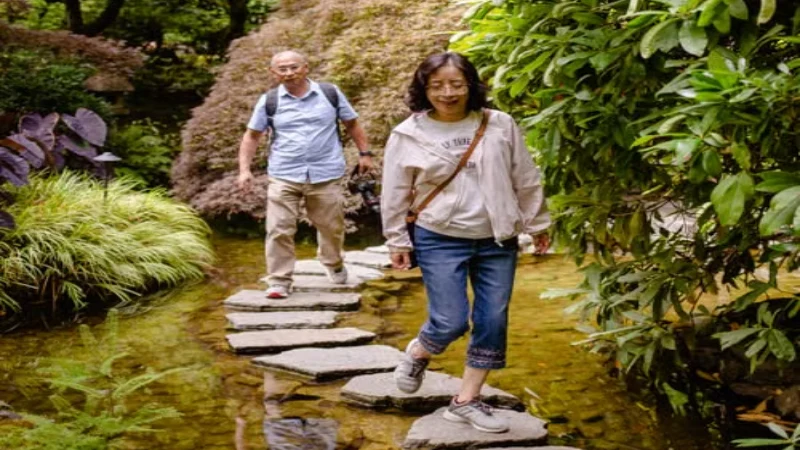
Building in genuinely restful afternoons, not just a lighter morning followed by another activity but actual downtime back at the hotel, changes the whole character of a trip. It’s the difference between a week that leaves everyone drained and one that leaves them already talking about coming back.
How Long The Trip Should Actually Be
Ten to fourteen days comes up repeatedly as the ideal length for a senior-focused Japan trip, longer than the seven-day itinerary a lot of first-time, younger travelers follow, and for good reason. That extra time isn’t spent covering more ground; it’s spent covering the same core route, typically Tokyo, Kyoto, and Osaka, at a pace that includes real rest days and fewer hotel changes. Shorter trips of seven to nine days work too, provided the pace stays genuinely relaxed rather than trying to compress a younger traveler’s itinerary into fewer days.
Keeping arrival day completely free of sightseeing is worth building in specifically, since jet lag hits differently at sixty-five than it does at twenty-five, and starting the trip exhausted tends to color the days that follow more than people expect going in.
When To Actually Go
March offers early cherry blossoms with noticeably milder crowds than the peak bloom weeks in late March and early April, a genuinely underrated window worth considering. May and September through November deliver the most comfortable weather overall, combined with fully accessible attractions and a pace that suits outdoor sightseeing without the summer humidity or winter cold complicating things.
A handful of specific dates are worth actively avoiding regardless of season, since domestic travel surges push crowds and prices up sharply during these windows. Golden Week, running April 29 through May 6, Obon in mid-August; and Silver Week in late September all see significant increases in both congestion and cost, and for a trip where pace and comfort matter more than usual, dodging these dates specifically is worth the calendar planning.
Where To Stay Matters More Than How Many Stars
Hotel location beats star rating for this kind of trip, and it’s worth genuinely prioritizing proximity to sights and train stations over a fancier property further out. Being able to return to the hotel for a midday rest, rather than pushing through an entire day away from a bed and a quiet room, is exactly the kind of flexibility that keeps a trip enjoyable rather than draining. Door-to-door private transfers, rather than navigating station transfers with luggage in tow, are worth the extra cost for anyone with real mobility concerns, and a pace that can adjust on the spot, skipping an afternoon activity if energy is low that day, matters more than sticking rigidly to a preplanned schedule.
The Luggage Problem, Solved
Hauling suitcases up and down station stairs and through crowded train carriages is one of the more genuinely exhausting parts of a multi-city Japan trip, and it’s also one of the most easily solved. Takkyubin, Japan’s nationwide door-to-door luggage delivery service, run primarily by Yamato Transport, lets you send suitcases directly from one hotel to the next, or from the airport straight to your first hotel, for a modest fee, typically under fifteen dollars for a bag traveling between major cities.

Drop bags off the day before at a hotel, convenience store, or service counter, and they typically arrive at the next destination the following day, meaning you travel between cities carrying only a light day bag rather than wrestling a full suitcase through a train station. For a senior-focused itinerary specifically, this single service does more to reduce daily physical strain than almost any other single decision in the planning process.
Onsen Towns Built Around Comfort
Hakone, Noboribetsu, and Arima consistently come up as Japan’s most senior-friendly onsen destinations, and the reason goes beyond just being well-known hot spring towns. Many of the ryokans in these three towns specifically offer elevator access, a genuine departure from the traditional multi-level wooden buildings with stairs that define a lot of older, more rustic ryokan properties. Private family bath options let couples or small groups soak together rather than navigating separate, sometimes intimidating public bathing areas, and gentle, beautifully presented kaiseki dinners round out an evening that feels indulgent rather than effortful.
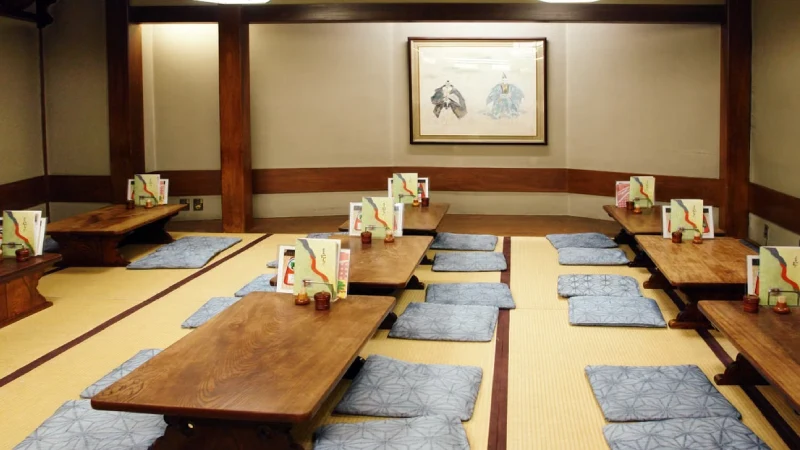
Building at least one, ideally two, onsen ryokan nights into a senior-focused itinerary is worth treating as a genuine priority rather than an optional extra, since it consistently comes up as one of the most enjoyed parts of the entire trip according to families who’ve actually done it.
Cultural Experiences That Work Especially Well
A handful of Japan’s classic cultural experiences suit a slower, seated pace particularly well. Watching sumo at Tokyo’s Ryogoku Kokugikan offers comfortable arena seating and interpretation services that make the sport’s history and rules genuinely accessible rather than confusing to follow. A geisha performance in Kyoto’s Gion or Miyagawa-cho districts, watched from a seated position in a quiet teahouse, delivers real cultural depth without demanding any walking or standing during the performance itself. A formal tea ceremony offers a similarly calm, seated, sensory experience that rewards patience over stamina.
These all share a common thread worth noting when building out a senior-focused day: they deliver genuine cultural substance while asking very little physically, which makes them easy to schedule even on a day when energy is already limited.
Structuring A Sample Route
A ten- to fourteen-day trip following the classic Tokyo, Kyoto, and Osaka route, sometimes called the Golden Triangle, works well as the backbone, with four to five nights in Tokyo, three to four in Kyoto, and two to three in Osaka, plus one or two nights added at an onsen town like Hakone along the way. This keeps hotel changes to a genuine minimum, three or four total rather than a different bed every night, and each city gets enough time to include real rest days rather than a rushed forty-eight hours.
If you’re working from our general Japan 7-day itinerary, the same core route applies here; it just needs stretching considerably, fewer sights per day, an added onsen night, and genuine buffer time between cities rather than same-day transfers immediately followed by more sightseeing.
What A Senior Focused Japan Trip Costs
Private, senior-tailored tours running seven to nine days typically cost between two thousand and three hundred and eighty-eight US dollars per person, covering private transfers, English-speaking guides, curated accommodation, and a pace built specifically around rest. This runs higher than a backpacker-style independent trip, but the added cost buys exactly the kind of door-to-door convenience and schedule flexibility that matters most for older travelers, private vehicles rather than crowded trains, and a guide who can adjust the day on the spot if energy runs low.
Independent travelers comfortable arranging their own private transfers and accommodation can often manage a similar pace for less, though it takes more upfront planning to build in the same level of built-in flexibility a specialist tour arranges by default.
Why Travel Insurance Deserves Extra Attention Here
This is worth taking seriously beyond the standard travel insurance advice. For older travelers specifically, checking that a policy covers pre-existing medical conditions, rather than assuming a standard policy automatically does, matters considerably more than it would for a younger traveler with a straightforward medical history. Given how many prepaid components a senior-focused trip typically involves private transfers, curated hotels, and sometimes a specialist tour booked as one package the financial exposure from a cancelled or interrupted trip runs higher than average too.
It’s worth specifically confirming medical coverage limits are adequate for the cost of care in Japan, and that any pre-existing conditions are declared and covered rather than excluded before finalizing a policy. This single check is arguably more important for this specific kind of trip than for almost any other type of travel covered on this site.
Packing And Health Preparation Worth Doing In Advance
A small folding cane or walking stick, even for travelers who don’t normally need one, is worth packing given how much standing and slow queuing a temple visit or a busy station transfer can involve. Comfortable, well-broken-in walking shoes matter more here than almost anywhere else on a typical trip, given how much of each day happens on foot regardless of how carefully the itinerary limits sightseeing stops.
Bringing an adequate supply of any regular medication, along with a doctor’s note listing generic drug names, helps avoid complications if a refill is ever needed while traveling, since brand names and available formulations can differ considerably from what’s familiar at home. A basic list of known allergies and existing conditions translated into Japanese, even a simple printed card, is worth carrying in case medical attention is ever needed and language becomes a barrier in that moment specifically.
Final Thoughts
A Japan trip built for seniors isn’t a scaled-down version of a younger traveler’s itinerary; it’s a genuinely different kind of trip built around a different set of priorities, fewer sights covered more deeply, real rest built into every day, and logistics handled in advance rather than figured out on the fly. Get the pace right, lean on services like luggage delivery that remove real physical strain, and build in at least one proper onsen night, and Japan delivers exactly the kind of trip families hope for when they finally book it for a parent or grandparent, memorable without being exhausting, and rich enough that the conversation afterward is already about when to go back.
Frequently Asked Questions
How long should a Japan trip for seniors be?
Ten to fourteen days is generally considered ideal, allowing the classic Tokyo, Kyoto, and Osaka route to be covered at a genuinely relaxed pace with built-in rest days, rather than compressing it into a faster seven-day itinerary.
What is the best time of year for older travelers to visit Japan?
May and September through November offer the most comfortable weather and fully accessible attractions, while March offers a quieter alternative to peak cherry blossom season with noticeably milder crowds.
How much walking does a typical Japan sightseeing day involve?
A standard day can easily top fifteen thousand steps once station transfers and temple approaches are included, which is why senior-focused itineraries deliberately limit each day to one or two main highlights.
Is there a way to avoid carrying luggage between cities?
Yes, Japan’s takkyubin luggage delivery service lets you send suitcases directly between hotels for a modest fee, so you only need to carry a light day bag while actually traveling.
Which onsen towns are best suited to older travelers?
Hakone, Noboribetsu, and Arima are consistently recommended for their elevator-equipped ryokans, private family bath options, and gentle kaiseki dining, all genuine improvements over more traditional multi-level properties elsewhere.
Do senior travelers need special travel insurance for Japan?
Not a special type specifically, but it’s worth confirming that any policy covers pre-existing medical conditions explicitly and that medical coverage limits are adequate, since this varies significantly between standard policies.


