Japan Visa Free Countries List 2026: The Complete Guide

There’s a specific kind of relief that comes with realizing you don’t need to apply for a visa before a trip. No forms, no embassy appointment, no waiting weeks for a decision, just a passport and a plane ticket. Japan extends that relief to citizens of seventy four countries and regions right now, and if yours happens to be one of them, planning a trip genuinely becomes a lot simpler than a lot of other destinations in Asia.

What’s changed recently, and what a fair number of older guides on this topic haven’t caught up with yet, is that visa free doesn’t mean quite the same thing it did a year or two ago. A new electronic authorization system is rolling out in 2026 that changes what visa exempt travelers actually need to do before boarding a flight. This guide covers the full current list, exactly how long you can stay depending on your passport, and that new requirement in detail, along with what actually happens at the border once you land.
What Visa Free Actually Means Here
When Japan’s Ministry of Foreign Affairs lists a country as visa exempt, it means citizens of that country can walk up to immigration at a Japanese airport or port, show their passport, and receive a Temporary Visitor stamp on the spot, no advance application, no embassy visit, and no fee. This status comes from bilateral reciprocal arrangements Japan has negotiated individually with each country over the years, which is why the list isn’t static and occasionally gains or loses a country as diplomatic relationships shift.
It’s worth being clear about what this status doesn’t cover too. A temporary visitor stamp doesn’t allow paid work of any kind, doesn’t permit long term study, and can’t be used as a workaround for an actual residence status. Entering and exiting Japan repeatedly in quick succession purely to reset your allowed stay, something immigration circles call a visa run, is specifically watched for, and travelers flagged doing this can be denied entry outright even if their passport is on the exempt list.
The Full List: Who Gets 90 Days
The vast majority of visa exempt countries receive the standard ninety day stay, and this covers most of the destinations people actually search this topic for.
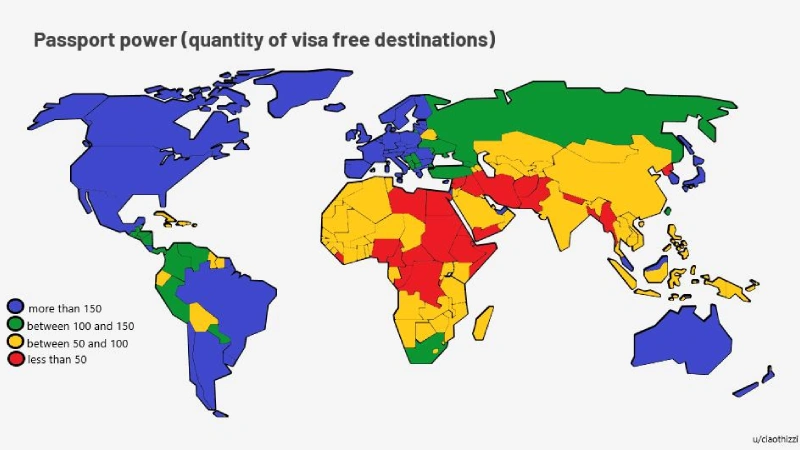
Across Asia and the Pacific, this includes Australia, Hong Kong, Macao, Malaysia, New Zealand, South Korea, Singapore, and Taiwan, though a few of these carry specific passport conditions worth knowing; more on that below. The Americas contribute a long list too; Argentina, Bahamas, Barbados, Brazil, Canada, Chile, Costa Rica, the Dominican Republic, El Salvador, Guatemala, Honduras, Mexico, Panama, Paraguay, Peru, Suriname, the United States and Uruguay all sit on the ninety day list.
Europe makes up the largest single block on the exemption list by a wide margin. Andorra, Austria, Belgium, Bulgaria, Croatia, Cyprus, the Czech Republic, Denmark, Estonia, Finland, France, Germany, Greece, Hungary, Iceland, Ireland, Italy, Latvia, Liechtenstein, Lithuania, Luxembourg, Malta, Monaco, Montenegro, the Netherlands, North Macedonia, Norway, Poland, Portugal, Romania, San Marino, Serbia, Slovakia, Slovenia, Spain, Sweden, Switzerland, and the United Kingdom are all included, covering effectively all of Western and Northern Europe along with a growing share of Eastern and Southeastern Europe.
The Middle East and Africa carry a shorter but genuine presence on the list too, Israel, Türkiye and the United Arab Emirates in the Middle East, and Lesotho, Mauritius, and Tunisia in Africa.
Shorter Stays: 30 Days And 15 Days
Not every exempt country gets the full ninety days, and assuming yours does without checking is a genuinely easy mistake to make. Brunei and Qatar both receive thirty days rather than ninety, with Brunei’s allowance actually extended from a shorter fifteen day window back in December 2024. Indonesia and Thailand sit at the more limited end, both currently capped at fifteen days for visa exempt entry.
If your passport falls into one of these shorter categories and your trip is genuinely longer than the allowed stay, that’s worth building into your planning from the very start rather than discovering it once you’re already mid trip and realizing the math doesn’t work.
The ePassport Detail That Catches People Out
Several countries on the ninety day list carry a specific condition attached to their visa exemption, it only applies to holders of a biometric ePassport, the kind with an embedded chip meeting ICAO international standards. This applies to travelers from Brazil, Panama, Paraguay, Peru, Montenegro, Serbia and the United Arab Emirates specifically. If you’re traveling on an older passport without that chip from one of these countries, the exemption doesn’t apply to you, and you’d need to apply for a visa in advance instead, regardless of your country’s overall listing on the exempt list.
This is exactly the kind of detail that a quick glance at a general list can miss entirely, and it’s worth checking your specific passport type against your country’s exact terms before assuming the standard exemption automatically covers you.
The Handful Of Countries That Can Extend Beyond 90 Days
A small group of countries have negotiated something extra on top of the standard exemption, the ability to apply for an extension beyond the initial ninety days without leaving Japan first. Austria, Germany, Ireland, Liechtenstein, Mexico, Switzerland, and the United Kingdom all fall into this category. Eligible travelers from these countries can apply through Japan’s Regional Immigration Bureau before their original ninety day period runs out, rather than needing to exit and re-enter the country to reset the clock.
For every other visa exempt nationality, ninety days is a genuinely hard limit, and once that stamp expires, staying longer means you’re in Japan illegally, regardless of how the rest of your paperwork looks.
JESTA: The Change Most Guides Haven’t Caught Up With
This is genuinely the most important update on this entire topic for 2026, and it’s worth understanding properly rather than skimming past it. Japan is rolling out a new system called JESTA, the Japan Electronic System for Travel Authorization, modeled directly on the US ESTA and Canada’s eTA. Once fully in effect, travelers from visa exempt countries will need to apply online and receive pre-travel approval before boarding a flight to Japan, rather than simply showing up with a passport the way visa-exempt travel has worked until now.

This isn’t technically a visa, in the same sense that an ESTA or an eTA isn’t a visa either, but it functions as a mandatory pre-approval step that visa exempt travelers haven’t previously needed to think about. More than seventy countries and regions currently enjoying visa exemption will be affected once the system is fully active, including major markets like the United States, Canada, the United Kingdom, Germany, France, Australia and South Korea. Airlines are expected to check for valid JESTA approval at check-in, similar to how they already verify ESTA status for US bound passengers, which means arriving at the airport without having completed this step could mean being denied boarding entirely rather than sorting it out on arrival.
The broader motivation behind JESTA is worth understanding too, since it explains why Japan is making this change now rather than continuing with a pure walk up system indefinitely. The country has seen record-breaking visitor numbers in recent years, and immigration authorities have pointed to a rising number of overstays and visa run-style abuses of the exemption system as part of the reasoning. Collecting basic information about the purpose of travel and accommodation before departure, rather than only at the immigration counter, gives authorities a chance to flag potential issues earlier in the process, which is the same logic underpinning the US ESTA and Canada’s eTA systems that Japan is explicitly modeling this on.
Given that this system is still in its rollout phase, checking the current status directly through Japan’s Ministry of Foreign Affairs official visa information page closer to your actual travel dates is genuinely worth doing, since exactly when JESTA becomes mandatory for your specific nationality and the fee involved are the kind of details that are still being finalized as this rolls out.
What Actually Happens At The Border
Being on the visa exempt list gets you to the immigration counter, but it doesn’t guarantee entry on its own, and it’s worth knowing what an immigration officer is actually checking for. Proof that you’ll leave Japan within your permitted stay matters more than people expect: a return flight, an onward ticket to another country, or anything showing a genuine departure plan. Vague answers about accommodation tend to raise questions too; having at least your first night or two confirmed and ready to show, even just on your phone, smooths this over considerably.
Officers are also watching for anything that looks disproportionate to your stated trip length, arriving with an unusual amount of luggage for a short visit, for instance, and for entry patterns suggesting a visa run, exiting to a neighboring country for a day or two and immediately returning for another full ninety-day stay. None of this should worry a genuine tourist with a normal itinerary, but it’s worth understanding that the exemption list gets you access to the process, not an automatic guarantee once you’re standing at the counter.
If Your Country Isn’t On The List
A meaningful number of countries still require a traditional visa application before traveling to Japan, arranged either directly through a Japanese embassy or consulate or in some cases, through an eVisa system depending on your specific nationality. If that’s your situation, it doesn’t make Japan any less worth visiting; it just means building in more lead time, typically four to six weeks, and gathering the standard supporting documents, flight and hotel bookings, financial proof, and a clear explanation of your travel purpose, before you can lock in travel dates.
Practical Tips Regardless Of Your Passport
Don’t assume ninety days just because a general list says your country is exempt, verify your exact allowed stay and any passport specific conditions directly against MOFA’s current records before booking anything. Keep proof of your itinerary accessible on your phone throughout your trip, not just at the point of entry, since it’s genuinely useful to have on hand if your plans or timeline come up in conversation with authorities at any point.
Overstaying, even by a day or two, carries real consequences, including a ban on re-entering Japan that can last for years depending on how long the overstay ran. And if you’re planning to work remotely for a foreign employer while visiting on a visa exempt stay, be aware that Japan’s immigration rules around this specific situation are still evolving and not entirely settled, so it’s worth checking the most current guidance if that applies to your trip.
Why Travel Insurance Still Matters On A Visa Free Trip
It’s easy to assume that because entry itself is straightforward, the rest of the trip doesn’t need much preparation either, but visa-free status has nothing to do with medical coverage. Japan’s healthcare system is excellent, but it isn’t free for foreign visitors, and a hospital visit or an unexpected injury can come with a genuinely significant bill attached if you’re not covered. If you’re building out the rest of your trip, our guides on the best time to visit Japan and a full Japan 7-day itinerary cover the planning side, but travel insurance is worth arranging specifically before you fly regardless of how simple the entry process itself turns out to be.
Transiting Through Japan Without Leaving The Airport
A separate situation worth knowing about applies to travelers just passing through Japan on the way somewhere else. If you’re connecting between flights and staying within the airport’s transit area without going through immigration, visa exemption rules generally don’t come into play at all, since you never actually enter the country in the legal sense. The moment you plan to leave the airport, even for a few hours between long layovers, you’re subject to the same visa exempt rules and, once it’s fully active, the same JESTA requirement as any other visitor entering Japan, so it’s worth treating a same day layover excursion with the same preparation as a full trip rather than assuming transit status covers it.
Traveling As A Family Or Group With Mixed Passports
It’s worth specifically checking each traveler’s individual status if you’re planning a trip as a family or group holding different passports, rather than assuming everyone qualifies the same way. A family with one parent holding a ninety day exempt passport and another holding a passport that requires a visa in advance needs to plan around the stricter requirement, applying for that visa with enough lead time before the trip, since Japan doesn’t extend one traveler’s exemption status to cover companions on a different passport. Checking this early, ideally as soon as a trip is even loosely being considered, avoids discovering a mismatch close to departure when there’s no longer enough time to apply for a standard visa through normal processing.
Frequently Asked Questions
How many countries currently have visa free access to Japan?
Seventy four countries and regions currently hold visa exemption arrangements with Japan, according to the Ministry of Foreign Affairs’ most recent notice, though the exact list shifts slightly from year to year as new agreements are added.
How long can I stay in Japan without a visa?
Ninety days is the standard allowance for most exempt countries, though Brunei and Qatar are limited to thirty days, and Indonesia and Thailand are limited to fifteen days.
What is JESTA, and do I need it?
JESTA is Japan’s new electronic travel authorization system, modeled on the US ESTA, requiring visa-exempt travelers to apply online and receive approval before boarding a flight to Japan. It’s rolling out through 2026 and will eventually apply to travelers from all seventy-plus visa-exempt countries.
Can I extend my stay beyond 90 days if I’m visa exempt?
Only citizens of Austria, Germany, Ireland, Liechtenstein, Mexico, Switzerland, and the United Kingdom can apply for an extension without leaving Japan first. Every other exempt nationality faces a hard ninety-day limit.
Do I need an ePassport for visa-free entry to Japan?
Only if you’re a citizen of Brazil, Panama, Paraguay, Peru, Montenegro, Serbia, or the United Arab Emirates, where the exemption specifically requires a biometric ePassport rather than an older passport type.
What happens if I overstay my visa-free period in Japan?
Overstaying can result in a ban on re-entering Japan, sometimes for several years, and is treated seriously by immigration authorities regardless of how minor the overstay seems.
Final Thoughts
A seventy four country visa exemption list makes Japan genuinely one of the more accessible major destinations in the world to plan a trip to, provided you check the specific terms attached to your own passport rather than assuming the general ninety day rule automatically applies. The bigger shift to actually pay attention to for 2026 is JESTA, since it changes visa free travel from a true walk up process into one requiring online approval before you even board, closer to how ESTA already works for US bound travelers. Sort that out ahead of time, confirm your exact allowed stay, and the rest of a Japan trip remains exactly as straightforward as its reputation suggests.