
Miami Beach For International Tourists 2026: The Guide Nobody’s Publicist Wrote

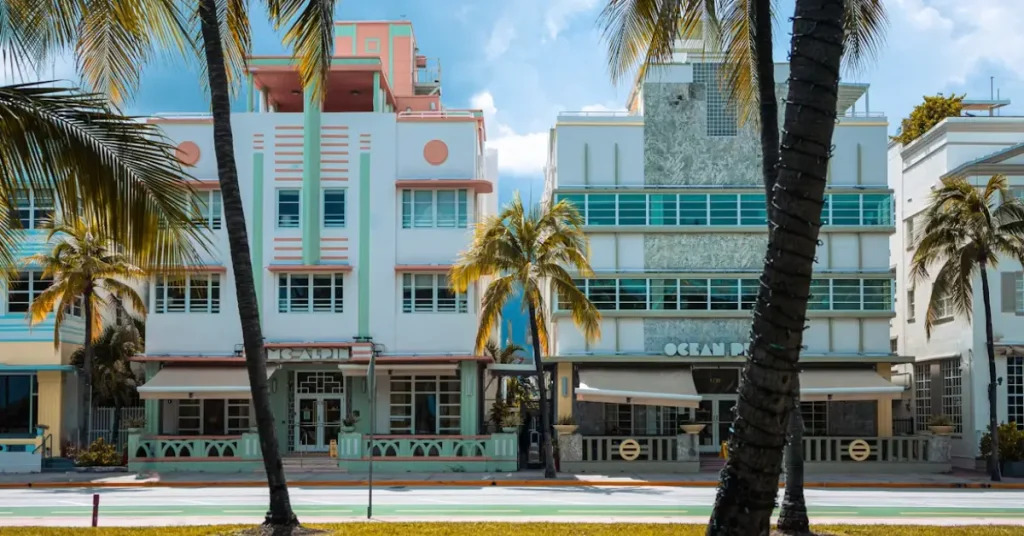
Everyone who’s ever flown into Miami has some version of the same story: they land, get in a cab or an Uber, and by the time they’ve crossed onto the causeway toward the beach, they’ve already formed an opinion. Some fall for it instantly: the pastel buildings, the palm trees leaning into the wind, and the general sense that the whole city is dressed for a party you haven’t been invited to yet. Others get out of the car, take one look at Ocean Drive on a Saturday night, and quietly wonder what all the fuss is about. Both reactions are fair, honestly, because Miami Beach is two very different places depending on which three blocks you’re standing on and what time it is.
This guide is for the international visitor trying to figure out which version of Miami Beach they’re actually going to get and how to plan around the parts that genuinely trip people up, when to go, where the safety concerns are real versus overblown, what things cost now, and, since 2026 happens to be a rather loud year for Miami with the World Cup rolling through, what that means for your trip if the timing overlaps.
When To Actually Go
Winter, roughly December through April, is when Miami Beach behaves the way the postcards promise: low humidity, blue skies most days, and temperatures that sit comfortably in the mid-70s to low-80s Fahrenheit. It’s also, unsurprisingly, when everyone else has figured this out too, so hotel prices climb and the beach gets genuinely crowded, particularly around Ocean Drive and South Beach’s main stretch.
There’s a specific stretch worth knowing about if you’re not looking for it: spring break, usually the middle two weeks of March, when South Beach turns into something closer to a college festival than a beach town. If you’re travelling with kids, or you just want an actual quiet holiday, steer around those dates entirely, or at minimum, book yourself somewhere in Mid Beach or Bal Harbour rather than right on Ocean Drive. If you happen to be the target demographic for that scene, though, timing your trip for exactly those weeks isn’t the worst idea either.
Late spring and early fall, say May and again October into November, are the dates that experienced Miami visitors quietly keep to themselves. The weather’s still warm, prices drop noticeably from peak winter, and you’re not fighting for a beach chair. The tradeoff is that summer proper, June through September, brings real heat, real humidity, and the start of hurricane season, which doesn’t mean don’t go, most trips are completely unaffected, but it does mean travel insurance with weather coverage stops being optional and starts being common sense.
Miami Beach In 2026 Comes With An Asterisk

Worth flagging up front, because it genuinely changes trip planning for a chunk of the year, Miami is hosting several FIFA World Cup matches at Hard Rock Stadium in 2026. If your travel dates land anywhere near a match window, expect hotel prices well above the usual seasonal rates, tighter availability the closer you book to the dates, and noticeably heavier traffic and airport congestion across the whole metro area, not just near the stadium itself. It’s not a reason to avoid Miami during that stretch; plenty of visitors are specifically planning around it, but it is a reason to book accommodation and flights earlier than you normally would and to build extra travel time into any airport transfer.
Getting Around Without A Car
Here’s a slightly unpopular opinion that turns out to be true more often than not: you don’t actually need to rent a car for a Miami Beach trip, and in some ways you’re better off without one. South Beach itself is compact and genuinely walkable, and parking there ranges from expensive to a genuine headache depending on the time of day. Rideshares are everywhere and reasonably priced for short hops, and the city’s trolley system covers a decent chunk of the beach for free.
Where a car starts to make sense is if you’re planning day trips out of the city, the Everglades, the Florida Keys, that kind of thing, where public transport thinns out fast. For a trip that’s mostly South Beach, Mid Beach, and maybe a hop across to Wynwood or Little Havana, skip the rental and save yourself the parking stress.
Picking A Neighborhood That Actually Matches Your Trip

This is the decision that shapes a Miami Beach trip more than almost anything else, and it’s worth thinking through rather than just booking whatever hotel photo looked best.
South Beach is the Miami Beach everyone pictures, Ocean Drive’s neon and Art Deco hotels, Lincoln Road’s pedestrian shopping strip, and a genuinely nonstop nightlife scene. It’s also the loudest and, if you’re staying right on Ocean Drive itself, not somewhere you’ll get an early night. A useful trick locals mention constantly: book a block or two back on Collins Avenue instead; you keep the walk to everything but lose most of the street noise.
Mid Beach trades some of that energy for a calmer, more upscale stretch; this is where the Fontainebleau and Faena sit, and it’s a solid pick for anyone who wants beach access without the South Beach circus right outside the door.
North Beach is quieter again, more residential, and honestly a nice option if your idea of a beach holiday doesn’t involve nightlife at all.
Beyond the beach itself, Wynwood with its wall-to-wall street art and Little Havana for genuinely excellent Cuban coffee and food are both easy half-day trips from wherever you’re staying, and most first-time visitors end up glad they carved out time for at least one of them.
Beach Safety: The Part That Actually Matters
Miami Beach’s lifeguards run a color-coded flag system, and it’s worth understanding before you go anywhere near the water, not after. Green means calm, yellow means moderate caution, red means the current is genuinely dangerous, and purple flags up jellyfish or other marine life in the area. The one hazard that catches out more visitors than anything else here is the rip current, a fast channel of water pulling away from shore, and the instinct to fight it by swimming straight back to the beach is exactly the wrong move. Swim parallel to the shoreline instead, break free of the pull, then angle back in. Lifeguards go off duty around 7pm, and getting into the ocean after that, however tempting on a warm night, is genuinely one of the riskier things a visitor can do here.
Beyond the water, the sun deserves more respect than most international visitors give it. Miami’s UV index runs high for a large chunk of the year, and sunburn is, by a wide margin, the most common thing that actually ruins a Miami Beach trip. Reapply sunscreen more often than feels necessary.
On The Question Everyone Quietly Wonders: Is It Safe?
Miami gets a certain reputation, partly earned, partly inherited from decades of television, and the honest answer sits somewhere in the middle. Crime rates in the city have genuinely been trending down in recent years, and the areas most tourists actually spend time in, South Beach, Brickell, and Coral Gables, are considered reasonably safe by daytime standards, with the usual big-city caution applying after dark.
The more realistic risk for most visitors isn’t violent crime; it’s the smaller stuff: pickpocketing in crowded spots like Ocean Drive, ATM skimming devices on machines near tourist strips, and a fairly persistent scene of people selling fake tickets to clubs, boat parties, or tours. None of this is unique to Miami, but it’s worth the same basic habits you’d use in any major tourist city: use ATMs inside banks or hotels rather than standalone street machines, book tours and rentals through platforms you can actually verify, and keep bags zipped and closed in dense crowds rather than slung over one shoulder.
Food, Because You’re Going To Ask
Cuban food is not optional in Miami, and Little Havana is where to have it properly: a cafecito from a walk-up window, a proper Cuban sandwich, and if you’re there on the right afternoon, the domino games at Máximo Gómez Park are worth watching even if you’ve got no idea what’s going on. Back on the beach itself, the food scene along Lincoln Road and further into Mid Beach ranges from genuinely excellent to overpriced for the view, and as a general rule, the restaurants directly facing Ocean Drive charge a premium for the location rather than the food; walking one or two streets back usually gets you a better meal for less.
What A Miami Beach Trip Actually Costs
Miami sits at the pricier end of US beach destinations, and 2026’s World Cup dates will push this further during overlapping weeks. Rough daily figures outside those windows:
- Budget: roughly $100-150/day hostel or budget hotel a few blocks from the beach, casual eating, and walking or trolley for transport.
- Mid-range: roughly $250-400/day a solid hotel in South Beach or Mid Beach, a mix of casual and one nicer dinner, and occasional rideshares.
- Higher end: $600+/day beachfront hotels in South Beach or Mid Beach’s luxury properties, fine dining, and the kind of nightlife South Beach is actually famous for.
Entry Requirements For International Visitors
This is the part worth sorting out well before flights get booked, and it genuinely depends on which passport you’re travelling on. Visitors from around 40 countries, most of Western Europe, the UK, Japan, South Korea, Australia, and a handful of others, can generally travel to the US for short tourist stays under the Visa Waiver Program, applying instead for an ESTA, a quick online authorization rather than a full visa.
Indian passport holders are not part of that program. If you’re travelling from India, the requirement is a standard B1/B2 visitor visa, applied for through the DS-160 form, with an in-person interview at a US Embassy or Consulate currently required for essentially all applicants. It’s worth knowing this early, because unlike an ESTA, which can often be sorted in a day or two, the B1/B2 process runs on a much longer timeline; interview wait times vary significantly by consulate and season, and in 2026 they’ve been running anywhere from a few weeks to several months depending on the city. Starting the application at least three to six months ahead of any planned Miami trip is the safer approach, not something to leave until flights are already booked. If this is your situation, our US visa guide for Indian travelers walks through the current document checklist and consulate-by-consulate wait times in more detail.
Whichever route applies to you, note that Miami has been named specifically in recent travel advisories around heightened immigration enforcement tied to the World Cup period, which mostly affects people with an already irregular status rather than tourists travelling on a properly issued visa or ESTA, but it’s a reasonable reminder to travel with your documents in order and easily accessible, not buried at the bottom of a suitcase.
Frequently Asked Questions
Is Miami Beach safe for international tourists?
Generally yes, particularly during the day in well-frequented areas like South Beach and Mid Beach. The realistic risks are petty theft and tourist-targeted scams rather than serious crime, and basic city precautions cover most of it.
What’s the best time of year to visit Miami Beach?
December through April for the classic warm, dry weather, though May and October to November offer nearly the same conditions at lower prices and with fewer crowds. Avoid the middle two weeks of March unless the spring break scene is actually what you’re after.
Do I need a visa to visit Miami Beach?
It depends on your passport. Around 40 countries qualify for the Visa Waiver Program and can travel on an ESTA instead of a full visa. Indian citizens aren’t included in that list and need a B1/B2 visitor visa, applied for well in advance due to interview wait times.
Will the 2026 World Cup affect my Miami Beach trip?
If your dates overlap with match weeks at Hard Rock Stadium, expect higher hotel prices, tighter availability, and heavier traffic across the city. Booking earlier than usual is the main adjustment worth making.
Do I need to rent a car in Miami Beach?
Not for a trip focused on South Beach, Mid Beach, and nearby day trips like Wynwood or Little Havana. A car becomes useful mainly for trips further out, like the Everglades or the Florida Keys.
What’s the biggest safety mistake tourists make on the beach itself?
Underestimating rip currents. Check the flag color before swimming, and if you do get caught in one, swim parallel to the shore rather than straight back toward the beach.
Final Thoughts
Miami Beach genuinely earns both sides of its reputation; the loud, neon, Ocean Drive version and the quieter, Cuban-coffee-and-art-deco-walking-tour version exist about ten minutes apart from each other, and most of the trip comes down to picking which one you actually came for. Time it around the shoulder seasons if you can, respect the ocean more than the postcards suggest you need to, and if you’re travelling from a country that needs a full visa rather than an ESTA, start that process long before you start looking at flights. Do that, and Miami Beach in 2026 is a considerably better trip than the version that shows up in everyone’s first-glance opinion from the back of a cab.


