Ryokan vs Hotel Japan 2026: Which One Actually Suits Your Trip

Here’s the question people actually mean to ask when they type Ryokan vs Hotel Japan into a search bar: should I spend the money on a traditional inn, or will a normal hotel room do the job just as well? And the honest answer is that they’re not really competing products. A hotel sells you a room. A ryokan sells you an evening, a meal, a bath, and a room that comes attached to all of it. Comparing their nightly rates side by side without accounting for that is where most of the confusion starts.
This guide breaks down what each actually gives you in 2026, what they cost once you stop comparing apples to oranges, and which type of trip, or which night of a longer trip, each one is actually built for.
What A Ryokan Actually Is
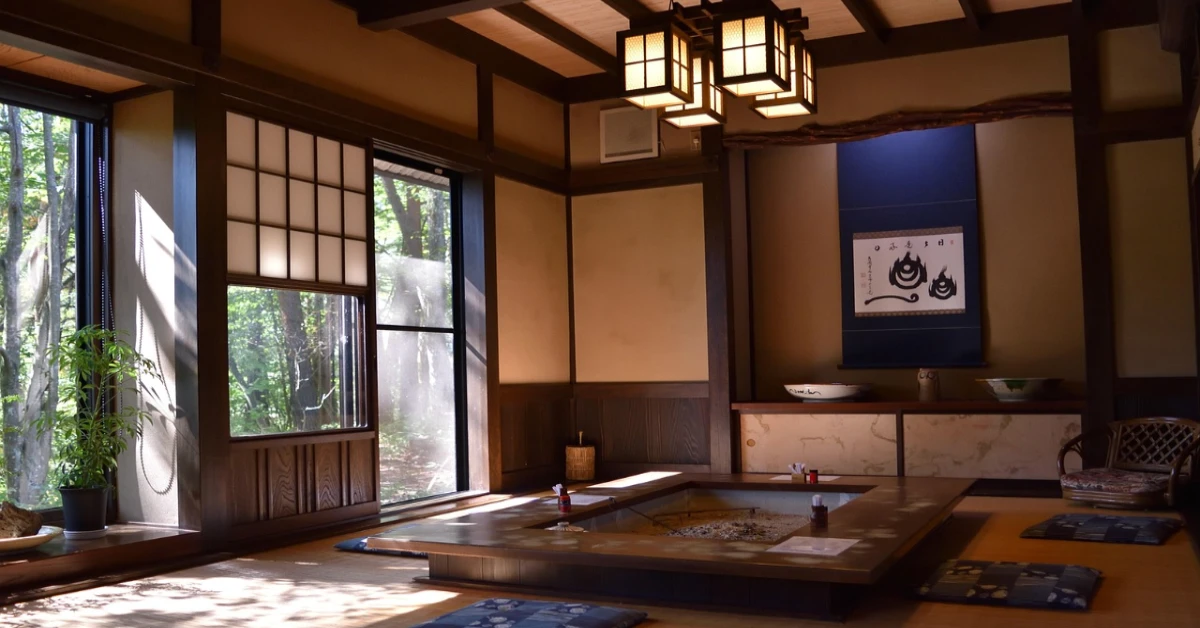
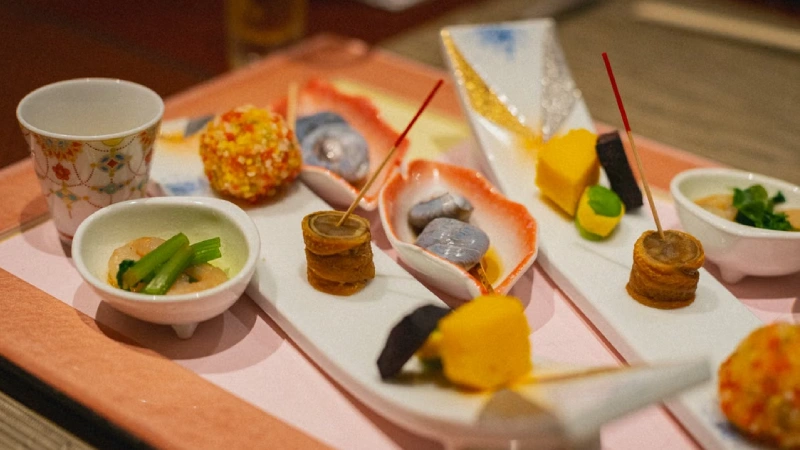
A ryokan is a traditional Japanese inn, and the word covers everything from a converted centuries-old farmhouse with five rooms to a glossy, modern property with private onsen suites and a Michelin-adjacent kaiseki dinner. What ties them together is the format. Rooms are tatami-floored, futons get laid out on the floor each evening rather than a fixed bed, and the nightly rate almost always includes a multi-course kaiseki dinner and a traditional Japanese breakfast the next morning. Most offer onsen bathing, either a shared communal bath or, increasingly, a private one attached to the room itself. A yukata, a simple cotton robe, is provided for guests to wear around the property, dinner included.
Staff at a proper ryokan don’t operate like hotel staff. A dedicated attendant, often called a nakai-san, handles your room specifically, serves your meals, lays out your futon while you’re at dinner, and generally delivers a level of individual attention that a hotel simply isn’t built to replicate at scale.
What A Hotel Actually Gives You
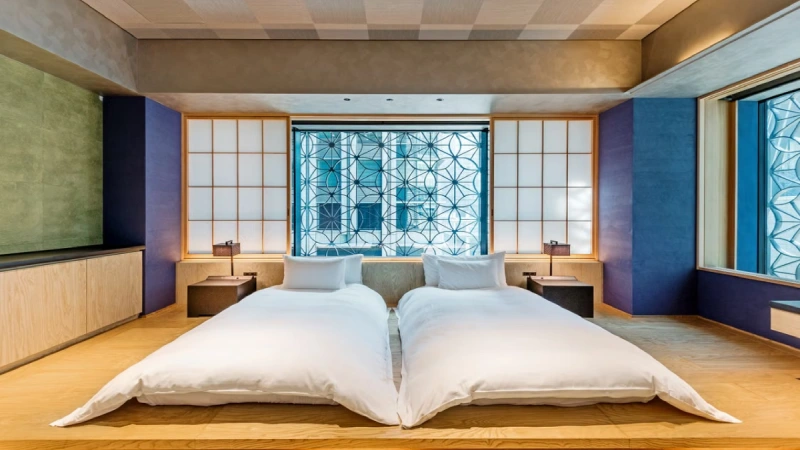
Hotels in Japan run the familiar range international chains, independent boutique properties, and the famously efficient Japanese business hotel with small rooms, Western beds, spotless bathrooms, and rates that make them genuinely good value for a city stay. None of them include meals as standard, dinner and breakfast are your own arrangements, eaten whenever you like, wherever you like. Service is professional and largely invisible: the front desk when you need it, housekeeping once a day, and otherwise left alone to come and go on your own schedule.
The Price Comparison Nobody Does Fairly
This is where most online comparisons go wrong, and it’s worth untangling properly. Ryokan rates are almost always quoted per person, not per room, which immediately looks more expensive next to a hotel’s per-room price. A mid-range ryokan in 2026 typically runs somewhere between ¥25,000 and ¥50,000 per person per night. A comparable mid-range hotel room might run ¥15,000 to ¥20,000 total, split between two people.
But the ryokan rate already includes a kaiseki dinner and a proper breakfast, meals that would otherwise cost a real amount eaten separately. Price out an equivalent hotel night properly, the room, a good dinner out, breakfast, and in some cases a day-pass onsen visit, and the gap narrows a lot. One widely used comparison for a couple in Hakone put a ¥70,000 ryokan night, all-inclusive, against an ¥85,000 total for the hotel-plus-dining equivalent. The ryokan isn’t always the more expensive option once you’re comparing the same actual experience rather than two different line items.
Where hotels pull ahead on pure cost is flexibility, skip a meal, eat cheaply, or eat expensively, the choice and the saving potential are entirely yours. A ryokan’s price is fixed whether you’re hungry for the full kaiseki spread or not.
Room Size And What You’re Actually Sleeping On
Ryokan rooms tend to be genuinely spacious, often 30 to 40 square meters, big enough comfortably for three to five people, though the space is mostly open tatami floor designed for sitting and the futon, not furnished the way a hotel room is. Hotel rooms, especially Japan’s efficient business hotel category, run considerably smaller and are built around the bed and a work desk rather than open floor space. If stretching out with family or a group matters more than a desk to work at, the ryokan layout wins by a wide margin.
Bathing, Onsen Etiquette, And A Few Rules Worth Knowing
The onsen is often the actual reason people choose a ryokan over a hotel in the first place, and it’s worth going in prepared rather than caught off guard. Bathing is done fully nude, swimwear isn’t used in a traditional onsen, and you wash and rinse thoroughly at the provided stations before ever stepping into the shared bath itself. Long hair gets tied up, and towels stay out of the water. One detail that catches a surprising number of visitors off: many onsen, including some at ryokan, still refuse entry to guests with visible tattoos, a holdover from the association with organized crime. If tattoos are a factor, it’s worth checking a specific property’s policy before booking, since the rules vary a lot by establishment and some offer private baths as a workaround. Hotels mostly keep bathing private and in-suite, missing the communal onsen experience entirely unless the property has a public bath attached, which a growing number of city hotels now do.
Service Style: Omotenashi Versus Professional Distance
Ryokan service runs on the Japanese concept of omotenashi, a kind of anticipatory, deeply attentive hospitality that some travelers find genuinely moving and others find a little much, particularly if privacy matters more to you than being looked after. Hotel service sits at the opposite end, competent, polite, and largely out of your way unless summoned. Neither is objectively better; it’s really a question of what kind of evening you want after a full day of sightseeing.
Flexibility: The Trade-Off Nobody Mentions Enough
A ryokan stay comes with structure. Dinner is usually served at a fixed time, often early by Western standards; check-in tends to happen mid-afternoon with an expectation you’ll settle in before dinner, and the whole evening runs on the property’s rhythm rather than yours. For a relaxing, slow evening after a day of travel, that structure is part of the appeal. For a trip where you want to be out late, eat whenever hunger strikes, or come back to the room at 11pm after a night out, a hotel’s total flexibility suits the pace far better. This single factor, more than price, is usually what decides which one actually fits a given night of a trip.
Location: Why Ryokan And Hotels Often Aren’t Even Competing
A lot of the best-known ryokan sit in onsen towns, Hakone, Kinosaki, and parts of the Japanese Alps, places built specifically around hot spring bathing rather than city sightseeing. Hotels dominate the city centers, clustered around major stations in Tokyo, Kyoto, and Osaka, exactly where a tourist wants to be based for day-to-day sightseeing. In practice, this means the choice often isn’t really ryokan versus hotel in the same city, it’s a hotel in the city for the main trip, with one or two ryokan nights built in as a dedicated side trip to somewhere like Hakone specifically for that experience.
Who Each One Actually Suits
A first-time visitor on a trip built mostly around sightseeing does best with a hotel as the base, adding one or two ryokan nights as a standalone highlight rather than the default every night. A couple celebrating something gets genuine value from a higher-end ryokan with a private onsen room, it’s the kind of splurge that photographs and remembers well. A business traveler or anyone needing a desk, reliable late-night access, and a predictable schedule is almost always better off in a hotel, full stop. A family travelling with young kids often does better in a hotel for the flexibility around meals and bedtimes, though a family-friendly ryokan with a spacious tatami room can work nicely for a special night if the kids are old enough to sit through a formal dinner. A solo traveller, particularly a woman travelling alone, might appreciate the quieter, more closely attended atmosphere of a ryokan, and a number of properties specifically offer women-only floors or baths.
READ MORE: Okinawa Japan Beach Guide: The Best Islands And Sand For 2026
The Middle Ground: Minshuku And Business Hotels
Worth knowing about if the full ryokan experience feels like more than the trip calls for, or the budget doesn’t stretch that far. A minshuku is essentially a family-run, more casual version of a ryokan, smaller, you lay out your own futon, meals are simpler and often eaten communally, and prices run noticeably lower, often ¥8,000 to ¥15,000 per person including meals. It’s a genuinely good way to get a taste of ryokan-style hospitality without the full price tag. On the hotel side, Japan’s business hotel category deserves more credit than it usually gets, compact rooms, immaculate, often under ¥10,000 a night, and a perfectly sensible base for a city-heavy itinerary where the room is really just somewhere to sleep.
What Guidebooks Rarely Mention: Noise And Privacy
Traditional ryokan walls are often shoji screens or thin sliding doors rather than solid walls, part of the aesthetic, but worth knowing if a light sleeper is on the trip. Sound travels more than it would in a modern hotel, and a property near a shared corridor or communal bath can mean footsteps and voices later into the evening than expected. Newer ryokan with private en-suite rooms have mostly solved this, but it’s a fair question to ask when booking an older, more traditional property, especially for a couple hoping for a genuinely quiet night.
How To Actually Book A Ryokan
Booking directly through sites like Japanican or Jalan gives access to a far wider range of ryokan than most international hotel booking platforms carry; many smaller, traditional properties don’t list anywhere else. Smaller, more traditional ryokan sometimes have limited English-language service, so a platform with English support, or a hotel concierge willing to call ahead on your behalf, smooths things considerably. Book meal preferences and dietary restrictions at the time of booking rather than on arrival, since the kaiseki menu is often prepared well in advance and isn’t easily adjusted last minute.
Curfews, Check-In Times, And Other Small Print
Ryokan check-in tends to happen in the afternoon, often from 3pm, with an expectation that guests arrive with enough time to settle in before dinner, which is sometimes served as early as 6pm. Some, particularly smaller or more traditional properties, lock their front doors at a set time in the evening, worth asking about directly if a late dinner out or an evening train delay is a real possibility. Hotels, by contrast, run on the expected 24-hour access most international travellers assume by default, arrive at 2am after a delayed flight and nobody blinks.
Luggage is worth a specific mention too, since Japan’s takuhaibin courier services let you forward a suitcase from one hotel or ryokan to the next for a modest fee, arriving the following day. It’s a genuinely useful trick for a mixed itinerary, travel light with a day bag on the day you move between a city hotel and a countryside ryokan, and let the service deal with the rest.
A Sample Way To Split A Ten-Night Trip
For a ten-night first trip covering Tokyo, Kyoto, and a side trip to Hakone, a workable split looks something like this: four nights in a Tokyo hotel for the sightseeing-heavy stretch, two nights in a Hakone ryokan built around the onsen and a slower pace, then four nights in a Kyoto hotel for the temple circuit. That gives the trip exactly one dedicated ryokan experience, timed deliberately rather than squeezed in, while keeping the rest of the trip on the flexible, come-and-go rhythm a packed sightseeing schedule actually needs.
A Realistic Verdict
The best Japan trips, by most accounts from people who’ve done this more than once, don’t pick one over the other. They use hotels as the base for city days, Tokyo, Kyoto, Osaka, wherever the sightseeing is dense, and build in one or two ryokan nights as a deliberate change of pace, usually in an onsen town reached by a short train ride. For a short trip under four or five nights total, it’s fair to question whether a ryokan night is worth sacrificing a city evening for. For anything longer, it’s genuinely one of the more memorable things a Japan itinerary can include. For planning the logistics of a longer Japan route, Japan’s own official tourism site is a reliable starting point for connecting ryokan towns to a realistic train itinerary.
FAQ
Is a ryokan worth the extra cost?
Usually, yes, once you account for the included dinner and breakfast. The real price gap is smaller than the headline rate suggests.
Should first-time visitors stay in a ryokan or a hotel?
A hotel as the main base, with one or two ryokan nights added in in an onsen town like Hakone.
Do ryokan allow guests with tattoos in the onsen?
Policies vary a lot by property. Check directly before booking if this applies to you.
Is a ryokan comfortable for families with kids?
Yes, especially for the extra floor space, though fixed meal times suit older kids better than toddlers.
What’s a cheaper alternative to a full ryokan experience?
A minshuku, a smaller, family-run inn with simpler meals and a noticeably lower price.
Final Thoughts
Stop asking which one is better and start asking what a specific night of your trip actually needs. A hotel gets you flexibility and a predictable base for sightseeing days. A ryokan gets you a slower, fuller evening built around a meal and a bath you’ll genuinely remember. Most good Japan trips end up needing both, just not on the same night.