
Okinawa Japan Beach Guide: The Best Islands And Sand For 2026

Say Japan to most people, and they picture neon signs in Tokyo or temples in Kyoto, not turquoise water and white sand. That gap between reputation and reality is exactly what’s driving a real shift in travel interest toward Okinawa right now. A major booking platform ranked it the second best global destination for 2026, and search interest in the islands has climbed sharply over the past year, far outpacing growth for mainland Japan. People are finally catching on to something Okinawa locals and a handful of well-traveled Asian tourists have known for years: this stretch of islands has some of the best beaches in the region, wrapped in Japanese infrastructure and safety standards that most tropical destinations simply can’t match.
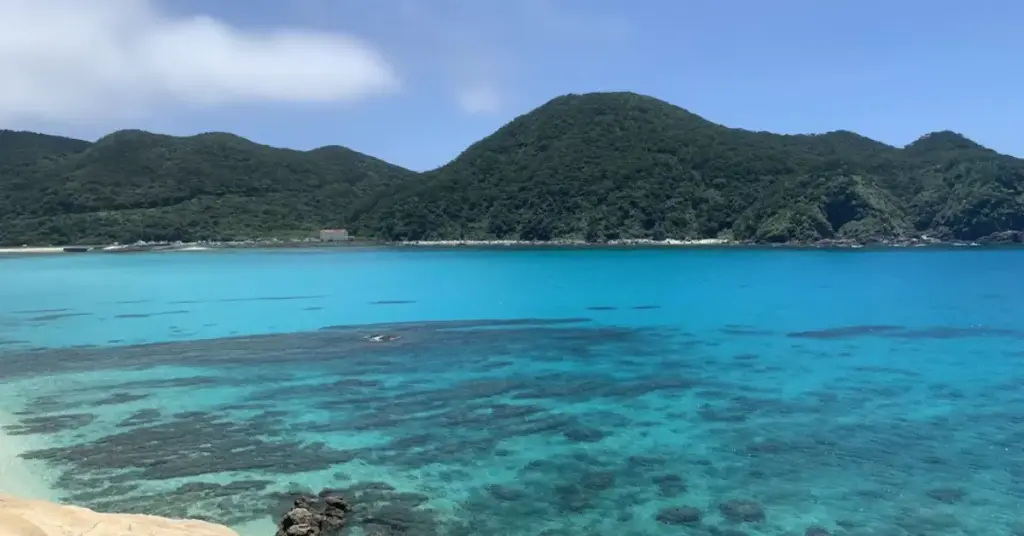
This guide works through Okinawa Japan Beach, island by island, what actually separates one from another, and the practical details, timing, getting around, and culture that make the difference between a good trip here and a genuinely great one.
What Makes Okinawa Different From The Rest Of Japan
Okinawa sits roughly a thousand kilometers southwest of mainland Japan, closer to Taiwan than to Tokyo, and that distance shows up in everything from the climate to the culture. Average temperatures hover around a mild twenty-three degrees year-round, and the water surrounding these islands runs a clear turquoise more associated with the Caribbean than anywhere most people picture in Japan. Until the late 1800s, Okinawa was an independent kingdom, the Ryukyu Kingdom, with its own language, cuisine, and traditions that still show up clearly today, in food, in music, and in castle ruins scattered across the main island.
What genuinely sets Okinawa apart from other tropical beach destinations in Asia isn’t just the scenery; it’s the combination of that scenery with Japanese standards of infrastructure. Showers, lockers, clean restrooms, and lifeguards are the norm at managed beaches; trains and buses run on time on the main island; and even during the busiest month of the year, many of the beaches covered below feel noticeably quieter than a comparable stretch of sand in Bali or Phuket.
The Main Island: Easiest To Reach, Still Genuinely Good
Most first-time visitors land at Naha Airport on Okinawa’s main island, and it’s worth knowing upfront that the best beaches aren’t clustered near the capital. Naha itself has decent city beaches, but the standout stretches of sand sit further north, around the Motobu Peninsula and beyond, generally an hour to ninety minutes by rental car.
Emerald Beach, near the Okinawa Churaumi Aquarium in the north, earns its name honestly, and it’s one of the more family-friendly options on the main island thanks to shallow, calm water and strong facilities. Manza Beach, further along the west coast, pairs a striking coral reef with a cluster of resort hotels, making it a solid choice for travelers who want beach access without straying far from their accommodation. Okuma, tucked into the island’s quieter northern tip, trades some convenience for a noticeably more relaxed, less developed feel than the resort-heavy stretches closer to the airport.
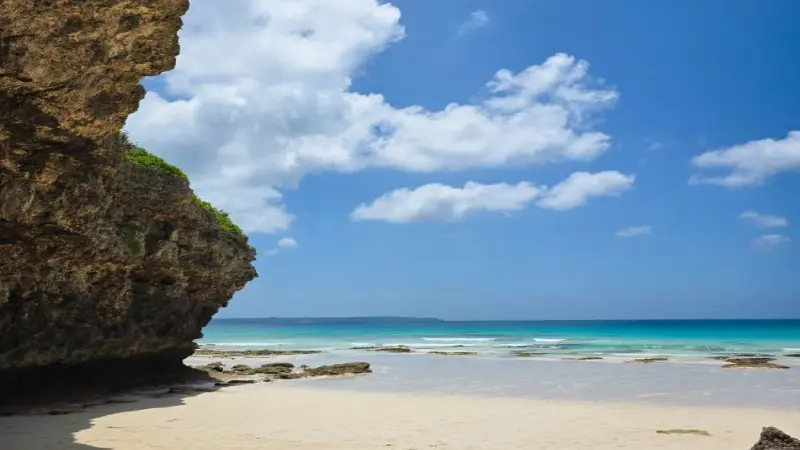
One honest note worth flagging before you book anything, basing yourself in Naha for the entire trip means most of the best beaches sit ninety minutes away by car in each direction. A lot of first time visitors underestimate this and end up spending more of their trip driving than they expected. Renting a car and either splitting your stay between the south and the north, or simply committing to the drive time, tends to produce a noticeably better trip than trying to beach hop from a single central base.
The Kerama Islands: Okinawa’s Snorkeling Heartland
A thirty five to fifty minute high speed ferry from Naha Port puts you in the Kerama Islands, and if snorkeling or diving is any part of the reason you’re considering Okinawa, this is genuinely worth building a day, or better yet an overnight stay, around. Tokashiki Island is the most accessible of the group and consistently rated among the top activities in the entire prefecture, largely thanks to shallow, clear water where sea turtles show up reliably enough that sightings feel almost guaranteed rather than lucky.
Aka Island, a short hop from Tokashiki, offers similarly excellent water at Nishibama Beach, along with strong diving further offshore for visitors looking to go beyond snorkeling. A day trip from Naha is genuinely feasible, leave in the morning, spend a few hours in the water, and be back by evening, but staying overnight rewards you with quieter beaches once the day trip crowds have gone home, along with noticeably better light for photos in the early morning and late afternoon.
Miyako Island: The Beach That Put Okinawa On The Map
If you’ve seen a single photo of an Okinawan beach that made you stop scrolling, there’s a decent chance it was Yonaha Maehama on Miyako Island. Frequently ranked among the best white sand beaches in East Asia, it’s a genuinely long, wide stretch of powder soft sand backed by water that shifts through nearly every shade of blue depending on the light. Miyako itself is compact enough to explore by rental car or bicycle over three to four days, and its relative remoteness compared to the main island keeps crowds meaningfully thinner even during peak season.
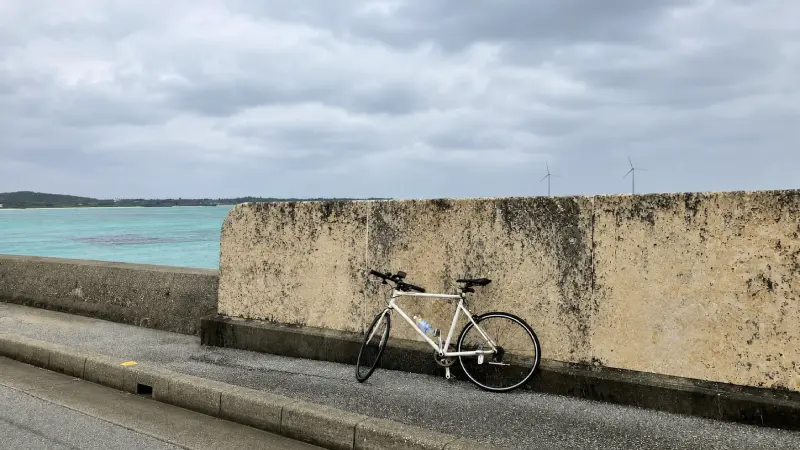
Beyond the beach itself, Miyako’s surrounding waters offer some of the clearest, most consistent snorkeling conditions in the entire prefecture, and several smaller bridge connected islands nearby are worth a slow half day of exploring if you want a break from lying on the sand.
The Yaeyama Islands: Ishigaki, Iriomote And Kabira Bay
Further south and considerably more remote sit the Yaeyama Islands, and they reward travelers with more time to spend. Ishigaki serves as the main gateway, reachable by direct flight from Tokyo or Osaka, and Kabira Bay on its northern coast is worth the detour alone, glass clear water in shades of blue and green striking enough that swimming is actually restricted in parts of the bay specifically to protect the marine life beneath it, with glass bottom boat tours offering the best way to actually see it up close.
Iriomote, a short ferry ride from Ishigaki, trades beach time for jungle, mangrove kayaking, dense rainforest trails, and a genuinely wild feel that’s rare anywhere in Japan. It’s worth at least two dedicated days on its own rather than a rushed day trip, and pairing Ishigaki’s beaches with Iriomote’s jungle interior makes for one of the more varied few days available anywhere in Okinawa.
READ MORE: Best Time To Visit Japan: A Season By Season Guide (2026)
Getting There And Getting Around
Direct flights connect Naha Airport with most major cities in mainland Japan, generally around two and a half hours from Tokyo, and budget carriers keep fares reasonable if booked a few weeks ahead. The outer islands add a layer of planning worth accounting for; Ishigaki has direct flights from Tokyo and Osaka along with seasonal service to Miyako, while reaching the Kerama Islands specifically requires a ferry from Naha rather than a flight.
Once you’ve landed, a rental car is genuinely the practical choice almost everywhere in Okinawa outside central Naha. Public buses exist but run infrequently once you’re away from the main urban corridor, and the islands’ best beaches are rarely a short walk from anywhere useful without your own transport.
When To Actually Go
Okinawa’s swimming season runs roughly April through October, but a few windows within that stand out clearly. April through June offers pleasant, warm weather without the peak humidity or crowds of high summer, making it one of the strongest overall windows for a beach-focused trip. Spring rains do pass through during May and June, but they tend to be brief and don’t meaningfully disrupt a trip, mostly just adding a bit of extra lushness to the scenery.
July and August bring the warmest water and the busiest beaches, since Japanese and regional school holidays overlap directly with peak summer, so expect higher prices and more competition for beachfront accommodation if you’re traveling during these two months specifically. September through November offers a genuinely underrated second window, warm water, thinner crowds once summer holidays end, and generally lower prices, though typhoon risk runs highest during the tail end of summer into early autumn and is worth checking closer to your travel dates.
Food And Culture Worth Building Into The Trip
Okinawan cuisine stands apart from the rest of Japanese food in ways worth actively seeking out rather than treating as an afterthought. Okinawa soba, a noodle dish distinct from mainland soba despite the shared name, sea grape salad, and slow cooked agu pork are all worth trying at small local spots rather than resort restaurants, and Orion, the local beer, has become something of a symbol of the islands in its own right.
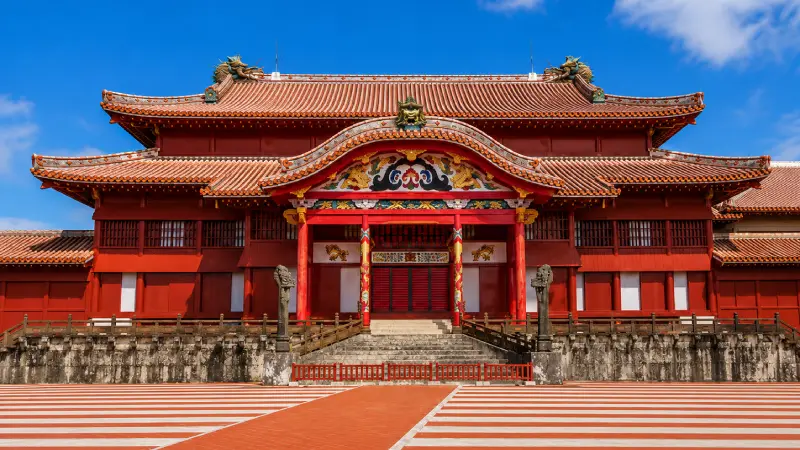
Beyond food, Okinawa’s Ryukyuan heritage shows up clearly at sites like Katsuren Castle, a UNESCO listed ruin with sweeping sea views from its highest point, and Shuri Castle in Naha, rebuilt after a 2019 fire and worth visiting for the history even if the beaches are the main draw. For families specifically, several main island beaches and resorts, including properties near Emerald Beach, run dedicated kids’ programs and offer the kind of shallow, calm water that makes early swimming lessons genuinely manageable.
For current details on ferry schedules, seasonal events and official travel advisories, Visit Okinawa Japan’s official tourism site is maintained directly by the Okinawa Convention and Visitors Bureau, and it’s worth checking before finalizing inter island logistics specifically, since ferry schedules can shift seasonally. Japan’s own national tourism organization also maintains a dedicated Okinawa destination guide with broader trip planning context if you’re combining the islands with a wider Japan itinerary.
Why Travel Insurance Matters For An Okinawa Trip
Between inter island ferries, seasonal typhoon risk running through late summer and early autumn, and the genuinely remote nature of some of the outer islands, an Okinawa trip carries a few specific disruption risks worth covering. A cancelled ferry to the Kerama Islands or a delayed flight to Ishigaki can cascade into a lost hotel night or a missed activity booking in a way that’s easy to underestimate when the rest of the trip feels as smooth and well organized as Japan generally is.
A basic travel insurance policy covering trip interruption, cancellation and medical costs is worth arranging before you fly, particularly for any itinerary that involves multiple islands or activities like diving that carry their own specific risk profile. Comparing a few policy options against the value of your prepaid ferries, flights and accommodation gives a clearer sense of what level of cover genuinely makes sense for a multi island trip like this.
Packing For The Islands
Reef safe sunscreen is worth prioritizing over a standard formula, since several of Okinawa’s beaches and marine protected areas specifically restrict sunscreen chemicals harmful to coral, and it’s genuinely easier to buy the right kind before you go than to track it down on a smaller island. Water shoes earn their space in the bag too, since a number of the better snorkeling spots involve entering the water over rock or coral rather than pure sand, and bare feet make that entry considerably less pleasant than it needs to be.
A dry bag is worth packing for any day involving ferries or boat trips between islands, and a portable WiFi device or local SIM, easily arranged at Naha Airport on arrival, makes navigating between islands and booking last minute ferry tickets considerably smoother, particularly once you’re away from the main island’s more built up areas.
Frequently Asked Questions
What is the best beach in Okinawa?
Yonaha Maehama on Miyako Island is frequently ranked among the best beaches in East Asia for its long stretch of white sand and clear water, though Emerald Beach on the main island is a strong, more accessible alternative for a shorter trip.
How many days do you need for an Okinawa beach trip?
A main island-only trip works well in three to five days. Adding the Kerama Islands extends that by one to two days, while a fuller trip covering Miyako or the Yaeyama Islands realistically needs a week or more given inter-island travel time.
Is Okinawa good for snorkeling?
Yes, particularly the Kerama Islands and the waters around Miyako, both known for clear visibility and reliable sightings of sea turtles and coral reef life close to shore.
What is the best time of year to visit Okinawa?
April through June and September through November both offer strong combinations of warm weather and thinner crowds, while July and August bring the warmest water alongside peak season prices and crowds.
Do I need a rental car in Okinawa?
Almost certainly, outside central Naha. Public transport becomes sparse once you’re away from the main urban area, and most of the best beaches sit well beyond convenient bus routes.
Is travel insurance necessary for an Okinawa trip?
It isn’t required, but it’s worth having given the typhoon season risk, inter-island ferry logistics, and the value of prepaid bookings that a multi-island itinerary typically involves.
Final Thoughts
Okinawa’s sudden surge in attention makes sense the moment you actually look at what’s on offer: turquoise water and white sand that genuinely rival better-known tropical destinations, wrapped in the kind of infrastructure, safety, and cultural depth that only comes from being part of Japan. It rewards a bit of extra planning, a rental car, a ferry schedule checked in advance, and a realistic sense of how spread out the islands actually are, but that planning pays off in a beach trip that feels distinctly different from anywhere else in the region. If Japan has been on the list but the idea of beaches never quite fit that picture, Okinawa is exactly the reason to reconsider.



[…] Budget travelers, staying in hostels or capsule hotels and eating mostly street food, should expect somewhere around 8,000 to 12,000 yen a day, roughly 55 to 80 US dollars, covering accommodation, food, local transit, and one or two low-cost sights. […]