
Best Time To Visit Japan: A Season By Season Guide (2026)

Ask five people when to visit Japan and you’ll usually get five confident, slightly different answers. Someone will say cherry blossom season without hesitation. Someone else will push back and say autumn is actually better. A third person, usually one who’s been more than once, will tell you winter in Kyoto is the real secret. All three are right, which is exactly the problem. Japan doesn’t have one correct season; it has several genuinely excellent ones that each deliver something completely different, and the best time for your specific trip depends on what you’re actually optimizing for.
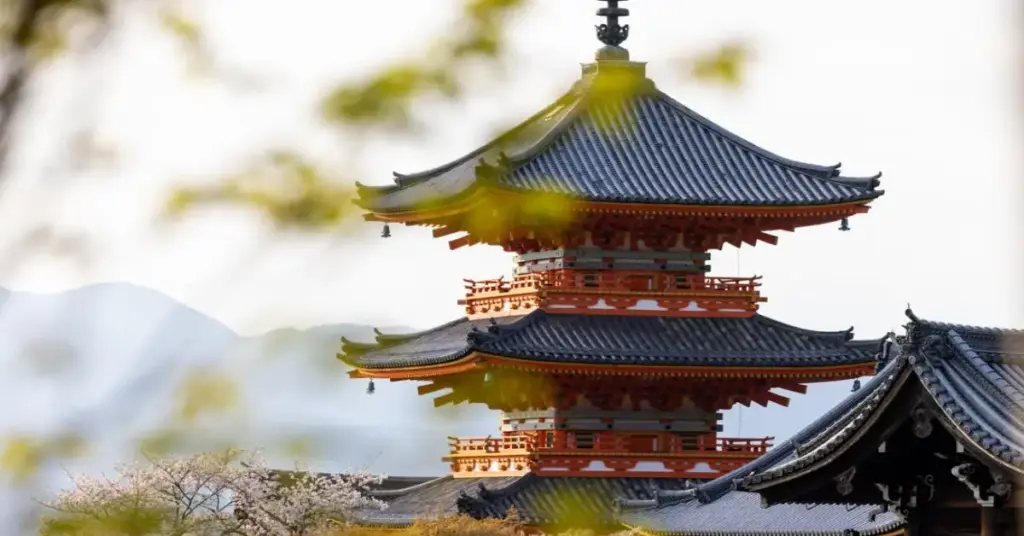
This guide breaks Japan down season by season and month by month, covering weather, crowds, cost, and what each window is actually good for, so you can pick based on what matters to you rather than just defaulting to whichever season shows up first in a Google search.
Spring: The Season Everyone Pictures First
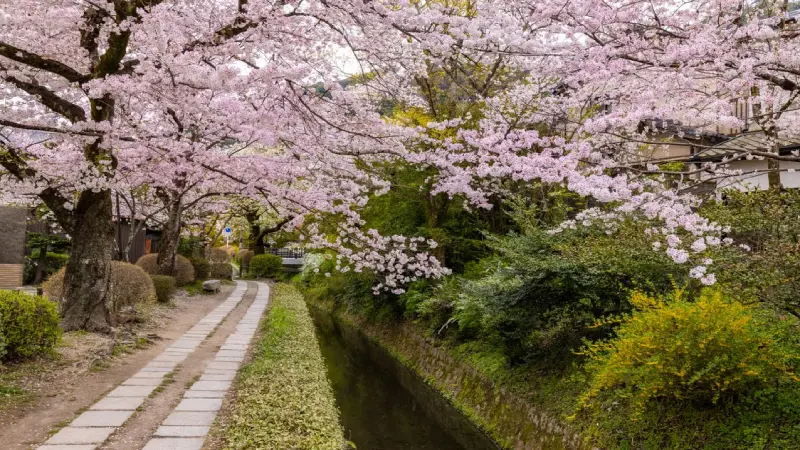
Spring is Japan’s most famous season for a reason, and cherry blossoms genuinely earn the hype once you’ve seen them in person rather than just in photos. The sakura front moves north through the country starting in late March, typically hitting Tokyo and Kyoto in the final week of March or the first week of April, though the exact timing shifts slightly every year depending on that winter’s weather.
Peak bloom at any single location lasts only about a week to ten days, which is precisely why this season gets so crowded and so expensive. Hotels in Kyoto during peak bloom can run two to three times their normal rate, popular temples fill up before opening hours even begin, and trains between major cities book out well in advance. If cherry blossoms are the entire reason for your trip, it’s worth building real flexibility into your dates rather than locking in a fixed itinerary months ahead, since the bloom simply won’t cooperate with a rigid schedule.
Late April through May offers a genuinely underrated alternative for travelers who want spring’s mild weather without the sakura chaos. The blossoms have faded by then, but fresh greenery, wisteria, and azaleas take over, and the crowds thin out noticeably once the specific week or two of peak bloom has passed. The one date worth actively avoiding regardless of your plans is Golden Week, a string of national holidays running from late April into early May, when domestic travel demand spikes and both trains and accommodation get genuinely difficult to book last minute.
Summer: Humid, Loud, And Not For Everyone
June brings Japan’s rainy season, tsuyu, which runs through most of Honshu until mid-July and brings a level of humidity that surprises a lot of first-time visitors who weren’t expecting Japan to feel tropical. July and August push temperatures and humidity even higher, and typhoon season adds a real chance of travel disruption, particularly in the southern and coastal regions.
Despite all that, summer isn’t without its appeal. Japan’s festival calendar is at its busiest during these months, with major events like Kyoto’s Gion Matsuri and countless local fireworks festivals giving the season a genuine energy that quieter months don’t have. Hokkaido, in the far north, largely escapes the worst of the heat and humidity, making it a strong summer-specific destination for travelers who want to avoid the discomfort further south while still visiting during these months. Travelers prioritizing comfort over festival culture generally do better avoiding this window entirely, but it’s genuinely not a wasted trip if summer is the only time your schedule allows.
Autumn: A Genuinely Strong Case For Second Place
Autumn deserves more credit than it often gets in the spring versus autumn debate, and a growing number of experienced Japan travelers now argue it’s actually the better overall choice. The foliage season, koyo, runs opposite to the cherry blossom front, starting in Hokkaido in early October and working its way south, reaching Tokyo and Kyoto by mid- to late November.
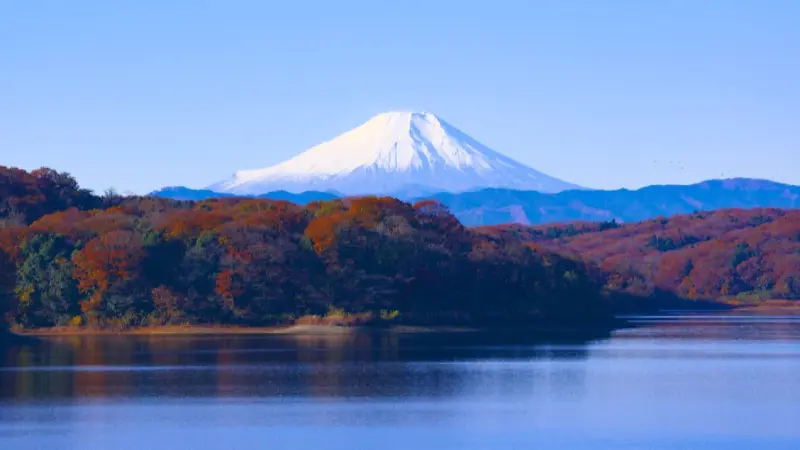
What makes autumn genuinely competitive with spring is duration. Where peak cherry blossom lasts barely a week at any single spot, foliage season stretches across four to six weeks nationally, since you can chase the colors as they move south or simply pick a region and enjoy a longer viewing window without the same knife-edge timing pressure. The weather during autumn tends to be more stable too, with mild temperatures, clearer skies, and considerably less humidity than in summer, making it genuinely pleasant for the walking and outdoor sightseeing that a lot of Japan travel involves. Kyoto in particular becomes extremely crowded during peak foliage weekends in mid- to late November, so visiting temples before nine in the morning or picking weekdays over weekends makes a real difference here.
Tohoku, the less visited northeastern region of Honshu, is worth specific mention for autumn travelers. Its foliage peaks earlier than Tokyo and Kyoto, generally mid- to late October, and it delivers dramatic mountain and lake scenery with a fraction of the crowds you’ll find further south during the same weeks.
Winter: Japan’s Most Overlooked Season
Winter gets dismissed too quickly by a lot of first-time visitors, and that’s genuinely a missed opportunity. December brings noticeably smaller crowds to major cities along with elaborate winter illuminations that turn Tokyo and Osaka into something worth seeing after dark specifically. January and February are the coldest months across most of the country, but that cold comes with real upside: ski season in Hokkaido and Nagano hits its stride, onsen towns are genuinely at their best with snow falling around a hot spring bath, and Kyoto’s usually packed temples become quiet enough that January visits there have developed something of a cult following among repeat travelers.
Okinawa, in the far south, sits largely outside this entire conversation, since its subtropical climate stays mild enough for a beach trip pretty much year round, making it a reasonable winter escape within Japan itself if the rest of the country’s cold doesn’t appeal.
Picking Based On What You Actually Want
If cherry blossoms specifically are the reason for the trip, late March through early April is nonnegotiable, and building extra flexibility into exact dates matters more than almost any other planning decision you’ll make. If foliage is the draw instead, mid-October in Hokkaido or Tohoku, or mid-November in Kyoto and Tokyo, both deliver strongly, with the northern option offering noticeably fewer crowds.
Travelers optimizing purely for value should look at June, outside the worst of the rainy season’s timing in a given year, or January and February, when hotel prices drop substantially outside the New Year holiday week specifically. For a first-time visitor trying to balance weather, crowds, and cost without leaning hard into any one extreme, late April or October consistently come out as the strongest all-around choices, delivering comfortable temperatures and reasonable crowd levels without the price spikes that peak cherry blossom or peak foliage weekends bring.
A Few Dates Worth Building Your Trip Around Or Away From
New Year’s week, running from late December through the first week of January, sees many smaller businesses and restaurants close for several days, and domestic travel demand pushes both transport and accommodation prices up noticeably. Golden Week, that late April into early May holiday stretch mentioned earlier, creates similar pressure on trains and hotels nationwide. Obon, in mid-August, is a major domestic holiday period when many Japanese families travel to their hometowns, which again tightens up transport availability during an already hot, humid stretch of the calendar.
Outside these specific windows, Japan’s infrastructure handles tourist volume well enough that timing mostly comes down to weather and seasonal scenery rather than logistics.
What Timing Does To Your Budget
Accommodation costs swing more dramatically with the season in Japan than in a lot of destinations, and it’s worth planning around this rather than being surprised by it. Peak cherry blossom and peak autumn foliage weekends in Kyoto specifically can run two to three times the rate of a quiet January or June stay at the exact same property. Flights follow a similar pattern, with New Year’s week and Golden Week both pushing international airfares up noticeably compared to the shoulder months surrounding them.
Rail costs stay fairly consistent regardless of season, since Shinkansen and regional train pricing doesn’t fluctuate with tourist demand the way hotels and flights do, which means a well-timed trip mostly saves money on accommodation and airfare rather than on getting around once you’re there. For the most current weather patterns and seasonal guidance directly from Japan’s own tourism authority, JNTO’s official weather and geography guide is worth checking before finalizing dates, since it’s updated by the country’s national tourism organization rather than a third-party aggregator working from historical averages alone.
Practical Notes Regardless Of When You Go
Packing needs to shift more dramatically by season in Japan than a lot of first-time visitors expect, given how distinct the four seasons genuinely are here. Spring and autumn both call for layers, since mornings and evenings run noticeably cooler than a warm afternoon might suggest. Summer demands genuinely lightweight, breathable clothing given the humidity, and winter in most of the country beyond Okinawa requires real cold weather gear, particularly if any part of the itinerary heads toward Hokkaido or the mountainous interior.
Visa requirements and entry rules are worth confirming well ahead of booking regardless of season, since they can shift and vary considerably by nationality. JNTO’s official visa information page covers current requirements directly, and checking it before finalizing flights avoids any last-minute surprises at the airport.
Why Travel Insurance Matters More Than The Season Suggests
Regardless of which season you choose, Japan’s weather carries a genuine trip disruption risk worth planning around. Typhoon season overlaps with a chunk of summer and early autumn, and heavy snowfall in winter occasionally closes roads and delays rail services in the north and along the Japan Sea coast. Even outside those specific risks, a multi-city Japan itinerary typically involves several prepaid hotel nights, rail bookings, and sometimes advance tickets for popular sights, all of which represent real financial exposure if a flight gets delayed or a leg of the trip needs to change.
A basic travel insurance policy covering trip cancellation, interruption, and medical costs is worth arranging before you fly, and it’s particularly worth doing for any trip planned around a tight seasonal window like peak cherry blossom or peak foliage, where a missed day can mean missing the specific thing the whole trip was built around.
Timing Shifts Depending On Which Region You’re Visiting
Japan stretches far enough from north to south that a single national answer to “best time to visit” only tells part of the story. Hokkaido runs noticeably cooler than the rest of the country year round, which makes it a genuine summer escape when Honshu is uncomfortably humid, and its ski season, running roughly December through March, is considered among the best powder skiing anywhere in the world. Okinawa sits at the opposite extreme, with a subtropical climate that stays warm enough for beach travel across most of the year, making it worth considering specifically for winter travelers chasing sun rather than snow.
Central Honshu, covering Tokyo, Kyoto, Osaka, and the areas most first-time visitors focus on, follows the general seasonal pattern described throughout this guide fairly closely. Kyushu, in the south, runs slightly warmer than Honshu across every season, which shifts its cherry blossom timing a week or two earlier and makes its winters noticeably milder. If your itinerary spans multiple regions, it’s worth checking timing for each specific stop rather than assuming a single seasonal recommendation applies evenly across the whole country.
Final Thoughts
Japan doesn’t really have a wrong time to visit, so much as it has different trips depending on when you go, and the sooner you decide what you’re actually optimizing for weather, crowds, cost, or a specific seasonal spectacle, the easier the rest of the planning becomes. Chase the cherry blossoms if that’s genuinely the trip you want, but don’t feel like autumn, winter, or even a well-timed summer visit is settling for less. Each one delivers a distinctly different version of the country, and all of them are worth the trip.
Frequently Asked Questions
What is the single best month to visit Japan?
There isn’t one universal answer, but late March to early April for cherry blossoms and October to mid-November for autumn foliage are the two months most consistently recommended, each delivering Japan at its most visually striking.
Is spring or autumn better for a first visit to Japan?
Both are excellent. Spring offers the iconic cherry blossom experience but comes with tighter timing and higher costs, while autumn offers a longer viewing window, more stable weather, and generally lower prices for a comparable experience.
When is the cheapest time to visit Japan?
June, outside the heaviest rainy season weeks, and January through February, outside the New Year holiday week, both offer noticeably lower accommodation and flight prices than the peak spring and autumn windows.
Is Japan too crowded during cherry blossom season?
It can be, particularly in Kyoto and at famous viewing spots during the specific peak week. Visiting popular temples early in the morning and building flexibility into your travel dates both help manage this.
What is the best time to visit Japan for good weather without huge crowds?
Late April, after cherry blossoms fade but before Golden Week, and October, before peak foliage crowds arrive in Kyoto and Tokyo, both offer a strong balance of comfortable weather and manageable crowd levels.
Is winter worth considering for a Japan trip?
Yes, particularly for skiing in Hokkaido and Nagano, onsen trips, and noticeably quieter visits to normally packed cities like Kyoto, provided you’re prepared for genuinely cold temperatures outside Okinawa.



[…] READ MORE: Best Time To Visit Japan: A Season By Season Guide (2026) […]
[…] certified instructors are the norm rather than the exception at ski schools here, a genuine advantage for visitors nervous about a language barrier getting in the way of […]