Scottish Highlands Wildlife Tour Guide 2026: What To See, When To Go And How To Book

Most people come to the Highlands for the scenery. They leave talking about the animals. A stag roaring across a glen at dawn. A dolphin breaking the surface a few metres from a shingle beach. An eagle that turns out to be almost as tall as a toddler. Britain’s wildlife is at its best up here and you don’t need to be a birdwatcher to enjoy it.
This guide covers what you can realistically see and where. It also covers when to go and what tours cost in 2026. And how to choose a guide who actually gets you in the right place at the right time. I pulled it together from tour operators, VisitScotland, and wildlife specialists so the prices and dates are current.
One note on timing. It’s October 2026 as I write this. Most small group departures for this year have already run. So treat this as a guide for the rest of the autumn and winter and as a planning tool for 2027.
The Animals You’ll Actually See
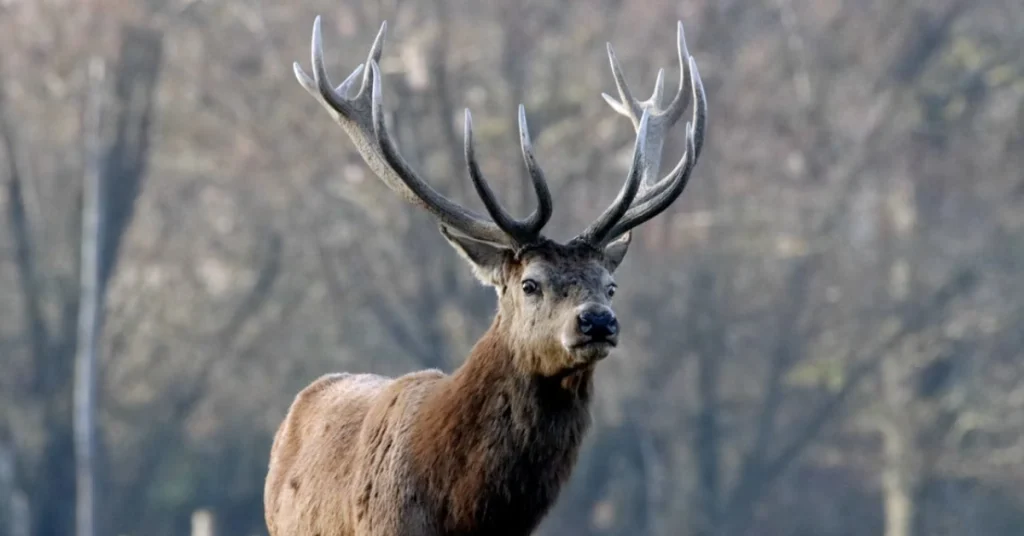
Scotland’s tourism people like to talk about the Big 5. Red deer. Common seals. Otters. Eagles. Harbour porpoises. It’s a fun framework because all five are genuinely findable with a bit of effort. Estimates put Scotland’s red deer at around 400,000. Eagles stay in the Highlands and Islands all year. Seals and otters are regulars along the west coast.
Then there are the animals that take more work. Pine martens. Wildcats. Mountain hares. Basking sharks. Minke whales. These are the ones that make a guide worth paying for.
Don’t expect a safari in the African sense. There are no jeeps racing across plains. The best sightings come from patience. A hide at dusk. A boat on a rising tide. A walk before breakfast. The reward is that nothing here is fenced in.
The Cairngorms
The Cairngorms is the largest national park in the UK. It’s a high plateau ringed by ancient Caledonian pine forest. It feels closer to the Arctic than anywhere else in Britain. That matters because the wildlife here is unusual.
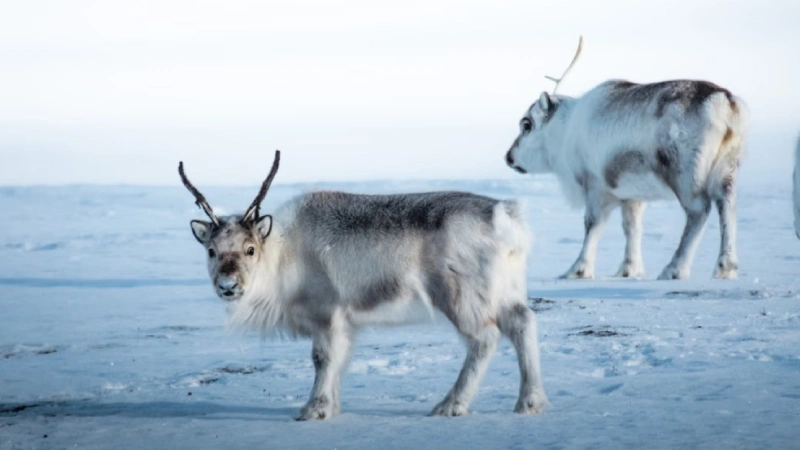
Golden eagles hunt the mountains and moorland. Red squirrels live in the pine woods. Mountain hares live higher up, and ptarmigan too. A free ranging herd of reindeer lives in the hills. In spring black grouse put on their strange courtship displays at dawn. Beavers have returned to parts of the region.
Aviemore is the obvious base. Guided 4×4 wildlife safaris leave from the town and run from four hours to a full day. Operators here know where the eagles nest and where the grouse display. Birding trips from the Strathspey area follow a similar idea.
The Easy Option
If you want a guaranteed sighting of something you’d never see in the wild, go to Highland Wildlife Park. It’s near Kincraig, about seven miles south of Aviemore. The park is run by the Royal Zoological Society of Scotland. It has more than 200 animals, and the collection mixes native species with rare animals from cold climates. You’ll find the Scottish wildcat here and red squirrels. There are also polar bears.
The park is open every day except Christmas Day and winter hours are shorter. Adult tickets run at roughly £23 to £25 depending on whether you book ahead. Check hours and book on the park’s official site at highlandwildlifepark.org.uk. The wild wildcat is almost impossible to see so this is your best chance.
The Moray Firth And Chanonry Point
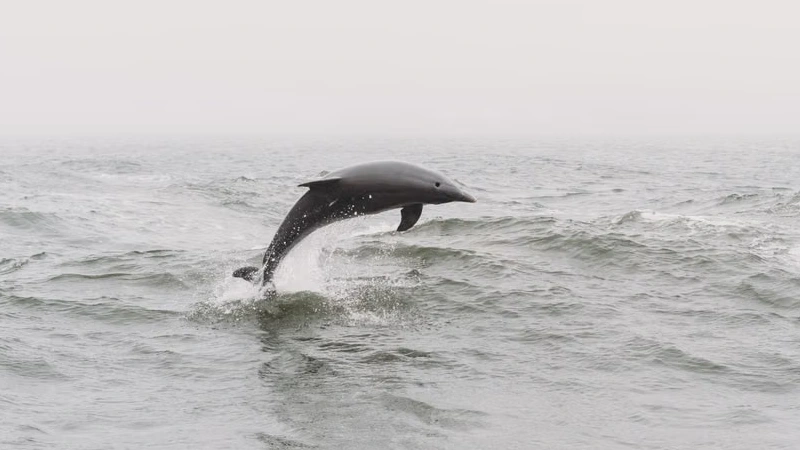
This is the single most reliable wildlife sighting in the Highlands. The Moray Firth is home to a resident population of bottlenose dolphins. Estimates vary between about 130 and 200 animals depending on the source. It’s the most northerly resident pod in the world.
The easiest place to see them is Chanonry Point. It’s a shingle spit about half an hour from Inverness. Dolphins come right up to the shore to chase fish.
Here’s the catch. It runs on the tide and not the clock. The best window is a rising tide. Arrive about 45 minutes before high tide and stay for a couple of hours either side. Check a tide table before you drive out.
If you’d rather be on the water, boat trips leave from Inverness Marina. A two hour cruise runs from April to October. Dress warmly even in summer. The firth is windy.
The West Coast And Inner Hebrides
Head west and the wildlife changes. The coast is ragged and full of sea lochs. Eagles and otters and whales become the headline acts.
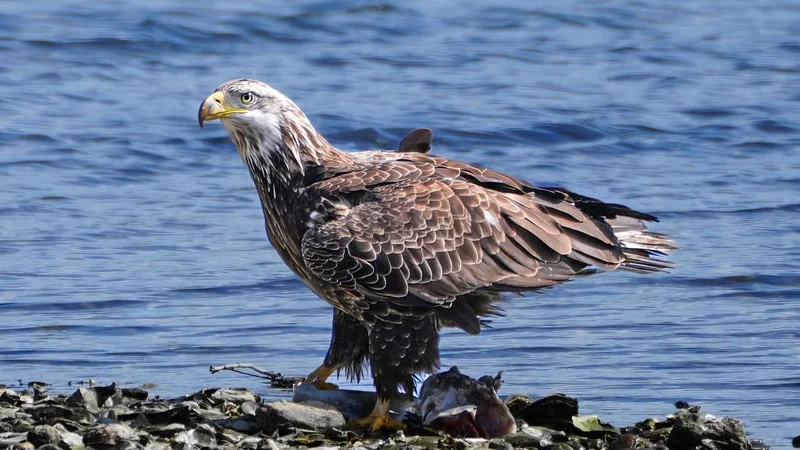
White-tailed eagles are the big draw. They’re almost a metre tall and they hunt along the coast. Mull and Skye give you the best chance. Skye is one of the few places where you might see both white-tailed and golden eagles in a single day. Golden eagles also turn up over Torridon and Glen Affric.
The Ardnamurchan Peninsula is a quieter alternative. It’s home to pine martens and wildcats and golden eagles. Local operators run twilight and night tours there. The same area gets dolphins and porpoises offshore and sometimes basking sharks.
Basking sharks are the biggest fish in the UK. They’re harmless plankton feeders, and they cruise close to the west coast between April and October. Boat trips from Oban start at about £80.
On the water you’ll also find wildlife trips around Seil Island south of Oban. These run three to five hours between April and October. They pass the Corryvreckan whirlpool, which is the third largest in the world. Further north, Hebridean Whale Cruises leave from Gairloch from mid-April to mid-September and head out into the North Minch. It’s a known feeding ground for whales and dolphins.
If you’re picturing a honeymoon with some wildlife thrown in then Skye and the Cairngorms feature in our UK honeymoon destinations guide.
Autumn And The Red Deer Rut
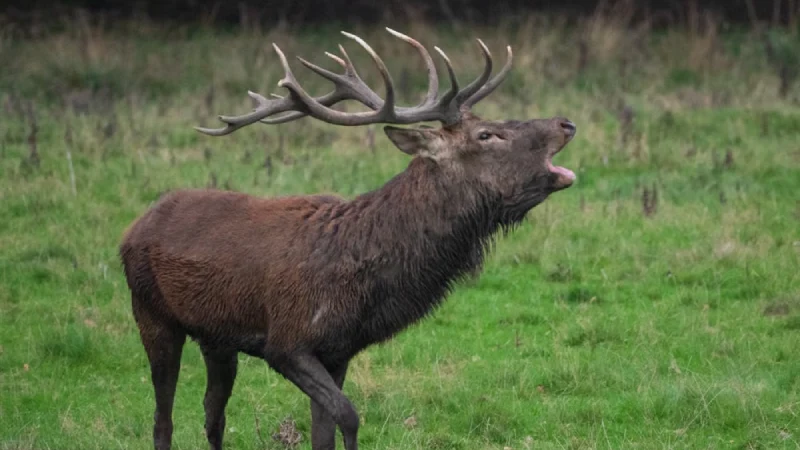
Autumn is when the Highlands get loud. From late September to the end of October red deer stags gather their hinds and roar across the glens. Two stags might lock antlers in a fight. The sound carries for miles.
This is the easiest big wildlife show in Scotland. Red deer live in the mountains all year. In autumn they’re right out in the open.
Rut safaris run daily through the season. Dawn trips catch the best of the action. A Fort William operator charges £375 for up to six people on a four and a half to five hour trip. That works out cheap for a small group. A half day option focuses on otters and finishes with a view of Ben Nevis.
There’s also a four night Big 5 cruise out of Oban in September and October. It’s one of the few organised wildlife trips that run this late. If you’re reading this in October then the rut is happening right now.
Winter Wildlife
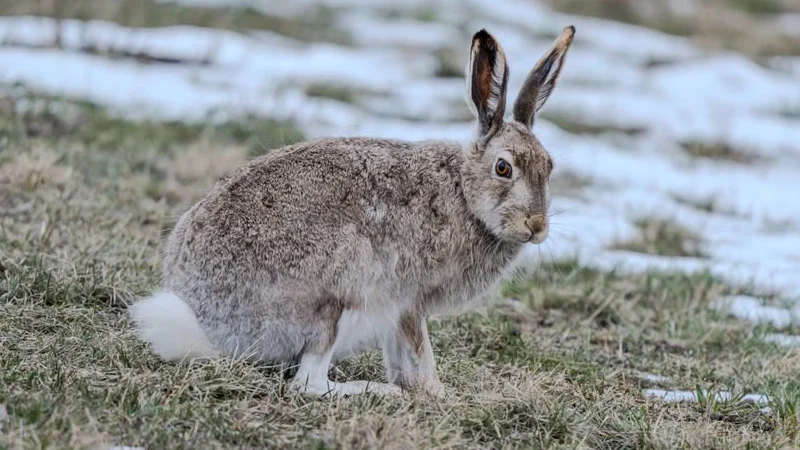
Winter gets overlooked and that’s a mistake. Crowds vanish and some animals change their look to blend in with the snow. Mountain hares and ptarmigan turn white. Red deer come down the hillsides and sometimes end up beside the road. Whooper swans arrive on the lochs. The reindeer are easier to find too.
Days are short and weather can be rough. Some roads close. But a five day winter wildlife trip based in Kingussie starts from around £1,195 and covers red deer and ptarmigan and swans and free ranging reindeer. It’s a different kind of trip. Pack properly and expect a lot of cold mornings.
A Month By Month Look
| When | What to look for |
|---|---|
| March to April | Puffins start returning, and ospreys arrive in April. Black grouse display at dawn. Boat trips and basking shark season begin in April |
| May to June | Peak time for puffins and nesting seabirds. June is often called the best month overall for weather and wildlife. Orcas show up from May |
| July to August | Dolphins are at their busiest. Great skuas nest on Handa. Midges are at their worst |
| September | Whale and dolphin season fades. The rut begins in the last week |
| October | Rut continues to the end of the month. Most organised tours wind down |
| November to March | Ptarmigan and mountain hares in white coats. Reindeer and whooper swans. Fewer tours run |
If puffins or dolphins are your priority go before September. If you want deer go in autumn.
What It Costs In 2026
Prices depend on how long you’re out and whether you’re in a group.
Short outings are cheap. Booking platforms list a Highland Wildlife Park ticket from about $28. A one hour loch safari speedboat trip from Fort William starts at about $47. A two hour cruise near Glenfinnan to see eagles and the famous viaduct train starts at around the same. A private one hour nature safari near Gairloch costs about $81 for a group of up to twelve.
Guided day trips cost more. A day of birding with a local guide in the Moray area starts at £140. The Fort William deer rut trip is £375 per vehicle. Basking shark trips from Oban start at about £80.
Multi day trips are where the money is. Wilderness Scotland’s seven day Highlands wildlife holiday was priced at £2,595 for its 2026 departures. All meals were included. A six day rewilding trip in the Cairngorms starts at £1,895 excluding flights. A tailor made nine day whale and wildlife holiday runs £2,995 to £3,650. Seven day wildlife cruises on the west coast run £2,510 to £2,900.
Most 2026 small group dates have already gone. Operators are now filling 2027. One cruise operator lists April, May, August, and September departures. A naturalist tour company has a Highlands and Islands trip planned for June 2027. Book early because small group places sell out.
Choosing A Guide Or A Tour
First decide what you want to see. A Cairngorms safari and a whale cruise are very different trips.
Look for small groups. Twelve is a sensible ceiling. More people means more noise and fewer sightings.
Pick local guides. Someone who lives in the area knows which glen the stag uses and which headland the otters prefer. The best reviews mention guides by name.
Ask boat operators about their wildlife code. Reputable skippers follow the Scottish Marine Wildlife Watching Code. They keep a safe distance and don’t chase animals.
Check what’s included. Some multi day trips include all meals. Others don’t. Some require you to arrive on your own.
VisitScotland keeps a list of vetted operators. Their wildlife tours page is a good place to start comparing.
Midges, Weather And What To Pack
Midges are small biting flies and they can ruin a calm damp evening between late spring and early autumn. They’re worst at dawn and dusk. Bring a head net and repellent. Wind keeps them away.
Layers matter. The Highlands change fast. A sunny morning can turn into rain by lunch. Waterproofs are essential. So are proper boots.
Pack binoculars. They make a bigger difference than a camera. Good ones turn a distant speck into an eagle.
In winter add warm layers and a torch. Roads can be icy and daylight is short.
Watching Wildlife The Right Way
Keep your distance. Never feed an animal. Stay on paths and use hides when you can.
Disturbing nesting birds like eagles and ospreys can be a criminal offence in Scotland. If a bird looks stressed back away.
Keep dogs on a lead in wildlife areas. Follow the Scottish Outdoor Access Code on open land.
Be quiet. The best sightings go to the people who sit still.
Getting There And Around
Inverness is the main gateway for the northern Highlands. Fort William suits the west coast. Aviemore works for the Cairngorms.
A hire car is the most flexible way to travel. Many roads are single track with passing places. Pull in to let others pass and don’t park in them. Allow more time than the map suggests.
Trains and buses cover the main towns but won’t reach every glen. That’s where a guided tour with transport helps.
If you plan to add coast days then our guide to the best beaches in the UK covers white sand bays in the north west Highlands.
Why Insurance Matters
A wildlife trip often means boats and hill tracks and remote roads. Weather can delay ferries and flights in winter. Check that your policy covers the activities you’ve booked and cancellation if travel is disrupted.
Visitors from overseas may be charged for some NHS treatment so medical cover still matters. If you’re comparing wildlife trips across countries our Australia wildlife safari guide covers the same insurance questions for remote areas.
FAQ
When is the best time for Highlands wildlife?
June is often the best all round month. Autumn is best for the red deer rut. Puffins and dolphins are best before September.
Where can I see dolphins in the Highlands?
Chanonry Point near Inverness is the easiest spot. Go on a rising tide about 45 minutes before high water.
Can I see golden eagles in the Highlands?
Yes. The Cairngorms and the western Highlands are the best places. Skye gives you a chance to see golden and white-tailed eagles on the same day.
How much does a wildlife tour cost?
Short trips can cost under £50. A guided day costs about £140 to £375. Multi day trips start around £1,200 and go past £3,000.
Are there wildlife tours in winter?
Yes. A five day winter trip from Kingussie starts at about £1,195. Most boat trips stop in autumn.
Final Thoughts
The Highlands don’t hand you wildlife on a plate. You earn it with early starts and cold hands and a lot of waiting. That’s why it feels so good when it works. Pick one area and stay a few days. Time your visit for the animal you most want to see. Book a guide who knows the ground. Then be quiet and look. The stag in the mist is worth the early alarm.