
Dubai Road Trip To Oman: The Complete 2026 Guide

You can fly from Dubai to Muscat in an hour. Dubai Road Trip To Oman Most people do. But the drive is where this trip actually gets good. You leave the glass towers behind, climb into the Hajar Mountains, and land in a country that feels nothing like the one you just left. Same peninsula. Completely different pace.
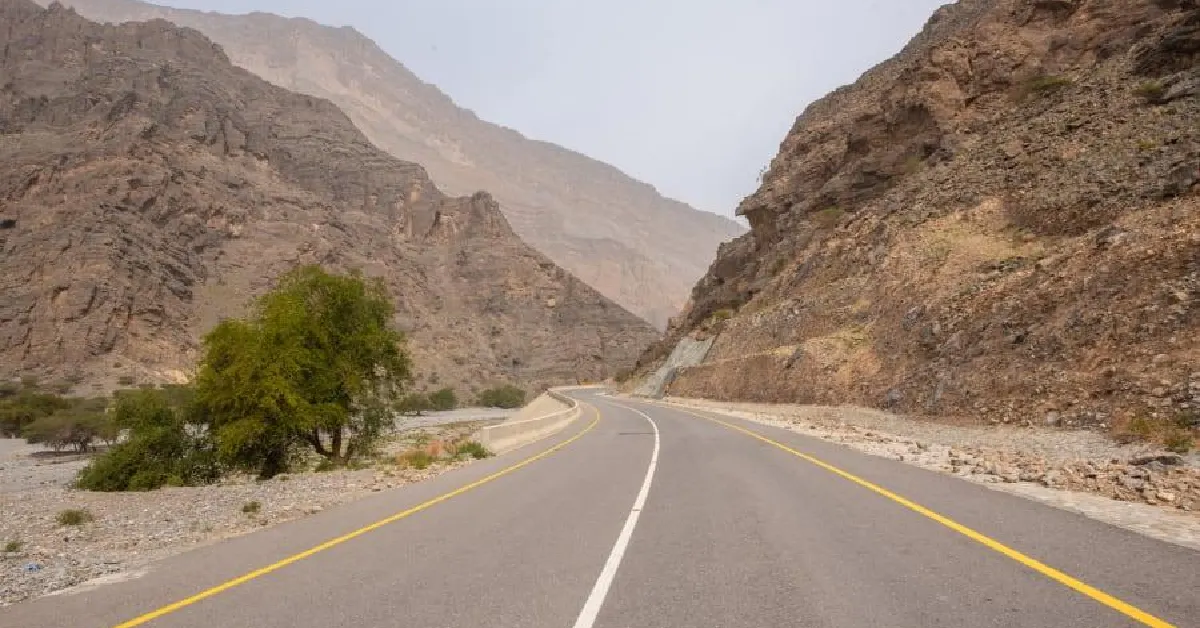
This guide covers everything you need before you go. Which border to use. What documents to carry. How long the drive actually takes. And a few things that trip up first timers every single time.
Why Drive Instead Of Fly
A flight gets you there fast. It also skips the whole point. Oman’s northern mountains, the winding pass roads, the small towns along the way, none of that shows up from a plane window.
Cost matters too. A short flight plus a rental car in Muscat adds up fast. Driving your own car from Dubai, once you’ve paid the small crossing fees, is usually cheaper for a family or a group. And you keep the car the whole time. No handoffs, no waiting at a rental counter.
What You Actually Need Before You Leave
Start with the basics. Bring your passport. It needs at least six months of validity left. If you’re a UAE resident, bring your Emirates ID and your UAE residence visa too.
For the car, you need the Mulkiya. That’s the vehicle registration card, and it has to be in your name or the name of whoever is driving. Bring your UAE driving licence. An International Driving Permit isn’t always asked for, but pack one anyway. It saves arguments at the border.
Insurance is the part people forget. Your UAE car insurance does not automatically cover you in Oman. You need what’s called an Orange Card, a separate policy that extends your coverage across the border. Some UAE insurers issue this in advance. If yours doesn’t, you can buy one right at the crossing. It’s not expensive, and skipping it is not worth the risk.
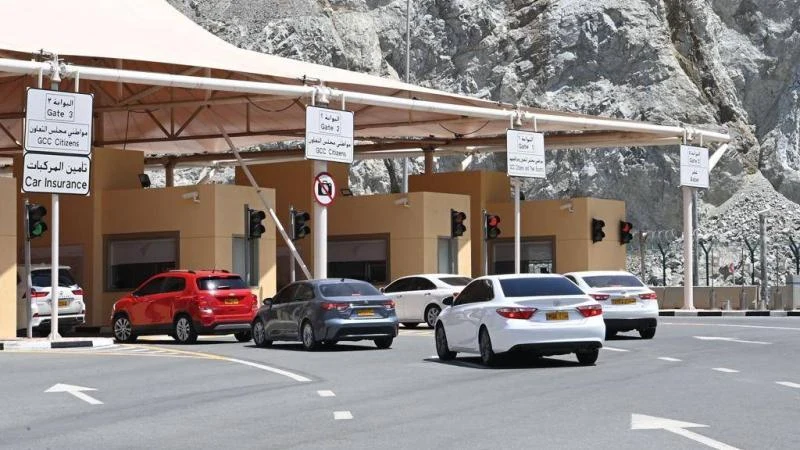
The Oman Visa, Explained Simply
This is where a lot of guides make things sound more complicated than they are.
If you hold a passport from one of 103 eligible countries, you don’t need to apply for anything in advance. You get entry on arrival, and you can stay up to 14 days. Most Western passports fall into this group, along with most GCC nationalities, who face no visa requirement at all.
If your passport isn’t on that list, you’ll need an eVisa before you travel. Apply through the Royal Oman Police’s own portal. Nowhere else. There are private sites that charge a service fee to do the same thing, and some of them are fine, but the only site that’s actually official is evisa.rop.gov.om. Start there first.
Whichever category you fall into, your passport still needs six months of validity from your entry date. Check this before you book anything.
Choosing Your Border Crossing
There are six border crossings between the UAE and Oman that a regular traveller might actually use. Picking the right one depends entirely on where you’re headed.
Hatta to Al Wajajah
This is the one most people use, and for good reason. It sits about 140 kilometres from central Dubai, roughly one hour and forty minutes by car. Crossing itself usually takes thirty minutes to an hour depending on traffic. Once you’re through, you’re on a direct road toward Muscat and the northern half of Oman.
Mezyad to Hafeet
This crossing sits near Al Ain, about 160 kilometres from Dubai and 180 from Abu Dhabi. Take this one if you’re heading toward central or southern Oman. Nizwa sits on this route, and so does the long haul south to Salalah.
Khatm Al Shiklah
Also near Al Ain, and often much quieter than Mezyad. Worth knowing about if you want to avoid a queue, even if it means a slightly longer drive to reach it.
Al Darah, Musandam
This one’s for a completely different trip. It sits on the west coast route toward Khasab, the main town in the Musandam Peninsula. If fjords and dhow cruises are the goal rather than Muscat, this is your crossing.
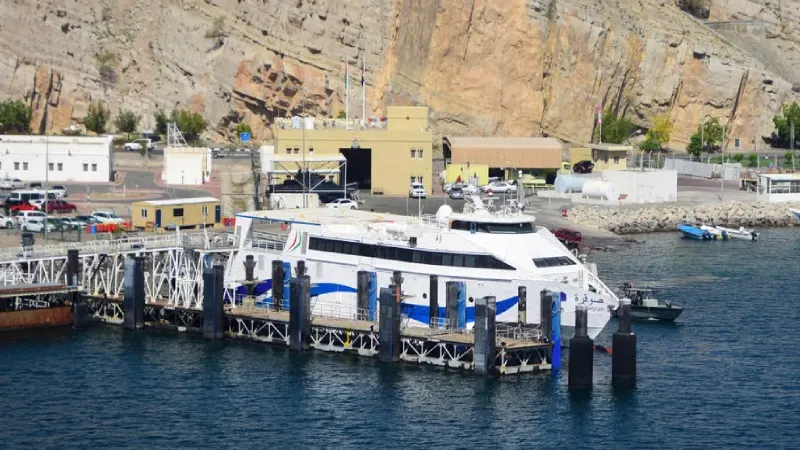
Dibba Checkpoint
The east coast route into Musandam, reached through Fujairah along Route E99. This one lands you in Dibba, on the opposite side of the peninsula from Khasab.
Khatmat Malaha
Located near Kalba in eastern Sharjah. Best for anyone already on the east coast, and it connects through to Sohar and onward to Muscat.
A newer crossing near Fujairah, sometimes called the Wam crossing, opened more recently and offers another option for east coast travelers. Ask locally or check current road signage, since newer crossings don’t always show up yet on every map app.
How Long The Drive Actually Takes
Distances look short on a map of this region. They’re not always short in a car, especially once you count the border stop itself.
Dubai to the border, regardless of which one you pick, runs somewhere between 120 and 160 kilometres. Budget an hour and a half just to reach it.
From there, Dubai to Muscat comes out to roughly 380 kilometres door to door, and that translates to five to six hours, including the crossing. Most of that road is a full highway, well maintained, and easy to drive.
Dubai to Sohar is a shorter trip, about 200 kilometres and two and a half to three hours. Good option if you want a taste of Oman without committing to a full day of driving.
Nizwa sits further inland, around 430 kilometres away, and takes six to seven hours. It’s worth it. Nizwa Fort is one of the most striking pieces of architecture in the country, and the old souq next to it still functions the way it always has.
Salalah is a different kind of trip entirely. It’s over 1,100 kilometres south, deep into Oman’s Dhofar region, and that’s the better part of a full day of driving each way. Most people either fly to Salalah directly or treat it as a separate holiday rather than part of the same road trip.
Fees You’ll Actually Pay
The UAE charges an exit fee of 35 dirhams per person when you leave the country by road. It’s a small amount, but bring it, ideally in cash, since some crossings still prefer it that way.
Beyond that and the Orange Card insurance mentioned earlier, road crossing costs stay genuinely low. This is one of the cheaper international border crossings you’ll find anywhere.
When To Actually Cross
Weekday mornings are the move. Cross between six and eight if you can manage it. Traffic at the border builds fast later in the day, and it gets considerably worse around UAE and Oman public holidays, when everyone seems to have the same idea at once.
Eid holidays specifically turn this into a genuinely long wait if you don’t plan around it. If your trip dates overlap with a major holiday, add real buffer time or consider crossing a day early.
What You’ll Actually Find On The Other Side
Muscat itself is calm compared to Dubai. Lower buildings, quieter streets, a genuinely different rhythm. The Sultan Qaboos Grand Mosque and the Royal Opera House are worth a stop even if architecture isn’t usually your thing. Nizwa gives you something older. The fort, the souq, the mountain backdrop. It feels like the Oman people picture before they’ve actually been.
Musandam is its own world entirely. Steep cliffs dropping straight into the sea, dolphins that show up on almost every boat tour, and a stillness that’s hard to find anywhere else on this coastline. Sohar sits in between, industrial in parts, historic in others, and a reasonable stop if your time is limited.
Money, SIM Cards, And Fuel
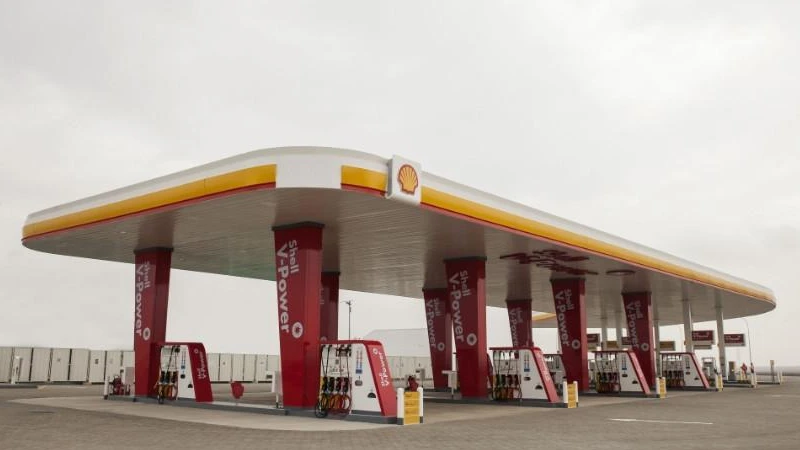
Oman uses the Omani Rial, not the UAE Dirham. Cards work in most cities. Cash still matters in smaller towns, at fuel stations off the main highway, and at some border facilities. Bring a bit of both.
Your UAE phone plan probably won’t work once you cross. Check with your provider before you leave. A local Omani SIM is cheap and easy to find at most fuel stations near the border, and it saves you from relying on patchy hotel wifi for the rest of the trip.
Fuel is genuinely cheap in Oman, cheaper than the UAE in most cases. Fill up before you cross anyway. Stations thin out once you’re past the main towns, especially on the road toward Nizwa or further south.
A Simple Three Day Route
If this is your first trip, don’t try to see everything. Pick one direction and commit to it.
Day one: cross at Hatta, drive straight to Muscat. Settle in, walk the Corniche in Muttrah, and catch the mosque before sunset.
Day two: head inland to Nizwa. Walk the fort, spend an hour in the souq, and buy something made of silver if that’s your thing. Head back to Muscat for the night, or push on and stay near Nizwa itself.
Day three: slow morning, one more stop if you have the energy, then drive back through Hatta and home.
Stretch this to five or six days and you can realistically add Musandam as a separate leg, though it’s worth treating that as its own short trip rather than squeezing it into the same route. The geography doesn’t cooperate. Musandam sits north, Muscat and Nizwa sit south and east, and driving between them isn’t the quick hop it looks like on a map.
Road Conditions And Driving Notes
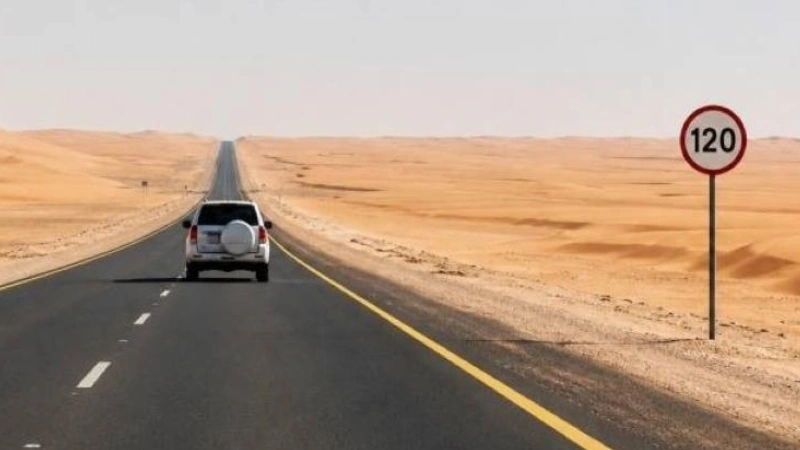
The main highways connecting Dubai to Muscat and Sohar are excellent. Wide, well marked, mostly dual carriageway the whole way. You won’t need anything special to handle them.
The road toward Nizwa still holds up well, though expect more mountain curves once you’re past the flat stretch near the border. Nothing that needs a 4×4. A normal sedan handles it fine.
South toward Salalah is a different story. Long, remote stretches with fewer services between towns. If you’re making that drive, check your spare tyre, carry extra water, and let someone know your route before you leave. It’s not dangerous. It’s just genuinely far from help if something goes wrong.
Speed cameras are common on Omani highways, more so than a lot of drivers expect coming from the UAE. Stick close to the posted limit. Fines add up fast and catch plenty of first-time visitors off guard.
What To Pack Beyond The Documents
Keep a physical folder with your passport copies, Mulkiya, license, and Orange Card together. Phones die. Paper doesn’t.
Pack more water than feels necessary. Oman’s interior gets genuinely hot for most of the year, and breakdowns happen at the worst possible moments.
A basic first aid kit and a torch cost nothing to bring and matter enormously if you ever actually need them, especially if any part of your route runs through Musandam’s mountain roads or the emptier stretches south of Nizwa.
Mistakes Worth Avoiding
Don’t assume your UAE insurance covers you in Oman. It doesn’t, and finding this out at the border wastes time you didn’t plan for.
Don’t cross without checking your visa category first. A quick look at the eligible country list saves a genuinely stressful moment at immigration.
Don’t underestimate the drive to Nizwa or Salalah. The road quality is good, but distance is distance, and pushing through six or seven hours without a proper break makes for a miserable trip.
And don’t cross during a major holiday without expecting delays. Everyone else read the same road trip guides you did.
Travel Insurance Still Matters Here
A road trip across an international border carries its own risks that a standard Dubai stay doesn’t. Vehicle breakdowns, an accident on unfamiliar roads, a medical issue somewhere between two countries. Regular travel insurance sometimes excludes cross-border driving entirely, so it’s worth checking your policy’s fine print before you go. If you’re still finalising the rest of your Dubai trip, our Dubai travel guide covers visa rules and planning basics for the UAE side of things.
FAQ
Which border crossing is best for Dubai to Oman?
Hatta to Al Wajajah, if you’re headed to Muscat. It’s the closest to Dubai and the most direct route north.
Do I need a visa to enter Oman by road?
Depends on your passport. 103 countries get entry on arrival for up to 14 days. Everyone else needs an eVisa from evisa.rop.gov.om before crossing.
Does my UAE car insurance work in Oman?
No. You need an Orange Card, a separate policy for driving across the border. Buy it in advance or at the crossing itself.
How long does the Dubai to Muscat drive take?
Around five to six hours, covering roughly 380 kilometres, including the border stop.
What’s the UAE exit fee for driving to Oman?
35 dirhams per person, paid when you leave the UAE.
Final Thoughts
A Dubai to Oman road trip rewards a bit of planning more than most trips in this region. Pick the right crossing for where you’re actually going. Sort your visa and insurance before you leave, not at the border. And build in enough time that the drive itself feels like part of the trip instead of an obstacle before it starts. Do that, and you’ll understand within the first hour why so many people who could easily fly choose to drive instead.


