
ski holidays hakuba japan: The Complete 2026 Guide

Hakuba doesn’t get the same reflexive name recognition as the Alps or the Rockies among first-time ski trip planners, and that’s changing fast. International visitor numbers to the valley have climbed past seven hundred thousand a season, and after a 2025-26 winter that long-time regulars are already calling one of the deepest in years, demand for the coming season is building well ahead of schedule. Once you understand what’s actually on offer here, ten interconnected resorts, some of the most reliable powder snow anywhere on the planet, and a genuine Japanese village feel wrapped around all of it, the growing interest makes complete sense.
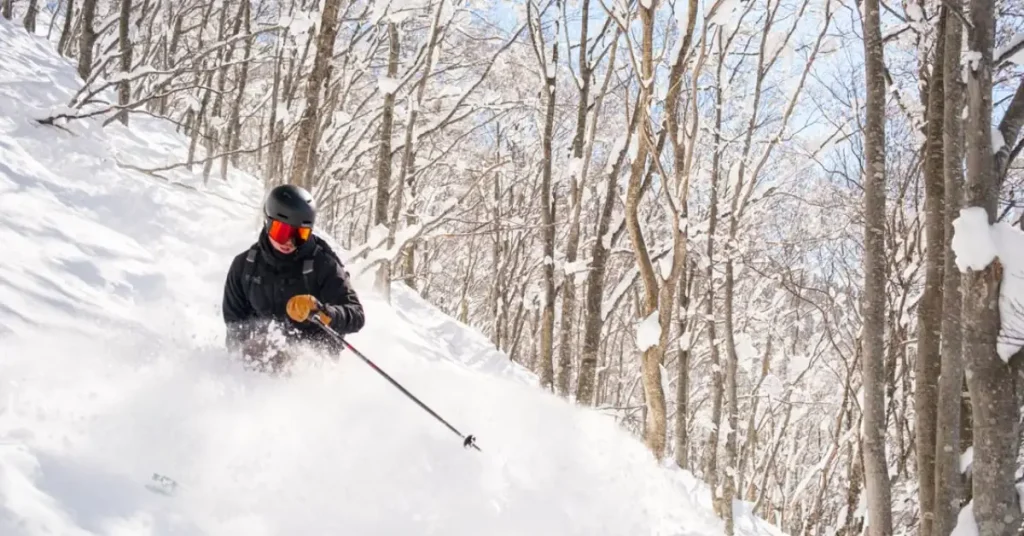
This guide works through what Hakuba actually is, which of its ten resorts suits which kind of skier, when to go for the best snow, what it costs, and how it stacks up against Hokkaido’s Niseko, the other name that inevitably comes up in the same conversation.
What Hakuba Actually Is
Hakuba Valley sits in the Northern Japan Alps in Nagano Prefecture, roughly the same region that hosted the 1998 Winter Olympics, and Happo-One, the valley’s most famous resort, was the main venue for those Olympic alpine and Nordic events. Rather than one single mountain, Hakuba is a collection of ten separate resorts spread along a single valley, all connected by shuttle buses and, for nine of the ten, a shared lift gate system that lets one pass work across nearly the entire valley.
Average annual snowfall here runs past eleven meters, driven by cold air masses moving off the Sea of Japan and slamming directly into the Northern Alps, producing the kind of consistent, high-volume snow that’s made Hakuba a genuine rival to Hokkaido’s more famous powder destinations. Add a lively après ski scene and Japan’s characteristic warmth toward visitors, and it’s easy to see why the valley keeps climbing global best-of lists rather than staying a regional secret.
The Resorts Worth Knowing
With ten resorts to choose from, picking where to actually spend your days matters more than most first-time visitors expect.
Happo-One
Happo-One is Hakuba’s headline resort and its Olympic legacy piece, offering thirteen runs ranging from genuine beginner terrain through to the Omusubi off-piste zone for experienced powder hunters. It’s the resort most visitors picture when they picture Hakuba, and its scale and history make it a near-mandatory stop even if you base yourself elsewhere in the valley.
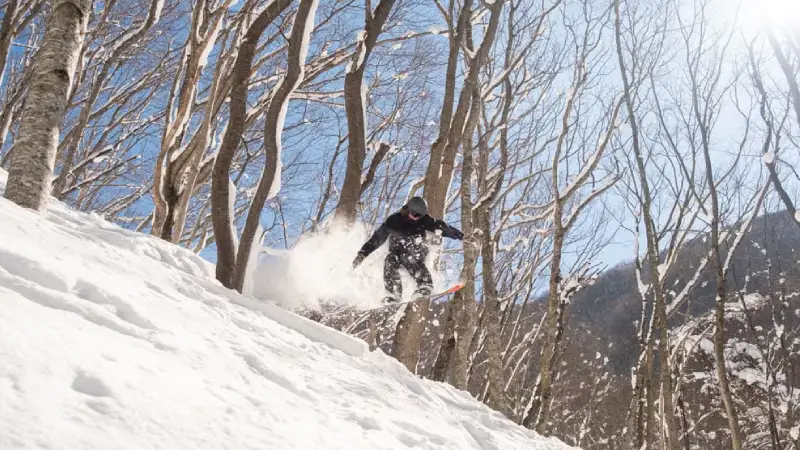
Hakuba 47 And Goryu
Hakuba 47 and Goryu sit connected to one another, effectively functioning as a single large ski area once you’re on the mountain. Forty Seven has built its reputation around the best terrain park in the entire valley, making it the natural draw for freestyle skiers and snowboarders, while Goryu splits neatly between beginner friendly lower slopes around Toomi and Iimori and wider, more scenic intermediate terrain higher up at Alps Daira. Goryu also runs night skiing on its Toomi slope, a nice option for anyone wanting extra time on snow after a full day.
Tsugaike
Tsugaike pulls in large, frequent snowfalls of its own and offers fourteen runs of genuine downhill variety, but it’s particularly worth knowing about for traveling families specifically, thanks to a dedicated kids park where younger skiers can build confidence safely away from faster traffic elsewhere on the mountain.
Cortina And The Quieter North
Cortina, toward the northern end of the valley, tends to hold some of the deepest and lightest powder in Hakuba, largely because it sees less traffic than the resorts closer to the main village. For visitors specifically chasing untouched snow rather than village convenience, the northern end of the valley, Cortina and Norikura among them, is worth the extra travel time.
Hakuba Versus Niseko: The Comparison Every First Timer Runs Into
For most people planning their first Japan ski trip, the decision genuinely comes down to two names, Hakuba or Niseko in Hokkaido, and it’s worth being honest about the trade-off rather than pretending one is simply better. Niseko is the stronger pick if powder quality is your single top priority and you want a trip built entirely around skiing. Hakuba wins out if you want to pair skiing with a broader Japan trip, since it sits considerably closer to Tokyo and combines naturally with stops in Kyoto or Matsumoto, particularly on a shorter trip of around a week to ten days.
Neither choice is a downgrade. Hakuba’s snow genuinely rivals Hokkaido’s on a good week, and its geography simply makes it the more practical choice for anyone not devoting an entire trip purely to skiing.
Getting There
Most international visitors fly into Narita or Haneda in Tokyo, then either rent a car for the roughly two hundred fifteen-mile drive to Hakuba or take the considerably more relaxed public transport route. The Hokuriku Shinkansen bullet train reaches Nagano Station from Tokyo in about eighty-five minutes, and from there, buses connect onward to Hakuba itself, with express services also running direct from Tokyo’s Shinjuku Station, taking around five hours for travelers who’d rather skip the train transfer entirely.
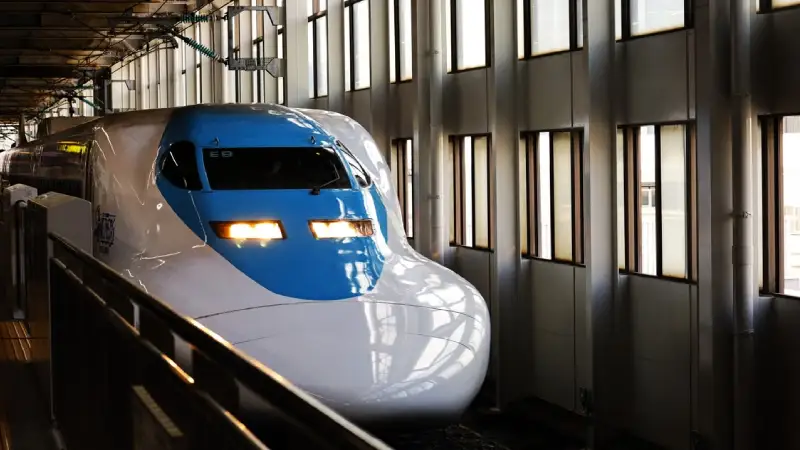
Once you’ve arrived in the valley itself, a dedicated shuttle bus network connects the ten resorts and the various accommodation areas, meaning a car isn’t strictly necessary once you’re actually there, even if you drove to reach Hakuba in the first place.
When To Go For The Best Snow
Hakuba’s season generally opens in early December, with Happo-One and Goryu typically being the first to open, though early-season conditions come with a real caveat; expect partial terrain, some ungroomed runs, and thinner coverage at lower elevations while the base builds through the month. By late December, most resorts have opened the bulk of their terrain, and the Christmas and New Year period brings a wave of domestic visitors alongside improving, more consistent snowfall.
January and February are unambiguously the prime months for powder, specifically. Cold air masses moving across the Sea of Japan dump heavy, reliable snow across the Northern Alps during this stretch, and it’s when you’re most likely to find genuinely deep, light powder, particularly at higher elevations and at resorts toward the northern end of the valley, like Cortina. March brings calmer weather and generally still strong coverage, a good compromise for visitors who want fewer crowds without gambling too much on conditions. Spring skiing continues through April and into early May at select resorts, particularly Happo-One, with conditions shifting to corn snow, a freeze-thaw cycle that softens into smooth, carveable surfaces once the morning sun gets to work. Golden Week, in late April through early May, brings a fresh wave of domestic skiers for the tail end of the season, so expect bigger crowds even as lower-elevation runs start closing for the year.
What a Hakuba Ski Trip Actually Costs
Lift tickets are genuinely reasonable by international ski resort standards, with single-day adult tickets typically starting around 5,500 yen, roughly thirty-four pounds or forty-five US dollars. For anyone staying more than a day or two, the Hakuba Valley All Mountain Pass is worth buying outright, since it covers all ten resorts on a single ticket with a shared automated gate system, plus access to the valley’s shuttle bus network, removing the hassle of buying separate passes if you want to ski more than one resort during your stay.
Accommodation in Hakuba covers a genuinely wide range, from budget guesthouses through to deluxe self-contained lodges, a rarity at most Japanese ski resorts, which tend to lean heavily toward traditional hotel-style rooms elsewhere in the country. Equipment rental is widely available through multiple providers around the valley, and English-speaking, certified instructors are the norm rather than the exception at ski schools here, a genuine advantage for visitors nervous about a language barrier getting in the way of lessons.
Beyond the Slopes
Hakuba’s après-ski scene centers on the Echoland area, where bars and venues keep the evening going well after the lifts close, a genuine point of difference from some more subdued Japanese ski towns. Onsen, traditional hot spring baths, are scattered throughout the valley and are worth building into every single day of the trip if you can manage it, since soaking sore muscles in a natural hot spring after a full day on snow is arguably as memorable as the skiing itself.
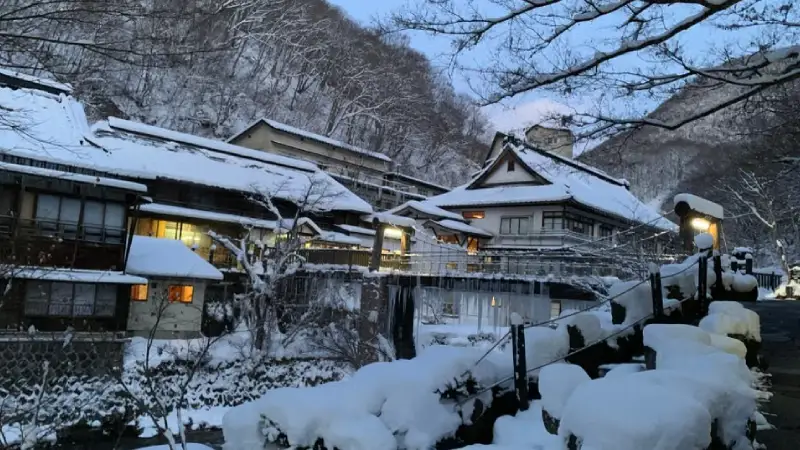
For days away from the mountain entirely, or half days combined with a morning of skiing, the Jigokudani Snow Monkey Park sits about forty-five minutes from Hakuba and is genuinely worth the detour to watch wild macaques bathing in their own natural hot springs. Matsumoto Castle, one of Japan’s most striking original feudal-era castles, and the Daio Wasabi Farm both make for solid day trip options if you want a full day away from skiing altogether.
For current lift status, snow depth reports, and pass purchasing directly from the source, Hakuba Valley’s official website is worth bookmarking before and during your trip since it’s run by the valley’s own resort association rather than a third-party booking platform working from historical averages.
Packing For Hakuba
Layering matters more here than a single heavy jacket, since a day in Hakuba can swing from bright sun on an open run to genuinely biting wind higher up the mountain. Thick base layers paired with easily removable outer layers give you the flexibility to adjust as conditions shift through the day, and sunblock is worth packing seriously despite the cold, given how intensely snow reflects sunlight back up at your face and eyes.
Bringing your own gear versus renting locally comes down to personal preference more than cost, since rental quality around Hakuba is generally excellent and saves the hassle of transporting bulky equipment internationally, though skiers and riders with very specific equipment preferences may still prefer to bring their own.
Why Travel Insurance Matters For A Ski Trip Specifically
Skiing and snowboarding carry a genuinely higher injury risk than most vacation activities, and a standard travel insurance policy doesn’t always cover winter sports by default, an important detail worth checking explicitly before you book rather than assuming. Given how remote parts of the Northern Alps can feel compared to a resort closer to a major city, medical evacuation and treatment costs for a serious injury can add up fast without proper coverage in place.
It’s worth specifically confirming that any policy you compare covers off-piste and backcountry skiing if that’s part of your plan, since this is a common exclusion on standard winter sports add-ons, along with checking that equipment loss or damage is covered if you’re travelling with your own gear rather than renting locally.
Booking Timing Worth Knowing
A practical piece of advice that comes up repeatedly among people who’ve planned Hakuba trips before is to book accommodation first, then layer in lift passes, rentals, and lessons once those services open for booking closer to the season. This sequencing gives you the widest possible choice of places to stay while your dates are still flexible while still leaving plenty of time to lock in resort services once providers start taking bookings for the coming winter.
Hakuba’s popularity has grown enough in recent years that well-located accommodation, particularly ski-in ski-out properties near Happo-One, books out well ahead of the January and February peak, so travellers set on those specific weeks are generally better off finalising lodging several months in advance rather than waiting to see how conditions shape up closer to departure.
It’s also worth knowing that Hakuba isn’t purely a winter destination if your trip happens to fall outside ski season. The valley runs a genuine green season program through the warmer months, with mountain biking, canyoning, paragliding, and chairlift-accessed alpine hiking all drawing a growing number of outdoor-focused visitors even without snow on the ground, something worth filing away if a return trip or a shoulder season visit ever fits your schedule.
Final Thoughts
Hakuba earns its rising reputation honestly: ten resorts worth of genuinely varied terrain, snow reliable enough to rival Japan’s more famous powder destinations, and a valley that offers a proper Japanese village experience rather than a purpose-built resort town bolted onto a mountain. Time your trip for January or February if deep powder is the priority, lean on the shuttle network rather than worrying about a car, and leave room in the schedule for at least one evening in an onsen after a full day on snow. Do that, and it’s easy to see why demand for next season is already building before this one’s even properly wrapped up.
Frequently Asked Questions
Is Hakuba better than Niseko for a first Japan ski trip?
It depends on your priorities. Niseko generally offers the more consistently deep powder, while Hakuba is easier to combine with a broader Japan trip including Tokyo and Kyoto, particularly on a shorter itinerary.
When is the best time to ski in Hakuba?
January and February offer the most reliable deep powder conditions, while March brings calmer weather with generally still strong coverage and fewer crowds.
How do I get from Tokyo to Hakuba?
The Hokuriku Shinkansen reaches Nagano Station in about eighty-five minutes from Tokyo, with onward bus connections to Hakuba, or a direct highway bus runs from Tokyo’s Shinjuku Station in around five hours.
Do I need a car once I’m in Hakuba?
No, a dedicated shuttle bus network connects all ten resorts and the valley’s main accommodation areas, making a car unnecessary once you’ve arrived.
Is Hakuba good for beginners and families?
Yes, several resorts, particularly Goryu’s lower slopes and Tsugaike’s dedicated Kids Park, cater specifically to beginners and younger skiers, alongside more advanced terrain elsewhere in the valley.
Does travel insurance cover skiing in Hakuba?
Not always by default. It’s worth confirming that any policy you choose explicitly covers winter sports and off-piste skiing specifically if that’s part of your plans, since these are common exclusions on standard travel policies.


