
Kyoto Osaka Travel Guide: The Complete 2026 Itinerary, Transport and Budget Breakdown

Most people don’t plan a trip to just Kyoto or just Osaka; they plan a trip to both, and honestly, that’s the right instinct. The two cities sit about thirty minutes apart by train, but they feel like they belong to different centuries. Kyoto is temples, quiet lanes, and a version of Japan that moves slower on purpose. Osaka is neon signs, street food stalls three deep, and a city that never quite stops talking. Pairing them isn’t a compromise it’s the whole point.
This guide covers what actually matters when you’re building that trip, how to get between the two cities without overpaying, what a realistic itinerary looks like, what things cost in 2026, and the visa and planning details that tend to get sorted out badly when they’re left for the last minute.
Why Kyoto And Osaka Work So Well Together
The short version is distance and contrast. Osaka Station to Kyoto Station takes roughly fifteen minutes on the Shinkansen or around thirty minutes on the regular JR Special Rapid train, so basing yourself in one city and day tripping to the other is genuinely practical, not just something that sounds good on paper. A lot of travelers end up splitting nights between both anyway, because staying somewhere means catching the evening version of a place too, not just the daytime tourist stretch.
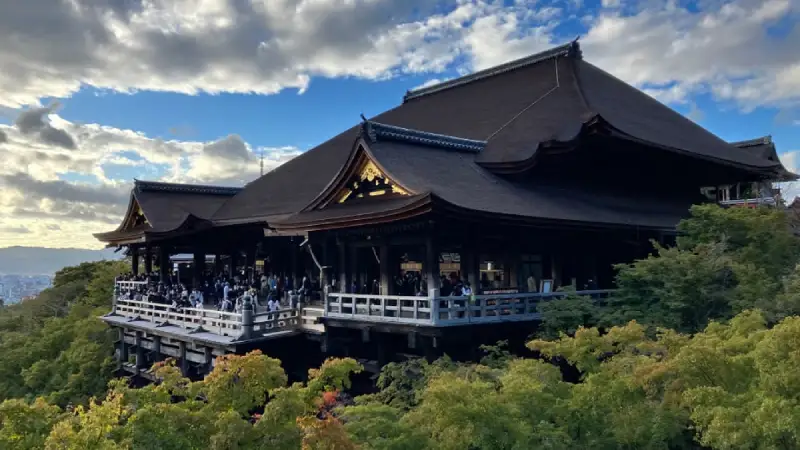
Kyoto was the imperial capital for over a thousand years, and it shows, seventeen UNESCO World Heritage sites sit within the city alone. Osaka, by comparison, has always been Japan’s merchant city, the place people went to eat well and do business, and that identity is still exactly what shapes it today.
Getting Between Osaka And Kyoto: The Real Numbers
This is where a lot of first-time visitors overspend without realizing it, mostly because the Japan Rail Pass isn’t the automatic money saver it used to be. Here’s how the main options actually stack up.
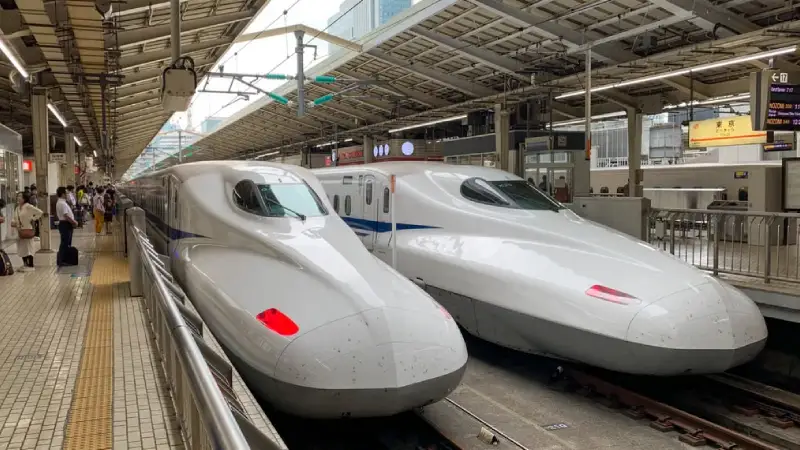
The JR Special Rapid train running the JR Kyoto Line between Osaka Station and Kyoto Station takes about thirty minutes and costs around 580 yen one way. This is the option most budget-conscious travelers end up defaulting to, and it’s covered if you’re holding any JR pass. The Tokaido Shinkansen cuts that down to roughly fifteen minutes between Shin-Osaka and Kyoto, with an unreserved seat running around 1,450 yen, a reserved seat close to double that. If you’re short on time or just want the bullet train experience once, it’s worth it; if you’re doing the trip multiple times, the Special Rapid adds up to real savings.
As for the nationwide JR Pass, the honest 2026 answer is that it’s stopped being the default purchase it once was. A standard 7-day pass runs 50,000 yen, and for travelers sticking purely to a Kyoto-Osaka loop, individual tickets almost always work out cheaper, since that round trip alone doesn’t come close to breaking even against the pass price. The math flips the moment you add a longer leg, Hiroshima or Kanazawa, for instance, where the pass starts saving real money. If your trip is staying within the Kansai region specifically, the JR Kansai Area Pass covering Kyoto, Osaka, Kobe, Nara, and Himeji is the more sensible buy, and the wider version adds destinations like Okayama and Kinosaki. Onsen if you’re planning a longer day trip out of the region.
Where To Base Yourself
Splitting nights between both cities gets recommended constantly, and for good reason, but it’s not the only workable approach. Basing entirely in Osaka and day tripping into Kyoto works fine for a shorter trip, Osaka tends to have a livelier evening scene and slightly better value accommodation, while Kyoto’s temples are genuinely better experienced early morning before the tour groups arrive anyway, which a day trip schedule actually supports well.
For travelers who want the reverse, staying in Kyoto and day tripping into Osaka works too, particularly for anyone prioritizing quiet mornings and easy access to temples over nightlife. Either way, Umeda in Osaka and central areas near Kyoto Station both put you within easy reach of the train lines that make this whole back and forth work smoothly.
A Realistic Kyoto-Osaka Itinerary
Five to six days is the sweet spot for doing both cities without rushing either one.
Day 1-2, Osaka: Land, settle in, and spend the first full day around Dotonbori and Namba for street food and the canal walk, then Osaka Castle and the surrounding park the next morning before an afternoon at Umeda Sky Building for the skyline view.
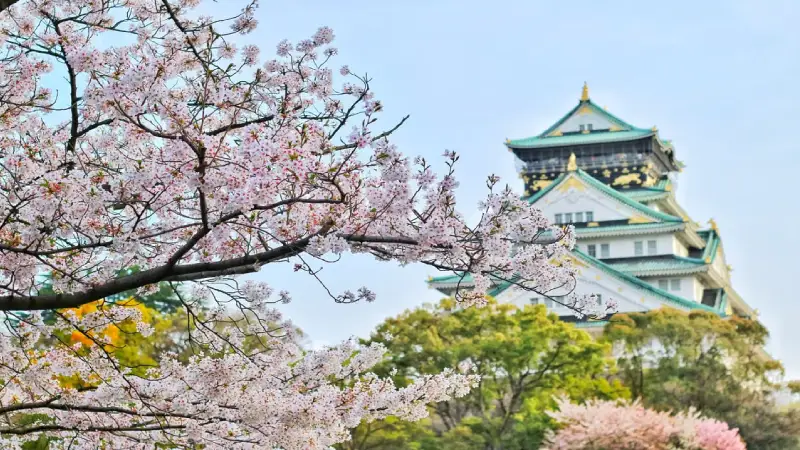
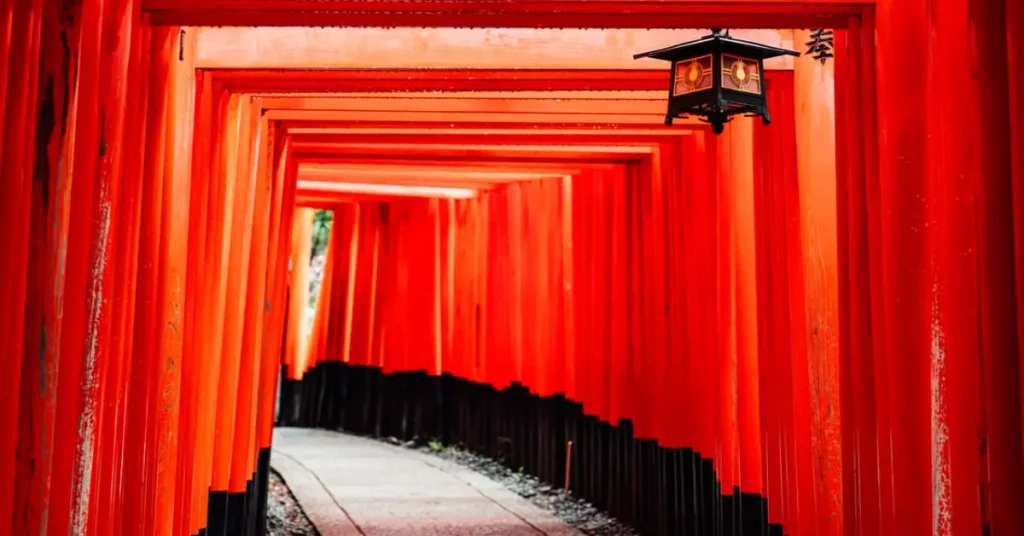
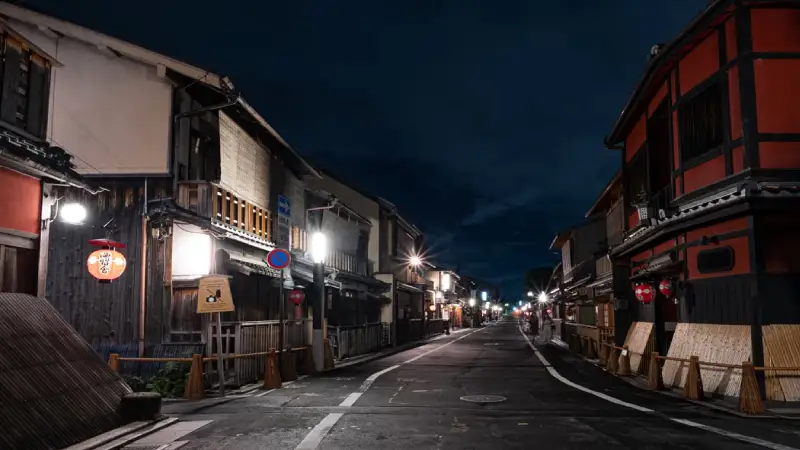
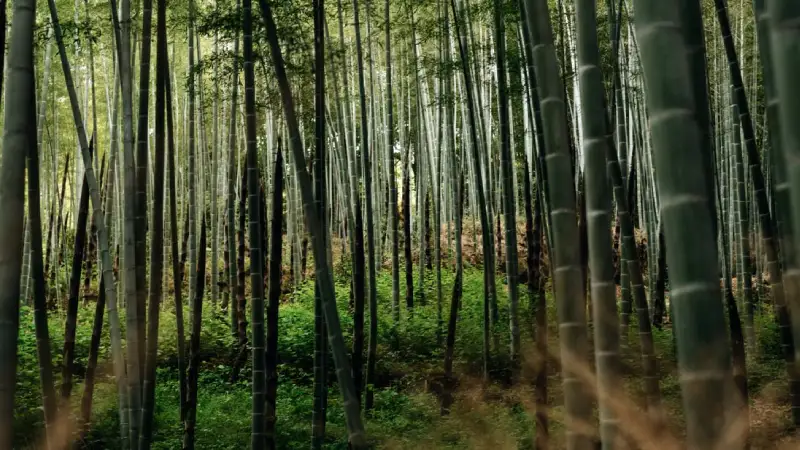
Day 3-4, Kyoto: Take the JR Special Rapid over, roughly thirty minutes, and base yourself near the station or in central Kyoto. Fushimi Inari’s torii gate trail is worth an early start before the crowds build, followed by Kiyomizu-dera and a walk through the Gion streets in the afternoon. On the second day, Arashiyama’s bamboo grove and Nijo Castle round things out well, or Kinkaku-ji if golden pavilions are more your thing than bamboo forests.
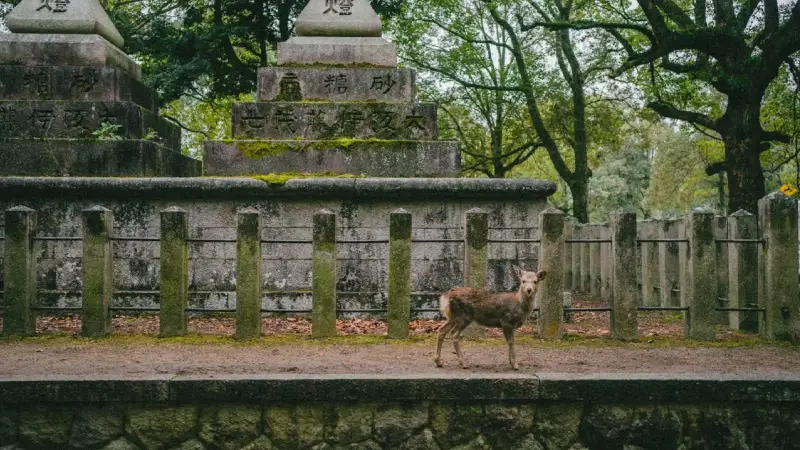
Day 5, Nara or Kobe: Both sit within easy reach as a side trip: Nara for Todai-ji temple and the free-roaming deer, Kobe for the port, Chinatown, and famously good beef, roughly twenty minutes from central Osaka either way.
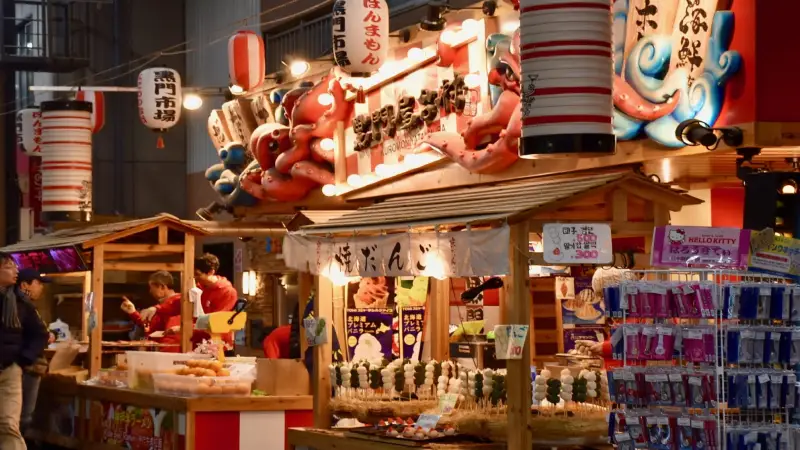
Day 6, buffer or extension: Leave this open. Kuromon Market for last-minute food grazing, a return trip to whichever city’s temples or street food pulled you back in, or simply a slower morning before flying out.
What Kyoto And Osaka Actually Cost In 2026
Budgets vary a lot depending on hostel versus hotel and street food versus sit-down dinners, but current numbers give a decent range to plan around.
Budget travelers, staying in hostels or capsule hotels and eating mostly street food, should expect somewhere around 8,000 to 12,000 yen a day, roughly 55 to 80 US dollars, covering accommodation, food, local transit, and one or two low-cost sights.
Mid-range travelers, mixing business hotels with a nicer dinner here and there, land closer to 15,000 to 25,000 yen a day, around 100 to 170 dollars, which comfortably covers two or three paid attractions plus the odd taxi ride when the trains stop running for the night.
Splurge travelers, looking at four- or five-star hotels or a proper ryokan stay, should budget 30,000 yen and up a day; this range covers premium accommodation, fine dining, and private transport, where it makes the trip smoother rather than just fancier.
Food: What To Actually Eat In Each City
Kyoto and Osaka approach food from genuinely different angles, and eating your way through both is arguably the best reason to visit either.
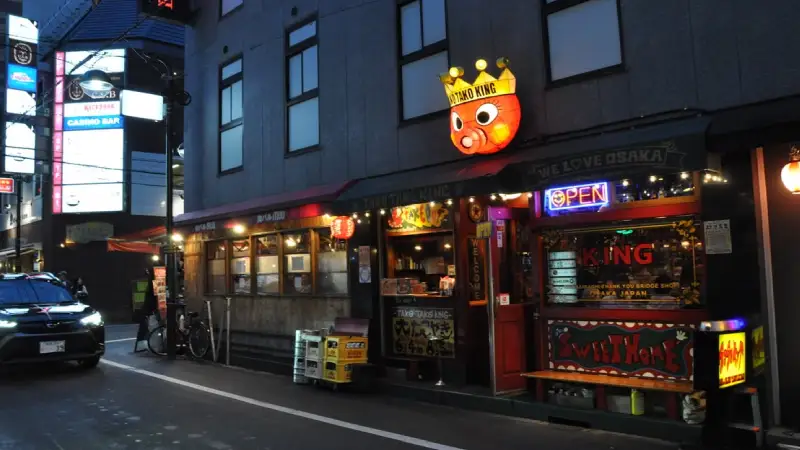
Osaka calls itself Japan’s kitchen for a reason; okonomiyaki, takoyaki, and kushikatsu are the three dishes worth prioritizing, and Dotonbori is the obvious starting point, though the better versions are often a few streets back from the main canal where the tourist markup thins out. Kuromon Market works well for grazing across multiple stalls in one visit rather than committing to a single sit-down meal.
Kyoto’s food identity leans quieter and more refined, with kaiseki multi-course dining if the budget allows for one splurge meal, yudofu, tofu simmered hot pot style near the temple districts, and matcha in every form imaginable around the Uji area just south of the city, which is worth a half-day trip on its own for serious matcha drinkers.
Best Time To Visit Kyoto And Osaka
Spring, specifically late March into April for cherry blossoms, and autumn, November into early December for foliage, are the two peak windows, and hotel prices climb noticeably during both. Summer brings real heat and humidity to both cities, June through August, and while it’s far from unbearable, it’s not the most comfortable window for the amount of walking this trip involves.
Winter, December through February, gets overlooked and shouldn’t be, temples with a light dusting of snow are genuinely striking, crowds thin out considerably, and hotel rates drop compared to the shoulder seasons on either side.
Visa Requirements For Visiting Japan
Visa requirements for Japan depend entirely on your passport, and this is worth confirming well before booking flights rather than assuming your nationality’s rules from a friend’s last trip. A number of countries hold visa waiver arrangements with Japan allowing short tourist stays without a separate visa application, while others need to apply for a standard tourist visa through a Japanese embassy or consulate ahead of travel.
If your nationality does require an application, processing generally takes a handful of business days once your documents, passport, itinerary, proof of accommodation, and sufficient funds are all in order, but building in a buffer of a few weeks before your planned travel dates avoids unnecessary last-minute stress. It’s worth checking current requirements directly against your passport specifically before finalizing dates, since eligibility and any electronic entry requirements can shift from year to year.
Getting Around Once You’re There
Neither city expects you to walk everywhere, though both reward it in patches. Kyoto’s subway and bus network covers the city well, and the Subway & Bus One-Day Pass is worth it on any day involving multiple temple stops spread across the city rather than clustered in one neighborhood. Osaka’s equivalent, the Osaka Amazing Pass, goes further, bundling unlimited metro travel with free entry to over forty attractions, including Osaka Castle, making it genuinely good value on a single dedicated sightseeing day.
[IMAGE, place within this section] Search term: “Kyoto city bus stop passengers” File name: kyoto-city-bus-stop-passengers.jpg Alt text: Passengers boarding a local bus in central Kyoto Title text: Kyoto City Bus Stop Passengers
For day trips beyond the two cities, Nara and Kobe, private lines like Hankyu and Keihan often work out cheaper and just as convenient as the JR network, worth comparing before defaulting to JR out of habit.
Packing Notes Specific To This Trip
Comfortable, broken-in walking shoes matter more here than almost anywhere else on a typical Japan itinerary, Kyoto’s temple circuits alone can easily rack up ten to fifteen thousand steps a day. A portable phone charger earns its keep given how much of the day gets spent navigating train transfers and temple maps. If your trip lands in summer, a small hand towel and portable fan are small additions that make a genuine difference in the humidity, and if it’s winter, layers work better than one heavy coat given how much time gets spent moving between heated indoor spaces and cold temple courtyards.
Final Thoughts
Kyoto and Osaka work as a pair precisely because they don’t try to be the same kind of city. One moves slowly and asks you to look closely, the other moves fast and asks you to keep up, and the thirty-minute train ride between them means you never have to choose one over the other for the whole trip. Get the transport math right, keep the itinerary realistic rather than crammed, and sort your visa requirement out early, and this ends up being one of the more comfortable double-city trips to plan in Japan, precisely because the two halves balance each other out so well.
Frequently Asked Questions
How many days do you need for Kyoto and Osaka together?
Five to six days lets you cover both cities properly without rushing, though a shorter three- to four-day trip works fine if you’re comfortable prioritizing a shorter highlight list in each city.
Is the JR Pass worth it for just Kyoto and Osaka?
Generally no. For a trip staying within the Kansai region, individual tickets or a regional Kansai Area Pass typically work out cheaper than the nationwide JR Pass, which only starts paying off once a longer leg like Hiroshima gets added to the route.
Should I stay in Kyoto or Osaka?
Either works as a base given the short train ride between them. Osaka generally offers a livelier evening scene and marginally better value accommodation, while Kyoto puts you closer to an early morning temple visit before the crowds arrive.
Do I need a visa to visit Japan?
It depends entirely on your passport. Several nationalities can enter for short tourist stays without a separate visa, while others need to apply in advance through a Japanese embassy or consulate, so checking your specific requirement ahead of booking is worth doing properly.
What’s the best time of year to visit Kyoto and Osaka?
Spring and autumn are the most popular for cherry blossoms and foliage, respectively, though both come with higher hotel prices and larger crowds. Winter is a genuinely underrated alternative for smaller crowds and lower rates.
Is Osaka or Kyoto better for food?
They’re different rather than one being better. Osaka is the louder street food city, with takoyaki, okonomiyaki, kushikatsu, and kaiseki, while Kyoto leans toward quieter, more refined dining, kaiseki, tofu dishes, and matcha.


