
Serbia Travel Budget Guide 2026: Europe’s Cheapest Country To Visit

Everyone talks about Europe like it’s a continent built for trust funds. Paris, Switzerland, and the Amalfi Coast are all gorgeous and all genuinely capable of draining a bank account in a week. What almost nobody talks about is that a couple hundred kilometers east of Vienna, there’s a country where a hostel dorm costs less than a coffee and croissant back home and where the sights are just as memorable.
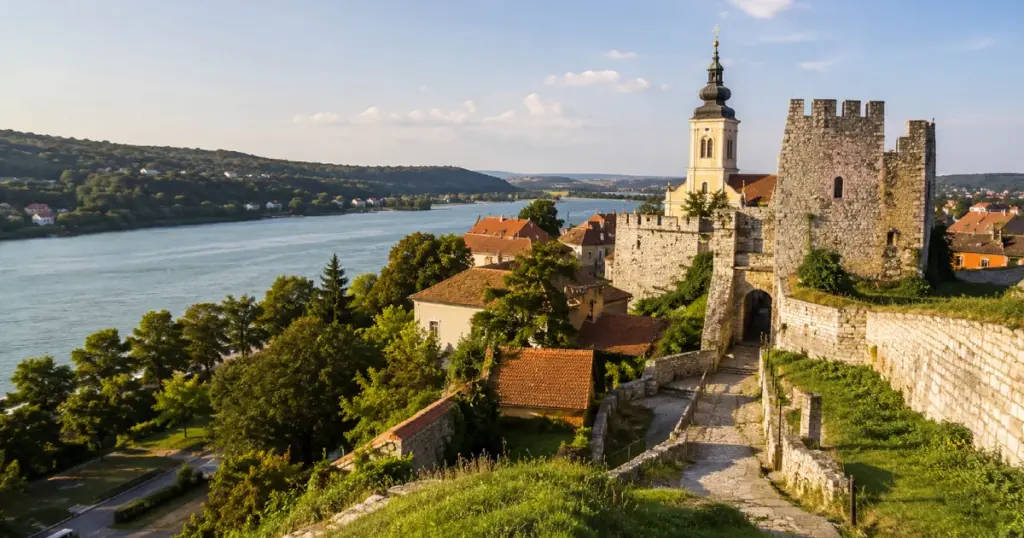
That country is Serbia. Ranked among the cheapest destinations in Europe year after year, it has quietly become the go to answer for backpackers and budget travelers who want the European experience without the European price tag. This guide breaks down exactly what a trip to Serbia costs, when to go, where to spend your days, and the mistakes worth avoiding in enough detail that you could actually plan the whole thing from this page alone.
Why Serbia Keeps Topping The Cheapest Europe Lists
Serbia sits outside both the European Union and the eurozone, and that single fact explains most of why it stays so affordable. Prices are set in Serbian Dinar rather than euros, local wages sit well below the Western European average, and the tourist markup that quietly inflates every menu and hotel rate in places like Amsterdam or Rome simply hasn’t caught up here yet. Restaurant owners in Belgrade aren’t pricing their food for foreign visitors the way a cafe near the Eiffel Tower is. They’re pricing it for the local office worker grabbing lunch, and that keeps costs honest.
Recent cost comparisons place Serbia among the five cheapest countries to travel in on the entire continent, trailing only places like Georgia and Ukraine. A daily backpacker budget in Belgrade typically lands around fifty to sixty-five dollars, and that figure covers a hostel bed, three meals, local transport, and a couple of drinks in the evening. Compare that to a similar day in Paris or Zurich, where the same list of expenses can easily triple, and it becomes obvious why Serbia keeps appearing on every serious budget travel ranking published this year.
But cheap doesn’t mean short on substance, which is really the point worth remembering here. Serbia offers fortress views stretching over two rivers, a nightlife scene built around floating clubs moored along the Sava, layers of Ottoman and Austro-Hungarian architecture sitting side by side on the same street, and food that is hearty enough to fuel a full day of walking without needing a second meal to top you up. You’re not trading experience for affordability. You’re just avoiding the tax that popularity puts on the more famous cities.
How Much Does A Trip To Serbia Actually Cost
This is the question most people actually land on this page to answer, so let’s go through it properly rather than skimming past it. The numbers below reflect current 2026 pricing for a traveller spending a week exploring Belgrade along with a couple of nearby towns, and they hold up whether you’re travelling solo or splitting costs with a partner.
Accommodation
A hostel dorm bed in Belgrade runs around fifteen to eighteen dollars a night, and for that price you’re usually getting a clean, well-located spot within walking distance of the old town rather than something stuck out in the suburbs. If you’d rather have your own space, a private room in a mid-range guesthouse costs between thirty and forty-five dollars, which is still less than what a shared hostel bed costs in most Western European capitals. Prices drop even further once you move outside the capital. A room in Novi Sad or Niš can run several dollars cheaper than the equivalent in Belgrade, simply because those cities see fewer international visitors and haven’t adjusted their pricing upward the way the capital has.
Food
Serbian street food is where your daily budget really gets a break. Staples like ćevapi or pljeskavica cost around three to four dollars and are filling enough to count as a proper meal rather than a snack, which matters a lot when you’re trying to stretch a daily budget without going hungry.
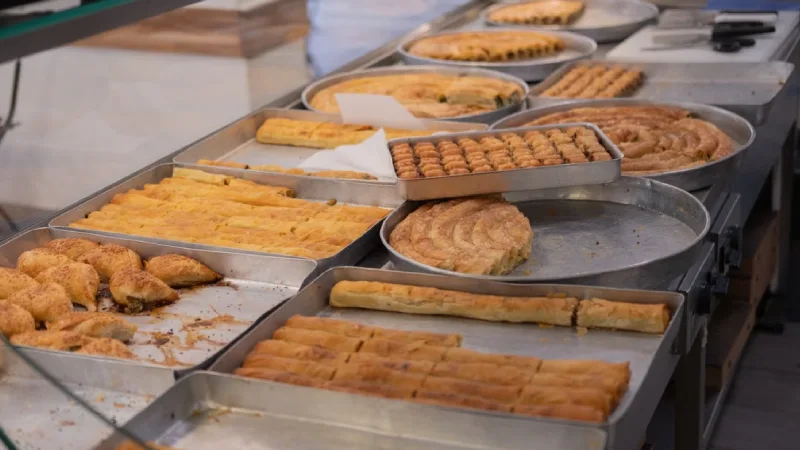
A sit-down dinner at a proper restaurant, the kind with table service and a printed menu, runs eight to fourteen dollars per person, including a drink, and that’s for a full meal, not a starter. If you’re watching every dollar even more closely, grocery shopping combined with bakery breakfasts can bring your daily food spend under ten dollars, and Serbian bakeries in particular are excellent value, with fresh burek and pastries costing next to nothing.
Local transport
Getting around Belgrade by bus or tram costs roughly one dollar per ride, and a day pass covering unlimited rides runs about three dollars, which is worth buying the moment you plan to see more than two or three sights in a day.
Moving between cities is handled almost entirely by intercity buses rather than trains, and a ride connecting Belgrade to Novi Sad or Niš costs between four and eight dollars depending on the distance, with the Belgrade to Novi Sad route in particular taking well under two hours.
Nightlife and extras
Belgrade’s nightlife is genuinely one of its strongest selling points, and it’s remarkably cheap to enjoy. A draft beer in the Savamala bar district typically costs two to three dollars, which is a fraction of what the same drink would cost in a comparable neighborhood in Berlin or Barcelona.
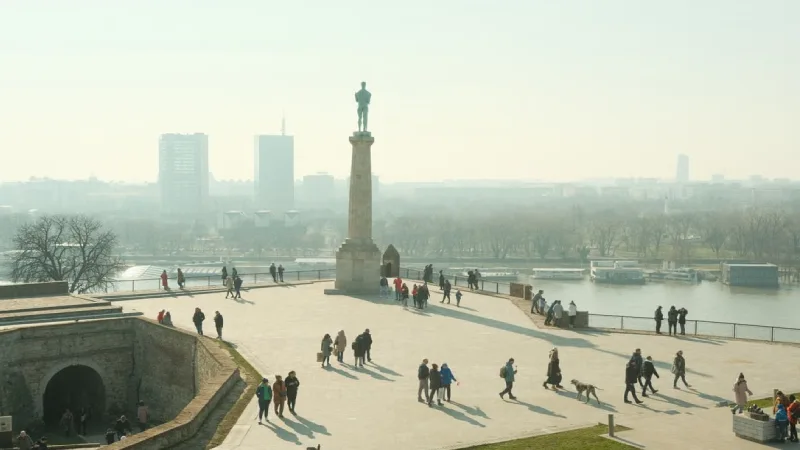
Museum entry fees usually sit under five dollars, and a surprising number of the city’s best sights don’t cost anything at all. Walking through Kalemegdan Park at sunset, watching the Sava and Danube rivers meet below the fortress walls, is completely free and arguably the single best thing to do in the entire city.
Total daily budget
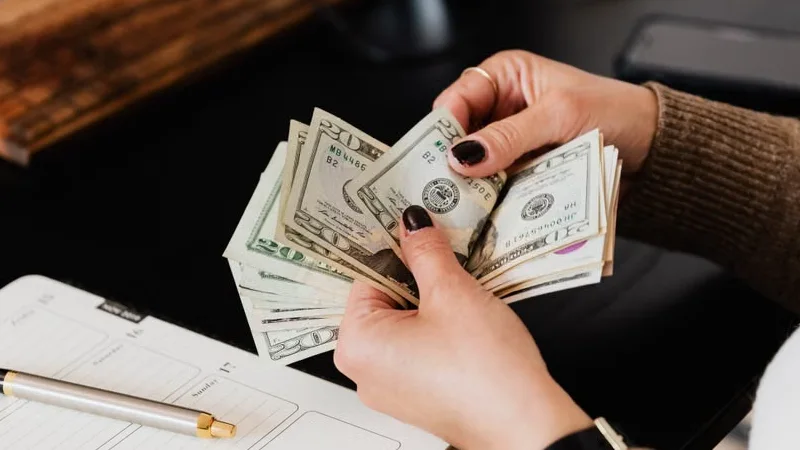
Add all of that together, and a backpacker traveling lean can manage comfortably on fifty to sixty-five dollars a day, covering accommodation, food, local transport, and a night out without cutting corners that make the trip miserable. Travelers who want a bit more comfort, meaning private rooms instead of dorms and restaurant meals instead of street food most nights, should budget closer to ninety to one hundred twenty dollars a day. Either way, you’re looking at a fraction of what the same comfort level would cost in Western Europe.
Full trip estimate
Putting the whole week together, a seven-night trip covering Belgrade, Novi Sad, and one smaller town should run roughly four hundred fifty to six hundred fifty dollars total, not including international flights to get there. That’s genuinely a fraction of what a comparable week in France, Italy, or Switzerland would cost once you add up accommodation, food, and getting around, and it’s a big part of why Serbia keeps showing up on lists of the best value trips on the continent.
Best Time To Visit Serbia
Serbia experiences four distinct seasons, and each one changes the character of the trip enough that it’s worth thinking through before you book.
Spring, April to May
Spring brings mild temperatures, blooming parks across Belgrade and Novi Sad, and noticeably fewer tourists than you’ll find in summer. This is genuinely one of the best windows for sightseeing, since you get comfortable walking weather without competing for space at the major attractions or paying the higher prices that summer brings.
Summer, June to August
Summer is warm, lively, and busy, especially in Novi Sad around the EXIT festival, one of Europe’s best-known music festivals, which draws visitors from across the continent every July. Accommodation prices climb noticeably during this stretch, so if you’re set on traveling in summer, book your rooms well ahead rather than assuming you can sort it out on arrival.
Autumn, September to October
Autumn brings comfortable temperatures, golden countryside on any day trip outside the cities, and prices that are noticeably lower than what you’d pay in summer. Many experienced travelers who’ve done multiple trips through the region rate this as the single best overall window for visiting Serbia, since it combines good weather with the lower cost of the shoulder season.
Winter, November to March
Winter is cold and occasionally snowy, but hotel and flight prices drop significantly during these months. If you don’t mind bundling up, winter is genuinely when Serbia becomes cheapest to visit, and Belgrade’s Christmas markets add a festive layer to the trip that summer simply doesn’t offer.
For most travelers trying to balance good weather against reasonable costs, late April through early June or September through mid-October come out as the strongest overall choices.
A Realistic 7-Day Serbia Itinerary
Day 1: Arrival in Belgrade
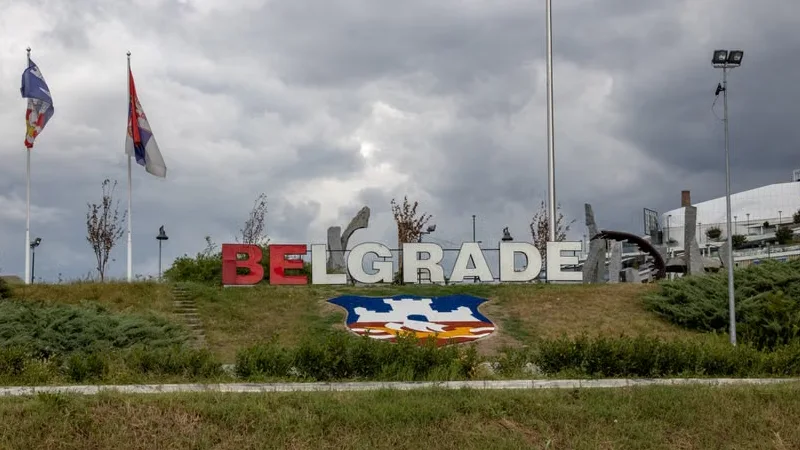
Once you’ve settled into your accommodation, resist the urge to nap through the jet lag and instead take an easy evening walk down Knez Mihailova Street, the pedestrian spine of the city lined with cafes, bookshops, and historic buildings dating back well over a century. It’s a gentle way to get your bearings before the busier days ahead.
Day 2: Belgrade City Exploration
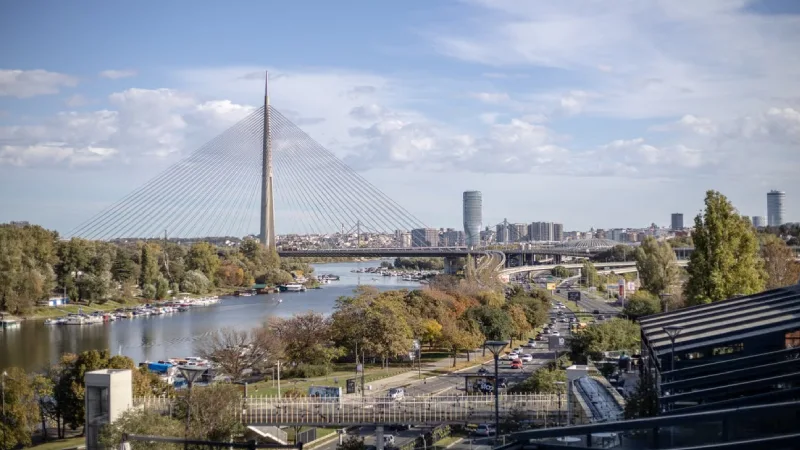
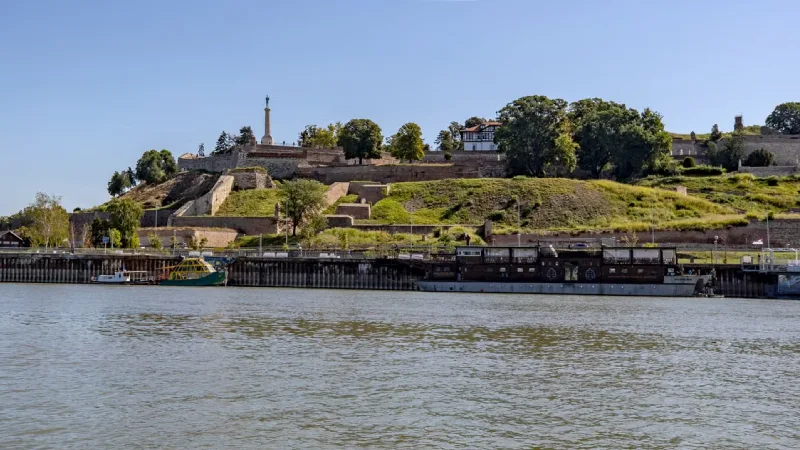
Spend the day at Belgrade Fortress and the surrounding Kalemegdan Park, where the Sava and Danube rivers meet in a view that’s genuinely one of the best in the region. From there, walk through Skadarlija, the bohemian quarter known for its cobblestone lanes and traditional Serbian restaurants that have been serving the same recipes for generations. In the evening, try one of Belgrade’s famous floating river clubs, a nightlife format the city has more or less made its own.
Day 3: Museums and Neighbourhoods
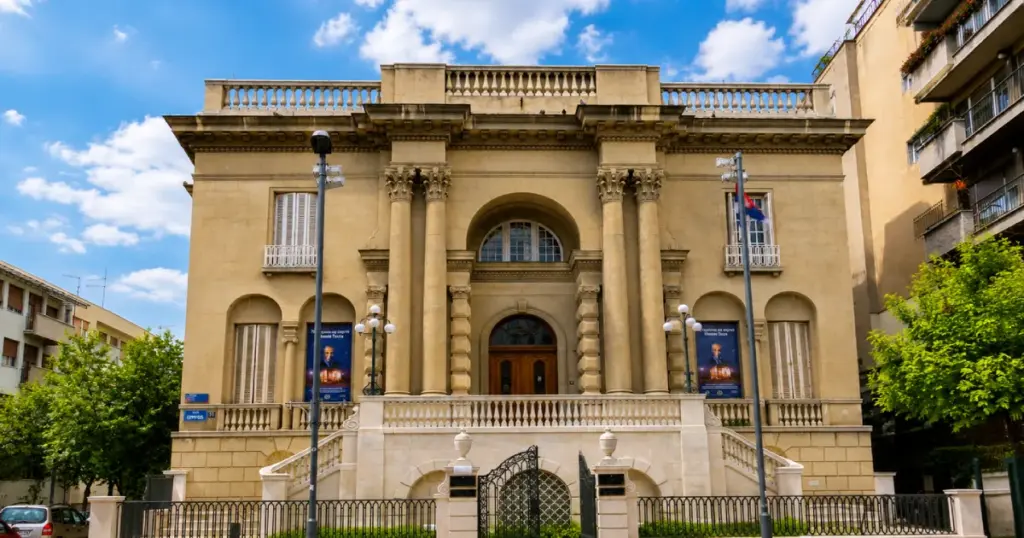
Spend the morning at the Nikola Tesla Museum, one of the most visited attractions in the entire country and a genuinely fascinating stop even if science museums aren’t usually your thing. In the afternoon, cross over to Zemun, a quieter riverside neighborhood with a completely different pace and feel from the busier city center, worth a slow wander rather than a rushed checklist visit.
Day 4: Day Trip To Novi Sad
Take an early intercity bus to Novi Sad, roughly ninety minutes from Belgrade. Spend the day at Petrovaradin Fortress, often nicknamed the Gibraltar on the Danube for its imposing size, then wander through the old town’s baroque streets before catching a bus back to Belgrade in the evening.
Day 5: Sremski Karlovci and Wine Country
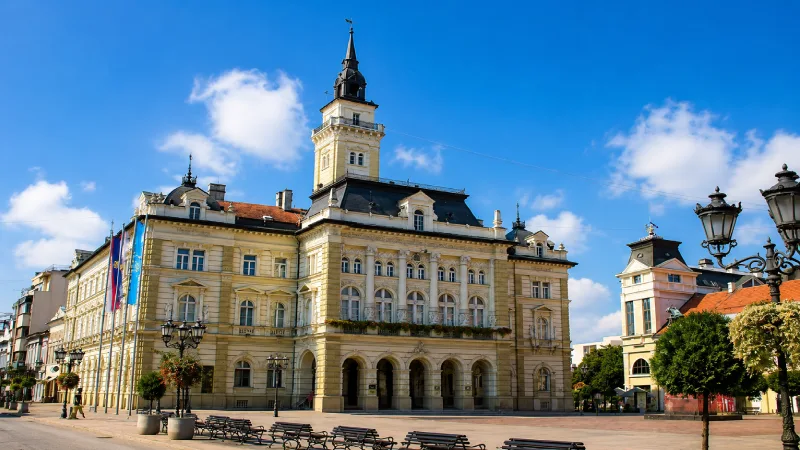
A short trip from Novi Sad brings you to Sremski Karlovci, a small baroque town known for its churches and wine cellars. Spend the day sampling local wine and walking through streets that genuinely feel frozen somewhere in the eighteenth century, a nice contrast to the busier pace of the previous few days.
Day 6: Zlatibor or Niš
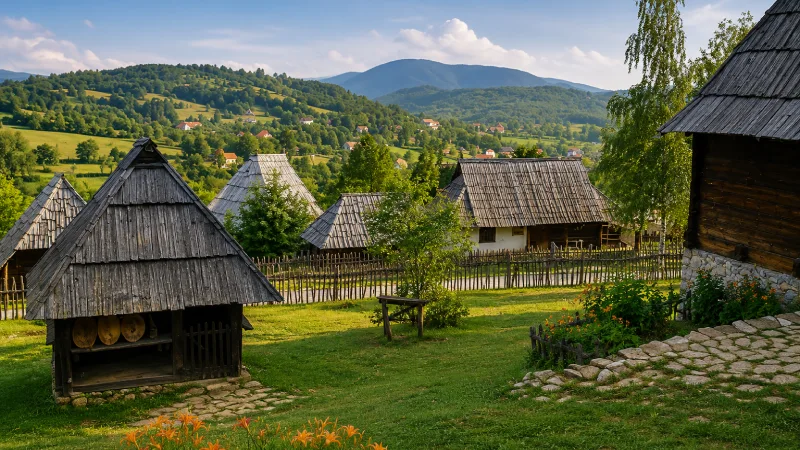
Depending on what you’re more drawn to, head either to Zlatibor for mountain scenery and a ride on its panoramic gondola, one of the longest of its kind, or to Niš to explore Ottoman-era history in one of the oldest cities in the entire region. Both are strong options, and it genuinely comes down to whether you’d rather have mountains or history for your sixth day.
Day 7: Free Day and Departure
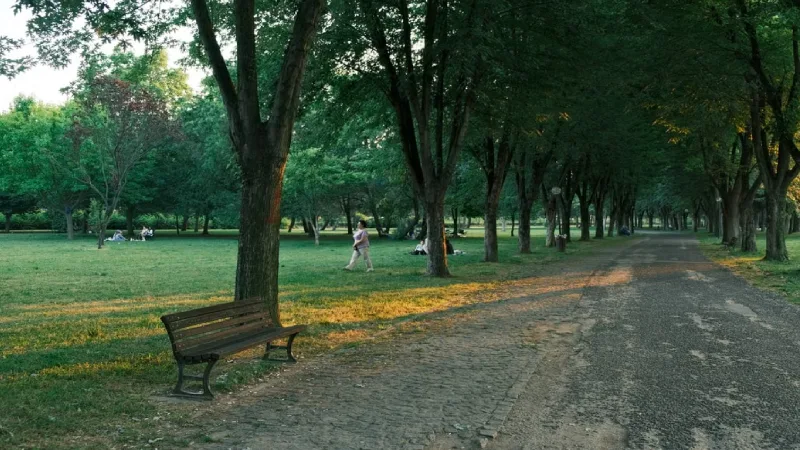
Use your last day for shopping, relaxing in one of Belgrade’s parks, or revisiting whichever spot from earlier in the week you enjoyed most before heading to the airport. Building in a genuinely unstructured day like this tends to be what people remember fondly rather than resent skipping.
This pacing keeps travel time reasonable while still covering the mix of city life, history, and nature that makes Serbia worth visiting in the first place, and it can easily be compressed to five days if you’d rather skip Zlatibor or Niš and stay closer to Belgrade and Novi Sad.
What Makes Serbia Worth Choosing Over Western Europe
Western Europe delivers postcard cities, no argument there, but Serbia offers something increasingly rare on the usual tourist trail: room to actually experience a place without fighting crowds for every photo. Belgrade has fortress views, riverside nightlife and a genuinely layered architectural history shaped by Ottoman, Austro-Hungarian, and Communist era influences sitting on top of each other block by block. Food is generous and inexpensive rather than precious and overpriced. People come across as reserved on first meeting but are remarkably warm once a conversation actually gets going.
For budget-conscious travelers, Serbia solves a real problem that a lot of destinations pretend doesn’t exist. It keeps costs at a fraction of what France or Switzerland demands while still delivering the feeling of genuinely traveling through Europe, rather than checking a country off a list from behind a tour bus window with fifty other people doing the exact same thing.
Money, SIM Cards And Staying Connected
Serbia uses the Serbian Dinar, not the euro, though some tourist facing businesses will informally quote prices in euros anyway. It’s worth carrying a mix of cash and card, since smaller towns and local markets still lean heavily on cash and won’t always have a working card machine. ATMs are widely available in both Belgrade and Novi Sad, and card acceptance is solid throughout the capital, so this mainly becomes a concern once you’re outside the two main cities.
For internet, a local prepaid SIM from providers like Yettel or A1 costs around eight to twelve dollars for a data package that comfortably covers one to two weeks of normal use, including maps and photo uploads. An eSIM activated before you even leave home saves the hassle of hunting down a SIM counter at the airport after a long flight and is generally the easier option if your phone supports it.
Common Mistakes Budget Travellers Make In Serbia
Not carrying enough cash in smaller towns trips up more travelers than you’d expect. Card acceptance drops sharply the moment you leave Belgrade and Novi Sad, and relying on plastic alone can genuinely leave you stuck without a way to pay for a meal or a bus ticket.
Skipping travel insurance to save a bit of money is the single biggest risk travelers take here, and it’s almost always a false economy. Medical costs abroad can be steep even in a country where everything else is cheap, and a minor accident without cover can turn an otherwise affordable trip into a genuinely expensive disaster.
Underestimating bus travel time is another common one. Distances look short on a map, but older road infrastructure and mountain routes mean journeys often take noticeably longer than the map suggests, so build in some buffer rather than scheduling things back to back.
Getting confused between euro and dinar pricing catches out plenty of first time visitors too. Since some vendors quote in euros and others in dinars, always confirm which currency you’re being quoted before paying to avoid accidentally overpaying without realizing it.
Finally, a lot of travelers assume July and August are the only good months to visit, when in fact peak summer brings higher prices and bigger crowds without necessarily delivering a better experience. Spring and autumn often deliver more of what people actually came for, at a noticeably lower cost.
Why Travel Insurance Still Matters In A Cheap Destination
It’s tempting to assume that a budget destination doesn’t need the same level of preparation as an expensive one, but the opposite is often closer to the truth. Hospitals in Serbia are perfectly capable, but navigating an unfamiliar healthcare system without insurance, in a language you likely don’t speak, adds a genuine layer of stress to a situation that’s already difficult enough on its own.
A basic international travel insurance plan for a seven- to ten-day Serbia trip usually costs between fifteen and thirty-five dollars depending on your age and the coverage level you choose, which is a genuinely small price against the protection it provides. Comparing a few travel insurance options before you fly takes only a few minutes and can spare you a much bigger headache if something goes wrong, whether that’s a lost bag at the airport, a stomach bug from unfamiliar food, or a fall on the city’s uneven cobblestone streets.
Getting To Serbia And Finding Cheap Flights
Belgrade Nikola Tesla Airport is the main international gateway, and most low-cost carriers across Europe fly there directly, including Ryanair, Wizz Air, and easyJet from a wide range of hubs. Travelers coming from further afield usually connect through a major European hub like Istanbul, Vienna, or Munich before catching a short onward flight into Belgrade, and this connection is often where you’ll find the biggest savings if you shop around.
Booking two to three months ahead generally locks in the best fares, and setting a price alert lets you catch a dip without manually checking every single day, which gets tiring fast. Flying into Belgrade and out of a different nearby city, or the reverse, sometimes works out cheaper than a simple round trip, though it does add a bit of complexity to your overall route planning that’s worth weighing against the savings.
If your travel dates have any flexibility at all, shifting your trip by even two or three days around a weekend can noticeably change the fare you’re quoted. Overland travel is also genuinely worth considering if you’re already exploring the wider Balkans region, since buses connect Belgrade with Zagreb, Sarajevo, Skopje, and Sofia at a fraction of what a flight would cost, and the scenery along the way ends up being part of the experience rather than just dead travel time.
Food In Serbia: What To Eat And What It Costs
Serbian food deserves more attention than it usually gets in Europe travel content, and it’s honestly one of the underrated reasons to visit. It sits at the crossroads of Balkan, Ottoman, and Central European influences, and portions are generous enough that two people can often share one main dish and still leave completely full.
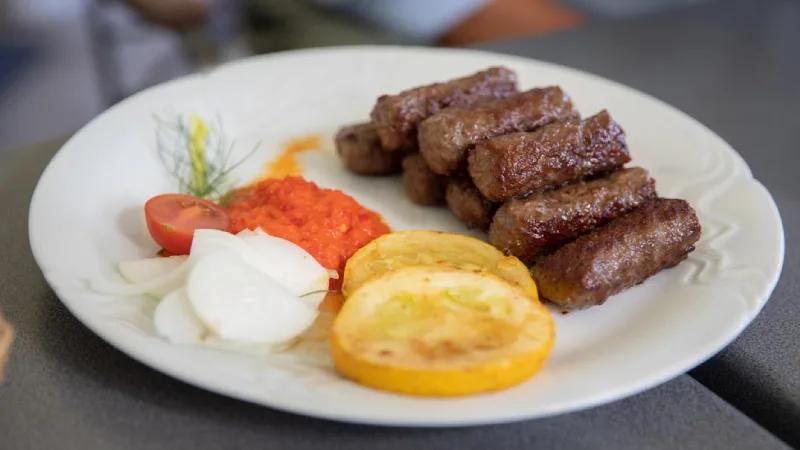
Ćevapi, small grilled meat rolls served with flatbread and onions, is the dish you’ll end up eating more than once whether you planned to or not, simply because it’s everywhere and it’s genuinely good. Pljeskavica, a large grilled meat patty often stuffed with cheese, is another street food staple that costs next to nothing and fills you up completely on its own. For something heartier, sarma, cabbage rolls stuffed with meat and rice, or Karađorđeva šnicla, a breaded and rolled cutlet stuffed with cheese, are both far more filling than either sounds on a menu.
Vegetarian travelers will find fewer dedicated options once you’re outside the major cities, but ajvar, a roasted red pepper spread, along with grilled vegetables, cheese pies called burek, and fresh bakery bread make it manageable without too much effort. Belgrade and Novi Sad both have a growing number of vegetarian-friendly cafes if you know where to look, and it’s genuinely worth asking your accommodation host for local recommendations rather than relying only on lists you find online.
Coffee culture runs deep here too, and it’s worth slowing down for. Sitting at a kafana, a traditional Serbian tavern, over a slow coffee or a glass of rakija, the local fruit brandy, is as much a part of the experience as any single monument on your itinerary, and it’s usually where the best conversations with locals happen.
READ MORE: How Much Does 2 Weeks in Europe Actually Cost
Getting Around Within Serbia
Once you land in Belgrade, getting around the city itself is genuinely straightforward. Buses and trams cover most of the central area reliably, and taxis are inexpensive by European standards, especially compared to what you’d pay for the same short ride in a Western European capital. Ride hailing apps also operate in Belgrade, which is often more convenient than trying to flag a taxi down on the street, particularly late at night.
For travel between cities, intercity buses are the real backbone of Serbian transport rather than trains. They’re reliable, reasonably comfortable, and connect Belgrade with Novi Sad, Niš, Zlatibor, and most of the other towns worth visiting on this itinerary. Trains do exist but tend to be slower and less frequent than buses, so most travelers, locals included, default to the bus network as the practical choice.
If you’re traveling with a partner or a small group, renting a car for a couple of days can genuinely be worthwhile for reaching smaller villages and scenic spots that the bus network doesn’t cover well. Just keep in mind that road quality varies considerably once you’re off the main highways, so build some extra time into your plans rather than cutting things close.
Culture, Etiquette And A Few Local Habits Worth Knowing
Serbians are known for being warm and generous once a conversation actually gets going, but the first impression, especially in Belgrade, can come across as reserved. Don’t mistake this for unfriendliness, because it genuinely isn’t one. A simple greeting in Serbian, even just “zdravo” for hello, tends to soften that first interaction noticeably and is usually met with a smile rather than indifference.
Tipping isn’t mandatory but is genuinely appreciated, and rounding up the bill or leaving around ten percent at restaurants is standard practice among both locals and visiting tourists alike. Dress codes stay casual almost everywhere except churches and monasteries, where covering your shoulders and knees is expected and worth planning for in advance.
One thing that surprises a lot of first time visitors is just how walkable Serbian cities are once you get moving. Comfortable shoes matter far more than a stylish outfit here, especially given the cobblestone streets running through the older parts of Belgrade and Novi Sad, which look better in photos than they feel underfoot in the wrong shoes.
Quick Serbia Trip Checklist
- Valid passport with sufficient remaining validity
- Return or onward flight ticket saved offline
- Proof of accommodation for your full stay
- Travel insurance policy document
- Local SIM or eSIM activated before or right after landing
- A mix of cash and card for smaller towns
- Comfortable walking shoes for the cobblestone streets
- A basic phrasebook or translation app for rural areas
Frequently Asked Questions
How many days are enough for a Serbia trip?
Seven days is a comfortable amount of time to cover Belgrade, Novi Sad and one smaller town without rushing between them. Five days still works well if you stick mainly to Belgrade and Novi Sad and skip the further day trips.
What is the cheapest time to visit Serbia?
Winter months, from November to March, offer the lowest accommodation and flight prices of the year, though spring and autumn deliver noticeably better weather for only a slightly higher cost, which is why most experienced travellers lean toward those shoulder seasons instead.
Is Serbia one of the cheapest countries in Europe?
Yes, cost comparisons consistently rank Serbia among the five most affordable countries to travel in on the entire continent, largely thanks to its position outside both the European Union and the eurozone.
Do I need travel insurance for a budget trip to Serbia?
It isn’t legally required, but it is strongly recommended regardless of how tight your budget is. Medical treatment abroad can be genuinely expensive even in an affordable destination, and a basic policy costs very little compared to the protection it provides.
Is Serbia safe for solo travelers?
Yes, Serbia is generally considered safe for tourists, including solo travelers of any gender. Standard precautions like avoiding poorly lit areas late at night and keeping valuables secure apply here just as they would anywhere else in Europe.
Can I use a debit or credit card in Serbia?
Cards work fine in most hotels, restaurants, and shops across Belgrade and Novi Sad, but smaller towns and local markets often expect cash only, so it’s worth carrying some dinars for those specific situations.


