
Best US National Parks for Families – Ranked by Kid-Friendliness

The United States has 63 national parks, and not all of them are created equal when you arrive with children in tow. Some require serious hiking experience and physical stamina that most kids simply do not have. Others are designed around experiences that younger children will genuinely remember for decades. The difference between a national park that works brilliantly for families and one that leaves children bored and parents stressed is not always obvious from the outside.
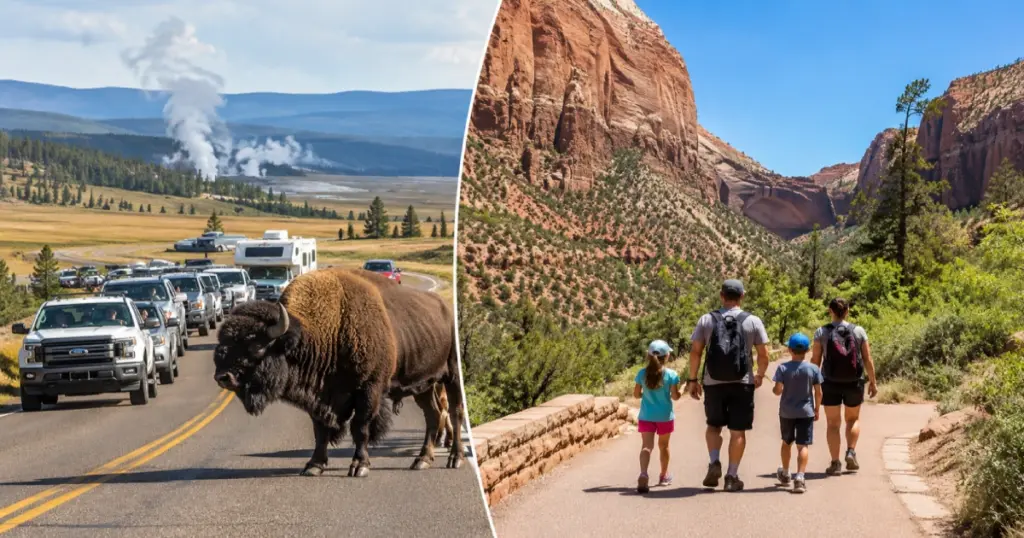
The parks on this list were selected based on a specific combination of factors: the availability of short, easy trails that do not require full-day hikes, the quality of wildlife viewing that can be done from roads or short walks, the provision of child-friendly facilities and ranger programs, and the overall track record with families across multiple reviews and travel reports. A park where you can see a bison from your car window will create more family memories than one where the main attraction is a difficult multi-hour hike.
Two practical notes before the rankings: the America the Beautiful Annual Pass ($80 for individuals, free for the cardholder plus companions in a non-commercial vehicle) is genuinely essential for families visiting more than one national park. Children under 15 enter all parks for free. And the Junior Ranger program – free at every park, children complete a booklet of activities and receive an official badge – is one of the most effective ways to keep children engaged throughout a park visit.
Quick Facts – US National Parks for Families
Great Smoky Mountains: 1 most visited park in USA, free to enter, black bears, synchronous fireflies in June
Yellowstone: Old Faithful erupts every 90 minutes, bison roadside traffic jams, Grand Prismatic Spring
Zion National Park: Riverside Walk stroller-friendly paved trail, mandatory shuttle system, red rock canyons
America the Beautiful Annual Pass: $80/year covers all 63 national parks – essential for multi-park trips
Junior Ranger Programs: free at every national park – children complete activities and earn official badges
Children under 15: FREE entry to all US national parks, sites, and federal lands
Rocky Mountain NP: Bear Lake Trail 0.6-mile easy loop, elk and moose viewings, Trail Ridge Road drive
Acadia National Park: smaller, easier to explore in 2–3 days, carriage roads perfect for family cycling
1. Great Smoky Mountains – Best for East Coast Families
Great Smoky Mountains National Park in Tennessee and North Carolina is the most visited national park in America for very good reason – it is free to enter (no entry fee, unlike most other national parks), accessible without extreme driving distances from much of the Eastern US, and packed with family-friendly experiences across all ages. The Cades Cove Loop Road is an 11-mile scenic drive where families regularly spot deer, black bears, and wild turkeys from the comfort of the car. The Laurel Falls Trail is a 2.6-mile round-trip paved path to a beautiful waterfall that is manageable for most children.
The synchronous fireflies that appear in late May or early June are one of the most extraordinary natural spectacles in the Americas – thousands of fireflies blinking in synchronisation across the forest floor. Access requires a lottery system, but families who secure spots describe the experience as genuinely magical for children of all ages. The park also has historic cabins, churches, and grist mills dotted throughout that provide educational stops without requiring significant hiking.
- Entry Fee: FREE – no national park fee required
- Laurel Falls Trail: 2.6mi return paved – suitable for most children, pram accessible on sections
- Cades Cove Loop: 11-mile drive – bears, deer, turkeys commonly visible from car
- Synchronous Fireflies: late May to early June – lottery access, book well ahead
- Best Months: Spring (wildflowers) and October (fall colour) for manageable crowds
2. Yellowstone – The Ultimate Wildlife Science Lab for Kids
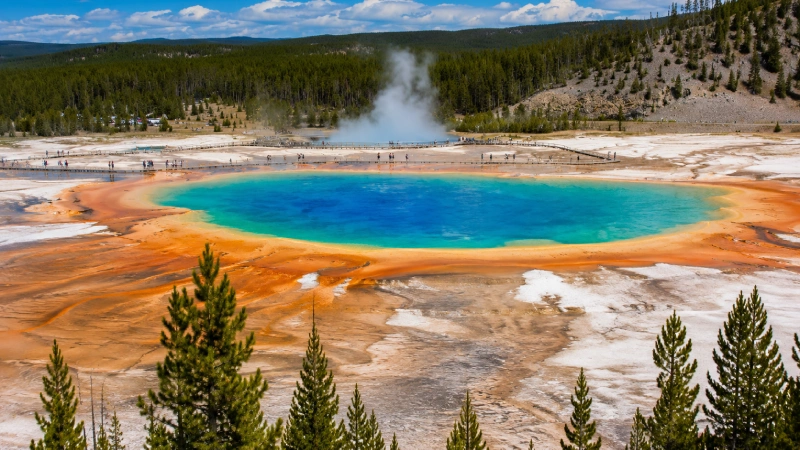
Yellowstone National Park in Wyoming is where children encounter a living geological laboratory – erupting geysers, rainbow-coloured hot springs, and herds of bison that genuinely cause traffic jams on the park roads. Old Faithful erupts every 90 minutes on average, and the visitor centre has interactive exhibits that keep children occupied between eruptions. The Grand Prismatic Spring – the largest hot spring in the United States, with rainbow bacteria rings visible from the overlook – is the kind of sight that photographs fail to adequately capture.
Lamar Valley in the northeastern section of the park is the best wildlife viewing area in the continental United States – wolves, bears, bison, elk, and pronghorn antelope are regularly visible with binoculars from pull-offs along the road. The Junior Ranger program at Yellowstone is exceptionally well-designed, with activities covering geothermal features, wildlife biology, and conservation that genuinely teach while entertaining.
Safety Note: maintain a minimum 100-yard distance from bears and wolves, 25 yards from all other wildlife including bison.
- Old Faithful: erupts every ~90 minutes, visitor centre explains the science
- Grand Prismatic Spring: best views from the Grand Prismatic Overlook trail
- Lamar Valley: best wildlife viewing area in continental US – early morning is best
- Junior Ranger program: outstanding educational activities, badge awarded at completion
- Crowds: book accommodation 6+ months ahead for summer – park is extremely popular
3. Zion National Park – Red Rock Canyon Family Adventure
Zion National Park in Utah is one of the most family-friendly national parks for a simple reason: the mandatory shuttle system means children do not have to walk the road, and the Riverside Walk – a paved, stroller-friendly 2.2-mile round-trip path to the Narrows canyon entrance – allows families with young children to access one of the park’s most dramatic environments without a challenging hike. The shuttle has audio narration that younger children enjoy, and the canyon walls on either side of the road create an almost theatrical landscape.
The Emerald Pools trails are accessible for most families with older children: the Lower Pool trail (1.2 miles) leads to a hanging garden and waterfall. Children can wade in the Virgin River in summer wearing water shoes, which is one of those genuinely memorable childhood experiences. The Zion Nature Center provides hands-on exhibits specifically for younger children. Angels Landing, the park’s most famous hike, is technically a permit lottery system for older children and adults – it is not appropriate for young children.
- Riverside Walk: paved, stroller-friendly, 2.2mi round-trip to Narrows entrance
- Lower Emerald Pool: 1.2mi, family-accessible – waterfall and hanging garden
- Virgin River Wading: summer activity with water shoes – children love it
- Shuttle System: mandatory April–October, narrated – children enjoy the audio
- Angels Landing Permit: adults and older teens only – NOT suitable for young children
| Park | Best Age | Wildlife | Easiest Family Trail | Entry Fee | Book Ahead? |
|---|---|---|---|---|---|
| Great Smoky Mountains | All ages | Bears, deer, turkeys from car | Laurel Falls (2.6mi paved) | FREE | Fireflies: yes |
| Yellowstone | 5+ years | Bison, bears, wolves, elk | Old Faithful boardwalk | $35/vehicle | 6 months+ summer |
| Zion Canyon | 3+ years | Mule deer, condors | Riverside Walk (2.2mi paved) | $35/vehicle | Shuttle required Apr–Oct |
| Rocky Mountain NP | 4+ years | Elk, bighorn sheep, moose | Bear Lake Loop (0.6mi) | $35/vehicle | Timed entry summer |
| Acadia NP (Maine) | 3+ years | Seabirds, seals, peregrine | Jordan Pond Path | $35/vehicle | Peak summer: yes |
| Grand Canyon South Rim | 7+ years | California condors, mule deer | Rim Trail (flat, 13mi total) | $35/vehicle | No – lodging yes |
4. Rocky Mountain National Park – Alpine Adventure Without the Extremes
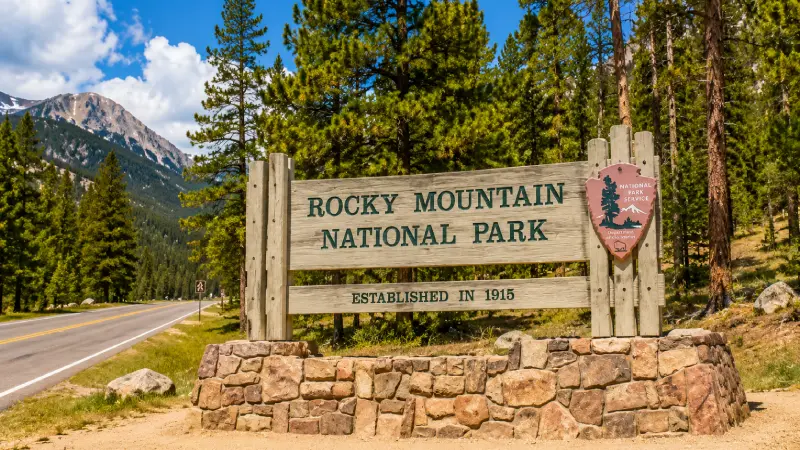
Rocky Mountain National Park in Colorado works brilliantly for families because its combination of an easy accessible trail (Bear Lake Loop, 0.6 miles completely flat around a glacial lake) and a spectacular scenic drive (Trail Ridge Road, which tops out above 12,000 feet with pull-offs for short walks and wildlife spotting) means even young children can access experiences that feel genuinely dramatic. Elk are commonly seen near Moraine Park and Horseshoe Park during the fall rutting season – hundreds of elk in the meadows in September is a sight that exceeds any zoo experience.
The park has summer timed entry reservation requirements from late May through mid-October – book these well in advance through recreation.gov. Bear Lake and Moraine Park corridors have dedicated timed entry slots. The park is large, so choose one or two areas per day rather than attempting to see everything, which is a recipe for overtired children and frustrated parents.
- Bear Lake Loop: 0.6mi completely flat – perfect first mountain trail for small children
- Trail Ridge Road: America’s highest continuous paved road – pull-offs for short walks
- Elk Viewing: Horseshoe Park and Moraine Park in September/October – extraordinary
- Timed entry required late May to mid-October – book at recreation.gov in advance
- Best For: outdoor families who want accessible altitude without extreme hiking
Also Read on Roam Visa
➤ Best Areas to Stay in New York for First Timers – Honest Area Guide
Final Thoughts
The America the Beautiful Annual Pass at $80 pays for itself on the first national park family visit if you are paying per-vehicle ($35 per entry at most major parks). Buy it before your first park or at the first entrance gate. Children under 15 enter free at all national parks – the pass covers the accompanying adults and any passengers in the vehicle. The Junior Ranger program is the single best tool for keeping children engaged throughout a national park visit. Every park has a specific Junior Ranger booklet with age-appropriate activities – wildlife identification, nature sketches, conservation questions – and a badge ceremony at the end with a real ranger. Children who complete the program remember the specific park far more vividly than those who simply walked trails.
Collect the booklet at the visitor centre as your first stop on arrival. National park timing matters more for families than for solo or couple travellers. June through August is peak season with maximum facilities but maximum crowds – trails are busiest, campsites require booking months ahead, and the overall experience is more crowded. May and September offer the best combination of open facilities, manageable crowds, and excellent weather across most parks. Spring wildflowers at Great Smoky Mountains and fall colour at Rocky Mountain are two of the most spectacular seasonal events in American nature.
Frequently Asked Questions
Which US national park is most family-friendly?
Great Smoky Mountains National Park in Tennessee/North Carolina is widely considered the most family-friendly: it is free to enter (no admission fee), has paved trails accessible to young children, and excellent wildlife viewing from cars along Cades Cove Loop. Yellowstone is the most popular choice for families with older children who can engage with the geothermal and wildlife experiences.
Do children pay to enter US national parks?
Children under 15 enter all US national parks, national historic sites, and national monuments for free. Adults pay entry fees (typically $35 per vehicle for major parks). The America the Beautiful Annual Pass ($80) covers the pass holder plus all accompanying passengers in a non-commercial vehicle – excellent value for families visiting more than one park.
What is the Junior Ranger program?
The Junior Ranger program is a free educational initiative available at every US national park. Children collect a park-specific activity booklet at the visitor centre, complete nature-based activities (wildlife identification, conservation questions, nature sketches) during their visit, and receive an official Junior Ranger badge from a park ranger at the end. It dramatically increases children’s engagement with and memory of each park they visit.
Is Yellowstone safe for families?
Yes, with appropriate precautions. Maintain the required safety distances from wildlife – 100 yards minimum from bears and wolves, 25 yards from all other wildlife including bison. Stay on boardwalks around geothermal features – the ground nearby can be dangerously thin over boiling water. Park rangers provide safety briefings at visitor centres, and the boardwalk system around geysers and hot springs makes the geothermal area very accessible for families.
When is the best time to visit national parks with children?
May and September are the sweet spots for families: facilities are fully open, weather is excellent for hiking and outdoor activities, and crowd levels are significantly lower than June–August peak season. Spring offers wildflowers and newborn wildlife. Fall brings spectacular foliage at many parks. July and August have maximum facilities open but the highest crowds, longest queues, and highest accommodation prices.



[…] READ MORE: Best US National Parks for Families – Ranked by Kid-Friendliness […]