
african lion safari canada reviews

Most people don’t associate Canada with lions, and that’s exactly what makes African Lion Safari such an odd, memorable stop for a lot of first-time visitors. An hour outside Toronto, in the fairly ordinary-looking town of Cambridge, Ontario, sits one of the only drive-through safari parks in North America, where actual lions, giraffes, and elephants wander close enough to a family car that kids end up pressed against the window the entire loop. It’s not something you expect to find in this part of the world, and that surprise is a big part of why it keeps showing up on family travel lists year after year.
This guide pulls together what actual visitors say, what it costs, and everything worth knowing before you plan a trip there in 2026, along with an honest take on whether it lives up to the hype.
What Makes This Drive Through Safari Different
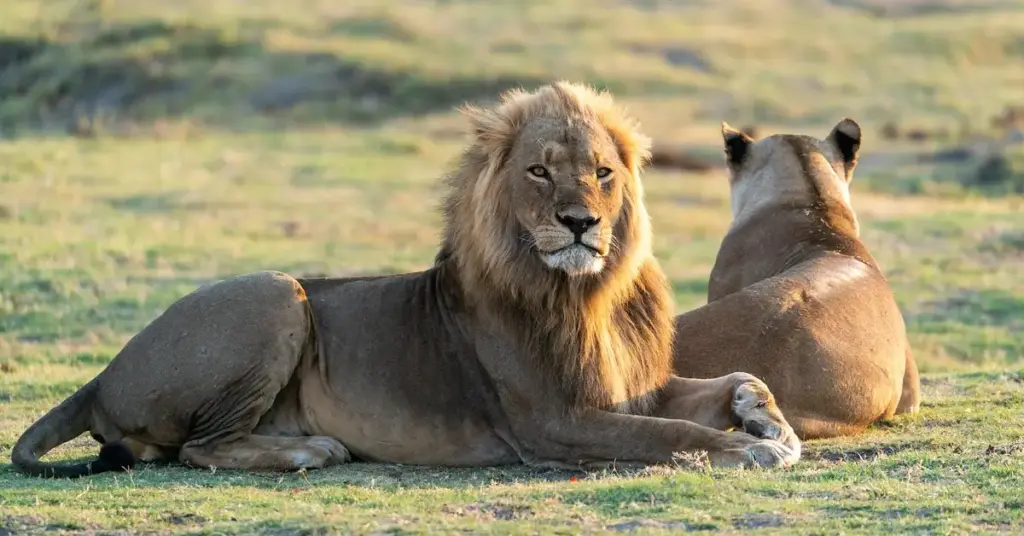
The core idea behind African Lion Safari is simple and genuinely rare. Instead of walking past enclosures the way you would at a typical zoo, you drive your own vehicle through seven large game reserves, with animals roaming loose around and sometimes right up against the car. Lions lounging a few feet from your window, giraffes leaning down toward the glass, and baboons that have made something of a name for themselves by climbing directly onto visitor cars and occasionally pulling off windshield wipers or side mirrors if you’re not careful all happen within a single ninety-minute loop.
Reviewers consistently point to this unpredictability as the park’s biggest draw. A traditional zoo visit is fairly scripted; you know roughly what you’ll see and where. Here, animal activity genuinely varies by day and by weather, which means no two visits play out quite the same way, and that unpredictability is exactly what keeps people coming back.
The park’s origins date back to the 1960s, making it one of the longest-running attractions of its kind anywhere on the continent, and that longevity shows up in how well the operation runs. Staff stationed throughout the drive have decades of collective experience managing both animal welfare and visitor safety, and the reserve layout itself has been refined over generations to balance genuine animal freedom with a route that keeps cars moving safely through the park.
Getting There And What It Costs
African Lion Safari sits at 1386 Cooper Road in Cambridge, Ontario, roughly an hour’s drive from Toronto along Highway 401. Most visitors drive their own vehicle, since public transport options to the park are limited and not particularly convenient. Parking on site is free, which is a small but genuinely appreciated detail given how many attractions nickel and dime visitors on parking fees separately from admission.
Adult admission for 2026 starts from around forty-four dollars, with separate, lower rates for children and seniors, so a family of four should budget somewhere in the range of one hundred fifty to one hundred eighty dollars just for entry, before food or extras. It’s noticeably more expensive than a standard zoo ticket, and that price point comes up repeatedly in reviews. Some visitors feel it’s justified given how much the park packs into a single visit, while others think the cost has crept up faster than the experience has improved. Booking online in advance is worth doing regardless of your view on price, since it guarantees entry on busier days and tends to move you through the gate faster than paying on arrival.
Inside The Reserves: What You’ll Actually See
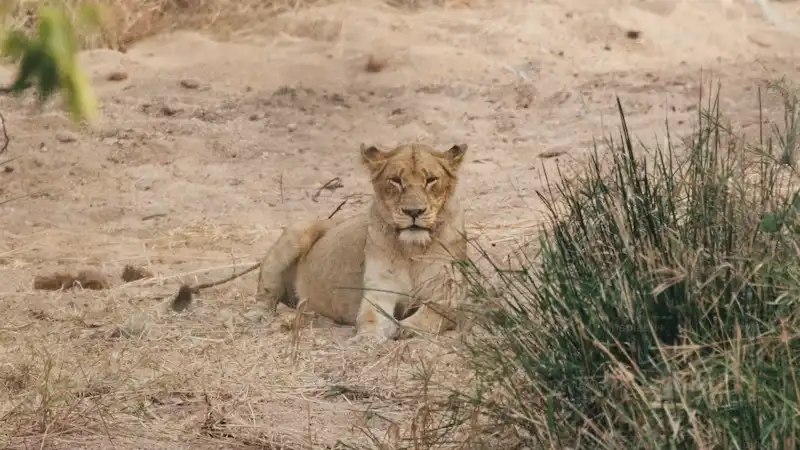
The seven game reserves that make up the drive-through portion of the park each focus on a different region or group of animals, and working through them in order is part of what makes the visit feel like an actual journey rather than a single static attraction. Lions are the obvious headline act, and the park is home to both standard and rare white lions, which reviewers frequently call out as one of the most memorable sightings of the whole visit. Elephants, giraffes, rhinos, and a wide range of African wildlife fill out the remaining reserves, and it’s genuinely common to have an elephant or giraffe wander close enough to the car that photos end up filling an entire phone by the end of the loop.
The baboon reserve deserves its own mention, since it’s simultaneously one of the most talked about parts of the visit and the source of most cautionary advice in reviews. Baboons here are known for jumping directly onto cars, pulling at mirrors, antennas, and windshield wipers, and generally treating vehicles as part of their own playground. It’s genuinely funny and a highlight for most kids, but the park explicitly advises removing anything loose or valuable from the exterior of your car before entering this section, and a small number of reviews mention minor vehicle damage as a result of not taking that seriously.
Beyond The Drive: Shows, Splash Park And More
The drive-through loop is only part of the visit, and skipping the rest of the park would genuinely undersell what a full day here actually looks like. Live animal presentations, including a well-reviewed elephant show, run at scheduled times throughout the day and are consistently mentioned as a highlight worth building your schedule around. Misumu Bay, the park’s water play area, is a strong addition for families visiting in the warmer months, and reviewers specifically recommend packing a spare change of clothes for kids who inevitably end up soaked.
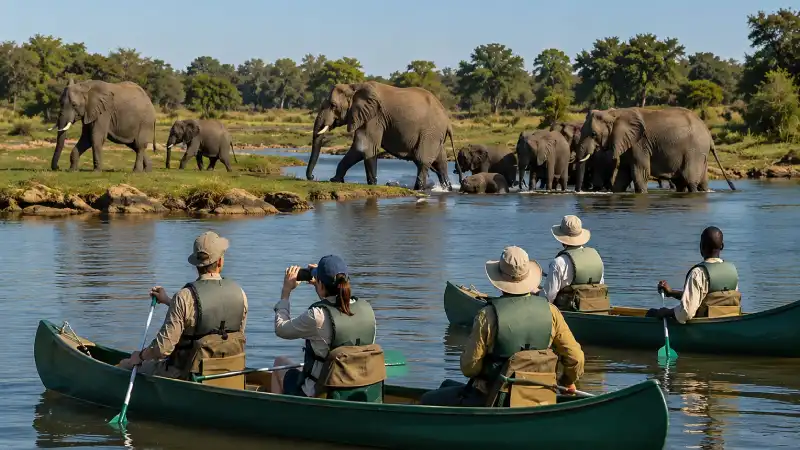
A boat safari option adds another way to see parts of the park’s wildlife from the water, and it’s a nice change of pace if the drive through the loop and walking between exhibits has worn out younger legs. Mombasa Market Restaurant and several smaller food locations around the park cover meals, though a fair number of reviewers recommend bringing your own picnic lunch instead, both for cost reasons and because there are picnic benches scattered throughout the grounds specifically for that purpose.
Is It Worth The Price? An Honest Take
Ratings across major review platforms sit consistently high, generally between 4.2 and 4.5 out of 5 across thousands of reviews, which is a strong signal for an attraction at this price point. The most common praise centers on exactly what makes the park unique, close, unscripted animal encounters that a standard zoo simply can’t replicate, along with genuine enthusiasm for the elephant show and the unpredictable chaos of the baboon reserve.
The criticism that comes up most often relates to price relative to a typical zoo visit and occasional disappointment when animal activity is lower than expected, particularly on very hot days when animals tend to rest rather than move around. A smaller number of reviews mention seasonal changes to which animals are out and visible, with some longtime visitors noting that reserve populations shift from year to year. None of this points to a bad attraction more than that expectations should be set realistically; this is wildlife behaving naturally rather than performing on cue, and a visit on a cooler, more active day tends to deliver noticeably more than one during peak afternoon heat.
READ MORE: Polar Bear Safari in Canada: Complete Guide
When To Go For The Best Experience
African Lion Safari operates seasonally, typically opening in early May and running through late September, with select dates extending into early October. The 2026 season is scheduled to open on May 2, though season dates can shift slightly year to year, so confirming current hours before planning a trip is genuinely worth doing.
Arriving early in the morning comes up repeatedly across reviews as the single best piece of timing advice for the visit. Animals are noticeably more active earlier in the day before the heat sets in, and the entrance queue is considerably shorter than it becomes later in the morning once bus tours and later arrivals start filling the park. Weekday visits, where your schedule allows for them, also tend to mean smaller crowds and a more relaxed pace through both the drive-through reserves and the walking sections of the park.
Tips From Repeat Visitors
Rolling up your windows partway or fully during the baboon reserve section, depending on current park guidance at the time of your visit, protects against the mirror and wiper mischief that shows up in a fair number of reviews. Packing snacks, water, and a picnic lunch cuts down on both cost and time spent waiting in food lines, and the park’s designated picnic areas make this an easy option rather than an inconvenience.
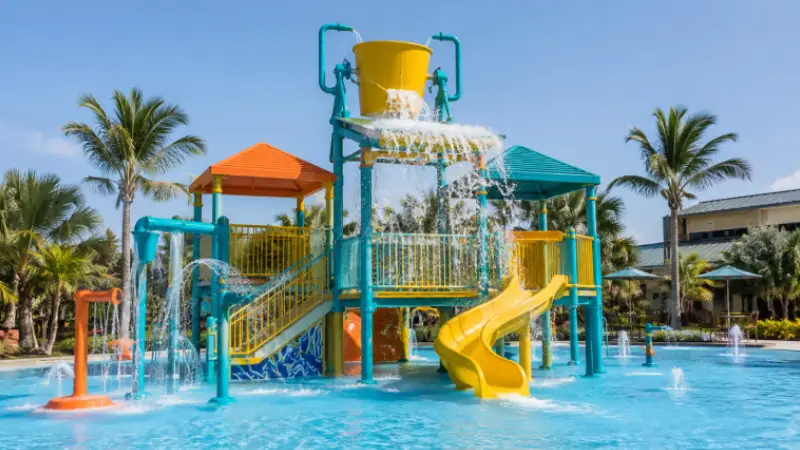
Bringing a spare set of clothes for kids planning to use Misumu Bay’s water play area saves an uncomfortable car ride home, and packing sun protection matters more than first-time visitors expect, since a large portion of the day happens either inside a car with significant sun exposure or walking between outdoor exhibits. Checking the park’s official schedule for elephant shows and other presentations before you arrive, rather than hoping to catch one by chance, helps make sure your day includes the highlights that reviewers consistently rate as the best part of the visit.
Planning Your Visit: A Few Practical Notes
Given how much the schedule, ticket pricing, and reserve lineup can shift from season to season, it’s worth checking African Lion Safari’s official website directly before finalizing your trip, both to confirm current hours and to book tickets in advance for the best price and guaranteed entry. The site also lists current show times, seasonal closures, and any temporary changes to the drive-through route, all details that are easy to miss if you’re relying on an older review or a friend’s account from a previous year.
For families combining this with a wider Toronto trip, African Lion Safari works well as a full-day excursion rather than a quick stop, so it’s worth planning it as its own dedicated day rather than trying to pair it with other major attractions on the same schedule.
How It Compares To A Regular Zoo Visit
It’s worth being upfront about what you’re trading off compared to a standard zoo trip, since the two experiences are genuinely different rather than one simply being a better version of the other. A typical zoo gives you more control; animals stay in fixed, well-marked enclosures, and you can walk at your own pace without needing to stay inside a vehicle. African Lion Safari trades that predictability for proximity and surprise; animals aren’t behind glass or fencing in the same way, and the experience depends partly on what the animals happen to be doing that day rather than a curated walking path designed to guarantee sightings.
For families with car-sick-prone kids, or anyone who genuinely prefers walking over sitting in a vehicle for ninety minutes, this trade-off is worth thinking through before committing to a full day trip. For everyone else, and based on the volume of positive reviews, that’s clearly most visitors, the novelty of driving through open reserves with real wildlife wandering close enough to touch the car tends to outweigh the loss of control that comes with a more traditional zoo layout.
Frequently Asked Questions
Is African Lion Safari worth the admission price?
Most reviewers say yes, particularly for families, given how much the ticket price covers: the drive-through reserves, live shows, the boat safari, and the splash park, though it does run higher than a standard zoo ticket.
How long does the drive-through safari take?
The self-guided drive-through loop typically takes around ninety minutes, though total time at the park, including shows, the splash park, and food breaks, usually fills a full day.
Is African Lion Safari open year round?
No, it operates seasonally, typically from early May through late September, with select dates extending into early October. Always confirm current season dates before planning a visit.
Can baboons actually damage my car?
It’s uncommon but not unheard of. Baboons in that reserve are known for climbing on cars and pulling at loose mirrors, wipers, and antennas, so removing anything detachable beforehand is a sensible precaution.
Is African Lion Safari good for young children?
Yes, the drive-through format works well for young kids since they stay safely inside the car for most of the wildlife viewing, and the splash park and elephant show are both popular with younger visitors specifically.
How far is African Lion Safari from Toronto?
It’s roughly an hour’s drive from Toronto via Highway 401, making it a practical day trip for families based in or visiting the city.
Final Thoughts
African Lion Safari earns its reputation as one of the more unusual, genuinely memorable family day trips in Southern Ontario, precisely because it doesn’t try to be a polished, predictable attraction. Animals behave like animals, which means some visits deliver more excitement than others, but that unpredictability is exactly what most reviewers end up loving about it. If a drive-through safari an hour from Toronto sounds like the kind of oddly specific day trip your family would remember, this is one worth putting on the 2026 list.


