
Polar Bear Safari in Canada: Complete Guide to Churchill Costs and Best Time to Go

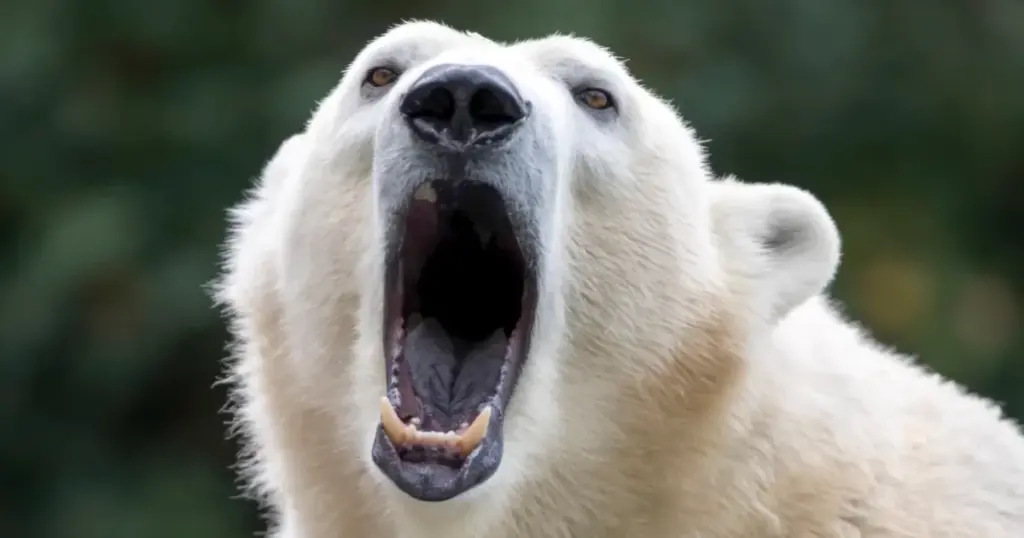
Most people don’t casually decide to go see polar bears. It’s usually a trip that sits on a list for years before someone finally commits to the flights, the layers of thermal wear, and the very real cost of getting there. Every October and November the small town of Churchill in Manitoba fills up with wild polar bears waiting for Hudson Bay to freeze over so they can get back out onto the ice. There’s genuinely nowhere else on the planet where you can count on seeing this many bears in one place without a fence between you and them.
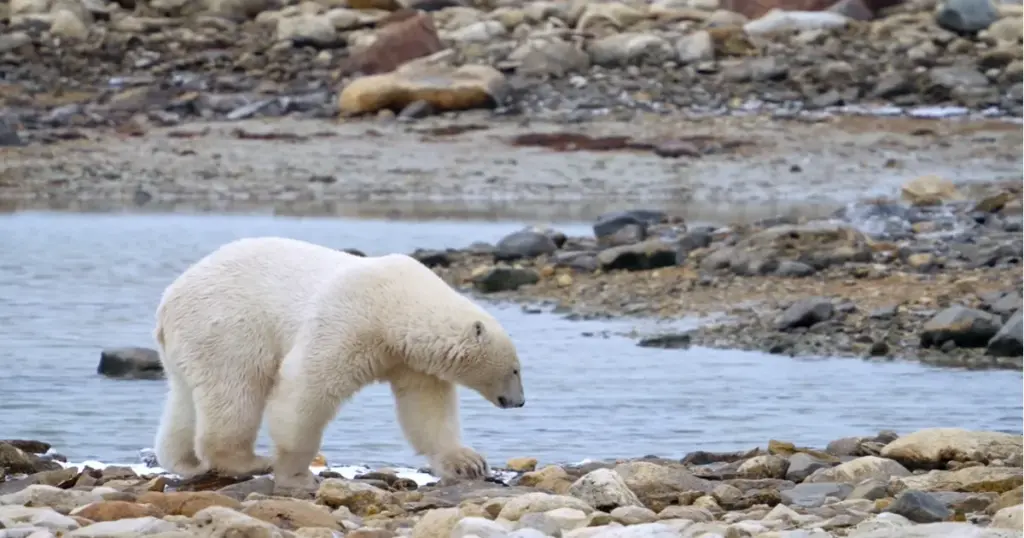
This guide covers what you actually need to know before booking a polar bear safari in Canada. How the migration works. What’s the difference between riding out on a tundra buggy and walking the tundra with an armed guide? What it costs in real terms. When to go and why the date matters more than almost anything else. And how people are pairing this trip with the Northern Lights or the beluga whales that show up in the same stretch of coastline.
What Is a Polar Bear Safari, Really
Strip away the marketing language and a polar bear safari is simply a guided trip built around watching wild polar bears move along their natural migration route. Nearly all of it happens near Churchill, a town that picked up the nickname “Polar Bear Capital of the World” a long time ago and has never really let go of it. Nobody’s baiting the bears or setting anything up for a photo. You’re watching hundreds of animals do exactly what they’d do whether tourists showed up or not.
Why Churchill and Not Somewhere Else
The geography does most of the work here. Polar bears hunt seals from sea ice, and when the ice melts each summer, they’re pushed onto land with nothing to do but wait. Churchill happens to sit right along the stretch of coast where bears gather during that wait, which is why numbers well above 900 bears have been recorded passing near the town in a single season. It’s not a coincidence, and it’s not something any tour operator engineered. It’s just where the bears already go.
How This Compares to an African Safari
People sometimes ask if it’s “like an African safari but cold,” and the honest answer is not really. An African safari gives you a wide cast of animals across open grasslands. Here you’re focused on one animal, in one narrow window of the year, in a landscape that looks more like the moon than a nature documentary set. It rewards patience more than constant action. Some hours nothing happens at all, and then a bear will wander close enough that you forget to breathe for a minute.
Best Time to Go on a Polar Bear Safari
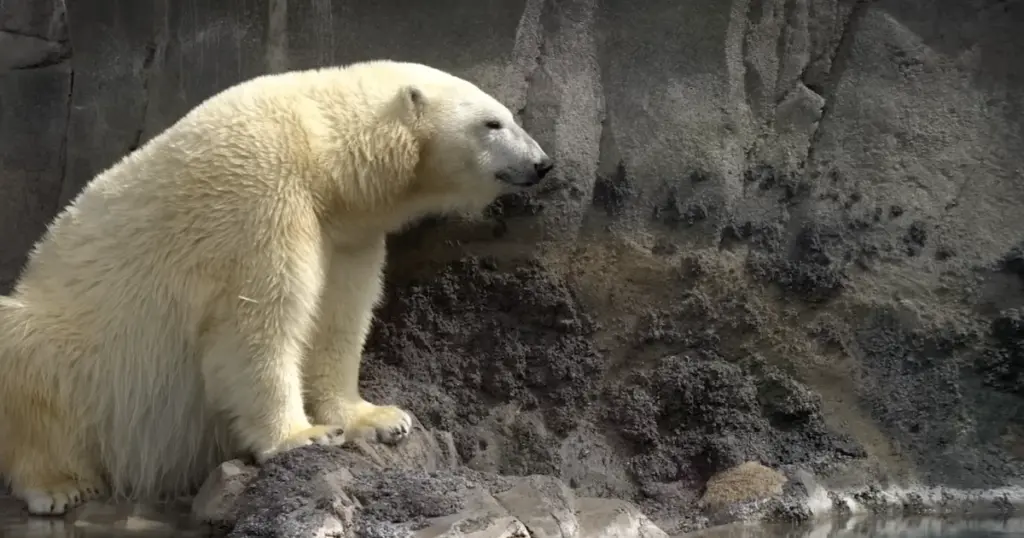
Timing isn’t a minor detail on this trip. It’s arguably the most important decision you’ll make.
Peak Season Runs Late October Into Mid-November
This is when the bear population near Churchill peaks, and it’s also when nearly every major tundra buggy operator runs its core season. Sightings during these few weeks are close to guaranteed on a multi-day tour, which is exactly why this window books out fast.
Summer Has Its Own Appeal
A smaller number of bears rest along the shoreline through July and August, and this overlaps almost perfectly with beluga whale season, when tens of thousands of belugas crowd the estuary to feed and give birth. A fair number of travelers actually prefer combining the two rather than chasing peak bear numbers alone.
Winter Brings the Northern Lights
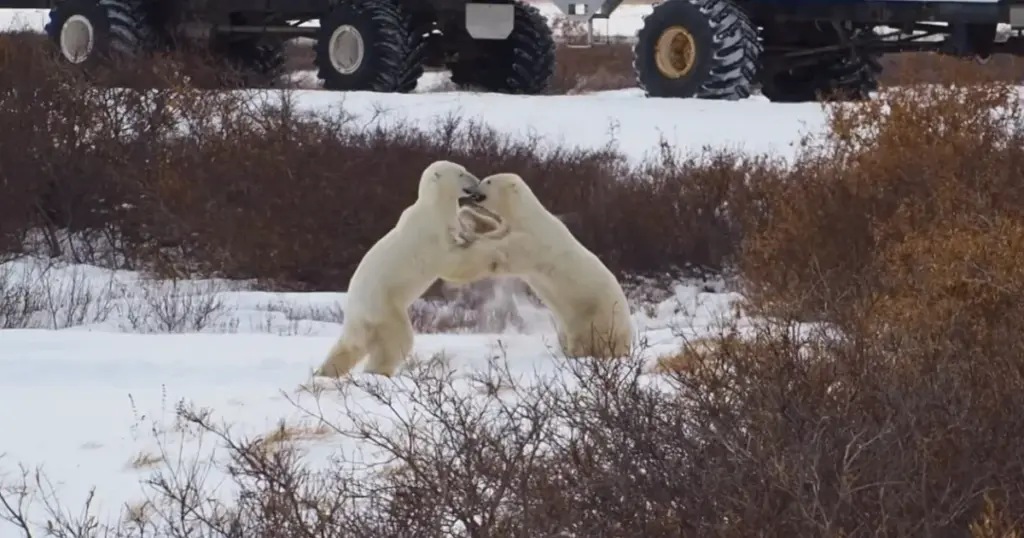
By late winter, the bears thin out, but Churchill turns into one of the more reliable places on the continent for catching the Aurora Borealis, since it sits right under the auroral oval. Plenty of people now book a completely separate winter trip just for the lights, the dog sledding, and the frozen tundra itself.
The Different Types of Polar Bear Safaris
Not every polar bear tour puts you in the same seat, and the type you pick changes both the experience and how much it costs.
Tundra Buggy Tours
This is still the classic way to do it. Tundra buggies are oversized, heavily reinforced vehicles built specifically to move across fragile tundra without tearing it up, and they keep you warm and at a sensible distance from the bears while you watch. Most have an open rear viewing deck and a guide onboard narrating what’s happening in real time.
Day Trips vs Sleeping Out on the Tundra
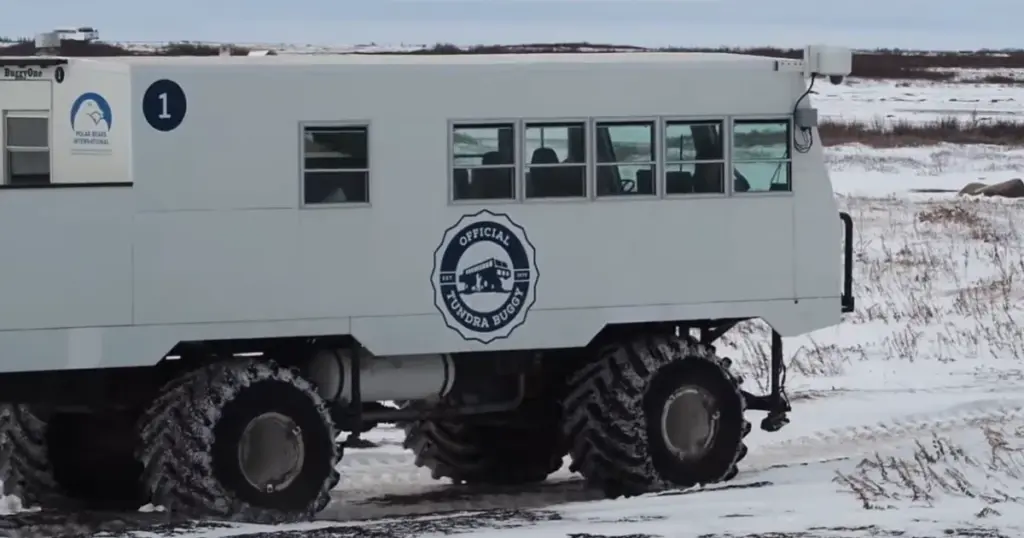
A single-day buggy tour heads out from Churchill in the morning and comes back by evening. A Tundra Buggy Lodge stay is a different animal entirely – you sleep in mobile lodge units parked directly on the tundra, so a bear might be wandering right outside your window at sunrise. It costs more, but a lot of people say it’s the part of the trip they remember most.
Walking Safaris From Remote Ecolodges
There’s a newer style of trip built around walking the tundra on foot, guided by people trained (and armed, as a precaution) to read bear behavior up close. This puts you at ground level instead of looking down from a vehicle deck, and it tends to appeal to travelers who’ve already done the classic buggy trip and want something more intimate.
All-Inclusive Package Tours
Most first-timers end up booking a multi-day package that bundles the Winnipeg-to-Churchill flights, accommodation, guided buggy days, meals and often a cultural program covering local Indigenous history. These usually run four to seven days and take most of the planning headache off your plate.
Getting to Churchill
There’s no highway to Churchill, which is honestly part of what keeps it as wild as it is.
Flying Through Winnipeg
Nearly everyone gets there by flying into Winnipeg first, then taking a connecting or charter flight north. Most tour packages already include this internal flight in the price, and honestly it’s worth letting them handle it – independently booking Churchill flights during peak season gets expensive and complicated fast.
The Train, If You Have the Time
There’s also a slower option: the VIA Rail train from Winnipeg, which takes about two days through boreal forest that gradually turns into tundra. A few specialty operators build entire itineraries around this train ride for people who want the journey itself to be part of the adventure, not just a way of getting from A to B.
What a Polar Bear Safari in Canada Actually Costs
This is a genuinely premium trip, and it helps to go in with realistic numbers rather than being surprised later.
A single-day tundra buggy excursion out of Churchill, transport and a boxed lunch included, is the cheapest way to see the bears – though you’re still paying for flights and accommodation on top of that. Multi-day, all-inclusive packages that bundle flights, Churchill lodging, several buggy days, and meals make up most of what international travelers actually book, and the price scales up quickly with each extra buggy day or a Tundra Buggy Lodge overnight. At the top end are the remote wilderness ecolodge walking safaris, which include chartered flights to isolated lodges, tiny group sizes, and a much higher guide-to-guest ratio, and the price reflects that.
Whatever package you’re comparing, check what’s actually excluded. International airfare to Winnipeg, travel insurance, gratuities and anything personal like souvenirs are usually left out of the headline number, so two “similar” packages can end up costing very different amounts once you add everything back in.
What to Pack
Churchill’s cold is a different kind of cold, and the right gear changes how much you actually enjoy standing on a viewing deck for hours.
Layering matters more than any single expensive coat. Wind chill during peak season regularly pushes temperatures well below freezing, so a thermal base layer, a proper insulating mid-layer and a windproof, waterproof shell on top will serve you far better than one heavy jacket. Insulated waterproof boots rated for subarctic cold are non-negotiable too, since you’ll be on your feet on cold metal for long stretches. Bring liner gloves for handling a camera plus thicker mittens for when you’re not shooting.
If you’re bringing a camera, pack spare batteries and keep them close to your body – cold drains them faster than people expect. A telephoto lens of 300mm or more is worth the extra bag space, because respectful viewing distances mean bears are often further away than the dramatic close-up shots online might suggest.
Is It Actually Safe
Polar bears are the largest land carnivores alive, so every serious operator in Churchill treats safety as something you don’t cut corners on.
Tundra buggies are built with elevated frames specifically so a bear can’t reach passengers, and guides keep a sensible distance at all times regardless of how close a curious bear wanders. On walking safaris, guides carry a firearm purely as a last-resort precaution, are trained extensively in reading bear behavior, and use techniques like deliberately making noise so a resting bear isn’t startled by a group walking up on it unannounced. Even the town itself runs an active Polar Bear Alert Program, complete with a holding facility for bears that wander too close, and locals genuinely keep their car doors unlocked during bear season in case someone needs to duck into one fast.
Pairing It With Other Churchill Experiences
Getting to Churchill takes real time and money, so most people stretch the trip to squeeze in more than just bears.
If you’re going in summer, boat tours among the beluga whales gathering in the Churchill River estuary are an easy add-on, and some operators even let you kayak or snorkel near them in calmer stretches of water. Because Churchill sits directly under the auroral oval, several operators also run dedicated evening aurora sessions alongside the daytime wildlife excursions. And most multi-day packages throw in a visit to the Itsanitaq Museum along with a cultural session led by a local Indigenous resident, which adds real context to the trip beyond just the wildlife.
Picking the Right Operator
For a trip this expensive and this once-in-a-lifetime, the operator matters just as much as the itinerary.
Look for companies that have been running Churchill polar bear tours for years and that actually hold recognized access permits to the Churchill Wildlife Management Area – permit access directly affects how close and how often you’ll see bears at all. Smaller group sizes, on both buggies and walking safaris, usually mean better window positions and more one-on-one guide attention. And before comparing prices across operators, check carefully whether flights, meals and cultural add-ons are baked into the base price or tacked on separately, because two packages that look similar on paper can end up nowhere near each other once the extras are added in.
A Sample 5-Day Itinerary
To make all of this a bit more concrete, here’s roughly what a typical multi-day package looks like in practice.
- Day one is usually just arrival in Winnipeg, since Churchill flights leave early the next morning – expect a welcome briefing and an overnight near the airport.
- Day two is the flight north followed by a town orientation, with stops at the Itsanitaq Museum and the Polar Bear Holding Facility plus an introduction to local Indigenous history.
- Days three and four are the heart of the trip – full days out on the tundra in a buggy tracking bear movement along the coast, often with an overnight at the Tundra Buggy Lodge built in somewhere along the way.
- Day five is typically a final short excursion or some free time before the return flight to Winnipeg, where most tours wrap up.
Mistakes First-Timers Keep Making
A handful of avoidable mistakes come up again and again with first-time visitors.
Booking too late is the biggest one – peak-season buggy tours and lodge stays sell out six months to a year ahead because group sizes are kept deliberately small, so waiting until a month or two before travel usually means settling for whatever’s left. A lot of visitors also underestimate the cold, especially anyone coming from a warmer climate, and end up cutting their time on an open viewing deck short because they didn’t layer properly. It’s also worth going in without the expectation of a dramatic close encounter every single day – sightings over a multi-day trip are extremely likely, but bears are still wild animals, and building in three or four days on the tundra rather than just one meaningfully improves your odds. Lastly, don’t treat travel insurance as an afterthought. Given how remote this is and how much of the trip depends on charter flights, insurance that covers trip interruption and medical evacuation is worth sorting out early.
Is a Polar Bear Safari in Canada Worth It
If you genuinely love wildlife, yes, without much hesitation – just go in with realistic expectations. This isn’t a cheap, same-day activity. It takes real planning, a serious budget, and a bit of patience with subarctic weather that doesn’t care about your itinerary. What you get in return is one of the wildest, least crowded, most genuinely awe-inspiring encounters left anywhere – hundreds of polar bears on open tundra, no fences, no guarantees except the ones nature decides to give you.
And if wildlife travel is already your thing, this pairs naturally with other Canadian trips worth exploring, whether that’s grizzly bear watching in British Columbia or whale watching off Vancouver Island – building toward a longer wildlife-themed Canada itinerary rather than one isolated trip.
Frequently Asked Questions
When is the best time to see polar bears in Canada?
Late October to mid-November, when the largest number of bears gathers near Churchill, waiting for Hudson Bay to freeze.
Do I need to fly through Winnipeg to reach Churchill?
Yes. There’s no road access to Churchill, so nearly every visitor connects through a Winnipeg flight or the VIA Rail train.
Are polar bear safaris in Canada actually safe?
Yes. Reputable operators use reinforced tundra buggies or trained armed guides on walking safaris, and Churchill itself runs an active bear-safety program year-round.
Can I combine a polar bear safari with the Northern Lights?
Yes, though usually not on the same trip – Churchill sits under the auroral oval and several operators run separate aurora-focused seasons apart from the bear-viewing


