
Australia Couples Holiday 2026: Best Places, Costs And A Realistic Itinerary

Australia has a strange habit of turning up on every best couples destination” list without anyone quite explaining why it works so well for two people travelling together instead of one. Part of it is scale; the country is enormous, so a trip built around a couple’s actual pace rather than a fixed group itinerary suits it naturally. Part of it is variety too; you can go from a harbour-side dinner in Sydney to snorkelling the reef to a vineyard picnic in the space of a week and a half without the trip feeling scattered.
None of that means it plans itself, though. Australia is big enough that trying to cover too much turns a relaxed holiday into a logistics exercise, flights between regions add up fast, and a few entry requirements catch travellers off guard if they’re working from outdated information. This guide walks through what an actual couples trip to Australia needs in 2026, current visa rules, realistic costs for two people, when to go, and a route through the country that gives a relationship room to breathe rather than rushing past it.
Visa Requirements For A Couples Trip To Australia
Australia’s visa system is straightforward once you know which category applies, though it does require action before you fly, unlike destinations where you simply show up with a passport.
Most short-term visitors from eligible countries, including the US, UK, Canada, most of the EU and a long list of others, apply for an Electronic Travel Authority, commonly called an ETA, through the official Australian government app or website. It’s a quick online application, usually approved within minutes, though occasionally taking longer, and it covers stays of up to three months per visit within a twelve-month validity window. New Zealand citizens have their own separate arrangement and generally don’t need to apply for an ETA at all.
Travellers from countries not on the ETA eligible list apply instead for an eVisitor visa or a standard visitor visa, depending on nationality, both processed through the same government immigration channel. The application itself asks for passport details, travel dates and a short health and character declaration, nothing especially invasive, but it’s worth applying at least a couple of weeks ahead of departure rather than the night before, since processing occasionally takes longer than the usual few minutes.
Where couples specifically run into trouble is assuming a partner’s visa approval automatically covers the other person, which isn’t how it works, each traveler needs their own individual application even when booking and traveling together. It’s a small detail, but it’s caused more than one couple to have one partner cleared for boarding and the other stuck sorting out a rejected or incomplete application at the gate. Apply for both applications together, well before the trip, through the official Australian ETA visa page, and keep the confirmation email or app screenshot accessible on arrival even though it’s usually linked electronically to your passport.
What A Couples Trip To Australia Actually Costs
Australia has a reputation as an expensive destination, and honestly, that reputation is fair in some categories and overstated in others. The real cost of a trip depends heavily on which regions you visit and how much of the trip revolves around big-ticket experiences versus everyday exploring.

Accommodation For Two
A comfortable three- or four-star hotel room in Sydney or Melbourne typically runs one hundred fifty to two hundred fifty dollars a night, with boutique or design-forward options pushing higher in the most central neighbourhoods. Regional towns and smaller coastal spots tend to run noticeably cheaper, often one hundred to one hundred fifty dollars for a similarly comfortable room, and a lot of couples find these smaller town stays end up being the most memorable part of the trip anyway. Anything branded as a honeymoon suite or adults-only retreat, particularly around the Whitsundays or the Blue Mountains, sits considerably higher again, sometimes three hundred fifty dollars a night or more, though many of these come with private plunge pools or similar extras that justify the jump for a special trip.
Food And Dining Together
Casual meals, a good pub lunch or a solid café breakfast for two generally run forty to sixty dollars combined. A proper sit-down dinner with a shared bottle of wine at a mid-range restaurant lands somewhere between one hundred and one hundred sixty dollars for two, and Australia’s wine regions in particular reward splurging on at least one proper long lunch, since the produce and the setting are honestly worth it. Sydney and Melbourne both have excellent, more affordable options too, food halls, laneway cafes and Asian eateries especially, where a filling meal for two can still come in under forty dollars if that’s the priority some days.
Getting Between Regions
Domestic flights are the backbone of most Australia itineraries given the distances involved, and a Sydney to Cairns or Sydney to Melbourne route typically runs one hundred to two hundred dollars per person if booked a few weeks out. Renting a car for coastal stretches like the Great Ocean Road makes sense for couples wanting flexibility, and a mid-size rental generally costs sixty to ninety dollars a day before fuel. Within cities, Sydney’s Opal card and Melbourne’s Myki system both cover trains, trams and buses cheaply, usually under six dollars per trip, and Melbourne’s central city trams are free within the downtown zone, a nice detail for couples wandering between neighbourhoods without a fixed plan.
Activities Worth Budgeting For
A full-day reef trip out of Cairns or the Whitsundays, snorkelling included, generally runs one hundred fifty to two hundred twenty dollars per person, and it’s genuinely one of the experiences worth prioritising the trip’s budget around. Wine tasting in the Yarra Valley or the Hunter Valley usually costs ten to twenty-five dollars per tasting flight, sometimes waived with a bottle purchase, and a half-day guided tour through either region, including transport, runs roughly ninety to one hundred thirty dollars per person. Sydney Harbour cruises, aquarium visits and Blue Mountains day trips tend to fall in a similar range, and most couples find two or three paid experiences per region strikes the right balance between a packed schedule and actually having time together.
A Realistic Daily Budget For Two
A couple staying in comfortable mid-range accommodation, eating a mix of casual and proper meals, and building in one paid activity most days can expect to spend roughly two hundred fifty to three hundred fifty dollars a day combined. Couples leaning into resort stays, private tours and higher-end dining should plan for closer to five hundred dollars a day or more, particularly around the reef and wine regions where the standout experiences carry a real price tag.
Best Time To Visit Australia As A Couple
Australia’s seasons run opposite the northern hemisphere’s, which trips up a fair number of first-time visitors planning around a European or American calendar in their head. Summer runs from December through February, and it’s the obvious pick for beach-heavy stretches of the trip, though Sydney and the east coast get genuinely busy and pricier around this window, especially over the Christmas and New Year period.
March through May, Australia’s autumn, is arguably the sweet spot for a couples trip: mild temperatures across most of the country, thinner crowds, and wine regions in full harvest mode, which adds a nice seasonal layer to a Yarra Valley or Hunter Valley stop. September through November, spring, offers a similar appeal in reverse, with wildflowers across parts of the country and comfortable temperatures before summer’s crowds arrive.
Winter, June through August, is actually the better window for the reef specifically, since visibility tends to improve and the far north stays warm year round even while Melbourne and the southern states cool down noticeably. Couples splitting their trip between the reef and the southern cities should factor this seasonal split into which order they visit each region, since packing for both ends of the country at once needs a bit more thought than a single climate destination would.
A Realistic Couples Itinerary Through Australia
Sydney: Three To Four Days
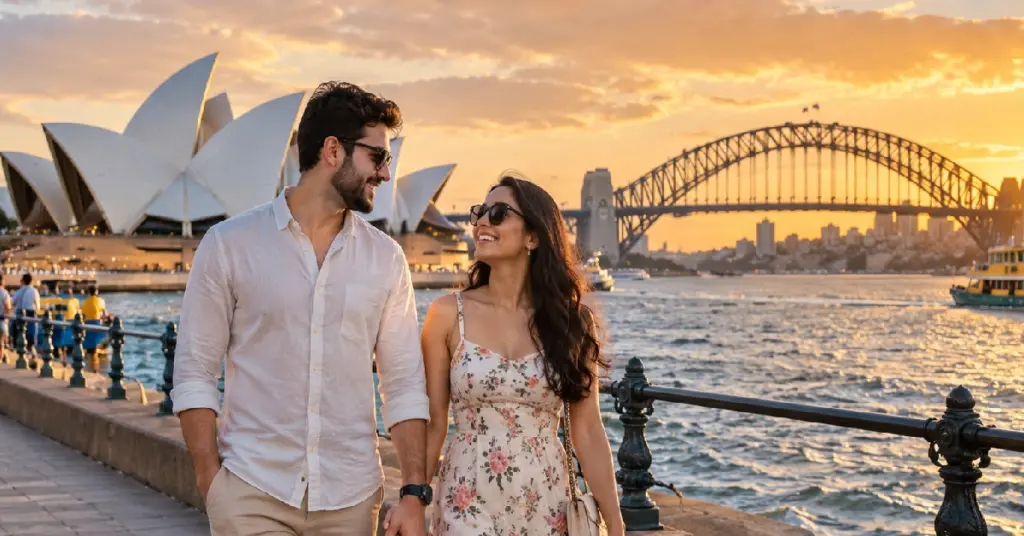
Start in Sydney, since it’s the entry point for most international flights and gives the trip an easy, walkable opening chapter. The Harbour Bridge and Opera House anchor the obvious sightseeing, but a sunset stroll from Mrs Macquarie’s Chair or a harbour ferry to Manly gives couples a quieter, more romantic version of the same views without the crowds directly beneath the Opera House steps. Bondi to Coogee’s coastal walk is worth a half day on its own, and the Rocks neighbourhood’s restaurants make for a good first proper dinner in the country.
Melbourne And The Great Ocean Road: Three To Four Days
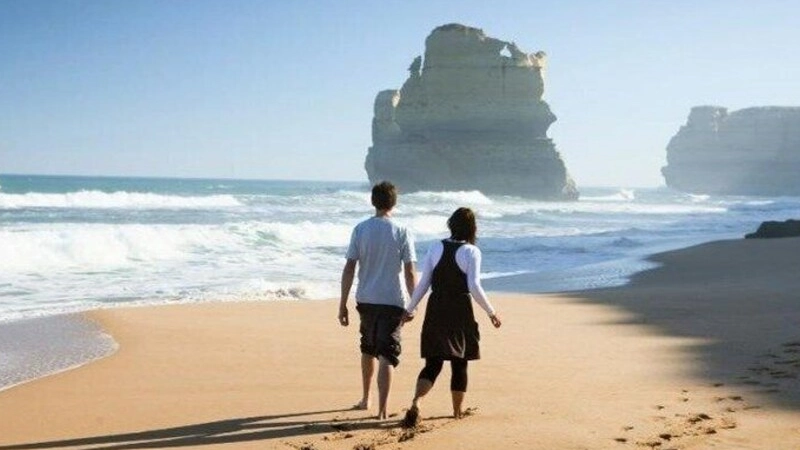
Fly or take the train south to Melbourne for a genuinely different pace and personality than Sydney’s. The city’s laneway culture rewards slow, unplanned wandering more than a checklist of sights, and a day trip or overnight stop along the Great Ocean Road to see the Twelve Apostles gives the itinerary its big dramatic coastal moment. The Yarra Valley sits close enough for a half-day wine trip without needing to build an entire extra stop around it.
The Great Barrier Reef Or The Whitsundays: Four To Five Days
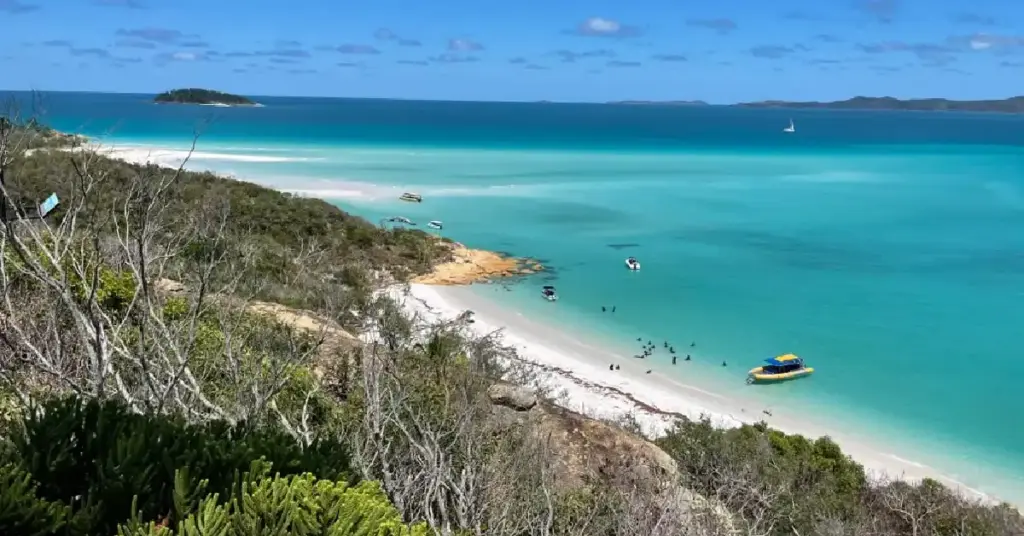
Close the trip with the reef, either based in Cairns for easy access to reef tours and the nearby rainforest, or the Whitsundays for a more resort focused, sail between islands kind of pace. Whitehaven Beach’s swirling white sand is one of those places that genuinely earns its reputation, and a sailing trip through the islands gives couples several days of a slower, more private rhythm after two busier cities. Couples wanting a true honeymoon feel tend to lean toward the Whitsundays specifically, since private island resorts and adults only stays are more common here than around Cairns itself.
This ten to twelve day structure covers Australia’s east coast highlights without cramming three cities’ worth of pace into a single trip, and it compresses to a week by dropping either Melbourne or the Reef or extends naturally by adding a few days in Tasmania or the Blue Mountains for couples with more time.
Cultural And Practical Things Worth Knowing
Australians tend toward a relaxed, informal social style, first names and casual conversation are the norm even in fairly upscale settings, and overly formal behaviour can actually read as a bit stiff rather than polite. Tipping isn’t expected the way it is in the US, service staff are paid a proper wage, though rounding up or leaving ten percent for exceptional service at a nicer restaurant is appreciated without being required.
Sun exposure deserves more respect than most visitors expect Australia’s UV index runs genuinely high even on mild, overcast-looking days, and sunscreen, hats and reef safe products specifically for anyone snorkelling matter more here than in most destinations. Wildlife caution applies mainly to swimming spots, stinger nets mark safe swimming zones along the tropical coast during jellyfish season, and it’s worth checking local signage rather than assuming any beach that looks calm is automatically safe.
Distances are the one thing that consistently surprises first time visitors, the drive from Sydney to Melbourne alone runs close to nine hours, so couples used to compact European geography should plan domestic flights between regions rather than assuming a scenic drive covers the whole trip.
Why Travel Insurance Matters For This Trip
Australia’s healthcare system is excellent, but visitors without coverage face full private rates, and a country built around outdoor activities, reef snorkelling, coastal hikes, road trips through remote stretches, carries a real injury risk profile even for a relaxed couples holiday. A comprehensive policy covering medical costs, trip cancellation and lost baggage is worth arranging before departure, and it’s specifically worth checking that any policy covers water sports and reef excursions, since a number of standard travel policies exclude these unless added on separately.
For current, government backed travel advice specific to Australia, including regional safety updates and seasonal warnings, Australia’s official Smartraveller site is a genuinely useful bookmark, and pairing it with Tourism Australia’s official planning site for regional inspiration and event dates covers both the practical and the fun side of trip planning from sources that are actually maintained by the country itself rather than a third party aggregator.
Packing For Two Very Different Climates
Layering is the real trick to packing for Australia, since a single trip can move between tropical humidity near the reef and genuinely cool evenings in Melbourne or the Blue Mountains depending on the season. Lightweight, breathable clothing covers most daytime plans, but at least one warmer layer earns its space for evenings in the southern cities or an early morning reef departure. Reef safe sunscreen is worth packing rather than buying locally if a specific brand matters to either of you, since not every convenience store stocks it, and a proper hat and sunglasses matter more here than in most destinations given how strong the sun actually is.
A local SIM or eSIM is easy to sort on arrival at any major airport, and having reliable data throughout the trip makes booking last-minute dinner reservations, navigating between neighbourhoods and staying in touch with tour operators considerably smoother, particularly once the itinerary moves into smaller coastal towns with patchier hotel wifi.
Frequently Asked Questions
Do couples need separate visas to visit Australia?
Yes, each traveller needs their own individual ETA or visitor visa application, even when booking and travelling together as a couple. One partner’s approval doesn’t cover the other.
How many days should a couple’s trip to Australia be?
Ten to twelve days comfortably covers Sydney, Melbourne or the Great Ocean Road and the Great Barrier Reef or Whitsundays. A week works well if you focus on just two of those regions.
What is the best time of year for an Australian couple’s holiday?
March through May and September through November offer the most comfortable weather across most regions. June through August is actually the better window specifically for reef visibility, while December through February suits beach-focused trips despite higher prices and crowds.
Is Australia an expensive destination for couples?
It runs higher than Southeast Asia overall, though costs vary a lot by region and choice of activities. A comfortable mid-range trip for two generally runs two hundred fifty to three hundred fifty dollars a day combined.
Is travel insurance necessary for a trip to Australia?
It isn’t a formal entry requirement, but it’s strongly recommended given private healthcare costs and the outdoor, activity-heavy nature of most Australia itineraries, and it’s worth confirming any policy covers reef trips and water sports specifically.
Final Thoughts
An Australia couples trip rewards a bit of upfront planning more than its laid-back reputation might suggest, mostly because the country’s sheer size means a rushed itinerary undercuts exactly the kind of slow, together time most couples are actually looking for. Sort the visa applications early and separately for both travellers, budget realistically for the regions that matter most to you as a pair, and build a route that gives Sydney, the south and the reef each a proper stretch of time rather than squeezing three distinct trips into one. Get that balance right, and the rest, the long dinners, the quiet beaches, and the drives with nowhere particular to be, tend to fall into place on its own.


