
Best Places To Visit In Europe: Fresh Picks Worth Planning Around

Every year the same handful of names dominate the where to go in Europe conversation, and most of them, fairly enough, still deserve the attention. But 2026 has quietly reshuffled the list in a few genuinely interesting ways: a new museum opening is pulling art travelers toward a city that rarely tops these lists, a stretch of coastline once dismissed as Croatia’s cheaper cousin is now being compared favorably to it, and some of the continent’s biggest names are turning out to be at their best not in peak summer, but in the quiet months nobody else is booking.
This guide pulls together the destinations genuinely worth planning a 2026 trip around, drawing on what’s actually opening, trending, and being recommended right now rather than recycling the same evergreen list. If you want the full month by month breakdown behind some of these picks, Jayway Travel’s 2026 seasonal guide is worth a look alongside this one.
Prague, Czech Republic: Best Seen In The Quiet Months
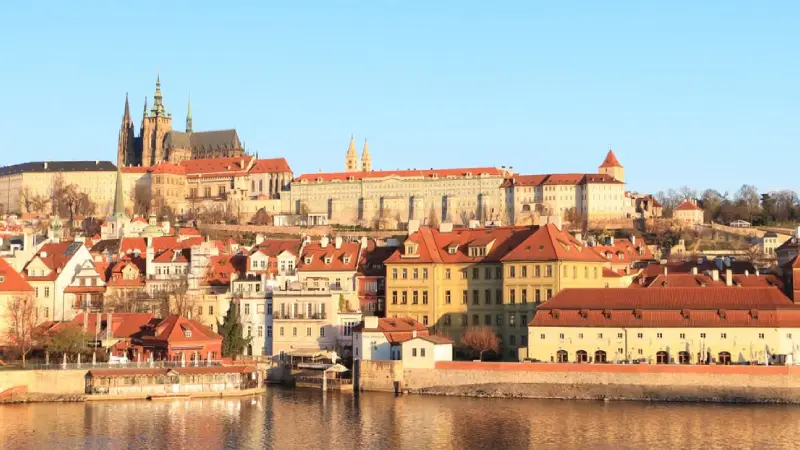
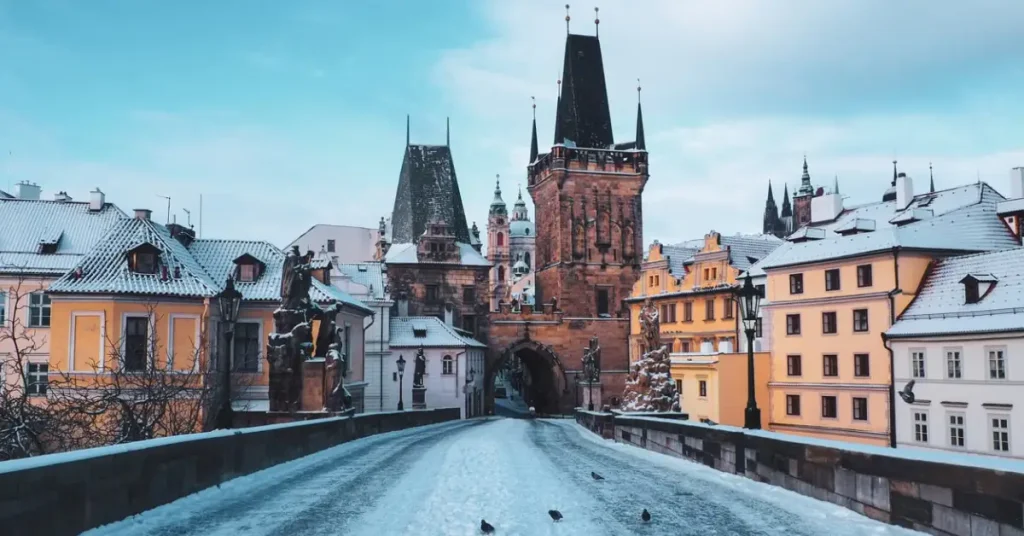
Prague has been a fixture on European bucket lists for decades, but the version worth planning for in 2026 is the one most visitors skip entirely, the city in January. Yes, it’s cold, and yes, that puts off a lot of travelers, but that’s exactly the point. The Charles Bridge, normally shoulder to shoulder with tour groups from spring through early autumn, becomes something close to walkable in the depths of winter, and Prague Castle, the largest castle complex in the world, feels genuinely different to explore without the crowds pressing in from every angle.
For anyone building a broader Central Europe leg into their trip, Prague pairs naturally with Kraków, roughly a five hour drive or a comfortable train ride away, and both cities reward exactly the same off-peak strategy.
The Scottish Highlands
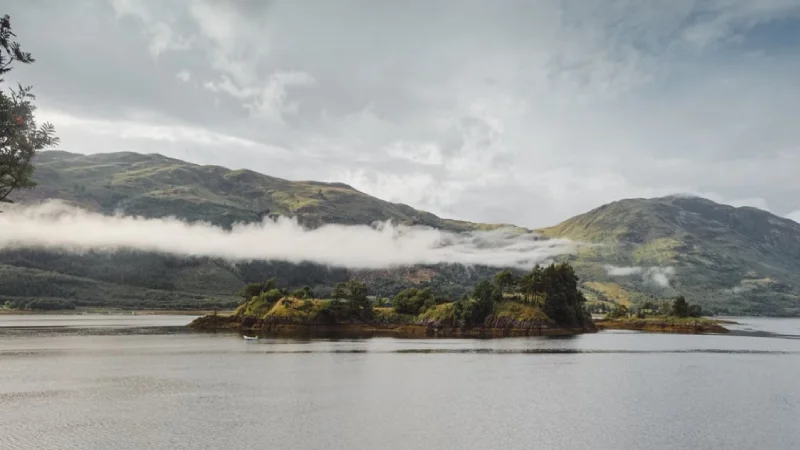
Consistently ranked among the top destinations in Europe by major travel outlets, the Highlands earn the reputation through sheer atmosphere, misty mountains, glassy lochs, scattered castles, and more sheep than people in most stretches. A drive out to Eilean Donan Castle remains one of the most photographed stops in the region, and the Jacobite Steam Train, the same route that inspired a famous fictional train journey, crosses the Glenfinnan Viaduct in a way that’s become something of a pilgrimage for train and film enthusiasts alike. Culloden Battlefield adds real historical weight to a region that could otherwise be enjoyed purely for its scenery.
Late spring through early autumn gives the most reliable weather here, though the Highlands, being the Highlands, can produce a beautiful clear afternoon and a sudden downpour within the same few hours regardless of season, so packing layers matters more than picking the perfect month.
Budapest, Hungary
Budapest keeps showing up on “most underrated” lists year after year, and honestly, it’s starting to feel a little strange calling a capital city with this much grandeur underrated at all. Grand Danube side architecture, the thermal bath culture at spots like Széchenyi, and a genuinely lively bar scene through the Jewish Quarter’s ruin bars all combine into a city that punches well above its usual billing. Autumn is when Budapest is most often recommended, mild enough for long riverside walks with the crowds well thinned out, and a soak in an outdoor thermal bath as the evening cools down tends to be the single experience visitors mention most once they’re home.
According to Lux Life London’s own Europe city guide, Budapest offers exactly that mix of elegance and edge that makes a short autumn visit feel like far more than a quick city break.
Kraków, Poland
Kraków’s medieval old town, centered on the Cloth Hall and framed by Wawel Castle, photographs beautifully in any season, but autumn brings out something extra: amber leaves framing the cobbled streets and a genuine quiet charm to wandering with a warm pretzel or coffee in hand. Climbing the cathedral tower for panoramic views over the old town remains one of the simplest, most rewarding things to do here, and the more somber history of the Jewish Quarter adds real depth to a visit that could otherwise stay purely scenic.
Brussels, Belgium: A City Having A Real Cultural Moment
Brussels doesn’t usually top these lists, but 2026 gives it a genuinely strong reason to appear on one. The new Kanal-Centre Pompidou museum, opening in the city, marks what’s being described as a major cultural renaissance for a capital that’s often overshadowed by Paris and Amsterdam on the same continent. Pair a museum-focused visit with the city’s famously excellent food scene, and Brussels makes a compelling case as one of 2026’s more interesting culture and food destinations rather than just a stopover on the way to somewhere else.
Seville, Spain
Seville’s Alcázar, a royal palace complex with deep Moorish roots, remains one of Andalusia’s genuine showstoppers, and the city has landed firmly on multiple 2026 shortlists for culture, food, and architecture specifically. Climbing the Giralda bell tower next to the cathedral rewards you with sweeping views over the old town, and Plaza de España, with its sweeping ceramic tiled bridges, remains one of the most photographed single spots anywhere in Spain. Spring and autumn keep the heat manageable, which matters considerably more here than in cooler parts of the continent.
The Albanian Riviera
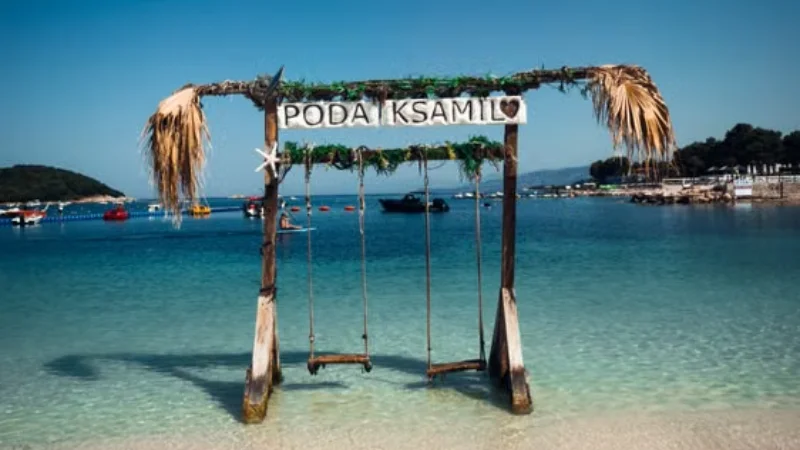
If one region genuinely defines the “rising destination” conversation in Europe for 2026, it’s Albania’s coastline. Warmer destinations remain a top priority for European travelers generally, and the Albanian Riviera has emerged as one of the more compelling niche picks; unspoiled coastlines and beaches at spots like Ksamil now regularly draw comparisons to more established, pricier stretches of the Adriatic. Beyond the beach hopping, the UNESCO-listed Butrint National Park and the hilltop Gjirokastër Castle add genuine historical substance, and a day trip by ferry across to Corfu is an easy add-on for anyone splitting time between Albania and Greece.
Saranda makes a good home base for exploring the coast, with seafront dining and a lively promenade, and it’s worth trying the local octopus and grilled fish alongside byrek, the savory pastry that shows up on nearly every menu along this stretch.
Favignana, Sicily
A small island roughly eighteen kilometers off Sicily’s west coast, Favignana has stayed genuinely under the radar for years, and 2026 may be the last quiet season before that changes. The island is set to serve as a backdrop for a major upcoming film, and travel editors are already encouraging visitors to see it before the wider attention arrives. What’s drawing the attention is straightforward once you see it: strikingly clear cyan water, beaches that look almost artificially turquoise, and a genuinely rustic, unpolished hinterland that still feels like a real working island rather than a resort built for tourists.
Malta
Malta continues to earn its spot on shortlists for a simple reason: it delivers scuba diving, snorkeling, and genuine sunshine in a compact package that’s easy to combine with a wider Mediterranean itinerary. The island’s fortified capital, Valletta, adds a dense concentration of history and architecture that punches well above its small footprint, and the diving conditions around the island’s coastline remain some of the clearest and most consistent in the Mediterranean for much of the year.
Gothenburg, Sweden
Often described as Stockholm’s cosier, less flashy younger cousin, Gothenburg has been gaining real momentum as its own destination rather than a footnote on a Sweden itinerary. The brand new Paradox Museum, the Vassen street food market, and a Scandinavian design sensibility running through the whole city give it plenty to fill a few days on its own, and the Way Out West music festival has become a genuine draw in its own right for visitors timing a trip around live music.
Rome, Italy: Still Topping The Rankings For A Reason
Rome regularly tops broader “world’s best vacations” style rankings alongside destinations like Tokyo, and it’s worth remembering why even amid all the newer names on this list, the sheer density of ancient history sitting inside a genuinely modern, working city is something no amount of newer competition really replicates. An evening Vespers service at St. Peter’s Basilica, an Aperol Spritz by the Trevi Fountain while people watch, and a slow wander through the historic center remain exactly as compelling as they’ve always been, and pairing Rome with a quieter add-on, Montenegro, has been singled out by more than one travel writer as a genuinely underrated, considerably cheaper alternative to nearby Dubrovnik, rounding out a trip nicely for anyone wanting both the icon and the hidden gem in one itinerary.
The Dolomites And Faroe Islands: Nature On The Rise
Natural, less crowded landscapes have been climbing these lists steadily, and two names keep recurring, the Dolomites in northern Italy and the Faroe Islands out in the North Atlantic. Both offer the kind of dramatic, uncrowded scenery that’s become genuinely harder to find in Europe’s more established mountain and coastal destinations, and both reward travelers willing to trade a bit of convenience for landscapes that still feel properly wild. Winter sports enthusiasts specifically have been comparing the French and Italian sides of the Alps directly for beginner friendliness, and the Italian side has increasingly come out ahead in that specific comparison for anyone learning to snowboard or ski for the first time.
Cultural Cities Worth A Closer Look: Nicosia And Oxford
An annual expert and traveler poll for 2026’s top cultural cities threw up a couple of genuinely interesting names outside the usual capitals, Nicosia and Oxford among them. These selections were built on a fairly rigorous set of measures, the concentration of museums, the variety of cultural institutions, and the depth of year-round programming—rather than just general popularity, which makes them a genuinely useful pick for travelers specifically chasing museums and cultural depth over headline landmarks. You can see the full 2026 cultural cities list on Forbes for the complete rundown of how the panel reached its picks.
Building These Into An Actual Itinerary
A few of these pair naturally into a single trip rather than needing to be treated as entirely separate journeys. Prague and Kraków sit close enough together to combine easily, particularly if you’re leaning into the off-season strategy for both. Budapest slots nicely alongside either of those two for a broader Central Europe loop. On the coast, Albania and Malta both work well paired with a wider Mediterranean island hopping trip, and the Albanian Riviera specifically makes an easy add on to a Greece or Croatia itinerary given the short ferry hop to Corfu.
For the nature-focused picks, the Dolomites fit naturally into a longer Italy trip that also covers Rome or the Italian Lakes, while the Faroe Islands are genuinely their own standalone trip given how remote they are relative to the rest of the continent.
For a broader, regularly updated ranking that goes beyond this list, U.S. News’ Best Places to Visit in Europe is worth checking periodically, since it’s refreshed based on both expert opinion and traveler votes throughout the year.
What’s Actually Driving These Picks In 2026
A few patterns run underneath this year’s list that are worth understanding if you’re trying to spot next year’s rising destinations yourself. Sustainability and slower, more off grid style travel are shaping demand more than in previous years, which partly explains why places like the Albanian Riviera and Favignana, both still relatively unpolished compared to their more famous neighbors, are climbing so quickly. Major new cultural openings, Brussels’ new museum being the clearest example, are also pulling attention toward cities that don’t usually make these lists on scenery alone. And there’s a genuine, growing appetite for visiting classic destinations in their quieter shoulder or off-season months rather than fighting peak summer crowds, which is exactly why Prague in January and Budapest in autumn keep showing up as specific, deliberate recommendations rather than just “visit anytime.”
Sardinia: The Quiet Alternative Everyone’s Suddenly Talking About
Sardinia has spent years living in Sicily’s shadow, but that’s shifted noticeably over the past couple of seasons, with more travelers and travel writers describing it as a genuine, less crowded alternative rather than a consolation prize. The island’s coastline holds up against nearly anywhere in the Mediterranean, with clear water, dramatic granite coves, and a slower, more local pace than the more heavily trafficked Amalfi or Cinque Terre routes. Inland, the island’s mountainous interior and ancient nuraghe stone structures, unique to Sardinia, give it a genuinely different character from a purely beach-focused trip, and the food scene, built around local specialties like fregola and wild boar, has its own distinct identity separate from mainland Italian cuisine.
Frequently Asked Questions
What are the most underrated places to visit in Europe right now?
The Albanian Riviera, Favignana in Sicily, and Gothenburg in Sweden are among the destinations gaining the most attention in 2026 for still feeling genuinely uncrowded compared to their more famous neighbors.
When is the best time to visit Prague to avoid crowds?
January is increasingly recommended specifically for this reason: it’s cold, but attractions like the Charles Bridge and Prague Castle are dramatically quieter than during the busier spring and summer months.
Is the Albanian Riviera worth visiting instead of Croatia?
It’s genuinely worth considering as a complement rather than a straight substitute; the coastline around Ksamil offers similarly striking water and beaches at generally lower prices, alongside its own distinct historical sites like Butrint National Park.
Which European cities are best for a culture- and museum-focused trip?
Beyond the obvious capitals, Brussels, Nicosia, and Oxford have all been specifically highlighted in 2026 for the depth and variety of their cultural institutions rather than just headline landmarks.
Can I combine several of these destinations into one trip?
Yes, several pairs naturally, Prague with Kraków, Budapest with either, and the Albanian Riviera with a broader Greece or Croatia itinerary given the short ferry connection to Corfu.
Final Thoughts
The best places to visit in Europe in 2026 aren’t really a departure from the continent’s classic appeal; they’re more a reminder that timing and a willingness to look slightly past the obvious names can transform an already good trip into a genuinely memorable one. Whether that means catching Prague in a rare quiet moment, getting to Favignana before a film crew changes its profile for good, or simply pairing a famous name like Rome with a quieter, cheaper neighbor like Montenegro, the destinations that stand out this year all reward travelers willing to plan a little more deliberately than just picking the first name that comes to mind.


