
Best Time To Visit Australia And New Zealand: A 2026 Season By Season Guide

The first thing that trips people up when planning a trip to Australia and New Zealand is the calendar itself. Both countries sit in the Southern Hemisphere, which means their seasons run in the exact opposite direction to North America and most of Europe; December is peak summer, July is deep winter, and a lot of travellers only realize this after they’ve already started building an itinerary around the wrong months. The second thing that trips people up is assuming the two countries share a climate simply because they’re often bundled into the same trip. They don’t, not even close.

Australia is a genuine continent, stretching from tropical monsoon country in the north to temperate, occasionally frosty conditions in the south. New Zealand, by comparison, is compact and mountainous, with weather that can shift from alpine to coastal within a single day’s drive. Getting the timing right for a combined trip means thinking about both countries separately before figuring out where the calendar actually lines up.
Understanding The Seasonal Split
In both Australia and New Zealand, summer runs December through February, autumn March through May, winter June through August, and spring September through November. That much they share. What they don’t share is how dramatically those seasons play out. Northern Australia, think Darwin, Kakadu and the Top End, doesn’t really experience a traditional four season year at all, it runs on a wet season roughly November through April and a dry season the rest of the year, and that distinction matters far more to a traveler than whether the calendar technically says summer or winter.
New Zealand’s seasons are more conventional but far more compressed geographically you can leave a mild, even warm coastal town in the morning and be looking at snow dusted peaks by early afternoon, particularly on the South Island. This is the core planning challenge for a combined trip, Australia’s seasonal extremes run north to south, while New Zealand’s run more by altitude and coastline than by simple latitude.
The Shoulder Seasons: Why March To May And September To November Keep Winning

If there’s one piece of advice that comes up again and again from people who’ve actually done the combined trip, it’s this: autumn, March through May, and spring, September through November, are the sweet spot for covering both countries in one go. These windows sit outside the peak summer crush and outside the harshest winter conditions in New Zealand’s mountains, and the weather across most of the popular regions in both countries tends to be genuinely pleasant rather than extreme in either direction.
Autumn in particular has become something of a favourite among repeat visitors. New Zealand’s Central Otago and Hawke’s Bay regions turn a genuine gold and amber in April and May, hiking conditions in the mountains remain stable before the real winter sets in, and the ocean around the North Island is often still warm enough for a swim. Over in Australia, autumn brings mild, comfortable temperatures to Melbourne and Sydney, roughly the mid to high sixties Fahrenheit, perfect for walking the cities without the summer’s harsher sun, while the drier conditions further north make it a genuinely good window to start exploring the Outback and the Northern Territory before the wet season fully clears out.
Spring works in a similar but reversed way, gardens and wildlife wake up across both countries, whale watching season is often in full swing along parts of the Australian coast, and New Zealand’s botanical spaces and bird sanctuaries, places like Tiritiri Matangi Island in the Hauraki Gulf, are especially lively.
Australia Month By Month: Where The Calendar Actually Matters

Because Australia is genuinely continent sized, the honest answer to “when should I visit” depends almost entirely on which part of the country you mean.
Southern Australia: Sydney, Melbourne, Tasmania And Adelaide
The temperate south runs on a fairly conventional four-season pattern. Summer, December through February, is warm and busy; school holidays fall across this stretch, so beaches and major attractions in Sydney and Melbourne get genuinely crowded, and prices climb accordingly. Autumn and spring both offer that reliably comfortable middle ground, mild days, thinner crowds, and noticeably better hotel rates. Winter, June through August, is mild by most standards but genuinely cool and wet in Melbourne and Tasmania specifically, worth packing for rather than assuming Australia means guaranteed warmth year round.
Northern Australia: Darwin, Kakadu And The Top End
This is where the wet and dry season split matters more than anything else. The dry season, roughly May through October, is when nearly all visitors go, waterfalls are still flowing from the tail end of the wet, humidity drops to manageable levels, and most of the region’s unsealed roads and remote sites are actually accessible. The wet season, November through April, brings intense humidity, regular flooding, and in the more northerly stretches, a real cyclone risk, and a lot of the Top End’s most famous sites simply close or become unreachable during the worst of it.
Western Australia And The Outback
The vast interior and the Western Australian coast run hot through summer, genuinely extreme heat inland, so the shoulder months of autumn and spring again tend to be the more comfortable choice for exploring the Outback’s red centre sites like Uluru, where daytime summer temperatures can climb into territory that makes extended outdoor exploration genuinely unpleasant rather than merely warm.
New Zealand Month By Month: A Smaller Country With Bigger Swings
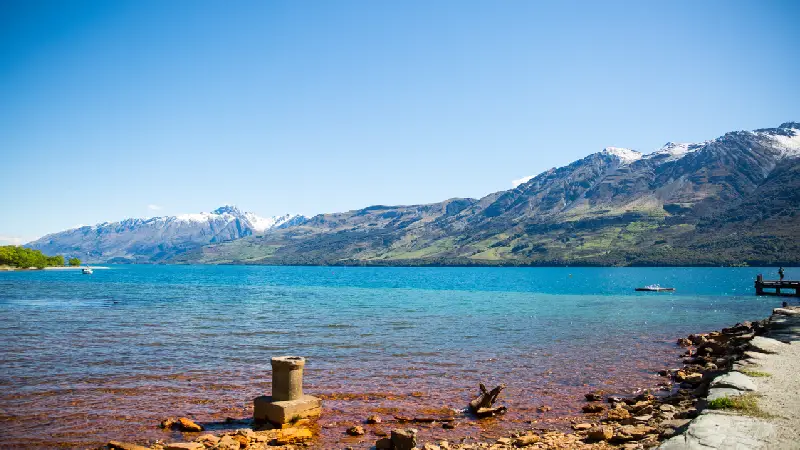
New Zealand’s smaller size means the seasonal swings are less about geography and more about elevation and coastline, but they’re no less dramatic for it.
Summer, December To February
This is peak season across nearly all of New Zealand, warm enough for genuinely good beach days, particularly around the Bay of Islands and the Coromandel Peninsula, and the long daylight hours make it ideal for the country’s famous multi-day hikes, known locally as tramps. It’s also, predictably, the most crowded and most expensive stretch of the year, and it overlaps with New Zealand’s own school holidays through January, which tightens up availability at the country’s most popular lodges and campsites.
Autumn, March To May
Widely considered the most balanced window for a New Zealand-specific trip and arguably the best overall pairing with an Australia leg. Hiking conditions remain stable, the summer crowds thin out considerably, and Queenstown and the wider Central Otago region put on a genuinely striking display of autumn colour that draws its own smaller wave of visitors specifically for the foliage.
Winter, June To August
This is ski season, and it’s a completely different version of New Zealand than most first time visitors picture. Queenstown and Wanaka turn into genuine winter sports hubs, with world class slopes drawing skiers and snowboarders from across the Southern Hemisphere and beyond, and the apres ski scene, hot pools, lodges and geothermal spots like Rotorua, becomes a real draw in its own right. It’s a quieter, colder, but genuinely rewarding season for travellers who aren’t chasing beach weather.
Spring, September To November
Spring brings New Zealand’s wildlife and gardens back to life, and it’s a strong choice for travelers prioritizing nature and birdlife over hiking or beach time specifically. Weather can still be changeable this early in the season though, particularly in the South Island’s mountain regions, so it’s worth building some flexibility into any spring itinerary that leans heavily on outdoor activities.
Planning A Combined Trip: Where The Calendar Actually Lines Up

Given how differently the two countries behave through the year, a few sequencing strategies tend to work better than others for travelers trying to cover both in a single trip.
Starting in New Zealand during its autumn, March through May, and then crossing into Australia as its own autumn settles in gives you stable hiking weather in New Zealand’s mountains, followed by comfortable, uncrowded conditions in Sydney and Melbourne, without pushing into Australia’s more challenging northern wet season. This sequencing has become something of a go to recommendation among travel planners who specialise in combined itineraries, precisely because it avoids the worst extremes on both ends.
Alternatively, a spring trip, starting in Australia’s south while temperatures are still comfortable and finishing in New Zealand as its own spring wildlife season kicks in, works nearly as well, particularly for travellers more interested in gardens, birdlife and whale watching than winter sports or deep hiking.
Trying to fit both countries into a purely summer trip, December through February, is doable but comes with real trade-offs. You’ll get New Zealand’s tramping season and Australia’s beach weather at their absolute best, but you’ll be paying peak prices, fighting the largest crowds of the year, and dealing with the least comfortable stretch of Northern Australia’s wet season if your itinerary includes anywhere north of Brisbane.
What To Prioritize When Choosing Your Season
Rather than chasing a single universally correct month, it’s more useful to think about what you actually want out of the trip and let that drive the timing. Travellers prioritising hiking and mountain scenery in New Zealand should lean toward autumn or the tail end of spring, when trails are stable and accessible without deep snow. Anyone building a trip around New Zealand’s ski season should commit fully to winter, June through August, and expect a genuinely different, colder version of the country than the postcard images suggest. Travellers whose main draw is Australia’s tropical north, Kakadu, Darwin and the surrounding region, should build the entire trip around the dry season, since a wet season visit here can mean entire attractions being inaccessible rather than simply less pleasant.
For a first-time, genuinely balanced combined trip covering both countries’ greatest hits, Sydney, Melbourne, Queenstown and Milford Sound, the autumn window from March through May remains the most consistently recommended choice across nearly every source that’s actually compared the options month by month.
For up to date, region-specific forecasts before locking in dates, the Australian Bureau of Meteorology and New Zealand’s MetService are both worth checking a few weeks out from departure, since conditions in both countries have grown somewhat less predictable in recent years compared to the seasonal averages most guides are still built around.
A Few Practical Notes Beyond The Weather
Weather isn’t the only calendar consideration worth weighing. School holiday periods in both countries, roughly Mid December through late January, plus shorter breaks scattered through the year, drive up domestic demand for flights, accommodation and popular attractions well beyond what international visitor numbers alone would suggest, so checking the current school term dates for both countries is worth the five minutes it takes if you’re trying to avoid the busiest and most expensive windows.
It’s also worth factoring in the sheer distance between the two countries and their internal regions when building a season around your trip. Flying between Australia and New Zealand takes several hours on its own, and internal distances within Australia specifically are often underestimated by first-time visitors Perth to Sydney, for instance, is a longer flight than Sydney to Auckland. Building in enough time to actually experience a region properly, rather than cramming in one more stop because the season happens to be right, tends to matter more to how a trip is remembered than hitting every possible highlight in a single visit.
Matching The Season To Specific Bucket List Experiences

A handful of the most talked about experiences in both countries carry their own specific timing windows worth planning around directly, regardless of what the broader seasonal guide suggests. The Great Barrier Reef is diveable and snorkelable year round, but visibility and coral conditions tend to be best in the drier winter months, roughly June through October, when calmer seas and clearer water make for noticeably better underwater visibility than the wetter summer stretch. Whale watching along much of the Australian coast peaks from around May through November, as humpback whales migrate along both the eastern and western coastlines, with particular hotspots timing slightly differently depending on which stretch of coast you’re watching from.
In New Zealand, Milford Sound and the wider Fiordland region are worth a specific mention of their own. The fiord is genuinely spectacular in any season, but it’s also one of the wettest places in the country, and a rainy day here, somewhat counterintuitively, often produces the most dramatic scenery of all, dozens of temporary waterfalls appear down the surrounding cliff faces that simply aren’t there on a dry day. Glowworm cave visits, particularly at Waitomo, are similarly weather resilient since they’re underground, making them a genuinely reliable addition to an itinerary regardless of what season you’ve built your trip around.
Frequently Asked Questions
What is the single best month to visit both Australia and New Zealand?
There’s no universally perfect month, but April consistently comes up as one of the strongest choices; it sits inside New Zealand’s stable, colourful autumn and Australia’s comfortable post-summer stretch, while avoiding the worst of Northern Australia’s wet season.
Is it better to visit in New Zealand’s summer or winter for a first trip?
Summer, December through February, suits travellers prioritising hiking, beaches and long daylight hours, while winter, June through August, suits those specifically chasing New Zealand’s ski season. For a more general first visit without a strong seasonal priority, the shoulder seasons of autumn or spring tend to offer the best overall balance.
When should I avoid visiting Northern Australia?
The wet season, roughly November through April, brings intense humidity, regular flooding and cyclone risk to the Top End and Kakadu region, and it’s generally worth avoiding unless you specifically want to see the region’s waterfalls at their fullest and don’t mind restricted access to some sites.
Do Australia and New Zealand have the same seasons?
Broadly yes, both follow the same Southern Hemisphere calendar, with summer in December through February and winter in June through August, but the way those seasons actually feel varies enormously by region within each country.
How many weeks do I need to see both countries properly?
Most travellers are doing a genuine combined trip, rather than a rushed sampler, and budget somewhere between three and four weeks, given the flight time between the two countries and the sheer size of Australia specifically.
Final Thoughts
Australia and New Zealand reward travelers who plan around the actual weather rather than a single generic “best time to visit” answer, because the honest truth is that answer changes depending on whether you’re chasing Outback heat, alpine snow, tropical waterfalls or golden autumn hiking trails. Lean into the shoulder seasons if you want the most balanced, least crowded version of both countries, and be willing to build your season around whichever specific experience matters most to you if your priorities point toward one of the more extreme windows. Either way, understanding how differently these two countries actually behave through the year is the single biggest thing that separates a smoothly timed trip from one spent fighting the wrong season.


