
Canada Mexico Travel Advisory Explained: What It Actually Means (2026)

Every few months, a headline about a Mexico travel warning makes the rounds on Canadian news, and every few months it causes the same wave of confused messages between friends who already booked a trip to Cancun. Is it actually dangerous? Should the flights get cancelled? The whole country is off-limits now. The honest answer is almost always more nuanced than the headline suggests, and Global Affairs Canada’s actual advisory, the one that matters far more than any news summary of it, has said roughly the same core thing for years, with regional detail that shifts as conditions change.
This guide walks through exactly what Canada’s current Mexico advisory says, which parts of the country carry stronger warnings, what changed through 2026 specifically, and what any of this actually means for a trip you’ve already booked or are still planning.
What The Advisory Actually Says Right Now
As of the most recent update, Canada’s overall advisory for Mexico sits at exercising a high degree of caution due to high levels of criminal activity and kidnapping. That’s the national baseline level, and it applies to the country broadly. Layered on top of that baseline, fourteen individual states or parts of states carry a stronger avoid non-essential travel advisory, specifically because of elevated violence and organized crime in those particular areas.
This two-tier structure is the single most important thing to understand about how the advisory actually works. It isn’t one blanket warning covering all of Mexico equally. It’s a national caution level with specific, named regional exceptions where the risk genuinely runs higher, and the vast majority of tourist travel to Mexico happens well outside those flagged regions.
Understanding The Four Advisory Levels
Global Affairs Canada uses four risk levels across every country it covers, and understanding the distinction between them clears up a lot of confusion. Taking normal security precautions is the baseline; essentially treat the destination the way you’d treat everyday life in Canada. Exercise a high degree of caution; the level Mexico sits at overall means there are specific safety concerns or a situation that could change quickly, and it calls for genuine alertness rather than casual travel.

The two levels above are the official ones that actually count as formal Government of Canada travel advisories. Avoiding non-essential travel means your safety could genuinely be at risk, and you should weigh whether the trip is worth it against family or business needs. Avoid all travel; the most serious level means Canada is advising against travel entirely and, for anyone already there, suggesting departure if it’s safe to do so. Mexico as a whole sits at the second level nationally, with fourteen specific regions carrying that stronger avoid non-essential travel warning.
Which States Actually Carry The Stronger Warning
This is where the advisory gets genuinely useful rather than just alarming, because it names specific states and, in most cases, carves out specific cities or zones within those states that are excluded from the warning entirely. The states currently flagged for avoiding non-essential travel include Chihuahua, Colima, Guanajuato, Guerrero, Michoacán, Nuevo León, Sinaloa, Sonora, Tamaulipas, Zacatecas, and parts of Chiapas, Jalisco, Nayarit, and Morelos.
What matters just as much as the list itself is the exceptions built into nearly every entry. Chihuahua’s warning excludes Chihuahua City. Guerrero’s warning excludes Ixtapa and Zihuatanejo, provided you fly in rather than drive. Sonora’s warning excludes Hermosillo, Guaymas, San Carlos, and Puerto Peñasco. Sinaloa’s warning, despite covering the state broadly, specifically excludes several well-defined tourist areas of Mazatlán, including its historic center, the road to the airport, and the main coastal strip through the Golden Zone, provided you reach them by air or sea rather than overland.

This pattern, a state-level warning with a tourist zone specifically carved out, repeats across most of the flagged regions. It reflects a genuine, deliberate distinction Mexican authorities and Global Affairs Canada both draw between the country’s major resort areas, which see real, sustained security investment, and other parts of the same state where organized crime activity is considerably more present.
What About The Places Most Canadians Actually Go
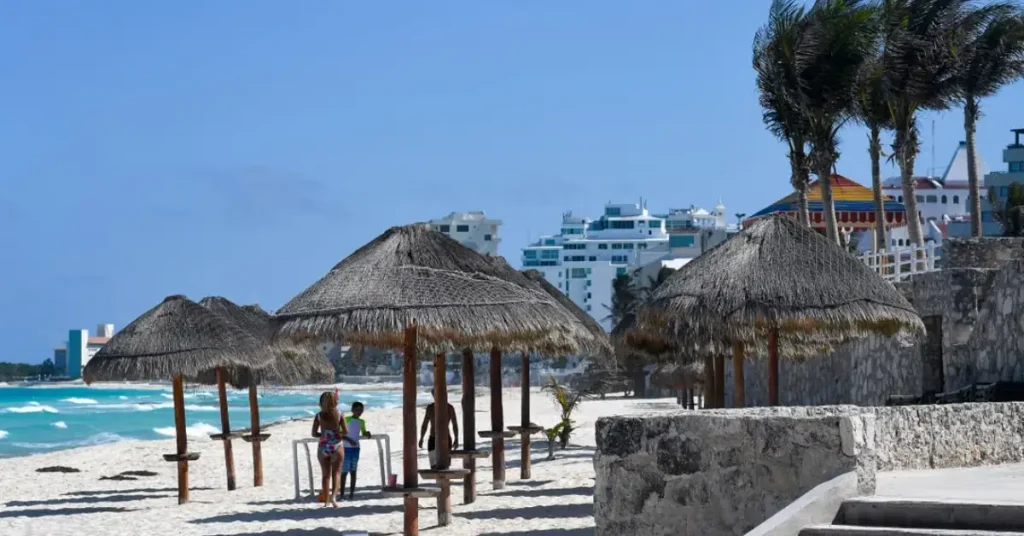
Cancun, Playa del Carmen, Cozumel, and the rest of Quintana Roo don’t appear on the avoid non-essential travel list at all. Neither does Los Cabos in Baja California Sur, Mexico City, or the vast majority of the Yucatan Peninsula. These remain Mexico’s most visited destinations by Canadians for a reason: they sit outside the flagged regions entirely, under the same national exercise, a high degree of caution baseline that applies broadly.
Puerto Vallarta sits in a slightly more layered position. It’s part of Jalisco, a state that does carry a regional warning, but that warning specifically applies to areas within fifty kilometers of the Michoacán border, nowhere near Puerto Vallarta’s coastal tourist zone itself. The advisory’s own consular district mapping treats Puerto Vallarta and the Jalisco coast as a separate, distinct area from the inland warning zone. The same layered logic applies to Mazatlán, genuinely worth visiting within its defined tourist areas, while the wider state of Sinaloa around it carries real, active warnings tied to ongoing clashes between armed groups.
What Changed Through 2026
This advisory hasn’t sat still this year. An emergency advisory went out in February 2026 following a genuine surge in violence across several states, serious enough that Canada’s Minister of Foreign Affairs held a dedicated briefing on the situation. Flight disruptions followed in some affected areas, with at least one major carrier temporarily cancelling routes to Puerto Vallarta during the most acute stretch, and Canadians in affected zones were advised to shelter in place rather than attempt to reach an airport.
By March, the security situation in tourist zones had genuinely stabilized, though the underlying regional advisory structure didn’t change as a result; the stabilization applied to the acute incident, not to the longer-running, more structural warnings covering the fourteen flagged states. May brought a different kind of update entirely, additional guidance around online scams, road safety, and natural disaster risk, reflecting ongoing rather than emergency concerns. Most recently, in late August, the advisory was updated again with a specific U.S. security alert covering Mexicali, following a distinct threat that prompted the American government to suspend its own activities there.
Taken together, this pattern says something useful about how the advisory actually functions; it isn’t a static document reviewed once a year, it’s genuinely responsive to events as they develop, which is exactly why checking it close to your actual travel dates matters more than relying on something you read months ago.
The Specific Risks Worth Understanding
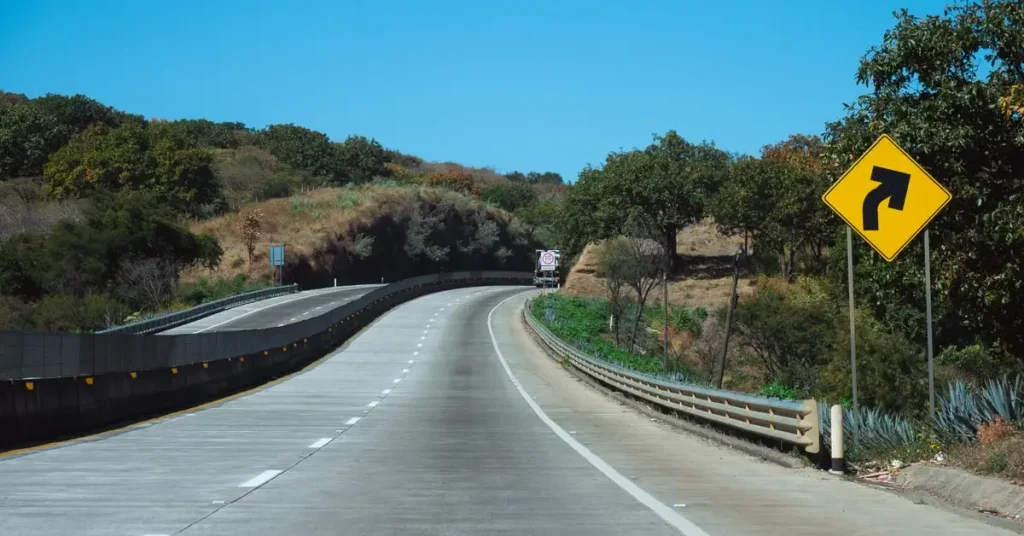
Beyond the regional map, Canada’s advisory flags a handful of specific concerns worth knowing regardless of where in Mexico you’re headed. Kidnapping, including so-called express kidnappings where victims are forced to withdraw cash from an ATM rather than be held for a traditional ransom, is called out specifically, along with a warning that Mexico has one of the higher kidnapping rates globally. Road safety gets its own detailed section too; fatal accidents are described as frequent, traffic laws are inconsistently enforced, and criminal activity along highways, particularly in rural areas, is a genuine concern, which is part of why the advisory specifically recommends toll roads over secondary highways and daylight travel over driving after dark.
Online scams have picked up enough prominence that they earned a dedicated section in the most recent round of updates, romance scams and phishing attempts targeting travelers, sometimes specifically seniors, with warnings about being asked to carry packages on behalf of someone met online. Spiked food and drinks, including reports of eye drops being added to beverages to incapacitate and then rob victims, show up in the advisory too, alongside practical guidance like ordering drinks in sealed containers rather than open cups at bars and nightclubs.
FIFA World Cup 2026 Adds A Layer Worth Watching
Guadalajara, in Jalisco, is scheduled to host World Cup matches in June and July 2026, and that timing puts the wider security situation in the state under a genuinely higher degree of international scrutiny through the tournament period. This doesn’t change the underlying advisory structure on its own, but it’s a reasonable factor to weigh if your travel plans overlap with the tournament window and take you anywhere near the region, and it’s exactly the kind of situation where checking the advisory shortly before departure, rather than relying on information from months earlier, genuinely matters.
Why This Advisory Matters For Your Travel Insurance
This is the part of the advisory that catches travelers off guard most often, and it’s genuinely worth understanding before you book rather than after something goes wrong. Many standard travel insurance policies include exclusions tied directly to government travel advisories, meaning a claim arising from an incident in a region under an avoid non-essential travel or avoid all travel warning can be denied outright, regardless of how routine the trip otherwise seemed.
Practically, this means a trip to Cancun, Los Cabos, or the Puerto Vallarta coastal zone sits on solid ground for most standard policies, since none of those areas carry the elevated warning. A side trip inland into a flagged region of the same state, however, could genuinely jeopardize coverage for that specific leg of the journey. It’s worth reading your policy’s advisory-related exclusions directly or asking your provider explicitly, particularly if your itinerary includes any driving beyond the immediate resort zone or a stop in one of the fourteen flagged states.
Practical Steps Worth Taking Before You Go
Registering with the Registration of Canadians Abroad service before departure is free and means Global Affairs Canada can reach you directly if a situation develops during your trip, which matters more than it sounds like it should given how quickly conditions shifted during the February 2026 emergency advisory. Checking the advisory again within a week or two of departure, rather than relying on research from when you originally booked, catches exactly the kind of update that happened in May and August this year.
For road trips or anything beyond a resort-based stay, sticking to toll highways, traveling during daylight, and using only officially marked taxis or pre booked ride shares rather than hailing on the street all directly reflect specific guidance in the advisory itself rather than generic caution. And regardless of destination within Mexico, comparing your travel insurance policy’s advisory-related exclusions against your actual planned itinerary, including any day trips or side excursions beyond your resort, closes a gap a lot of travelers don’t think to check until it’s too late.
For the complete, most current version of the advisory, including the full regional map and specific state-by-state detail, Global Affairs Canada’s official Mexico travel advisory page is the authoritative source, updated directly by the government rather than summarized secondhand, and it’s worth checking directly rather than relying on a news article’s interpretation of it.
Frequently Asked Questions
Is it safe to travel to Cancun right now according to Canada’s advisory?
Yes, Quintana Roo, including Cancun, Playa del Carmen, and Cozumel, is not among the fourteen regions flagged for avoiding non-essential travel, and it remains one of the most visited Canadian destinations in Mexico under the national baseline caution level.
What does exercise a high degree of caution actually mean?
It means there are specific safety or security concerns, or that a situation could change quickly, and travelers should stay alert, monitor local media, and follow local authorities’ instructions. It’s one level below the two official guidelines to avoid non-essential travel and avoid all travel warnings.
Is Puerto Vallarta affected by the Jalisco travel warning?
The Jalisco warning specifically covers areas within fifty kilometers of the Michoacán border, not the Puerto Vallarta coastal tourist zone, which is treated separately in the advisory’s regional breakdown.
Does the travel advisory affect my travel insurance coverage?
It can. Many policies exclude claims arising in regions under an avoid non-essential travel or avoid all travel warning, so it’s worth checking your specific policy’s advisory-related exclusions against your planned itinerary before you travel.
How often does Canada update its Mexico travel advisory?
As needed, rather than on a fixed schedule. In 2026 alone it was updated for an emergency violence situation in February, again in May for scams and road safety guidance, and again in August following a specific security alert in Mexicali.
Should I cancel a trip to Mexico because of the advisory?
Not necessarily. The advisory is designed to help you make an informed decision rather than to discourage travel outright, and the vast majority of tourist destinations in Mexico sit outside the specific regions flagged for elevated risk.
Final Thoughts
Canada’s Mexico travel advisory rewards an actual read rather than a headline skim, since the real document is considerably more specific and more useful than any summary of it tends to suggest. Fourteen flagged regions, each with its own carved-out exceptions for the tourist areas that continue operating safely within them, sit alongside a national baseline that calls for genuine alertness rather than outright avoidance. Check the current version close to your travel dates, know exactly where your itinerary falls relative to the flagged regions, and confirm your insurance actually covers where you’re going. Do that, and the advisory becomes exactly what it’s meant to be, a planning tool, not a reason to cancel a trip that was probably fine to take in the first place.


