
Best Travel Insurance for Visiting Canada in 2026: Complete Guide

Canada does not require visitors to carry travel insurance to enter the country, but ask anyone who has faced a Canadian hospital bill without coverage and you will hear the same thing: it should feel mandatory even when it technically is not. A broken ankle on a hiking trail in Banff or a sudden bout of appendicitis in Toronto can turn into a bill running into the tens of thousands of dollars for someone without a Canadian health card, and provincial healthcare systems do not extend free coverage to tourists.
This guide walks through what travel insurance for visiting Canada actually covers, roughly what it costs in 2026, and how to pick a plan that matches the kind of trip you are taking, whether that is two weeks of road-tripping through the Rockies or a short city break in Toronto or Vancouver.
Why You Need Travel Insurance for Canada
Canada’s publicly funded healthcare system covers residents and citizens, not visitors. If you need emergency treatment while travelling in Canada without insurance, you are billed directly, and Canadian hospital costs are notably high by international standards. A few days in hospital following an accident or a serious illness can easily exceed 20,000 CAD once you factor in ambulance transport, diagnostic imaging, and any surgery involved.
Beyond emergency medical coverage, a decent travel insurance policy also protects the financial side of your trip. Flight delays, lost luggage, a cancelled tour booking because of unexpected weather, or having to cut a trip short due to a family emergency back home are all situations a comprehensive policy can help with. For travellers heading to more remote parts of Canada, places like the Yukon, northern Ontario, or the more isolated stretches of the Canadian Rockies, insurance that includes emergency evacuation coverage becomes particularly important given how far some of these areas sit from proper medical facilities.
What a Good Canada Travel Insurance Policy Should Cover
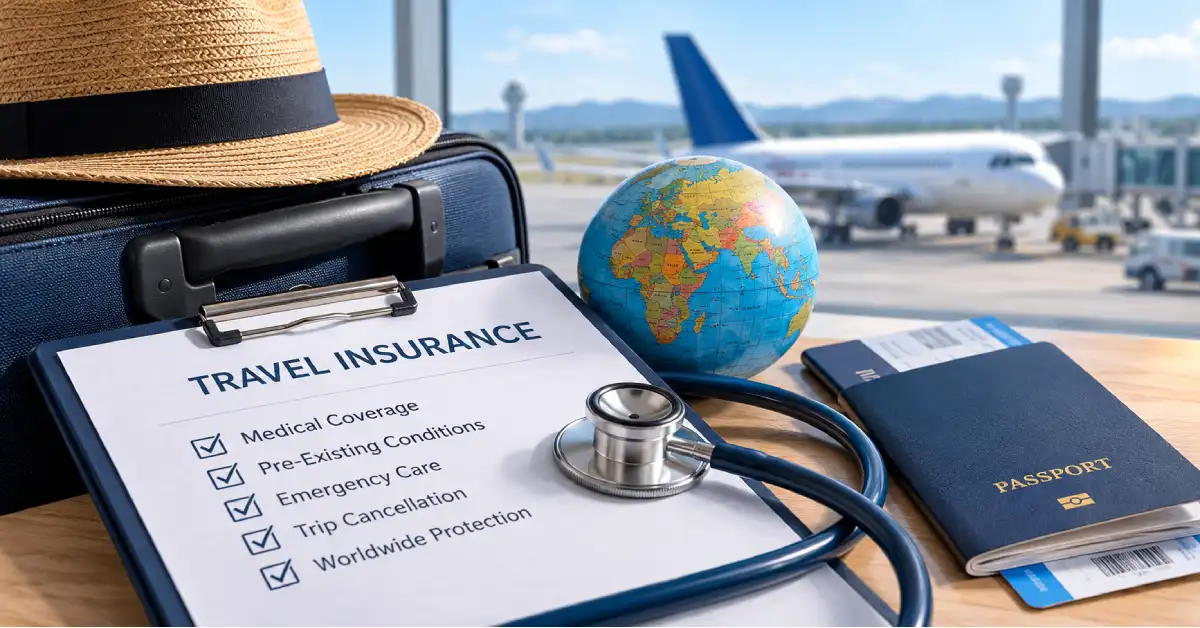
Emergency medical coverage is the non-negotiable core of any policy, and this is what pays for hospital stays, doctor visits, ambulance transport, and emergency surgery if something goes wrong while you are in the country. Look for a policy with a medical coverage limit of at least 100,000 CAD, and ideally closer to 1,000,000 CAD if your trip involves any adventure activities like skiing, hiking in remote areas, or winter sports.
Trip cancellation and interruption coverage reimburses you if you need to cancel before departure or cut your trip short once you have already arrived, covering the non-refundable costs of flights, hotels, and pre-booked tours. This is separate from medical coverage and worth checking for specifically, since some cheaper medical-only plans skip it entirely.

Baggage and personal effects coverage handles lost, stolen, or delayed luggage, which matters more than people expect given how often airlines misplace bags on connecting international flights. Trip delay coverage reimburses meals and accommodation if your flights are delayed beyond a set number of hours, and this becomes especially relevant during Canadian winter, when snowstorms regularly disrupt flight schedules at major airports. If your trip includes activities like skiing at Whistler, hiking in Banff, or anything else that counts as an adventure sport, check whether your base policy covers this or whether it needs to be added separately. Many standard policies exclude high-risk activities by default, and this is one of the most common reasons claims get denied.
How Much Does Travel Insurance for Canada Cost
Pricing depends heavily on your age, the length of your trip, and whether you are buying a medical-only plan or a comprehensive one that also covers cancellation and interruption. Comprehensive travel insurance for a trip to Canada averages a little over 27 CAD per day, based on typical policies purchased for trips in the 275 to 350 CAD trip cost range and around twelve days in length. Medical-only plans that skip cancellation coverage run considerably cheaper, often closer to 5 CAD per day, though you lose the financial protection around cancelled flights and non-refundable bookings.
For a two-week trip, this generally works out to somewhere between 70 and 400 CAD total depending on your age, health, and how comprehensive a plan you choose, with basic plans starting around 70 CAD for younger, healthy travellers on shorter trips. Travellers over 65 or those with pre-existing medical conditions should expect noticeably higher premiums, and it is worth disclosing any pre-existing conditions honestly during the application, since undisclosed conditions are one of the most common reasons insurers deny a claim later.
Who Should Consider Which Type of Plan
If you are a younger traveller on a shorter trip with a tight budget, a medical-only plan covering emergency treatment and evacuation gives you the essential protection without paying for cancellation coverage you may not need, particularly if your flights and hotels were already non-refundable or cheap enough that losing them would not be financially painful.
Families and travellers who have booked a significant amount in advance, especially multi-stop itineraries involving flights, hotels, and prepaid tours across several Canadian cities, benefit more from a comprehensive plan that bundles medical coverage with trip cancellation and interruption protection. The peace of mind here often outweighs the extra cost, particularly for anyone travelling during Canadian winter when weather-related disruptions are common.

Frequent travellers who visit Canada or other countries multiple times a year should look at annual multi-trip policies rather than buying single-trip coverage each time. These work out considerably cheaper over the course of a year for anyone taking more than two or three trips annually, and providers like Manulife offer these specifically structured for repeat international travel. Travellers heading into remote areas, whether that is backcountry hiking in the Rockies, wildlife viewing in more isolated parts of Ontario or Manitoba, or winter sports at smaller resorts away from major cities, should specifically confirm their policy includes emergency evacuation coverage. Standard policies sometimes cap this benefit lower than what a genuine helicopter evacuation from a remote trail would actually cost.
Common Mistakes Travellers Make
Assuming a credit card’s built-in travel insurance is enough is one of the most frequent and costly mistakes. Many premium credit cards do include some travel medical coverage, but the limits are often lower than what a serious medical emergency in Canada would require, and coverage frequently only applies if the entire trip was booked using that specific card. It is worth reading the actual policy document rather than assuming coverage matches what a general travel insurance plan offers.
Buying the cheapest available plan without checking the medical coverage limit is another common error. A policy priced noticeably lower than comparable options is often cheaper because it caps medical coverage at a level that would not come close to covering a serious hospitalization. Not disclosing pre-existing medical conditions, even ones that feel minor or unrelated to the trip, can result in a denied claim later if the insurer determines the condition contributed to whatever went wrong. Most insurers offer coverage for pre-existing conditions if disclosed properly and often at a specific time-sensitive window after booking your trip, so it is worth checking this rather than leaving it out of the application.
Skipping trip cancellation coverage to save money, then losing thousands in non-refundable bookings when a trip has to be cancelled or cut short, is a mistake that only becomes obvious after the fact. If you have paid significant amounts upfront for flights, hotels, or tours, this coverage is usually worth the extra cost.
When to Buy Your Policy
Buying travel insurance as soon as you book your trip, rather than waiting until closer to departure, gives you access to time-sensitive benefits like coverage for pre-existing conditions and cancellation coverage that applies from the moment of purchase rather than only from your departure date. Most insurers set this window at around 14 to 21 days after your initial trip deposit, after which certain benefits either become unavailable or require a higher premium.
Final Thoughts
Travel insurance is one of those things that feels unnecessary right up until the moment it is not, and Canada’s high medical costs combined with genuinely unpredictable weather across most of the country make it a sensible line item in any travel budget rather than an optional extra. The right policy depends less on finding the single best provider and more on matching the coverage to your actual trip: how long you are staying, what you have already paid for, and whether your itinerary includes anything remote or adventure-adjacent.
Spend twenty minutes comparing a few providers before you book, read the medical coverage limit and the pre-existing condition window carefully, and you will spend the rest of your trip actually enjoying the Rockies, the CN Tower, or wherever else Canada takes you, rather than worrying about what happens if something goes wrong.
Frequently Asked Questions
Is travel insurance mandatory to enter Canada?
No, Canada does not require visitors to show proof of travel insurance at the border. It is strongly recommended given the high cost of medical care for non-residents, but it is not a legal entry requirement.
How much does travel insurance for Canada typically cost?
Comprehensive plans average a little over 27 CAD per day, while medical-only plans can cost as little as 5 CAD per day, with total cost depending heavily on trip length, age, and coverage level.
Does my credit card’s travel insurance cover a Canada trip?
It might provide some coverage, but limits are often lower than a dedicated policy and usually only apply if you booked your entire trip using that card. Check the specific policy document rather than assuming full coverage.
What is the minimum medical coverage I should get for Canada?
Aim for at least 100,000 CAD in emergency medical coverage, with higher limits recommended for older travellers or anyone planning adventure activities.
Can I buy travel insurance after I have already left for Canada?
Generally no. Most policies need to be purchased before departure, and some benefits like pre-existing condition coverage require purchase within a specific window after booking your trip.
Does travel insurance cover skiing or hiking in the Canadian Rockies?
Only if your policy specifically includes adventure sports coverage. Many standard plans exclude these activities by default, so this needs to be checked or added separately before any trip involving skiing, backcountry hiking, or similar activities.


[…] itself rather than generic caution. And regardless of destination within Mexico, comparing your travel insurance policy’s advisory-related exclusions against your actual planned itinerary, including any day […]