Cheapest Time To Fly Dubai: A Month-by-Month Guide (2026)

Flight prices to Dubai swing more than most people expect from a single route. The same seat that costs under eight hundred dollars in October can climb past thirteen hundred dollars by December, and the difference isn’t random. It follows a genuinely predictable pattern tied to weather, school holidays, and a couple of major events on the Dubai calendar that push demand up hard for a few specific weeks each year. Once you understand that pattern, timing a booking around it becomes a lot less like guesswork.

This guide breaks down what actually drives Cheapest Time To Fly Dubai prices through the year, which months consistently come out cheapest for travelers flying from the UK and the US, and the booking habits that make a genuine difference regardless of which month you end up choosing.
Why Dubai Flight Prices Move The Way They Do
Dubai runs on a fairly clear demand cycle once you look at it closely. December is the standout peak, driven by a combination of near-perfect winter weather, the Dubai Shopping Festival, and Christmas and New Year travel from across the world all landing on the same few weeks. Everyone wants to be in Dubai at exactly the same time, and airlines price accordingly.
Summer creates a second, different kind of peak. Temperatures in Dubai regularly climb past forty-four degrees Celsius from June through August, which sounds like it should suppress demand, and for a lot of independent travelers, it does. But summer also lines up with school holidays across much of the world, and enough families still travel regardless of the heat, favoring air-conditioned malls, water parks, and indoor attractions over outdoor sightseeing, so fares climb through this stretch too.
Between those two peaks sit the shoulder months, and this is where the real savings live. Airlines have seats to fill, the weather is genuinely pleasant, and fares drop noticeably compared to both the winter and summer peaks.
Cheapest Months To Fly From The UK
Based on current fare tracking across major booking platforms, the strongest value window for UK travelers tends to fall across September through November, once summer demand fades and before the December rush begins. Average return fares during this stretch often land somewhere in the four hundred to five hundred pound range, compared to seven hundred pounds or more during December and the height of summer.

January also holds up reasonably well once the first couple of weeks pass and New Year travel demand clears out. May tends to run on the higher side, so travelers with flexible dates are generally better served aiming for the autumn shoulder months or the back half of January instead.
Cheapest Months To Fly From The US
October comes out consistently as the strongest month for US travelers across nearly every major fare-tracking source, with average round-trip fares often sitting several hundred dollars below the December and June peaks. September tends to follow close behind as a second solid option, still comfortably outside the two expensive stretches of the year.
December and June sit at the opposite end, frequently running the highest average fares of the year for US departures, driven by the same combination of holiday travel and summer school breaks that pushes UK fares up during the same windows. Travelers locked into a summer or December trip due to school schedules should expect to pay a real premium and plan booking timing carefully to soften it as much as possible.
Booking Habits That Actually Move The Needle
Knowing the cheapest months helps, but a few consistent booking habits make a real difference on top of that, regardless of which month you end up flying.
Booking five to eight weeks ahead of departure tends to be the sweet spot for this route based on current fare tracking data, striking a balance between catching lower advance fares and not booking so early that dynamic pricing hasn’t settled yet. Flying midweek, Tuesday or Wednesday specifically, consistently comes out cheaper than weekend departures across most fare comparison tools, sometimes by a meaningful enough margin to notice.

Setting a fare alert through a tool like Google Flights is genuinely one of the more effective free habits available, since it tracks your specific route automatically and flags drops without requiring manual searching every few days. Comparing prices across a couple of different search engines rather than relying on just one also tends to surface better deals, since pricing algorithms and displayed fares can vary noticeably between platforms like Skyscanner and others even for the exact same route and dates.
Checking nearby departure airports is worth the extra few minutes too. In the UK, comparing London against Manchester or other regional airports can reveal a meaningful fare difference for the same dates. In the US, checking a nearby secondary hub alongside your closest major airport sometimes turns up a noticeably cheaper option, particularly if a budget or regional carrier serves one route but not the other.
Choosing Your Airline
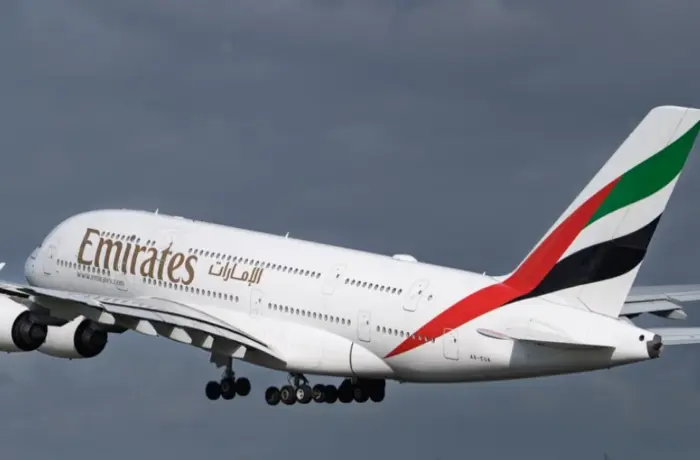
Full-service carriers like Emirates dominate the Dubai route from both the UK and the US, and they consistently come with a price premium over budget or connecting options, generally justified by direct routing, generous baggage allowances, and a stronger in-flight experience on what’s a genuinely long-haul route from most US departure cities. For travelers prioritizing price over comfort, connecting itineraries through hubs like Istanbul, Doha, or Frankfurt can bring the fare down noticeably, at the cost of added travel time.
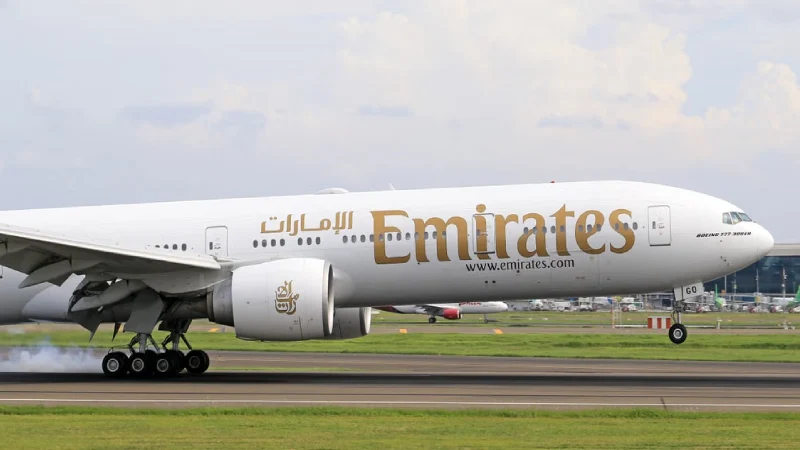
Worth noting specifically for US travelers, the flight to Dubai is a genuinely long one, typically running twelve hours or more from most major cities, which makes the case for spending slightly more on a direct route stronger here than it might be on a shorter international route where a layover barely adds inconvenience.
Matching Your Trip Timing To What You Actually Want To Do
Flight price is only half the timing decision, and it’s worth weighing it against what you actually want your trip to look like once you land. October through April delivers the most comfortable weather for outdoor sightseeing, walking tours through Old Dubai, and desert safaris, which makes it the strongest overall window if comfort matters as much as flight cost.
May through September, despite the extreme heat, works well specifically for trips centered on Dubai’s water parks and indoor attractions, and hotels often run meaningful discounts during this stretch specifically to offset lower outdoor demand. December delivers arguably the best weather of the entire year alongside the Dubai Shopping Festival, but it comes at the cost of both the highest flight prices and the busiest crowds of the year, a trade-off worth accepting only if the festival itself is part of the draw.
For a full breakdown of how to structure your days once you’ve landed, our Dubai itinerary guide walks through a complete day-by-day plan built around whichever season you choose to visit.
What About Visa Requirements
Visa rules depend entirely on your passport rather than your departure city, and it’s worth confirming your specific category well before booking flights rather than assuming. Many nationalities, including most UK and US passport holders, receive visa on arrival access for short tourist stays, while other nationalities need to apply for an e-visa in advance. Our full Dubai travel guide covers current visa categories, costs, and what to check before you fly in much more detail.
A Rough Month-by-Month Snapshot
To make this less abstract, here’s roughly how the year breaks down based on current fare tracking for both routes. These are approximate averages rather than fixed prices, since actual fares shift with demand, fuel costs, and how far ahead you book, but the relative pattern holds fairly consistently year to year.
| Period | UK Fares (Return) | US Fares (Return) | General Pattern |
|---|---|---|---|
| January (after week 2) | Moderate | High | Post-holiday demand is still elevated early and drops later in the month. |
| February to March | Moderate | Moderate | Steady, unremarkable pricing either direction |
| April to May | Moderate to High | Moderate | Fares begin climbing ahead of summer. |
| June to August | High | High | Summer school holiday demand across both markets |
| September | Low | Low | One of the strongest value windows of the year |
| October to November | Low | Lowest | Best overall combination of price and weather |
| December | Highest | Highest | Shopping Festival and holiday travel peak |
The pattern is fairly consistent across both markets even though the specific fare numbers differ: shoulder season in autumn wins, summer and December both carry a real premium, and the gap between the cheapest and most expensive months can easily run several hundred pounds or dollars on the exact same route.
How Flight Timing Connects To Hotel Costs
It’s worth mentioning that flight prices and hotel prices in Dubai tend to move together rather than independently, which either compounds your savings or your costs depending on when you travel. The same September through November window that brings down flight fares also tends to bring hotel rates down, since both are responding to the same underlying demand pattern. December, on the other hand, sees hotels spike alongside flights, sometimes even more sharply given how much of the world specifically wants a Dubai stay during the Shopping Festival and holiday period.
This means the savings from timing a trip well genuinely compound. Choosing October instead of December doesn’t just save money on the flight itself; it typically brings down the accommodation cost for the same trip too, which can add up to a meaningfully cheaper overall holiday for the same number of days on the ground.
If Your Dates Aren’t Flexible
Not everyone has the luxury of shifting a trip to hit the cheapest window, and school holidays in particular lock a lot of families into summer or December travel regardless of what the fare calendar says. If that’s your situation, a few adjustments still help meaningfully even within a peak month.
Booking earlier matters more during peak periods than during the shoulder season, since the cheapest fare classes on a given flight sell out first and airlines raise prices as those seats fill. Three to four months ahead is a more realistic target for peak season travel than the five- to eight-week window that works well for shoulder months. Considering a connecting flight through a hub like Istanbul, Doha, or Frankfurt during summer or December specifically can also bring the fare down enough to matter, since the premium on direct routes tends to widen further during exactly these high-demand windows.
Shifting your specific travel days within a peak month helps too. Even during July or December, midweek departures tend to run cheaper than weekend ones, and flying a day or two earlier or later than the absolute peak dates, avoiding the days immediately around a major holiday specifically, can meaningfully soften the fare without requiring you to change the month entirely.
Final Thoughts
Getting a good fare to Dubai comes down to combining the right month with a few consistent booking habits rather than chasing a single perfect deal. Aim for the shoulder months if your schedule allows it, book five to eight weeks out, fly midweek where possible, and compare a couple of different search tools before committing. None of that guarantees the absolute lowest fare every single time, but stacked together, it puts you in a genuinely strong position compared to booking on a whim during peak season and hoping for the best. Even a small shift in timing, a week earlier, a Tuesday instead of a Saturday, adds up to real savings once you look at the full trip rather than just the headline fare.
Frequently Asked Questions
What is the cheapest month to fly to Dubai from the UK?
Current fare tracking points to September through November as the strongest value window for UK departures, with average return fares noticeably lower than the December and peak summer months.
What is the cheapest month to fly to Dubai from the US?
October consistently comes out as the cheapest month for US departures across major fare tracking platforms, with September following closely as a strong second option.
How far in advance should I book a Dubai flight?
Five to eight weeks ahead of departure tends to offer the best balance of price and availability for this route, based on current fare tracking data.
Is it cheaper to fly to Dubai on weekdays?
Yes, Tuesday and Wednesday departures are consistently cheaper than weekend flights across most fare comparison tools for this route.
Why are December flights to Dubai so expensive?
December combines the Dubai Shopping Festival, Christmas and New Year travel, and some of the best weather of the entire year, all landing in the same few weeks, which pushes demand and prices up sharply.
Should I book a direct flight or a connecting one?
Direct flights, mainly on Emirates, cost more but save significant time on what’s a long-haul route from both the UK and the US. Connecting flights through hubs like Istanbul or Doha can lower the fare noticeably at the cost of added travel time.