How To Find Cheap Flights To Dubai: Real Tips For 2026

Most flight booking advice online is the same six sentences copied from site to site: book on a Tuesday, use incognito mode, and hope for the best. Some of it is genuinely useful. A fair bit of it is outdated or just repeated because everyone else repeats it, without much actual data behind it anymore. I went through what the major booking platforms are actually reporting for the Dubai route specifically right now, rather than generic advice that applies to any destination, and pulled together what genuinely moves the price for this particular flight.

How to Find Cheap Flights To Dubai, this guarantees a rock-bottom fare every time; flight pricing has too many moving parts for any single trick to work universally. But stacked together, these are the habits that consistently separate people who pay a fair price from people who pay considerably more for the exact same seat.
Book Within The Actual Sweet Spot, Not Just Early
The advice to book early is technically true but genuinely incomplete on its own. Data from booking platforms tracking the Dubai route specifically points to a real sweet spot rather than simply earlier being better. For a shorter regional hop, booking four to eight weeks ahead tends to capture the best pricing, since fares often haven’t climbed yet, but airlines have started releasing their lower fare classes. For a longer international flight into Dubai, that window stretches to roughly two to five months out.

Booking too far in advance, more than five or six months out for most routes, means airlines haven’t yet released their full range of fare classes, so you can end up paying more than someone who waits and books within the actual sweet spot. Waiting until the final couple of weeks before departure almost always costs more too, since by then the cheapest seats on the plane have typically already sold.
Pick Your Departure Day On Purpose
Data across multiple major booking platforms consistently shows that flights departing midweek, particularly Sunday through Tuesday depending on the specific route and origin, run cheaper than flights departing on a Friday or Saturday. The gap isn’t dramatic on every single search, but it shows up often enough, sometimes six to thirteen percent according to industry fare data, that it’s worth checking a few different departure days rather than locking into a weekend flight out of habit.
The same logic applies to when you actually book the ticket, not just when you fly. Fare data has repeatedly shown Sunday as one of the cheaper days of the week to actually purchase a ticket, with Friday consistently coming in as one of the more expensive booking days, so if your dates are flexible, it’s worth holding off on pulling the trigger until the weekend arrives.
Use The Flexible Date Or Whole Month View.
Nearly every major flight search tool, Google Flights, Skyscanner, and others, offers some version of a flexible date or whole month calendar view, and it’s genuinely underused given how much it can reveal. Rather than searching one fixed set of dates, this view shows you price fluctuations across an entire month at a glance, which makes it immediately obvious if shifting your trip by even two or three days would meaningfully change the fare.
This matters more for the Dubai route than a lot of people expect, since demand swings tied to school holidays, the Dubai Shopping Festival, and regional events can create price spikes on very specific date ranges that a fixed-date search won’t show you’re narrowly missing by adjusting your trip slightly.
Compare More Than One Search Engine
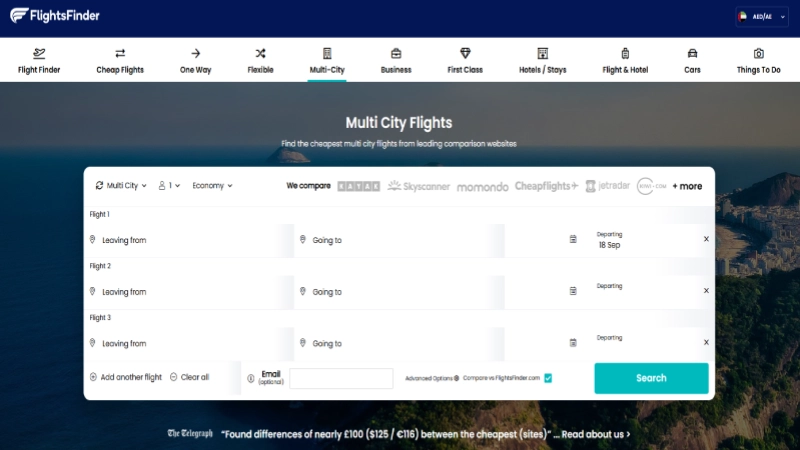
Different platforms pull from different fare sources and occasionally surface genuinely different prices for what looks like the identical flight. Google Flights is worth using specifically for its price tracking feature and clean, flexible date calendar, while Skyscanner tends to surface a wider net of budget carriers and less mainstream booking sites that a single platform search sometimes misses. Checking two or three tools before committing, rather than booking from whichever one you searched first, is a genuinely simple habit that occasionally turns up a meaningfully better fare on the exact same flight.
Set A Price Alert Instead Of Checking Manually Every Day
Manually refreshing a flight search every few days is tedious and genuinely unnecessary given how good price tracking tools have gotten. Setting a price alert on Google Flights or a similar tool means you get notified automatically when a fare on your specific route drops, without needing to remember to check yourself. This is particularly useful for the Dubai route given how much fares shift with regional events and seasonal demand, since a price alert catches a genuine dip the moment it happens rather than days or weeks later.
Check Nearby Departure Airports, Not Just Your Default One
If you live within reach of more than one airport, comparing fares across all of them rather than defaulting to whichever is closest is worth the extra few minutes. This applies whether you’re flying from a region with multiple major hubs nearby or from a smaller city with a couple of regional airport options. Most flight search tools let you add nearby airports directly into a single search, widening the comparison automatically rather than requiring several separate searches.
It’s worth weighing any fare savings against the actual cost and hassle of reaching a different airport though, since a cheaper ticket from an airport that costs considerably more in transport or parking to reach isn’t always the better overall deal once you add it all up.
Consider A Connecting Flight Over Direct
Direct flights to Dubai carry a genuine premium, and for travelers prioritizing price over convenience, a connecting itinerary through a hub like Istanbul, Doha, or Frankfurt can bring the fare down meaningfully. The trade off is added travel time, sometimes several extra hours, so this is worth weighing against how much that time is actually worth to you rather than assuming the cheaper option is automatically the better one.
Comparing Emirates’ direct fares against connecting options on other carriers specifically, rather than assuming the local flag carrier is either always cheapest or always most expensive, is worth doing on a route this competitive, since pricing between direct and connecting options shifts fairly often depending on demand and season.
Browse In Incognito Mode, Even If The Effect Is Debated
The claim that airlines and booking sites raise prices based on repeated searches from the same browser has been around for years, and while airlines themselves generally deny doing this deliberately, dynamic pricing algorithms genuinely do respond to demand signals in ways that can look similar from a user’s perspective. Searching in a private or incognito browser window costs nothing and takes a few seconds, so even with the actual effect genuinely debated, it’s a harmless habit worth keeping rather than a guaranteed trick worth over relying on.
Time Your Trip Around The Calendar, Not Just The Booking Window
Everything above concerns how you book, but when you actually choose to fly still matters more than any single booking trick. December and the peak of summer consistently run as the most expensive stretches for Dubai flights, driven by the Dubai Shopping Festival, holiday travel, and school break demand overlapping directly with the calendar’s most popular travel dates. If your schedule has any flexibility at all, shifting a trip toward the shoulder months brings the fare down before any of the booking tactics above even come into play. Our full breakdown of the cheapest time to fly to Dubai month by month covers this seasonal pattern in detail if timing flexibility is genuinely on the table for your trip.
Watch For Error Fares And Flash Sales
Dubai’s route is competitive enough between airlines that error fares and short-lived flash sales genuinely do turn up here more often than on less contested routes. These aren’t something you can plan around directly, but following a fare alert site or two and having your travel documents and payment details ready to move quickly means you’re actually positioned to grab one if it appears rather than discovering it after it’s already been corrected. Airline apps specifically sometimes run flash promotions not advertised on the airline’s main website, so it’s worth having the apps for carriers you’d realistically fly installed with notifications turned on.
When an error fare does turn up, moving quickly matters more than anything else on this list, since airlines typically catch and correct these within hours rather than days. Booking first and asking questions later is the right instinct here, since most airlines that do honor a genuine error fare require the booking to have already gone through before any correction was issued, and a completed booking generally carries more protection than one you were still deciding on when the price corrected itself.
Points, Miles And Credit Card Transfers Are Worth A Look Too
If you already hold airline miles or transferable credit card points, it’s worth checking award availability on the Dubai route before assuming a cash fare is your only option. Emirates and its partner airlines occasionally show meaningfully better value through points redemption than the equivalent cash price, particularly for premium cabins where the cash fare gap between economy and business class runs especially wide. Transferable points programs tied to major travel credit cards often let you move points to multiple airline partners, which is worth exploring if your first choice airline shows poor redemption value on your specific dates, since a different partner airline serving the same route can sometimes offer a considerably better redemption rate for the identical journey.
It’s worth checking this even if you don’t consider yourself a dedicated points collector, since plenty of everyday credit cards accumulate transferable points passively through regular spending, and a balance you’d forgotten about can occasionally cover a meaningful chunk of an otherwise expensive Dubai fare without costing anything extra out of pocket.
Book Directly Once You’ve Found Your Fare
Once a comparison tool has pointed you toward the best price, it’s often worth completing the actual booking directly through the airline’s own website rather than the third-party comparison site, provided the price matches. Booking direct generally makes it easier to manage a schedule change, request a refund, or resolve a problem later, since you’re dealing with the airline itself rather than a booking intermediary that adds an extra layer to any customer service issue. Comparison sites are excellent for finding the fare, but the airline’s own site is usually the safer place to actually complete the transaction and hold the booking long term.
Frequently Asked Questions
What is the cheapest day to book a flight to Dubai?
Fare data has repeatedly pointed to Sunday as one of the cheaper days of the week to purchase a ticket, with Friday consistently among the more expensive booking days, though this varies somewhat by origin and season.
How far in advance should I book a flight to Dubai?
Roughly two to five months ahead for a longer international route, or four to eight weeks for a shorter regional flight, tends to capture the best balance between fare availability and price.
Does flying midweek actually save money on Dubai flights?
Generally yes. Flights departing Sunday through Tuesday tend to run cheaper than Friday or Saturday departures, sometimes by a meaningful margin, though the exact days can shift depending on your specific origin.
Is it worth checking nearby airports for a cheaper Dubai flight?
Yes, if you have more than one airport within reasonable reach. Fares for the same route can differ noticeably between nearby airports, though it’s worth weighing any savings against the extra cost or time of reaching a different airport.
Should I book a direct flight or a connecting one to Dubai?
Direct flights carry a real price premium. Connecting flights through hubs like Istanbul or Doha can bring the fare down meaningfully if you’re willing to trade some travel time for savings.
Does searching in incognito mode actually lower flight prices?
The effect is genuinely debated, and airlines deliberately deny raising prices based on repeated searches, but it costs nothing to do and remains a commonly recommended habit regardless.
Final Thoughts
None of these tips on their own will magically halve your fare, but stacked together, booking within the right window, comparing more than one search tool, staying flexible on departure day, and timing the trip itself around the cheaper months, they add up to a genuinely different outcome than booking on a whim the first time a date works for your calendar. Treat flight shopping for Dubai the way you’d treat any other big purchase, worth a bit of comparison and patience rather than the first number you see, and the savings tend to show up exactly where you’d hope they would. The next time a fare looks reasonable but not quite right, resist the urge to book immediately, run it through a couple of these checks first, and you’ll likely find you had more room to negotiate the price down than the original number suggested.