
Hot Spots In Canada: 12 Destinations Worth Building A 2026 Trip Around

Canada has a way of making a single trip feel like several completely different vacations stitched together. You can be standing beside a glacier-fed lake in the Rockies on Monday and walking cobblestone streets that feel lifted from Paris by the weekend, without ever leaving the country. That range is exactly why Canada keeps showing up near the top of global travel rankings for 2026; the country compresses mountains, coastlines, European-style old towns, and genuine wilderness into a single itinerary, often within a few hours of each other by road or a short domestic flight.
This guide covers twelve of the most compelling hot spots in Canada for 2026, what actually makes each one worth the trip, when to go, and how to fit more than one into a realistic itinerary without overreaching. If a Canada trip is on your radar and you’re also sorting out visa requirements or documentation before booking flights, our Canada travel and visa planning guides are worth a read alongside this one, since getting that part right early saves a lot of last-minute stress.
1. Banff National Park, Alberta
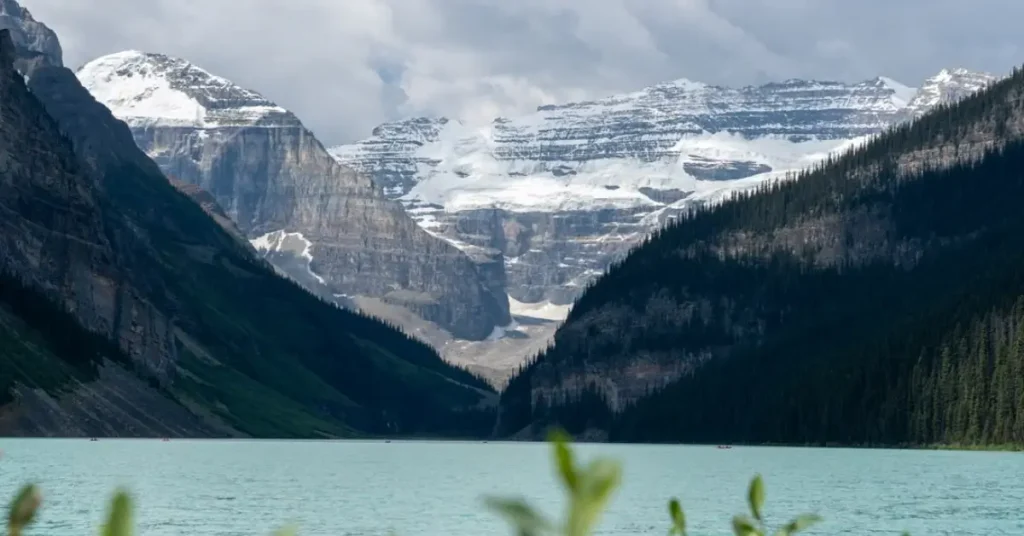
Banff is usually the first name that comes up in any Canada conversation, and once you’ve stood at the edge of Lake Louise or Moraine Lake with that impossible turquoise water reflecting the surrounding peaks, it’s obvious why. The color isn’t a filter or a trick of the light; it comes from fine rock flour, ground by glaciers and suspended in the meltwater, which scatters sunlight in a way that produces that almost unnatural blue-green shade.
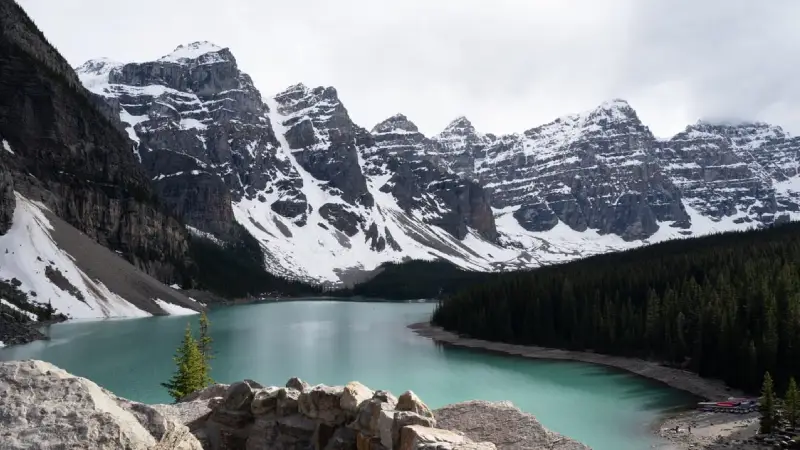
Beyond the two headline lakes, Banff townsite itself sits directly within the park, giving visitors the rare experience of stepping out of a hotel straight into mountain scenery, and the Banff Gondola up Sulphur Mountain offers a genuinely easy way to get a wide alpine view without a serious hike. Summer draws the biggest crowds, June through August, when all the trails and lake access points are fully open, while winter transforms the same landscape into a ski destination built around three major resorts within a short drive of town.
2. Jasper National Park, Alberta
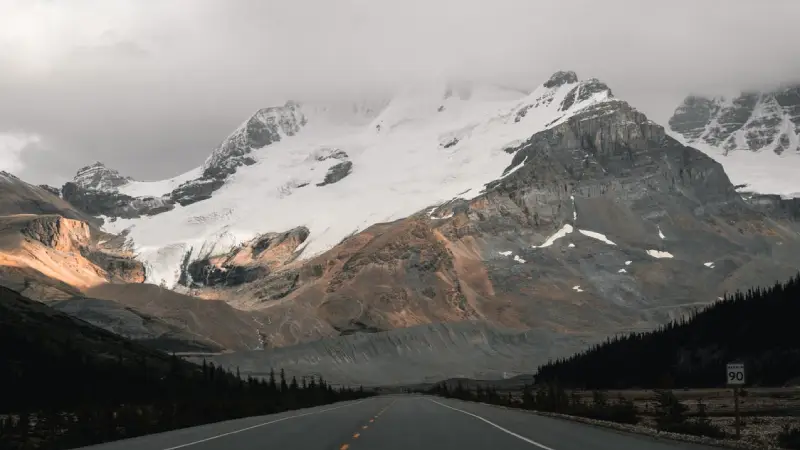
Jasper sits north of Banff along the same stretch of Canadian Rockies, and it tends to feel noticeably quieter and wilder than its more famous neighbor, partly because it’s simply larger and less concentrated around a single townsite. Pyramid Lake and Spirit Island are the two most photographed spots here, and the drive between Banff and Jasper along the Icefields Parkway is considered one of the most scenic drives on the entire continent, with glaciers, waterfalls, and mountain passes stacked one after another over roughly three hours.
The Jasper SkyTram, one of the longest and highest guided aerial tramways in Canada, gives elevated views across the surrounding peaks without requiring a serious climb, and Jasper’s remote location, far from major city light pollution, has made it one of the best dark sky preserves in the country, worth timing a visit around if the northern lights or general stargazing is part of the appeal.
3. Vancouver, British Columbia
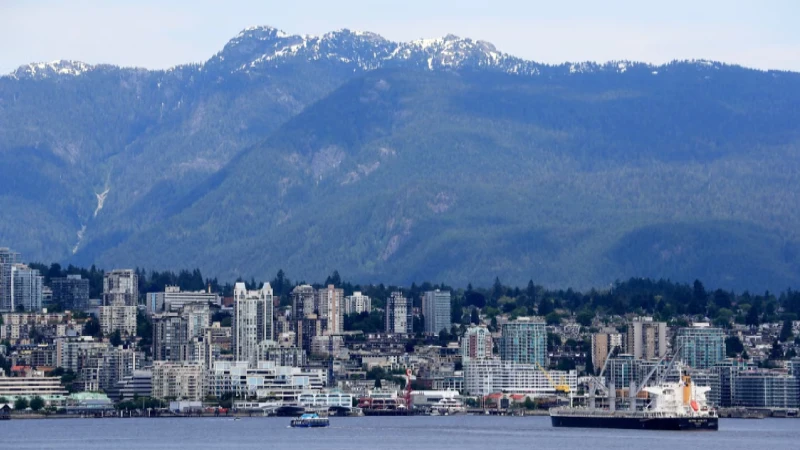
Vancouver manages something few cities pull off convincingly: mountains, ocean, and dense downtown high-rises all within view of each other. Stanley Park, a nearly 1,000 acre urban park almost entirely surrounded by water, gives the city a genuine wilderness escape within walking distance of downtown, and Grouse Mountain, reachable by gondola in under 15 minutes from the city center, offers skiing in winter and hiking in summer without needing to leave the metro area at all.
The city’s walkability and cultural diversity have become a bigger part of its draw in recent years too. Granville Island’s public market, Gastown’s historic cobblestone streets, and a genuinely strong Indigenous arts scene give Vancouver depth beyond the obvious scenery. Spring and autumn are increasingly favored over peak summer for a Vancouver visit, with milder temperatures and thinner crowds, while the classic Pacific Northwest rain mostly settles in over the winter months.
4. Whistler, British Columbia
Whistler sits roughly two hours north of Vancouver along the Sea to Sky Highway, a drive that’s genuinely worth the trip on its own, hugging the coastline before climbing into the mountains. Best known as a world-class ski destination, home to two of North America’s largest ski mountains connected by the Peak 2 Peak Gondola, Whistler has built out an equally strong summer identity in recent years, with mountain biking trails, alpine hiking, and a lake-dotted valley that draws almost as many visitors in July as it does in January.
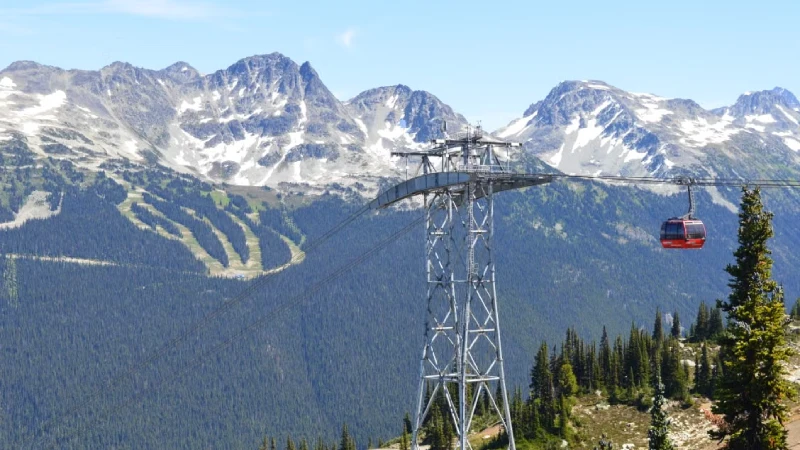
Whistler Village itself, a pedestrian-only cluster of restaurants, shops, and hotels at the base of the mountains, keeps the town genuinely walkable regardless of season, and it’s one of the easier Canadian mountain destinations to visit without a car given how compact and well-connected the village core is.
5. Toronto, Ontario
Toronto is Canada’s largest city, and it carries the kind of big-city energy and skyline that Banff or Jasper simply don’t offer, anchored visually by the CN Tower, which held the title of the world’s tallest freestanding structure for over three decades. The city’s neighborhoods are genuinely distinct from each other: Kensington Market’s bohemian energy, the Distillery District’s restored Victorian-era industrial buildings, and a food scene shaped by one of the most ethnically diverse populations of any city in North America.
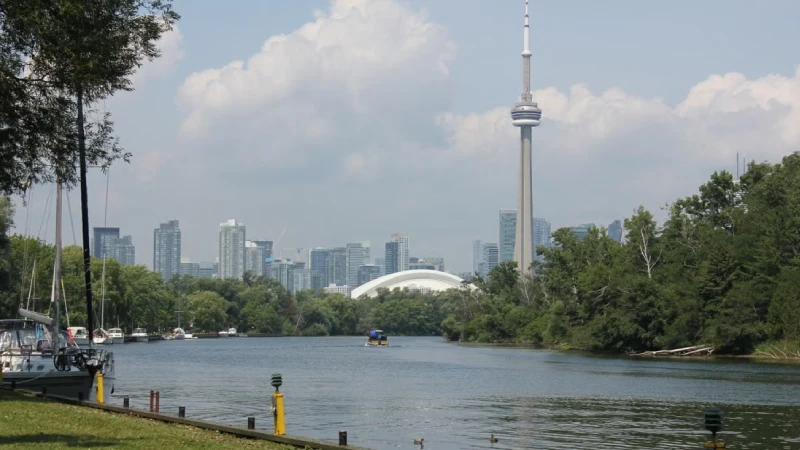
The Toronto Islands, a short ferry ride from downtown, give a surprisingly quick escape from the city’s density, beaches, and skyline views looking back at the city from the water, and Toronto works well as a launch point for day trips too; Niagara Falls sits under two hours away by car, making it easy to combine both into a single trip.
6. Niagara Falls, Ontario
Niagara Falls ranks as Canada’s single most visited tourist attraction, and despite the crowds, it earns that status honestly, roughly 757,500 gallons of water thunder over the falls every single second, a scale that photographs consistently undersell until you’re standing close enough to feel the spray. The Canadian side, facing the American Horseshoe Falls directly, offers the better overall view, which is part of why the Canadian side draws more visitors than the US side despite the falls technically straddling the border.
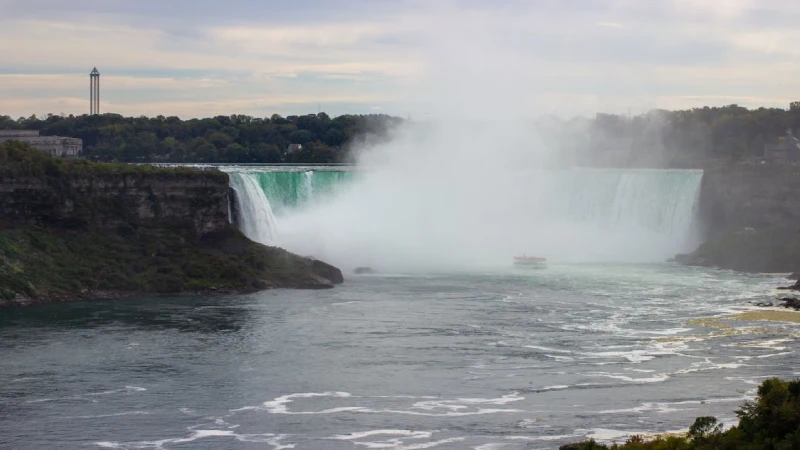
The Journey Behind the Falls tour, a self-guided route through tunnels leading to viewing portals directly behind the cascading water, gives a genuinely different perspective than any surface-level viewpoint, and the surrounding Niagara region has grown into a legitimate wine destination in its own right, worth an extra day for anyone willing to look beyond the falls themselves.
7. Quebec City, Quebec
Quebec City is the destination that most consistently gets described as “European” without actually leaving North America, and Old Québec, a UNESCO World Heritage Site, earns that comparison through centuries-old architecture and genuinely walkable cobblestone streets along the St. Lawrence River. Quartier Petit-Champlain in particular, with its bakeries and narrow lanes, has a distinctly Parisian feel that surprises a lot of first-time visitors expecting a more generic North American city center.
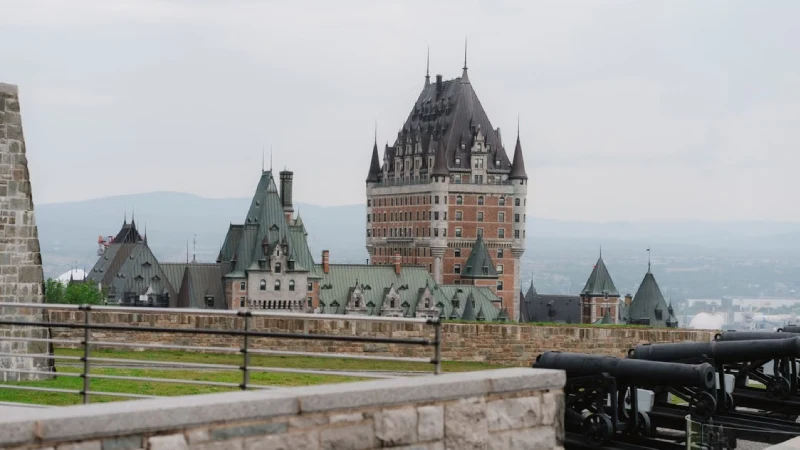
Just outside the city, Parc de la Chute-Montmorency holds a 272-foot waterfall that’s actually taller than Niagara Falls, though considerably narrower, and it’s worth the short drive for a genuinely different, less crowded waterfall experience. Winter adds a whole extra dimension to Quebec City that few other Canadian destinations can match: festivals, illuminated streets, and seasonal ice-based activities that turn the city into a proper cold-weather destination rather than a place to simply endure the season.
8. Montreal, Quebec
Montreal sits about three hours southwest of Quebec City and offers a different, more cosmopolitan flavor of the same French-Canadian identity, a genuinely bilingual city where English and French blend through daily life in a way that gives it a distinct cultural texture from the rest of the country. Old Montreal’s stone architecture and Notre-Dame Basilica’s dramatic interior give the historic core real weight, while the Mile End and the Plateau neighborhoods carry Montreal’s reputation for food, music, and street art.
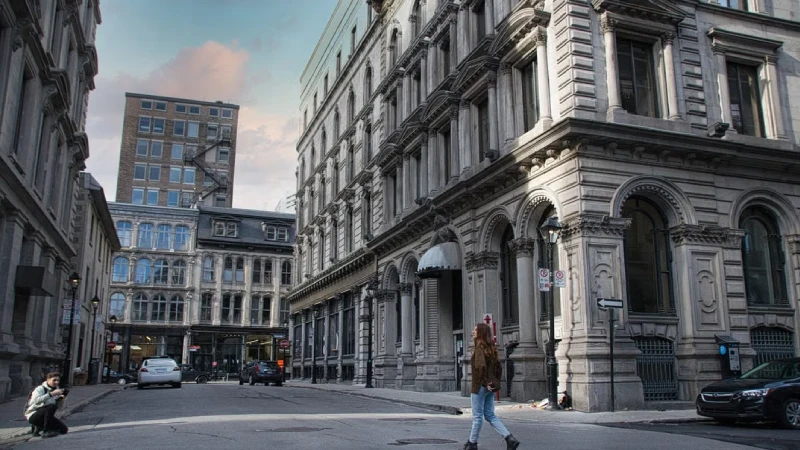
Montreal’s festival calendar is genuinely packed year-round; jazz, comedy, and film festivals draw large crowds through summer specifically, and the city’s underground network, an extensive system connecting metro stations, shopping, and buildings, makes it one of the more comfortable Canadian cities to explore even during the coldest winter stretches.
9. Prince Edward Island
PEI offers a complete change of pace from the mountain and city destinations on this list, with rolling green hills, sandy beaches, and red sandstone cliffs in Canada’s smallest province, best known outside the country as the birthplace of the Anne of Green Gables story. Prince Edward Island National Park protects a long stretch of the island’s coastline, and the beaches here, warmer than most Atlantic Canada waters thanks to the shallow Gulf of St. Lawrence, are genuinely swimmable through summer rather than purely scenic.
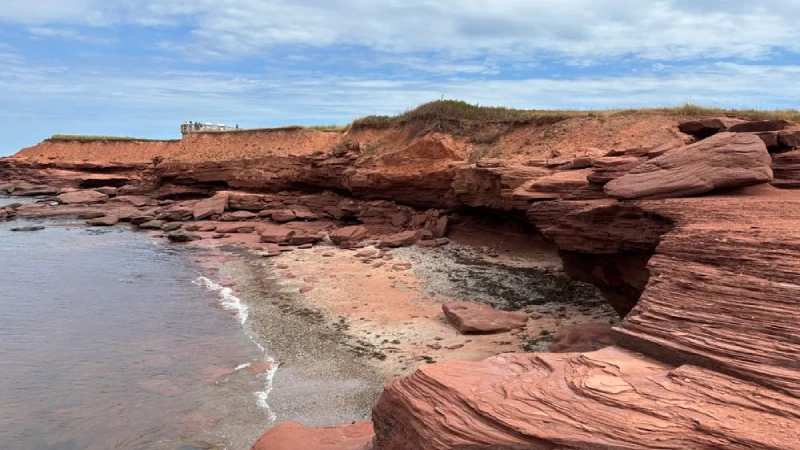
The island is also where PEI mussels, a staple on seafood menus across the country, actually come from, and a slower-paced day built around a lighthouse drive, a round of golf, and a proper seafood dinner captures the island’s appeal better than trying to pack in too many stops. It’s a genuinely relaxing counterpoint to the more adventure-driven destinations elsewhere on this list.
10. Halifax, Nova Scotia
Halifax has quietly become one of the most talked-about Canadian destinations heading into 2026, recently named a top global travel spot by TripAdvisor, a recognition that’s pushed a historically overlooked Atlantic city into the spotlight. The Halifax waterfront, one of the longest urban boardwalks in the world, mixes historic maritime buildings with restaurants and public art, and the city’s naval and immigration history, tied closely to the Titanic disaster and the great waves of immigration through Pier 21, gives it a genuinely different historical identity than most of the rest of the country.
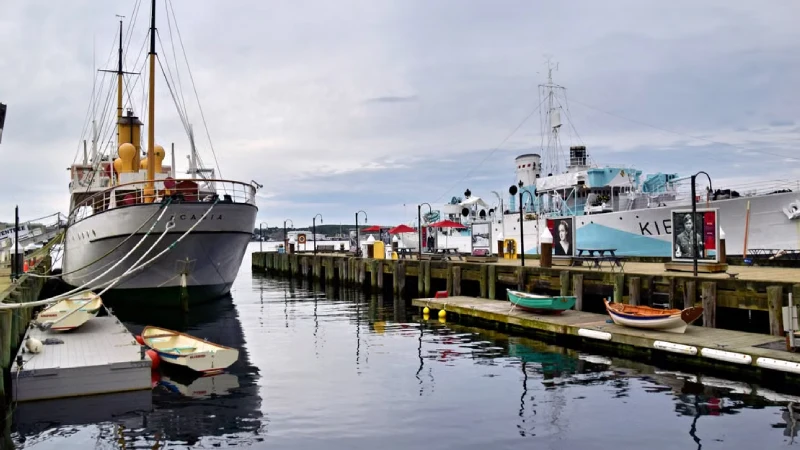
Beyond the city itself, Halifax works as an easy base for exploring the rest of Nova Scotia; Peggy’s Cove, one of the most photographed lighthouses in the country, sits under an hour’s drive away, and the Cabot Trail along Cape Breton Island, a full day’s drive further out, ranks among the best coastal drives in the country for travelers with the extra time.
11. Victoria, British Columbia
Victoria sits on Vancouver Island, reachable by ferry or a short flight from Vancouver, and it carries a genuinely different, more relaxed identity than its mainland namesake, English-inspired architecture, the Inner Harbour’s grand Fairmont Empress hotel, and a mild coastal climate that makes it one of the more comfortable Canadian cities to visit even in shoulder season. Butchart Gardens, a sprawling floral display built into a former limestone quarry, has drawn visitors for over a century and remains one of the most photographed gardens in the country.
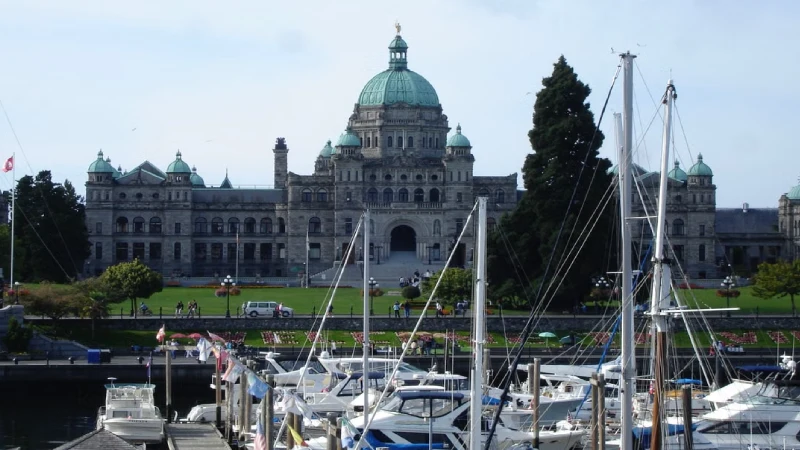
Whale-watching tours run regularly out of Victoria’s harbor, orca pods pass through the surrounding waters with enough regularity that most tours carry a genuine sighting guarantee or partial refund policy, and the compact walkable downtown makes Victoria an easy addition to a broader British Columbia itinerary alongside Vancouver and Whistler.
12. Churchill, Manitoba
Churchill is the outlier on this list, a small, remote town on the shores of Hudson Bay that’s earned the nickname the Polar Bear Capital of the World, and it delivers on that reputation every autumn when polar bears gather near the town waiting for the bay to freeze. Specialized tundra vehicles, built like elevated all-terrain buses, carry visitors out to observe the bears safely at close range, typically through October and into November when bear activity peaks.
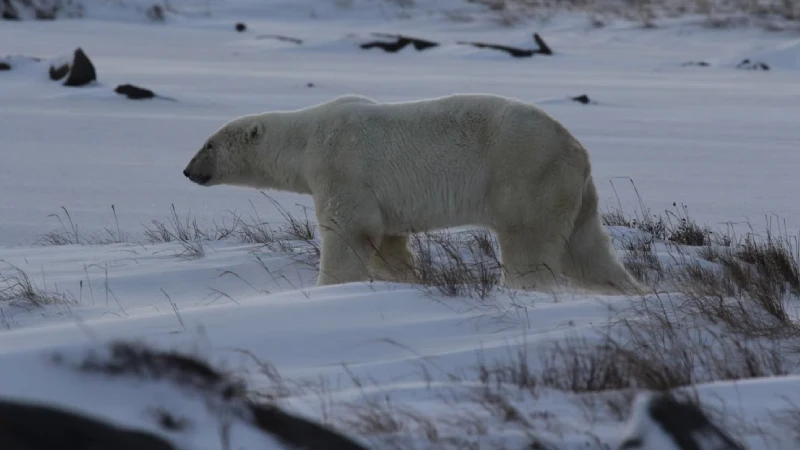
Churchill isn’t a one-season destination either; beluga whales fill the Churchill River through summer, drawing kayakers and snorkelers close enough to interact with genuinely curious pods, and winter brings some of the most reliable northern lights viewing in the country, thanks to Churchill’s far northern latitude and minimal light pollution. Access is genuinely part of the adventure here; the town has no road connection to the rest of Manitoba, reachable only by rail or a direct flight, which keeps visitor numbers naturally limited compared to almost everywhere else on this list.
How To Actually Plan A Trip Around These
Canada’s scale means very few travelers should try to cover all twelve of these in a single trip, and the destinations above roughly split into a handful of natural regional groupings worth building an itinerary around instead. The Rockies cluster, Banff, Jasper, and the Icefields Parkway connecting them, works as a self-contained week on its own. British Columbia’s coastal cluster, Vancouver, Whistler, and Victoria, pairs naturally together given how close they sit to each other. Central Canada’s city-and-falls loop, Toronto, Niagara Falls, and a possible extension to Montreal or Quebec City, suits travelers who want culture and food alongside a headline natural attraction, and Atlantic Canada, Halifax and Prince Edward Island together, rewards a slower, more relaxed week without the mountain-scale driving distances found further west.
Travelers with only a single week to spare are generally better off picking one of these regional clusters and exploring it properly rather than trying to stitch together destinations on opposite sides of the country, since Canada’s size means even domestic flights between regions can eat a meaningful chunk of a short trip.
Final Thoughts
Canada’s real strength as a destination isn’t any single hot spot; it’s how differently each region delivers on the idea of a great trip: glacier lakes in the Rockies, cobblestone streets in Quebec, and polar bears on a remote northern tundra, all technically part of the same country. Picking a regional cluster rather than trying to chase all twelve destinations at once tends to make for a far better trip, and once the region is chosen, the rest of the planning, flights, accommodation, and the visa or entry requirements tied to your passport become a fairly straightforward checklist rather than a daunting one. According to U.S. News & World Report’s 2026 rankings, Canada continues to reward travelers who want genuine variety without compromise, and these twelve destinations are as good a starting point as any for figuring out which version of that trip fits best.
Frequently Asked Questions
What is the best time of year to visit Canada?
Summer, June through August, offers the widest access, with national parks, coastal routes, and hiking trails fully open, while winter unlocks northern lights viewing in northern regions and turns cities like Quebec City and Montreal into festival-driven cold weather destinations.
Which Canadian city is best for a first-time visitor?
Toronto or Vancouver both work well for first-time visitors, offering strong flight connections, walkable downtown cores, and easy access to nearby day trips like Niagara Falls from Toronto or Whistler and Victoria from Vancouver.
Is it possible to see Banff and Jasper in one trip?
Yes, the two parks connect via the Icefields Parkway, roughly a three-hour scenic drive, and combining both into a single Rockies-focused week is one of the more popular itineraries for first-time visitors to the region.
When is the best time to see polar bears in Churchill?
October into November is peak polar bear season in Churchill, when bears gather near the town waiting for Hudson Bay to freeze, while summer instead brings beluga whales and winter offers strong northern lights viewing.
Do I need a visa to visit Canada?
Requirements depend entirely on your passport and country of residence; some travelers need only an Electronic Travel Authorization, while others require a full visitor visa, so it’s worth confirming your specific requirement well ahead of booking flights.
Is Quebec City or Montreal better to visit?
They complement each other rather than competing directly; Quebec City offers a more compact, historic, walkable old town, while Montreal brings a bigger, more cosmopolitan food and festival scene, and many travelers combine both into a single Quebec-focused leg of a trip.


