
New York To Washington DC By Train: Acela, Regional & Full Booking Guide

Of all the city pairs in the US where flying genuinely doesn’t make sense, New York to Washington DC might be the clearest case. Once you add the airport transfer, security, and the wait at the gate on either end, a flight rarely beats the train door to door, and the train drops you in the actual center of both cities rather than an airport 45 minutes out. This route, the busiest stretch of Amtrak’s Northeast Corridor, runs close to hourly for most of the day, and the only real decision left is which service to take and when to book it.
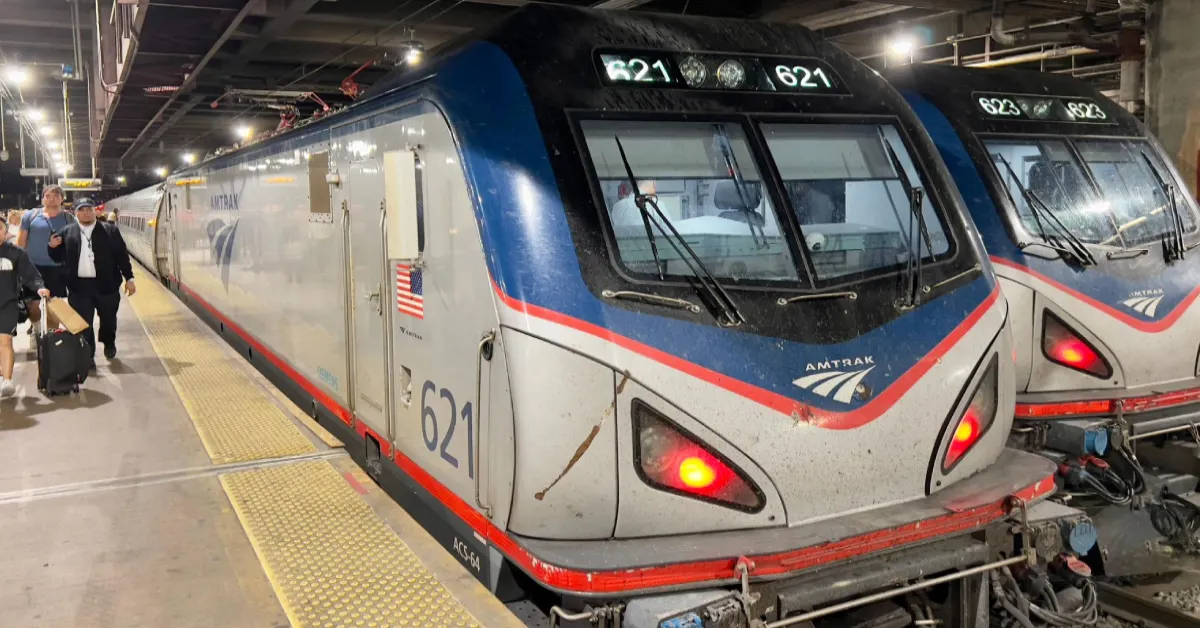
This guide covers exactly that: Acela versus Northeast Regional, current 2026 prices and timings, the stations at both ends, and for readers travelling from India who are pairing this leg with a wider US trip, what the visa process actually involves.
Acela vs Northeast Regional: Which One To Take
Amtrak runs two services on this route, and the choice comes down to how much time is actually worth paying for.
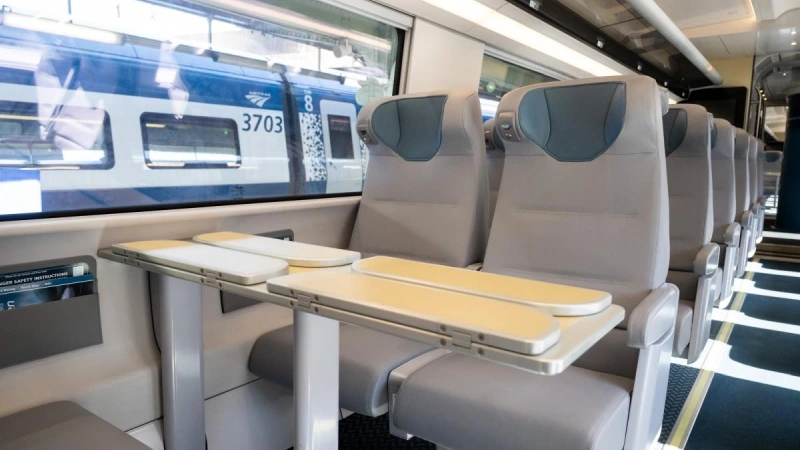
The Northeast Regional is the standard, more affordable service, covering New York to DC in roughly 3 hours 15 minutes to 3 hours 30 minutes, with more stops along the way. It’s the workhorse of the corridor, running close to 20 trains a day on this segment, and for most leisure travellers it’s the sensible default, comfortable seating, free WiFi, power outlets, and a café car, at a noticeably lower fare.
The Acela is Amtrak’s premium, high-speed service, cutting the same journey down to around 2 hours 45 minutes to 2 hours 55 minutes by skipping several intermediate stops and running faster on upgraded sections of track. Amtrak began rolling out its NextGen Acela fleet in August 2025, newer trainsets with more seats, 5G WiFi, and a smoother ride at speeds up to 160 mph, though the full fleet transition is expected to continue through 2027, so both the older and newer trainsets are currently in service. Acela runs business and first class only with no basic coach option, which is the main reason it costs more even before factoring in the time saved.
As a rough rule: if the 30 to 45 minutes saved genuinely matters, or First Class amenities like at-seat meals and lounge access appeal, Acela earns its premium. For everyone else, the Regional covers the same route comfortably at close to half the price.
Prices And Booking Tips
Fares on this corridor move constantly based on how far ahead you book, so treat any published number as a starting point rather than a guarantee.
- Northeast Regional: advance Saver fares typically start around $29 to $49, climbing to $79 to $129 for Flex fares closer to departure or during peak commuter windows.
- Acela: Saver fares typically start around $59 to $90, with Business and First Class Flex fares running $130 to $255 depending on how close to departure you book.
The single most useful booking habit on this route: book as early as the schedule allows. Amtrak typically opens booking 30 to 180 days ahead, and advance Saver fares can run 30 to 80% cheaper than a walk-up ticket bought the same day. Weekday mid-morning and mid-afternoon departures are consistently cheaper than the early-morning and evening commuter windows, when business travelers fill the cheaper fare buckets first.
The Stations: Where You Actually Board
On the New York end, both Acela and Northeast Regional trains depart from Moynihan Train Hall, the renovated, glass-ceilinged extension of Penn Station that now handles Amtrak’s premium services, a genuinely pleasant place to wait compared to the older Penn Station concourse. On the Washington end, trains arrive into Union Station, a short walk or one Metro stop from the National Mall and most of the city’s major sights, which is a big part of why this route works so well without needing a taxi on arrival.
What To Expect Onboard
Every train on this route, Regional or Acela, includes reserved seating, free WiFi, and power outlets at every seat, along with a café car for snacks and drinks. Acela adds wider Business Class seating as standard, with First Class carrying at-seat meal service and access to Amtrak’s Metropolitan Lounges at both Moynihan Train Hall and Union Station. For a route this short, neither service really needs advance meal planning, most travellers are perfectly happy grabbing a coffee from the café car and settling in for under three and a half hours.
A Simple Day Trip Plan From New York
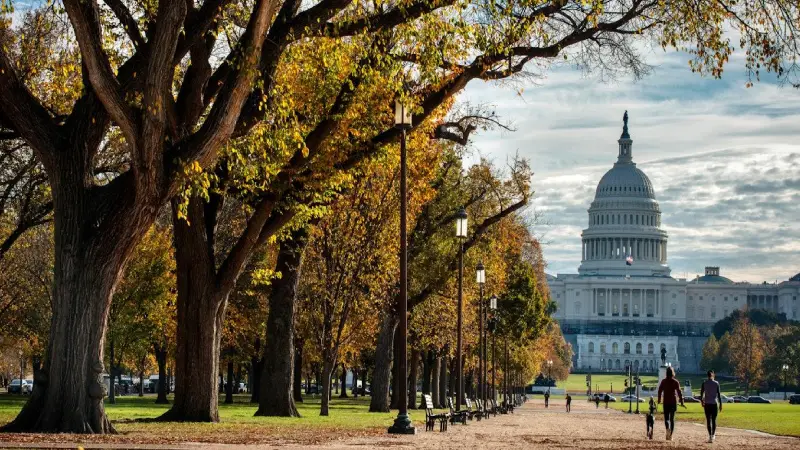
A full day trip is genuinely doable on this route, though an overnight stay gives more breathing room. For a single day:
Early morning: Catch a regional or Acela departure from Moynihan Train Hall by 7 or 8 am to maximise time in DC.
Late morning to afternoon: Walk from Union Station toward the National Mall, most of the free Smithsonian museums and the major monuments sit within a comfortable walking loop from here.
Early evening: Head back to Union Station for a return departure, aiming to be back in New York by 8 or 9 pm.
For a more relaxed pace, spreading this over two days, one night in DC, gives enough time to actually sit down for a proper meal and see more than one or two museums without rushing between them.
Visa Requirements For Indian Travellers
If this train leg is part of a wider US trip from India, the visa process is worth starting many months before any of the travel dates, since it moves on a very different timeline than most other countries covered on this site.
Indian citizens need a B1/B2 visitor visa to enter the United States for tourism or short business visits, there’s no visa-on-arrival or visa-waiver option, and an in-person interview at a US Embassy or Consulate in India has been mandatory for essentially all applicants since September 2025. The core requirements: a valid passport, the completed DS-160 online application form, a compliant digital photograph, proof of funds and strong ties to India (stable employment, property, family), and a clear, specific travel itinerary, vague plans are one of the more common reasons applications stall. The visa itself, once granted, is typically valid for 10 years with multiple entries, though the length of any single stay is decided by the immigration officer at the port of entry, generally up to six months.
The part that actually needs the lead time is the interview wait, which varies significantly by consulate and, as of 2026, can run anywhere from a few weeks to several months depending on the city and season. The base MRV application fee is $185, and from October 2026 a new Visa Integrity Fee of $250 applies on top of that for most applicants, so it’s worth budgeting for both. Given how much the wait time swings by location and time of year, our US visa guide for Indian travellers covers the current consulate-by-consulate picture and the full document checklist in more detail. As a general rule, starting the DS-160 and booking an interview slot at least three to six months ahead of any planned US trip is the safer approach, not weeks.
Frequently Asked Questions
Is the train faster than flying from New York to Washington DC?
Door to door, yes, in most cases. The Acela takes under 3 hours from city center to city center, and even the Regional at around 3.5 hours usually beats a flight once you add airport transfers, security, and boarding time on both ends.
What’s the difference between Acela and Northeast Regional?
Acela is faster (under 3 hours) and business/first class only, at a higher fare. Northeast Regional is slightly slower (around 3.5 hours), offers a standard coach option, and typically costs about half as much.
Which station do trains leave from in New York?
Both services depart from Moynihan Train Hall, the renovated Amtrak concourse attached to Penn Station.
How far in advance should I book?
As early as the booking window allows, Amtrak typically opens tickets 30 to 180 days ahead, and advance Saver fares are consistently the cheapest option on this route.
Do Indian citizens need a visa to travel between New York and Washington DC?
No separate visa is needed to travel between US cities once you’re already in the country. What’s needed in advance is the US B1/B2 visitor visa itself, required for any Indian citizen entering the United States for tourism, regardless of which cities are on the itinerary.
Can this be done as a day trip?
Yes, an early departure and a return train by early evening comfortably covers a walking tour of the National Mall and a couple of Smithsonian museums, though an overnight stay gives a noticeably more relaxed pace.
Final Thoughts
This is one of the rare US routes where the train is simply the better option, not just the scenic or budget-friendly one, and booking early on the Regional is the easiest way to keep the cost close to what a bus would charge while getting there in a fraction of the time. For Indian travellers building this into a longer US itinerary, the real planning work isn’t the train ticket at all, it’s getting the B1/B2 visa timeline started early enough that the interview wait doesn’t end up dictating the whole trip.


