
Prince Edward Island On A Budget: Canada’s Cheapest Beach Escape (2026)

Ask most people to picture a Canadian vacation and you’ll get mountains, maple syrup, maybe a lake somewhere with a canoe involved. Almost nobody pictures a beach, and that’s exactly the gap that makes Prince Edward Island worth talking about. Red sand dunes, warm shallow water by Atlantic Canada standards, and a coastline that looks like nowhere else on the continent sit quietly on the country’s smallest province, mostly overlooked by travelers chasing the Rockies or Niagara Falls instead.

That oversight works entirely in your favor if you’re trying to plan a beach trip without spending like you’re headed somewhere tropical. This guide breaks down exactly what a Prince Edward Island beach trip costs, when to go, how to fill your days, and the small mistakes that quietly turn a budget break into a full price one.
Canada’s Red Sand Secret That Actually Fits A Budget
Prince Edward Island, or PEI as most Canadians call it, owes its red sand to iron oxide in the local soil, and the effect is striking enough that photos of it regularly get mistaken for somewhere in the Caribbean. What those photos don’t show is that a night’s stay here costs a fraction of what a comparable beach trip runs in British Columbia or anywhere south of the border, largely because the island has never marketed itself as a luxury destination. It’s a working agricultural province first, famous for potatoes and lobster, with a beach economy that grew up alongside that identity rather than replacing it.
Prince Edward Island National Park runs along a huge stretch of the island’s north shore, and access to most of its beaches costs only a modest daily park fee that covers the entire day. Local seafood shacks sell lobster rolls at prices that would be unthinkable in a Big City Restaurant, and the province’s small size means you’re never more than an hour or so from your next stop, which keeps transportation costs refreshingly low compared to bigger, more spread out destinations.
None of this means PEI is a total secret. It draws a steady stream of visitors every summer, largely thanks to its Anne of Green Gables connection and its reputation among Atlantic Canada road trippers. But the crowd it draws hasn’t pushed prices anywhere near what a similarly scenic coastline would cost elsewhere, and that gap is exactly why it belongs on a serious budget travel list.
What A Prince Edward Island Beach Trip Really Costs
Here’s a realistic cost breakdown for a couple or small group spending five to six days exploring the island’s beaches and small towns, based on current 2026 pricing in Canadian dollars.
Sleeping Somewhere Near The Water
Budget motels and small inns scattered around Cavendish and North Rustico typically run between one hundred and one hundred forty dollars a night for a double room, and several of them sit close enough to the beach that a short walk gets you there. Self catering cottages, common across the island and often family run, bring the per person cost down significantly for groups of three or more, usually running between one hundred fifty and two hundred twenty dollars a night for the whole property. Camping inside Prince Edward Island National Park is the cheapest option by a wide margin, with serviced sites typically costing thirty to fifty dollars a night, and it’s a genuinely pleasant way to experience the coastline if you don’t mind bringing your own gear.
Lobster Rolls And Everything Else You’ll Eat
Seafood is the obvious draw here, and a proper lobster roll from one of the island’s countless shacks and chip wagons runs eighteen to twenty five dollars, which is remarkably reasonable given how central lobster is to the local economy. A traditional PEI lobster supper, the kind served family style with unlimited mussels and chowder before the main course, runs closer to forty five to sixty dollars per person but is worth treating as a one time splurge rather than a nightly habit. Local diners and casual restaurants away from the main tourist strips serve full meals for fifteen to twenty dollars, and the island’s famous potatoes show up in some form at nearly every meal, usually for free as a side. Grocery stores and farm stands are everywhere, and self catering travelers can bring daily food costs down considerably by picking up fresh produce and seafood directly rather than eating out for every meal.
Getting Around Without Breaking The Bank
PEI is small enough that a rental car, typically running forty to sixty dollars a day, covers the entire island’s major sights within a single trip without racking up huge mileage costs. There’s no significant public transit system connecting the island’s towns, so a car genuinely is the practical choice here rather than an optional upgrade. The Confederation Bridge connecting PEI to mainland New Brunswick has a toll only when leaving the island, currently around fifty dollars per vehicle, while the alternative ferry from Nova Scotia costs a similar amount but adds the scenic value of an actual boat crossing.
Free And Nearly Free Things To Do
Beach access inside Prince Edward Island National Park costs a modest daily vehicle fee that comfortably covers a full day of beach hopping between several different stretches of coastline. Small town wandering in places like North Rustico and Victoria by the Sea costs nothing beyond parking, and both are genuinely worth a slow afternoon. The Anne of Green Gables Heritage Place has an entry fee of roughly ten to fifteen dollars and is worth it even for visitors who’ve never read the books, simply for the preserved farmhouse and gardens. Sunset watching from any of the island’s north shore lighthouses, meanwhile, costs absolutely nothing and is arguably the best activity on the entire island.
The Daily Number That Actually Matters
A couple staying in a budget motel or cottage and eating a mix of casual meals with one proper lobster supper can comfortably manage the trip on roughly ninety to one hundred twenty dollars a day per person, covering accommodation, food, transportation and a couple of paid activities. Groups splitting a self catering cottage or camping inside the national park often bring that per person figure down closer to fifty to seventy dollars a day, which is difficult to match at most other coastal destinations in the country.
What A Full Trip Actually Adds Up To
For a five night stay, a couple traveling on a modest budget should plan for somewhere between eight hundred and eleven hundred dollars total, not including the flight or drive to reach the island. A group of four sharing a self catering cottage can often keep the total trip cost, accommodation, food, transportation and activities combined, under eighteen hundred dollars for the same stay, which stacks up favorably against nearly any beach destination of comparable character on the continent.
Picking Your Window: PEI’s Beach Season Explained
Prince Edward Island has a genuinely short beach season compared to warmer destinations, and timing your trip correctly changes both the cost and the experience considerably.
Early Summer Before The Rush
June brings the island back to life after a long winter, with warmer days and noticeably thinner crowds than the peak summer months bring. Water temperatures are still on the cool side for extended swimming this early, but the beaches themselves are just as striking, and accommodation prices sit at some of their lowest points of the entire warm season.
Peak July And August
Peak summer is when the island’s beach culture is in full swing, with warm water, busy boardwalks in Cavendish, and the highest accommodation prices of the year. If summer is the only realistic window for your trip, booking several months ahead and considering a stay slightly outside the busiest towns can meaningfully soften the cost.
Late Summer Sliding Into Fall
Late August through mid-September might be the island’s best-kept secret. Water stays comfortable for swimming, crowds thin out noticeably once school resumes, and accommodation prices drop while the weather remains genuinely beach appropriate. Many repeat visitors consider this the strongest overall window for a PEI trip.
The Quiet Off Season
Once October arrives, the island shifts firmly into off-season mode, with many beach-town businesses closing for the winter entirely. It’s not a beach trip destination this time of year, but it does become dramatically cheaper for anyone interested in the island’s food and small town charm without any beach component at all.
For most travelers trying to balance genuinely warm water against a reasonable budget, late June through early July or the final weeks of August through mid-September come out as the strongest choices.
Five Days Along PEI’s North Shore
Landing And Getting Your Bearings
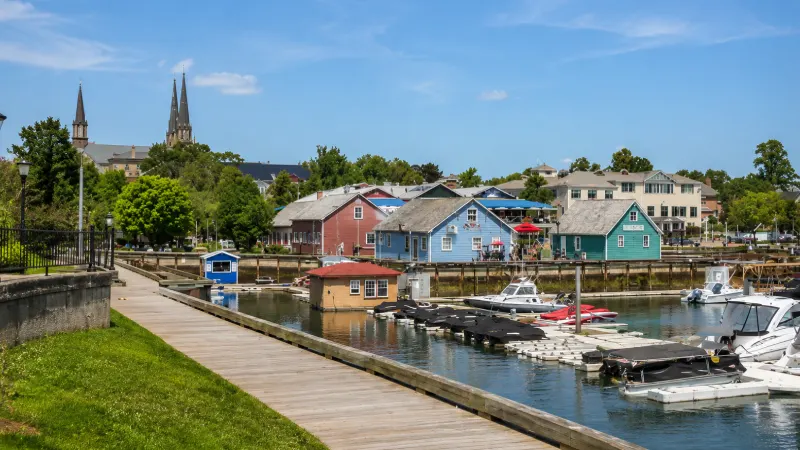
Most flights land in Charlottetown, the island’s small capital, so spend your first afternoon and evening exploring its walkable waterfront rather than rushing straight to the beaches. The colorful row houses along the harbor and the compact downtown make for an easy, low effort first evening, and it’s a good spot to pick up a casual dinner before heading toward the north shore the next morning.
A Full Day At Cavendish Beach
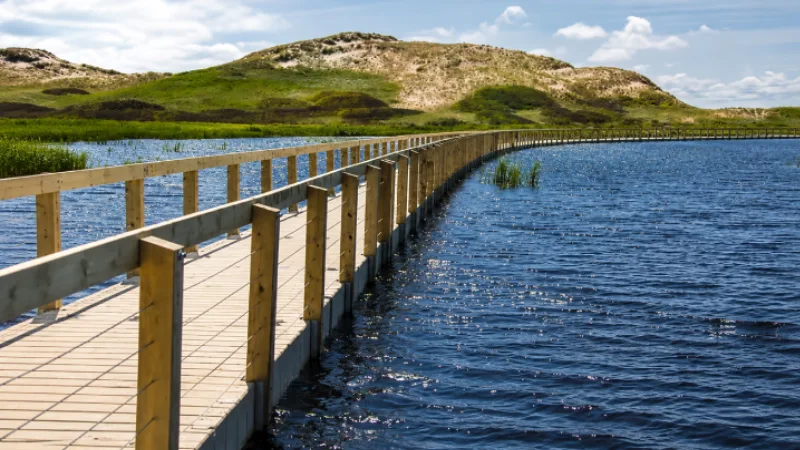
Head to Cavendish Beach inside Prince Edward Island National Park and give the day entirely to the coastline, since this is genuinely what most visitors come for. The red sand and dune boardwalks here are the most photographed on the island, and the water, while cool, is swimmable through most of summer. Break up the beach time with lunch from one of the nearby chip wagons before returning for a slower afternoon on the sand.
Small Towns And Green Gables Country
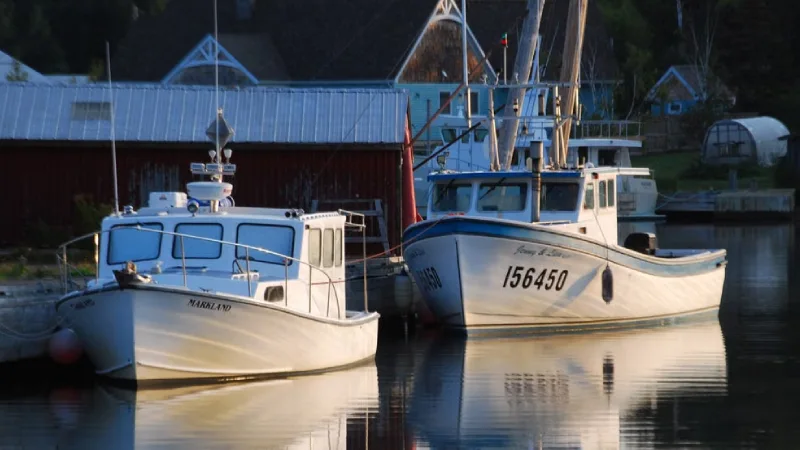
Spend the morning at the Anne of Green Gables Heritage Place, wandering the preserved farmhouse and gardens even if the books were never a childhood favorite. In the afternoon, drive the short distance to North Rustico, a working fishing harbor with a genuinely different pace from the busier Cavendish beach strip, and pick up fresh seafood directly from the harbor for dinner if your accommodation allows for cooking.
Lighthouses And A Proper Lobster Supper
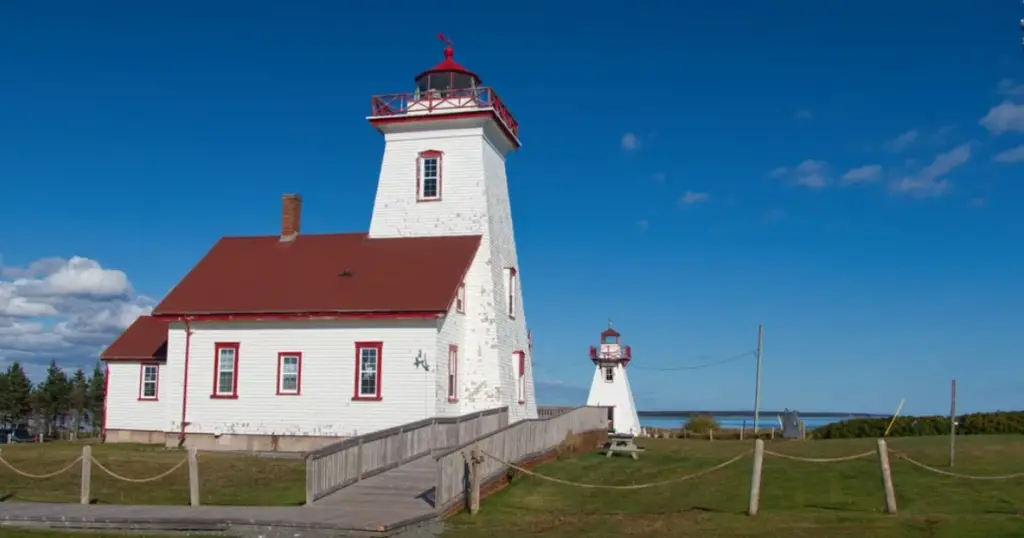
Spend the day exploring the north shore’s scattered lighthouses, stopping wherever the coastline looks worth a photo, since the entire drive doubles as a scenic route in its own right. In the evening, commit to one proper PEI lobster supper, the kind with unlimited mussels and chowder before the main course, as the trip’s one deliberate splurge.
A Slower Final Morning
Use your last morning for a final walk on whichever beach you enjoyed most, or a slower breakfast in Charlottetown before heading to the airport. A trip built entirely around driving between sights tends to feel more tiring than restful by the end, and PEI genuinely rewards visitors who leave room to just sit by the water on the last morning.
This pacing works well for couples and small groups alike, and it can easily stretch to a full week by adding an extra beach day or exploring the island’s quieter south shore without needing to change the overall structure.
Why PEI Beats The Bigger Name Beach Trips
Destinations like the Amalfi Coast or the Caribbean deliver a certain kind of postcard polish, no argument there, but Prince Edward Island offers something that’s becoming genuinely harder to find at a beach destination: a trip that doesn’t require constant financial vigilance. You can order the lobster roll without checking the price twice, add an extra beach stop without recalculating the day’s budget, and stay an extra night without the math becoming uncomfortable.

PEI also avoids the manufactured exclusivity that drives prices up at more famous coastal destinations. It’s a working agricultural and fishing province first and a tourist destination second, and that order of priorities is exactly what keeps prices honest for visitors rather than inflated for them.
Packing For Red Sand, Wind And Changeable Weather
A light rain jacket is worth packing regardless of when you visit, since coastal weather here can shift quickly even on an otherwise sunny summer day. Sandals or water shoes matter more than people expect, since the sand can get genuinely hot in peak summer and some beach entries involve a short walk over rocks or dune grass.
A reusable water bottle is worth bringing on any of the longer boardwalk or lighthouse walks, since services thin out quickly once you’re outside the main towns. It’s also worth packing a light sweater even in July, since evenings along the coast cool down noticeably once the sun goes down, even after a genuinely warm day.
Where Budget Travelers Go Wrong On PEI
Booking a peak-summer-weather weekend without comparing early or late-season rates is one of the most common ways travelers accidentally overspend here. Shifting a trip by even two or three weeks in either direction can bring accommodation costs down substantially without sacrificing much in terms of weather.
Skipping travel insurance because it’s a domestic Canadian trip is another mistake worth avoiding. Weather related flight delays are common enough at PEI’s small regional airport, and a basic policy covering trip interruption and cancellation earns its cost more often than travelers expect.
Assuming every lobster supper is the same is a mistake that leads a lot of visitors to just pick the first roadside sign they see rather than checking which spots locals actually recommend, when the difference in quality and value between them can be genuinely noticeable.
Underestimating how cold the water stays even in summer is another one worth planning for. It’s the Atlantic, not the Caribbean, and setting expectations accordingly avoids a disappointing first swim.
Finally, a lot of first-time visitors assume PEI is only worth a couple of days, when in fact the island rewards a slower pace, and rushing between sights tends to undercut exactly what makes it worth visiting in the first place.
Does A Domestic Canadian Trip Really Need Travel Insurance?
It’s easy to assume that a trip within your own country doesn’t need the same preparation as an international one, but a coastal island destination carries its own specific set of risks worth covering. Flight delays connecting through smaller regional airports, unpredictable Atlantic weather, and last minute changes to ferry or bridge crossing plans are all more common here than people expect, and trip interruption coverage can be the difference between absorbing a disrupted journey gracefully versus losing the cost of a prepaid stay entirely.
A basic travel insurance plan covering trip cancellation, interruption, and delay for a domestic beach trip typically costs a small amount relative to the total trip cost, often just a modest sum for a week-long stay depending on the total amount insured. Comparing a few options before booking accommodation is worth the few minutes it takes, particularly for anyone traveling during the less predictable shoulder season months.
Before You Cross The Bridge: A Quick Checklist
- Light rain jacket regardless of season
- Sandals or water shoes for dune and rocky beach entries
- A light sweater for cooler coastal evenings
- Travel insurance covering trip interruption and cancellation
- Cash for smaller seafood shacks and farm stands
- Reusable water bottle for lighthouse and boardwalk walks
- Camera or phone charged for the red sand coastline
FAQ
How many days are enough for a Prince Edward Island trip?
Five days is a comfortable amount of time to cover Cavendish Beach, Green Gables Country, and North Rustico without rushing. A full week gives room for the island’s quieter south shore or simply a slower pace throughout.
What is the cheapest time to visit PEI’s beaches?
Late August through mid-September offers noticeably lower prices than peak July while still delivering swimmable water and comfortable beach weather, making it the strongest overall value window of the year.
Is Prince Edward Island a good budget option compared to other Canadian destinations?
Yes, its small size, working agricultural economy, and lack of luxury resort development have kept accommodation and food prices considerably more grounded than in destinations like British Columbia’s coast or the Canadian Rockies.
Do I need travel insurance for a domestic trip like this?
It isn’t required, but it’s worth having, particularly given how unpredictable regional flight schedules and Atlantic coastal weather can be. A basic trip cancellation and interruption policy costs relatively little compared to the protection it provides.
Is PEI good for families with young children?
Yes, the gentle, shallow water at many North Shore beaches, combined with family-friendly attractions like Green Gables and the boardwalk dunes, makes it a genuinely practical choice for families traveling with kids.
Can I visit Prince Edward Island without a car?
It’s difficult, since the island has no significant public transit connecting its towns and beaches. A rental car is genuinely the practical choice here rather than an optional extra.
Final Word Before You Book
Prince Edward Island has quietly built a reputation among Atlantic Canada travelers without needing resort pricing to match the scenery, and that combination is genuinely rare for a beach destination this photogenic. A trip here doesn’t ask you to choose between a real coastal escape and a reasonable budget, and that’s exactly why it keeps pulling visitors back long after the red sand photos have faded from everyone’s camera roll. If a beach trip somewhere different from the usual list has been sitting on your someday plans, this is a genuinely easy one to finally book.


