
South East Thailand Islands: The Real Guide To Koh Chang, Koh Kood, Koh Mak, Koh Wai And Koh Samet

If you were to ask ten people where to go for ‘island hopping’ in Thailand, nine would likely name Phuket, Krabi, or Koh Samui. This is not to say they are wrong; these islands certainly deserve their popularity. However, on the other side of the country lies a cluster of islands highly favoured by long-term travellers and expatriates. The main reason for this preference is that the area has remained free from the influx of large tourist buses. Located in the southeast near the Trat province and the Cambodian border, these islands offer a Thai experience that is vastly different and unique compared to the famous ‘postcard-perfect’ scenery of the Andaman coast.
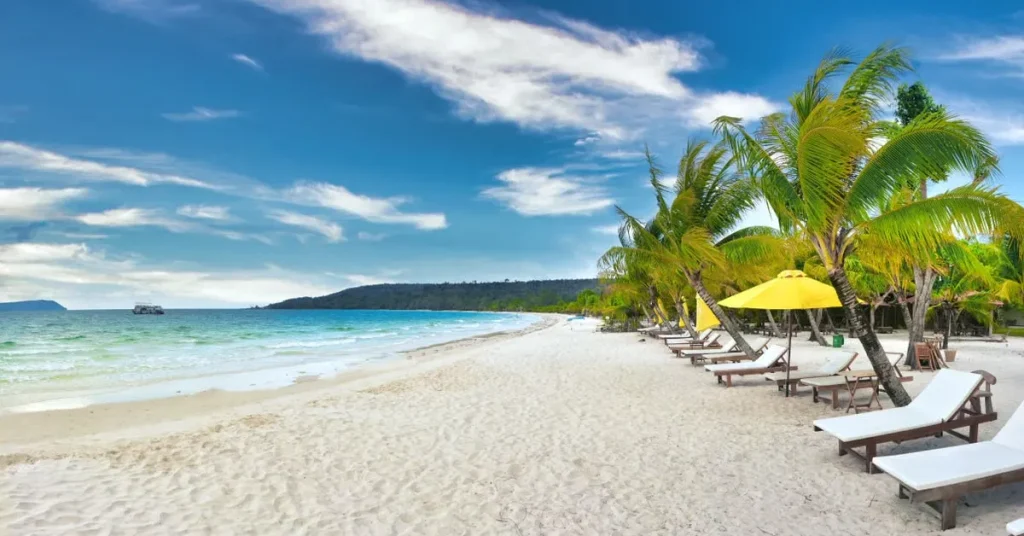
I want to be upfront about something before going further: ‘South East Thailand Islands’ is a slightly loose term, and different people mean different things by it. Most commonly it refers to the Mu Ko Chang archipelago, Koh Chang, Koh Kood, Koh Mak, and the smaller islands around them like Koh Wai, all sitting in the eastern Gulf of Thailand near Trat. Some people also lump in Koh Samet, which technically sits off Rayong province a bit further northwest but gets grouped into east-coast island trips constantly because it’s the easiest one to reach from Bangkok. I’ll cover all of them here, because in practice, most people planning this kind of trip end up comparing exactly this group.
Why This Part Of Thailand Gets Overlooked
Part of it is geography. There’s no direct international airport funnelling tourists straight to these islands the way Phuket has one. Getting here almost always means flying into Bangkok first, then either a short domestic flight to Trat or a long-ish drive, followed by a boat. That extra friction filters out a chunk of the crowd that would otherwise show up, which honestly is most of the appeal.
The other part is branding. Phuket and Koh Samui got decades of tourism marketing behind them. Koh Kood didn’t have a paved ring road until relatively recently, and Koh Mak still has patches without reliable phone signal on the interior side of the island. None of that is a complaint; it’s the whole point for a certain kind of traveller, but it does mean these islands never built the same name recognition, even as word has clearly been spreading over the last few years among people trying to escape the crowds further south.
Getting There: The One Genuinely Annoying Part
I won’t sugarcoat this. Reaching these islands takes more effort than flying straight into Phuket, and it’s worth planning properly rather than winging it, especially during high season when the last boat of the day fills up faster than you’d expect.
The most common route starts with a Bangkok Airways flight from Suvarnabhumi to Trat, which takes about an hour, followed by a transfer to whichever pier matches your destination island. Trat Airport is small enough that transfer services meet essentially every flight, so you’re not standing around figuring out logistics on arrival. From there, speedboats or slower ferries run to Koh Chang, Koh Mak, or Koh Kood depending on which pier you’re departing from, Laem Ngop or Laem Sok being the two main ones.
If flying isn’t in the budget, buses and minivans run from Bangkok’s Ekkamai and Mo Chit terminals to Trat, taking somewhere around five to six hours depending on traffic, and from there you connect to a pier the same way. It’s a longer day, but it’s also considerably cheaper, and plenty of backpackers do exactly this route without complaint.
Island hopping between the three main islands, Koh Chang, Koh Kood, and Koh Mak, is straightforward once you’re actually out there, since ferry operators like Boonsiri run regular connections between them. A Koh Chang to Koh Kood crossing runs about ninety minutes, while Koh Mak to Koh Kood is a much shorter hop, closer to thirty minutes. None of these routes involve vehicle ferries, though, so if you’ve rented a car on the mainland, it isn’t coming with you onto any of these islands.
Koh Chang: The Biggest And Most Developed
Koh Chang is the anchor of the group, and it’s the one that feels most like a “normal” Thai beach destination, in the sense that it has actual infrastructure, a decent spread of restaurants, dive shops, and enough nightlife on the main beaches to keep things lively without tipping into full party-island territory.
What surprises a lot of first-time visitors is how much of the island is still jungle. Koh Chang is Thailand’s second largest island after Phuket, and most of its interior is a protected national park, which means waterfalls, hiking trails, and genuinely dense rainforest sit a short drive from beach resorts. The Treetop Adventure Park, with its zip lines and canopy walkways through the forest, is one of the better family activities in the whole region, and if you’re staying anywhere near Klong Prao or Kai Bae beach, kayaking out to the small islands just offshore, Koh Suwan and Koh Rom, is a nice half-day escape from the main beach scene.
Where Koh Chang differs from Koh Kood and Koh Mak is simply volume. It gets more visitors, has more roads, and has more scooters buzzing around, and during December and the general high season, it can feel genuinely busy in the main tourist strips. That’s not necessarily bad; it just means Koh Chang is the right pick if you want beaches with some energy and options, rather than total isolation.
Koh Kood: The One Everyone Says Not To Tell People About
If there’s a single island in this cluster that keeps coming up in conversations with people who’ve actually been, it’s Koh Kood. The water here has that improbable, almost artificial-looking turquoise that people assume is a filtered Instagram photo until they see it in person. Klong Chao Beach, with its calm water and a waterfall a short walk inland, gets most of the attention, but there are quieter stretches further around the island that stay nearly empty even during peak months.
Koh Kood earns its slightly higher price tag honestly. Everything on the island – food, building materials, fuel – arrives by boat, which pushes up costs compared to Koh Chang or Koh Mak. It also doesn’t have vehicle ferries, so getting a car onto the island isn’t an option; most people rent scooters instead, and Koh Kood is genuinely one of the better islands in the country to explore that way, assuming you’re comfortable on two wheels. The road network has improved a lot over recent years, though a few sections still turn to mud after heavy rain, which is worth knowing if you’re riding rather than being driven.
Connectivity has caught up faster than you might expect for somewhere this remote. Most of the main beach areas, particularly around Klong Chao and Klong Mad, now get decent 4G and even 5G coverage, and a handful of cafés double as informal co-working spots for the growing number of remote workers who base themselves here for a few weeks at a time rather than a few days.
Koh Mak: Small, Slow, And Genuinely Different
Koh Mak is the island people describe using words like ‘deep exhale’, and after visiting, it’s hard to disagree. It’s tiny, just sixteen square kilometres, tucked directly between Koh Chang and Koh Kood, and it was originally a coconut and rubber plantation before quietly becoming a tourist destination. The local families who own most of the land have deliberately resisted the kind of large-scale resort development that reshaped islands further south, and the result is an island where bicycles genuinely make sense as primary transport, where kitchens are small and family-run rather than corporate, and where the loudest sound most evenings is water lapping against a pier rather than music from a beach bar.
This isn’t the island for anyone wanting nightlife or a wide choice of restaurants. What it does offer instead is two genuinely beautiful, mostly undeveloped bays, a slower rhythm that’s increasingly hard to find anywhere in Thailand, and a community feel that comes from an island small enough that you’ll probably recognise the same faces at breakfast a few days running. It’s also becoming something of a niche sports destination, with a growing reputation around tennis and Muay Thai training camps that draw a specific crowd back year after year.
Koh Mak has no airport, so reaching it always means a boat from Laem Ngop pier, generally a forty-five to fifty-minute speedboat ride. Most people fold it into a wider itinerary with Koh Chang and Koh Kood rather than visiting it in isolation; since the whole appeal is contrast, this island functions best as the quiet middle chapter between two livelier stops.
Koh Wai: The Tiny One Almost Nobody Mentions
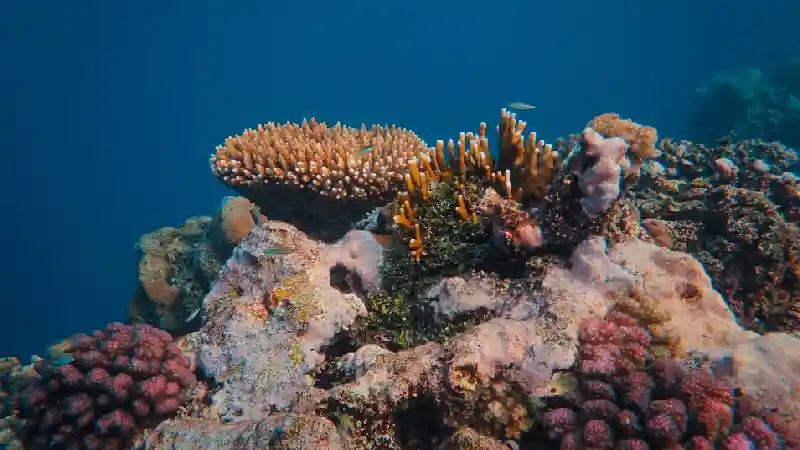
Koh Wai barely registers on most people’s radar, and that’s exactly the appeal. It’s a small island between Koh Chang and Koh Mak with a handful of simple bungalow operations and not much else – no real town, no nightlife, no shops beyond what a Resort restaurant provides. What it does have is some of the better snorkelling in the immediate area, with coral reefs close enough to shore that you don’t need a boat trip to reach them.
Koh Wai works best as either a day trip from Koh Chang; most island hopping tours include a stop here, or as a one- or two-night detour for someone who genuinely wants to disconnect for a bit before rejoining a bigger island. It’s not a place to spend a week; there simply isn’t enough there for that, but as a brief, quiet interruption in a longer island-hopping trip, it earns its spot.
Read More: Thailand Tips 2026: Everything First-Time Visitors Need to Know
Koh Samet: The Weekend Escape Bangkok Actually Uses
Koh Samet sits a bit apart from the other four geographically, off Rayong rather than Trat, but it comes up constantly in the same conversations because it’s the fastest island escape from Bangkok, roughly three to four hours by minivan and ferry combined, which is exactly why generations of Bangkok residents have treated it as their go-to weekend beach trip.
Sai Kaew Beach is the liveliest stretch, with fire shows most evenings, jet ski rentals, and a fairly steady stream of beach vendors, while much of the rest of the island falls inside Khao Laem Ya-Mu Ko Samet National Park, which keeps development from sprawling everywhere and preserves a few genuinely quiet coves for anyone willing to walk a bit further from the main pier. Weekdays here feel like a completely different island than weekends, when Bangkok empties out toward the coast.
Compared to the Trat islands, Koh Samet runs noticeably pricier for what you get, largely because of its proximity to Bangkok and its status as a default weekend trip rather than a deliberate island-hopping destination. It’s worth including in a broader East Coast plan mainly for convenience, less as a place to spend the bulk of a longer trip.
What It Actually Costs
Costs vary more across these islands than a lot of guides let on, and the difference isn’t small. Budget travellers moving through Koh Chang can realistically get by on a modest daily budget covering a simple guesthouse, street food, and the odd scooter rental, and comparative travel data consistently shows Koh Chang running noticeably cheaper day to day than Koh Samet, largely because Koh Samet’s proximity to Bangkok pushes up prices for the same kind of stay.
Koh Kood sits at the pricier end of the Trat cluster specifically because everything arrives by boat, which nudges up accommodation and food costs compared to its neighbours, though it’s still nowhere near what a comparable stretch of beach costs in Phuket. Koh Mak lands somewhere in the middle, and Koh Wai’s limited number of bungalow operators means pricing there tends to be simpler, with fewer options but less to compare against. A rough rule of thumb that holds up across the group: the more remote and less developed the island, the more you’ll pay for accommodation and food specifically, but the less you’ll spend on activities and nightlife, since there’s simply less to spend money on. It tends to balance out more evenly than the sticker price on a hotel room might suggest.
When To Actually Go
The dry season, running roughly from November through April, is the safe answer here, and it lines up with when most people picture Thailand beach weather: clear skies, calm seas, and comfortable temperatures. December specifically is peak season across nearly every island in this cluster, which means the best weather overlapping with the highest prices and the biggest crowds, a pattern that holds true here just as much as anywhere else in the country.
The quieter alternative is the rainy season, June through October, and it’s worth taking seriously as an option rather than automatically avoiding it. Rain in this part of Thailand tends to arrive as short, heavy afternoon downpours rather than days of unbroken grey skies, and several islands in the group, Koh Chang and Koh Samet among them, see a manageable number of actual rain days even during the wetter months. What you get in exchange is meaningfully lower prices, thinner crowds, and a version of these islands that feels considerably more relaxed than the December rush. March and April sit in an odd middle zone, hot, sometimes uncomfortably so, but still generally dry, and worth considering if your travel dates are fixed and don’t line up with the classic November to February window.
The Practical Stuff You Actually Need To Know Before Booking
A few things changed recently enough that older blog posts about this region are already slightly out of date, so it’s worth getting current before locking in flights. As of early September 2026, Thailand shortened its general visa-free entry from sixty days back down to thirty days for most nationalities, including the US, UK, Canada, and Australia, reversing a longer allowance that had been in place since 2024. For most trip lengths to these islands, a week or two, this change won’t affect anything, but it’s worth knowing if you’re planning a longer, multi-country Southeast Asia loop that assumed the extra time. Every visitor, regardless of visa status, still needs to complete the free Thailand Digital Arrival Card before entering the country, a step that’s easy to forget if you travelled to Thailand before it became mandatory.
Cash matters more out here than it does in Bangkok. ATMs exist on the bigger islands but thin out fast on Koh Mak and Koh Wai, and plenty of small, family-run restaurants and guesthouses across all of these islands still don’t take cards, so carrying enough baht for a few days at a time avoids an awkward situation on an island where the nearest working ATM might be a boat ride away.
Mobile coverage has genuinely improved across the region in the last couple of years, but it’s still uneven. Koh Chang and Koh Samet have solid, reliable signals almost everywhere. Koh Kood’s main beach areas now get decent coverage too, but the interior can drop out. Koh Mak and Koh Wai are where you should expect real gaps, which, depending on your mood going in, is either an inconvenience or exactly the point.
Which Island Actually Fits Your Trip
If you want beaches with some buzz, a decent range of food and activities, and don’t mind sharing the island with other tourists, Koh Chang gets you the most for the least hassle. If you’ve seen the photos of that impossible turquoise water and want to see it in person, budget a little extra and go to Koh Kood, ideally staying a few nights near Klong Chao. If what you actually want is to disappear for a while, read a stack of books, and remember what silence sounds like, Koh Mak or Koh Wai will deliver that far better than anywhere busier. And if your trip is short, your flight lands in Bangkok, and you just want a legitimate beach day or two without burning half your trip on transport, Koh Samet is the pragmatic choice, even if it’s not technically part of the same island group.
Most people who fall in love with this part of Thailand end up doing some combination of two or three of these islands rather than picking just one, and honestly, that’s the right instinct. The contrast between Koh Chang’s energy and Koh Mak’s quiet, or between Koh Kood’s postcard beaches and a quick, cheap detour to Koh Wai, is a big part of what makes the eastern islands worth the extra travel time in the first place.
Frequently Asked Questions
What are the Southeast Thailand islands, exactly?
Most commonly the term refers to the Mu Ko Chang archipelago in Trat province, Koh Chang, Koh Kood, Koh Mak, and smaller islands like Koh Wai, all in the eastern Gulf of Thailand near the Cambodian border. Koh Samet, off nearby Rayong province, often gets grouped into the same conversation since it’s frequently combined into east coast itineraries.
How do you get to Koh Chang, Koh Kood, or Koh Mak from Bangkok?
The most common route is a short flight from Bangkok to Trat, followed by a transfer to a pier and a ferry or speedboat to your chosen island. Buses and minivans from Bangkok to Trat are a slower, cheaper alternative, taking around five to six hours before the same boat connection.
Which is better, Koh Chang or Koh Kood?
Koh Chang has more infrastructure, nightlife, and options for food and activities, while Koh Kood is quieter, more scenic, and pricier because everything arrives by boat. Neither is objectively better; it depends on whether you want convenience and energy or scenery and stillness.
Is Koh Mak worth visiting if it’s so small?
Yes, particularly as a contrast to a livelier island earlier or later in the same trip. It’s not a destination for nightlife or variety, but for slow, quiet island time with a strong sense of local community, it’s one of the better options in the country.
Do I need a visa to visit these islands?
Most nationalities, including the US, UK, Canada, and Australia, can enter Thailand visa-free for tourism, though the allowance was reduced from sixty to thirty days as of early September 2026. Every visitor also needs to complete the free Thailand Digital Arrival Card before arrival, separate from visa status.
What’s the best time of year to visit the Southeast Thailand islands?
November through February offers the most reliable weather and is peak season across the region. June through October, the rainy season, brings short afternoon downpours rather than constant rain, along with noticeably lower prices and thinner crowds.
Final Thoughts
The southeast islands don’t try to compete with Phuket or Koh Samui on scale, and that’s exactly why they’ve quietly built such a loyal following. Koh Chang gives you a proper beach destination with enough going on to fill a week. Koh Kood delivers the kind of water that looks fake in photos and isn’t. Koh Mak and Koh Wai strip things back to almost nothing, in the best way. Add in an easy Bangkok weekend option in Koh Samet, and you’ve got a genuinely varied stretch of coastline that most travellers never bother reaching, mostly because it takes one extra flight and one extra boat to get there. Put in that little bit of extra effort, and you get islands that still feel like they belong to the people who actually live on them, not just the people passing through.


