
Thailand Tips 2026: Everything First-Time Visitors Need to Know

Thailand has a way of overwhelming first-time visitors in the best possible sense. One afternoon you are haggling gently at a street market in Bangkok, the next you are standing barefoot in a gold-covered temple in Chiang Mai, and by the end of the week you are floating in water off an island so blue it looks edited. The country genuinely does have something for every kind of traveller, but it also runs on a slightly different set of rules than most Western destinations, and knowing them before you land makes the difference between a smooth trip and a stressful one.
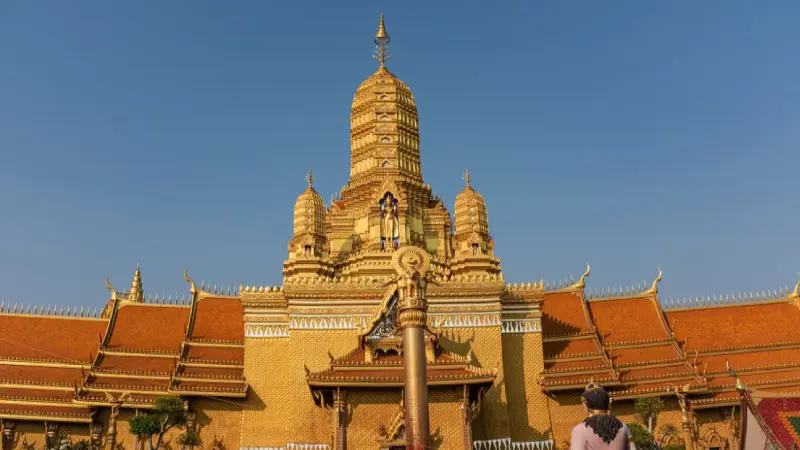
This guide covers what actually matters for a first visit to Thailand in 2026: entry requirements, money, getting around, cultural etiquette, safety, and the small practical details that rarely make it into the glossy travel brochures but end up mattering the most once you are there.
Do You Need a Visa for Thailand
For most Western passport holders, the answer in 2026 is refreshingly simple. Citizens from over 90 countries, including the United States, the United Kingdom, most of the European Union, Australia, and Canada, can enter Thailand visa-free for stays of up to 60 days under the current exemption scheme. This covers the vast majority of tourist trips comfortably, and for longer stays it is possible to apply for an extension at a local immigration office once you are already in the country.
If your trip runs longer than 60 days or falls outside a straightforward tourism purpose, an eVisa can be applied for in advance through the official Thai government portal, and this is worth sorting out weeks ahead of travel rather than leaving it until the last minute.
One newer requirement that catches a lot of first-timers off guard is the Thailand Digital Arrival Card, commonly shortened to TDAC. This has replaced the old paper arrival card that used to get handed out on the plane, and it now needs to be completed online before you land, generally within a few days of your arrival date. It is a straightforward form covering your passport details, accommodation, and flight information, but skipping it or leaving it until you are standing in the immigration queue is a common and entirely avoidable source of delay.
Money and Costs
The local currency is the Thai Baht, and while Thailand has a reputation as one of the more affordable destinations in Southeast Asia, costs do vary significantly depending on where you go and how you travel. Bangkok and Chiang Mai remain relatively budget-friendly for food, transport, and mid-range accommodation, while the more popular islands, particularly during peak season from November through March, can push prices noticeably higher.
Withdrawing cash from ATMs is generally the most reliable way to access baht, though most Thai banks charge a foreign transaction fee on top of whatever your home bank charges, so it is worth comparing a few banks if you plan to withdraw frequently. Currency exchange booths in cities and airports vary wildly in their rates, and airport exchange counters in particular tend to offer some of the worst rates you will find, so changing a small amount on arrival and doing the bulk of your exchanging at a reputable bank or exchange counter in the city center works out considerably better.
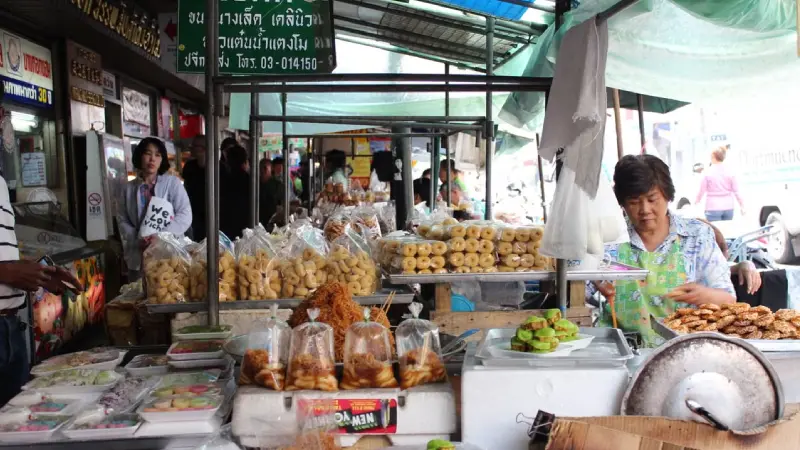
Carrying small denomination notes is genuinely useful advice rather than a cliché tip. Street food vendors, tuk-tuk drivers, and small market stalls often cannot break a large note, and showing up with only large bills can slow down transactions or occasionally result in a driver claiming they have no change at all. Bargaining is expected and even culturally appropriate at markets, with street stalls, and for unmetered transport like tuk-tuks, though it should stay friendly rather than aggressive. Offering somewhere around 30 to 40 percent below the initial asking price and negotiating from there with a smile tends to work better than hard bargaining, and most Thai vendors respond far more warmly to polite back and forth than to pushiness.
Getting Around
Grab, the region’s dominant ride-hailing app, has essentially replaced the need to flag down taxis or negotiate tuk-tuk fares in most Thai cities, and downloading it before you arrive saves a fair amount of hassle. It shows fares upfront, accepts card payment if you prefer not to carry cash for every ride, and avoids the occasional overcharging that can happen with unmetered transport when a driver senses an unfamiliar tourist.
Within cities, Bangkok’s BTS Skytrain and MRT subway system are fast, clean, and dramatically cheaper than taxis for getting across the city during rush hour traffic, which can otherwise turn a short distance into an hour-long crawl. Chiang Mai and the islands rely more heavily on songthaews, the shared pickup trucks with bench seating in the back, which are cheap and reasonably straightforward once you get used to flagging them down and confirming the fare before getting in.
For travel between cities, Thailand’s domestic flight network is extensive and often surprisingly affordable, particularly on routes connecting Bangkok with Chiang Mai, Phuket, or Krabi. Overnight trains and long-distance buses are the budget alternative and, on certain routes, genuinely part of the experience rather than just a way to save money, though they take considerably longer than flying.
Culture and Etiquette
Thailand takes certain cultural and legal norms seriously in ways that are worth understanding before you land rather than learning the hard way. The monarchy is held in extremely high regard, and Thailand’s lese-majeste laws around any perceived disrespect toward the royal family are strict and actively enforced, including toward foreign visitors. This extends to physical currency, since Thai banknotes and coins bear the king’s image, and something as small as stepping on a dropped coin to stop it rolling can be seen as deeply disrespectful.
Buddhist temple etiquette matters and is generally non-negotiable at major sites. Shoulders and knees should be covered before entering any temple, shoes come off before stepping into the inner sanctuary, and many of the busier temples in Bangkok and Chiang Mai now use monitoring to ensure visitors are following dress codes and behaving appropriately around worshippers. Moving quietly, sticking to designated photo areas, and simply being aware that these are active places of worship rather than photo backdrops goes a long way.
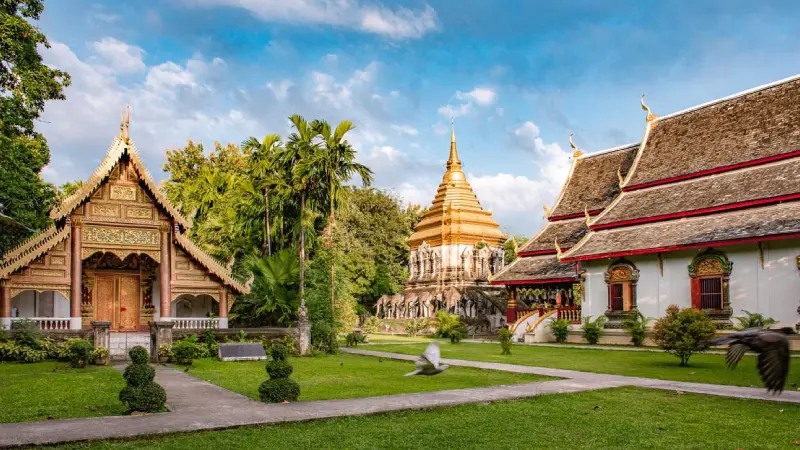
Physical gestures carry more cultural weight in Thailand than most Western visitors expect. The head is considered the most sacred part of the body and should never be touched, even in a friendly or joking manner, while feet are considered the lowest and dirtiest part of the body, meaning pointing your feet at a person, a Buddha statue, or an image of the royal family is genuinely offensive rather than a minor faux pas.
Thai social culture also places significant value on the concept of saving face, meaning public displays of anger, raised voices, or aggressive confrontation tend to backfire badly, even when you feel you are clearly in the right about a dispute over a fare or a bill. Staying calm and polite, even in frustrating situations, generally gets better results than escalating.
Staying Safe
Thailand ranks among the safer destinations in Southeast Asia for tourists, including solo travelers and solo women specifically, but ordinary travel precautions still apply. Keeping valuables out of sight, using a Grab ride rather than walking alone late at night in unfamiliar areas, and exercising the same caution around drinks in bars and clubs that you would at home all remain sensible advice regardless of how safe the country generally feels.
Common tourist scams are worth knowing about in advance simply so you recognize them when they happen. The classic closed today gem or tailor scam, where a friendly local claims a major attraction is closed and offers to take you somewhere else instead, remains active in Bangkok in particular, and the simplest defense is politely ignoring unsolicited offers of this kind entirely. Tuk-tuk drivers offering suspiciously cheap city tours that mysteriously end at a gem shop or tailor follow the same pattern.
Keeping the Tourist Police number, 1155, saved in your phone is worth doing on arrival, since this dedicated line exists specifically to help visitors and English-speaking assistance is generally available. The general emergency number 191, covers broader emergencies, including medical situations. llegal drugs carry serious legal consequences in Thailand regardless of what you may have heard about certain regions being more relaxed, and e-cigarettes and vapes are illegal to bring into the country, a detail that catches out a surprising number of visitors who assume otherwise.
Food, Water, and Health
Thai food is one of the country’s genuine highlights, and street food in particular offers some of the best value and most memorable meals of any trip, generally prepared fresh and cooked to order in front of you. Tap water is not safe to drink anywhere in the country, so sticking to bottled or filtered water, including for brushing your teeth if you want to be extra cautious, is standard practice. Ice in reputable restaurants and hotels is almost always made from filtered water and considered safe, though it is worth being slightly more cautious at very informal street stalls.
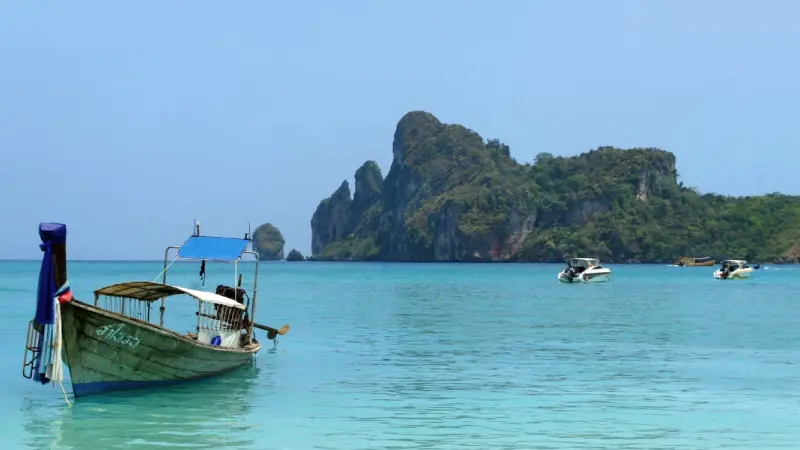
Sunscreen and insect repellent are worth packing or buying locally, given Thailand’s tropical climate and the genuine presence of mosquito-borne illness risk in certain regions, particularly around the wetter months. Lightweight, breathable clothing suits the heat and humidity for most of the year, though it is worth packing at least one modest outfit that covers shoulders and knees for temple visits, since many sites will not admit visitors dressed otherwise.
When to Visit
Thailand’s cool and dry season, running roughly from November through February, is widely considered the best time to visit for comfortable weather across most of the country, and it is also when the islands and popular sites see the heaviest crowds and highest prices as a result. The hot season from March through May brings intense heat, particularly inland and in Bangkok, and the rainy season from June through October brings regular afternoon downpours, though these are often short and dramatic rather than day-long washouts, and this shoulder season can offer noticeably better value and thinner crowds if you do not mind occasional rain.
Packing and Practical Details
A universal power adapter is worth packing since Thailand uses a mix of plug types depending on the building and its age. Some Thai SIM card providers require app store verification steps that can be awkward to complete without a working local number, so downloading key apps like Grab before you leave home, rather than trying to sort it out after landing, saves a genuinely annoying first-day hassle.
Modest clothing for temple visits, comfortable footwear given how much walking most itineraries involve, and a lightweight rain layer if you are travelling during the wetter months round out the practical packing list beyond the obvious summer clothing most visitors already plan around.
Final Thoughts
Thailand rewards a small amount of preparation more than most destinations. None of the tips above require major planning or expense, just a bit of awareness before you land, and once the basics of the visa exemption, the arrival card, cultural etiquette, and the more common scams are out of the way, the actual experience of the country tends to speak for itself. Between the temples, the food, the islands, and the genuine warmth most visitors encounter from Thai people, it remains one of the most rewarding first international trips a traveller can take, provided you land with a little bit of the groundwork already done.
Frequently Asked Questions
Do I need a visa to visit Thailand?
Citizens of over 90 countries, including the US, UK, most of the EU, Australia, and Canada, can enter visa-free for stays of up to 60 days. Longer stays require an eVisa or an in-country extension.
What is the Thailand Digital Arrival Card?
It is a mandatory online arrival form that has replaced the old paper card, and it needs to be completed shortly before you land, typically within a few days of arrival.
Is Thailand safe for solo travelers?
Yes, Thailand is generally considered one of the safer destinations in Southeast Asia for solo travelers, including women, though standard travel precautions still apply.
Can I drink the tap water in Thailand?
No, tap water is not considered safe to drink anywhere in the country. Bottled or filtered water is the standard practice for both drinking and brushing teeth.
What should I avoid doing culturally in Thailand?
Avoid disrespecting the monarchy in any form, touching anyone’s head, pointing your feet at people or Buddha images, and raising your voice in public disputes, since maintaining calm and respect matters significantly in Thai culture.
When is the best time to visit Thailand?
The cool, dry season from November through February offers the most comfortable weather, though it also brings the highest prices and biggest crowds. The rainy season from June through October offers better value with a trade-off of occasional afternoon rain.


