
Thailand Travel Guide 2026: Visa, Costs, Itinerary And Everything Else

Thailand has been the answer to “where should I go” for so many travelers for so long that it’s easy to assume the trip plans itself. It mostly does; the food is excellent nearly everywhere, the beaches genuinely live up to the photos, and the country’s tourism infrastructure is about as smooth as anywhere in Southeast Asia. But a few things have changed enough in the last year or two, a new digital entry system chief among them, that older advice floating around online is quietly out of date in ways that can actually cause problems at the airport if you don’t catch them.

This guide covers what a first Thailand trip actually needs, current entry rules, including the new arrival card system, what things cost, when to go, and a realistic route through the country’s main regions so the whole trip holds together rather than feeling like three separate vacations stitched loosely into one.
Visa Rules And The New Arrival Card, Explained Properly
Thailand’s visa policy is genuinely generous by international standards. As of 2026, citizens of more than ninety countries, including the US, UK, most of the EU, Australia, and Canada, can enter visa-free for stays of up to sixty days for tourism purposes, with no advance application, no fee, just a passport with enough validity left and proof of onward travel if asked. Travelers wanting to stay longer, or those from nationalities outside the visa-exempt list, can apply for an e-visa online through Thailand’s official channels well ahead of the trip.
Where a lot of recent confusion comes from is a separate requirement that trips up travelers who assume visa-free entry is the whole story. Since May 2025, every foreign visitor, regardless of visa status, must also complete the Thailand Digital Arrival Card, or TDAC, before entering the country. This replaced the old paper arrival form, and it’s a mandatory digital declaration covering your passport details, flight information, accommodation address, and a basic health declaration. It doesn’t replace or affect your visa status; it’s a separate box that needs ticking on top of whatever visa category applies to you.
The TDAC is completely free and takes a few minutes to complete, submitted between seventy-two and twenty-four hours before arrival through the official Thai Immigration TDAC portal. This detail matters more than it might sound like, because a wave of scam websites mimicking the official portal sprang up shortly after the system launched, charging a fee for a form that’s genuinely free on the government’s own site. Thai immigration authorities have repeatedly warned travelers about this directly, so it’s worth typing the address carefully rather than clicking a sponsored search result.
What A Thailand Trip Actually Costs In 2026
Thailand’s reputation for being affordable still holds up well, though costs vary more than people expect depending on which regions you’re covering and how you’re traveling between them.
Where You’ll Sleep
Budget guesthouses and hostels in Bangkok and Chiang Mai typically run fifteen to twenty-five dollars a night for a private room, while a well-reviewed three-star hotel runs thirty-five to sixty dollars. Island destinations like Phuket and Koh Samui generally sit higher, particularly close to the beach, though budget options exist a short walk or songthaew ride inland. Krabi and the smaller islands tend to fall somewhere in between, cheaper than Phuket’s main tourist strips but pricier than a typical Bangkok neighborhood.
What You’ll Spend On Food
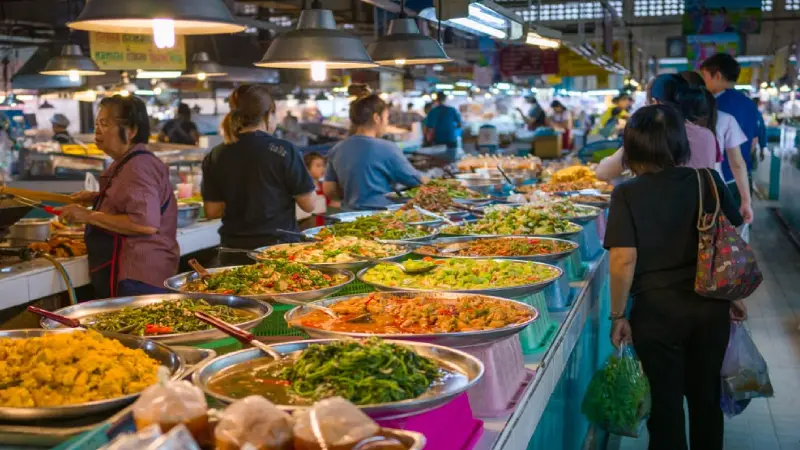
This is where Thailand’s affordability really shows. Street food and local restaurants serve full, genuinely good meals for two to five dollars, and even sit-down restaurants aimed at tourists rarely run past ten to fifteen dollars per person outside the most upscale spots. Rooftop bars and international cuisine in Bangkok’s more polished districts can run considerably higher, but sticking mostly to local food, which is honestly the better call anyway, keeps daily food costs remarkably low for the entire trip.
Getting Around
Bangkok’s BTS Skytrain and MRT subway are cheap, clean, and cover most of the areas visitors actually want to reach, generally under a dollar per ride. Grab, the region’s dominant ride-hailing app, works well throughout the country and takes the guesswork and haggling out of shorter trips. Between regions, budget domestic flights connect Bangkok with Phuket, Chiang Mai, and Krabi for thirty to seventy dollars each way if booked a few weeks ahead, while overnight trains and buses offer a considerably cheaper, slower alternative for travelers with more time than budget.
Activities And Extras
Temple entry fees typically run a few dollars each, and many of Bangkok’s most photographed temples charge less than five dollars for foreign visitors. Island hopping tours around Krabi or Phuket run twenty-five to fifty dollars per person for a full day, including lunch and a Thai cooking class, genuinely one of the better value experiences in the country, and typically run twenty to thirty-five dollars for a half-day session that includes a market visit.
Putting Together A Daily Budget
A traveler staying in budget to mid-range accommodation, eating mostly local food, and adding a couple of paid activities can comfortably manage the trip on roughly forty to seventy dollars a day. Travelers prioritizing beach resorts, private tours, and higher-end dining should budget considerably more, often one hundred fifty dollars a day or beyond depending on how resort-focused the trip becomes.
Best Time To Visit
Thailand’s climate splits into three broad seasons rather than the four most travelers are used to thinking in. November through February is generally considered the best window, with cooler, drier weather across most of the country, making it the peak season for both crowds and prices as a result. March through May brings genuinely intense heat, particularly inland in Bangkok and Chiang Mai, with April specifically hosting Songkran, the Thai New Year water festival, a genuinely fun and chaotic experience if you don’t mind getting soaked repeatedly for several days straight.
June through October is the rainy season across most of the country, though this doesn’t mean constant downpours; there are more short, heavy afternoon showers followed by clear skies, and it comes with noticeably lower prices and thinner crowds as a trade-off. The Gulf coast, including Koh Samui, actually runs on a slightly different rainy pattern than the Andaman coast around Phuket and Krabi, so regional timing is worth checking specifically if a beach trip is the priority.
A Realistic First Time Thailand Itinerary
Bangkok: Three to Four Days
Start in Bangkok, since nearly every international flight route goes through it anyway. The Grand Palace and Wat Pho cover the essential temple sightseeing, and a longtail boat ride along the Chao Phraya River gives a completely different perspective on the city than walking its streets does. Chinatown’s food scene deserves a full evening on its own, and Chatuchak Weekend Market, if your dates line up with a weekend, is worth the crowds for the sheer scale of it.
Chiang Mai: Three Days
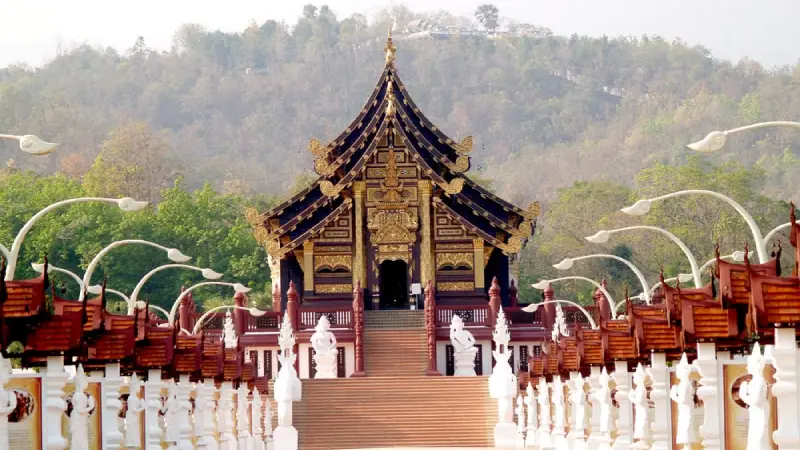
Head north to Chiang Mai for a different pace and a genuinely different Thailand than Bangkok’s energy. The Old City’s temples move at a slower rhythm, the surrounding mountains offer day trips to ethical elephant sanctuaries, and the Sunday Walking Street market is one of the better shopping experiences in the entire country.
Krabi or Phuket: Four to Five Days
Close out the trip with a beach stretch, either Krabi’s Railay Beach, reachable only by boat and backed by dramatic limestone cliffs, or Phuket, which offers more infrastructure and nightlife alongside its beaches. Island hopping tours from either base cover Phi Phi Islands, and both regions offer genuinely excellent snorkeling and diving if that’s part of the appeal.
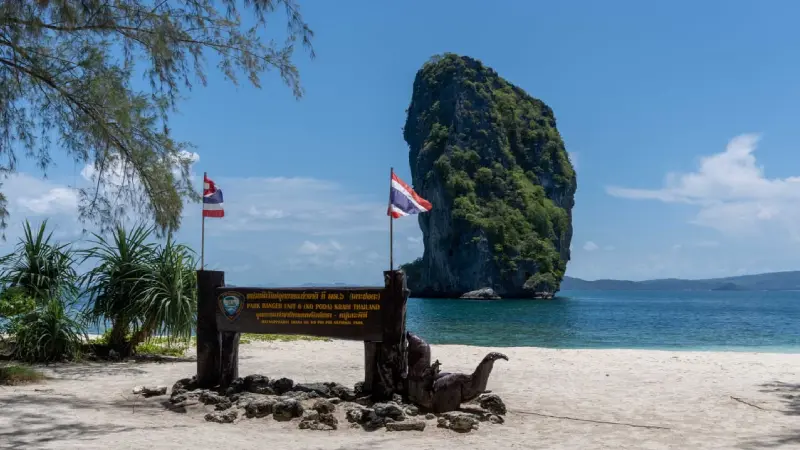
This ten- to twelve-day structure covers Thailand’s three core regions without cramming, and it can compress to a week by dropping Chiang Mai or extend by adding islands further south like Koh Lanta for a quieter finish.
Cultural Things Worth Knowing Before You Go
Thailand’s relationship with the monarchy carries real legal weight, and lèse-majesté laws mean disrespecting the royal family, even in casual conversation, is taken seriously by authorities. Temple etiquette matters too, covering shoulders and knees, removing shoes before entering interior spaces, and staying quiet and respectful around monks and worshippers. The head is considered the most sacred part of the body in Thai culture and the feet the least, so touching someone’s head, even a child’s, or pointing your feet at a person or a Buddha image are both genuine faux pas worth avoiding.
Tap water isn’t safe to drink directly, so bottled or filtered water is the default throughout the country, and it’s cheap and available everywhere. Bargaining is expected at markets and with tuk-tuks, though fixed-price stores and restaurants don’t involve haggling at all, and a friendly, relaxed approach to negotiating tends to go further than an aggressive one.
Why Travel Insurance Matters For A Thailand Trip
Thailand’s healthcare in major cities is genuinely good; private hospitals in Bangkok and Phuket in particular are used to treating international visitors, but that quality comes with a real price tag for anyone without coverage. Between motorbike-related injuries, a genuinely common cause of travel insurance claims in Thailand specifically, food-related stomach issues, and the general unpredictability of a multi-region trip involving domestic flights and island transfers, the risk profile here is higher than a lot of destinations.
A basic travel insurance policy covering medical costs, trip cancellation, and interruption is worth arranging before you fly, and it’s particularly worth checking that any policy you’re comparing actually covers motorbike use if renting one is part of your plan, since a surprising number of standard policies exclude this specific activity unless it’s added separately.
For broader, up-to-date information directly from Thailand’s own tourism authority, including current festival dates and regional travel advisories, Tourism Authority of Thailand’s official site is worth bookmarking before and during the trip, since it’s maintained by the country’s government tourism body rather than a third-party aggregator.
Packing And Staying Connected
Lightweight, breathable clothing works for almost the entire trip given Thailand’s consistently warm climate, though it’s worth packing something that covers shoulders and knees for temple visits, since several major sites enforce this strictly and rent out cover-ups at the entrance if you arrive without one. A light rain jacket earns its space in the bag if you’re traveling during the rainy season months, since afternoon showers tend to arrive quickly and clear just as fast.
A local SIM card or eSIM is worth arranging on arrival or before you fly, since data is cheap and widely available, and having reliable connectivity makes everything from booking a Grab ride to translating a menu considerably easier throughout the trip. Airport kiosks in Bangkok, Phuket, and Chiang Mai all sell tourist SIM packages at reasonable prices, and an eSIM activated before departure saves the airport queue entirely if your phone supports it.
Final Thoughts
Thailand rewards a bit of upfront homework more than its reputation as an easy, well-trodden destination might suggest, mostly because the entry process has genuinely changed in ways that catch travelers relying on older advice off guard. Get the visa category and the digital arrival card sorted properly, budget realistically for the regions you’re actually covering, and build an itinerary that gives Bangkok, the north, and the coast each their own fair share of time rather than rushing through all three. Do that, and the rest of what makes Thailand worth the trip in the first place, the food, the temples, the beaches, and the sheer ease of getting around once you’re there, tends to take care of itself.
Frequently Asked Questions
Do I need a visa to visit Thailand?
Citizens of more than ninety countries, including the US, UK, EU nations, Australia, and Canada, can enter visa-free for up to sixty days for tourism. Other nationalities should apply for an e-visa in advance.
What is the Thailand Digital Arrival Card, and do I need it?
Yes, every foreign visitor needs it regardless of visa status. It’s a free, mandatory online declaration completed between seventy-two and twenty-four hours before arrival through the official Thai Immigration portal, separate from your visa.
How many days do I need for a first trip to Thailand?
Ten to twelve days covers Bangkok, Chiang Mai and a beach destination like Krabi or Phuket comfortably. A week works if you focus on just two of those three regions.
What is the best time of year to visit Thailand?
November through February offers the most comfortable weather and is considered peak season, while June through October, the rainy season, brings lower prices and thinner crowds with generally short afternoon showers rather than constant rain.
Is Thailand expensive to visit?
It remains genuinely affordable, particularly for food and local transport, though island resorts and higher-end dining can push costs up considerably if that’s the focus of the trip.
Is travel insurance necessary for Thailand?
It isn’t a formal entry requirement, but it’s strongly recommended given the cost of private healthcare for visitors without coverage, and it’s worth confirming any policy covers motorbike use if that’s part of your plans.



[…] guide covers what actually matters for a first visit to Thailand in 2026: entry requirements, money, getting around, cultural etiquette, safety, and the small […]
[…] Mai adds a completely different dimension to a Thailand family trip, and most specialists recommend building at least three or four days around it if the itinerary […]