
Family Trip To Australia: The Complete 2026 Planning Guide

Australia asks for more of a family trip than most destinations, mostly because of sheer distance. It’s not a quick long weekend for anyone flying in from the UK, North America, or Europe, and that changes the whole calculus of how you plan it. You’re not popping over for four days. You’re committing to a proper trip, which means the itinerary needs to earn that commitment rather than just ticking a few obvious boxes.
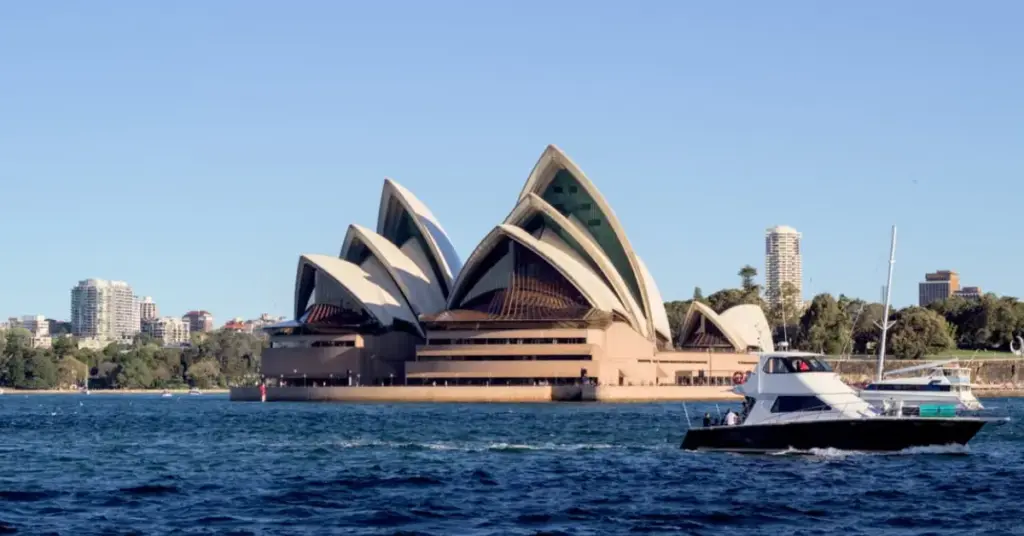
The good news is that Australia genuinely delivers on that commitment better than almost anywhere else for families. Wildlife you can’t see anywhere else on the planet, a coastline built for exactly the kind of unstructured beach days kids remember for years, and a level of safety and English-speaking ease that takes a lot of the usual overseas travel anxiety off the table. This guide walks through where to actually go, what it costs, when to fly, and the details that make the difference between a trip that exhausts everyone and one the kids talk about for years afterward.
Sydney: The Easiest Place To Start
Most international family trips to Australia begin in Sydney, and there’s a good practical reason for that beyond it just being the most famous city. The harbour itself does a lot of the entertaining without requiring much planning; a ferry ride to Manly doubles as a scenic tour and a beach day in one trip, and Bondi to Coogee’s coastal walk gives older kids a proper adventure while still staying completely manageable for a family pace.
Taronga Zoo, perched on the harbor with the city skyline as a backdrop, is worth a full day on its own, and it’s genuinely one of the better-designed zoos for younger kids anywhere in the world. Luna Park, an old-fashioned harborside amusement park, works well for an easy half day when everyone needs a break from sightseeing that involves walking. For families with a bit more time, the Blue Mountains sit close enough for a day trip, and the Three Sisters rock formation combined with a scenic cable car ride gives kids a genuine sense of adventure without demanding a serious hike.
The Gold Coast: Built Almost Entirely For Kids
If Sydney is where you start, the Gold Coast is often where families land next, and it’s hard to overstate how deliberately this stretch of Queensland coastline has been built around exactly this kind of trip. Dreamworld, Warner Bros. Movie World, and SeaWorld, between them, cover pretty much every theme park interest a kid might have, and unlike some destinations where theme parks feel like a separate add-on to the actual trip, here they’re genuinely part of the region’s core identity.

Beyond the parks, the Gold Coast’s beaches are genuinely excellent for families specifically, wide, patrolled, and gently sloping in a way that suits nervous young swimmers far better than some of the more dramatic surf beaches further along the coast. Currumbin Wildlife Sanctuary adds a lower-key, more nature-focused day if the theme parks start to feel like too much, with hand-feeding lorikeets a genuine highlight for younger kids.
The Great Barrier Reef: Worth Building The Whole Trip Around
For a lot of families, the reef is the actual reason Australia made the shortlist in the first place, and it genuinely lives up to that billing. Cairns and Port Douglas both work as bases, with day boats heading out to different sections of the reef depending on conditions and which operator you book. Snorkeling is accessible even for reasonably young kids with a life jacket and a bit of guidance, and several operators run dedicated family boats with smaller groups and staff specifically experienced with children in the water.
For families not confident about snorkeling with younger kids, glass-bottom boats and semi-submersible tours offer a genuinely good alternative that still delivers the wow factor of seeing the reef up close without anyone needing to get in the water at all. The Daintree Rainforest sits close enough to Cairns to combine with a reef day trip or its own separate day, and spotting a cassowary or a tree kangaroo on a guided walk here tends to rival the reef itself for what kids remember most vividly.
Given how much the reef’s condition varies by season and specific location, checking current conditions before you commit to a particular operator is genuinely worth doing. The Reef Authority’s own guidance covers current reef health and what to expect, and it’s a useful resource before locking in which stretch of the reef to visit.
Melbourne And The Great Ocean Road
Melbourne offers a genuinely different pace from Sydney, more laneways and coffee culture than harbour views, but it still holds plenty for families, particularly the Melbourne Museum and its dedicated children’s gallery, along with the free trams that make getting around the city centre refreshingly simple with kids in tow.
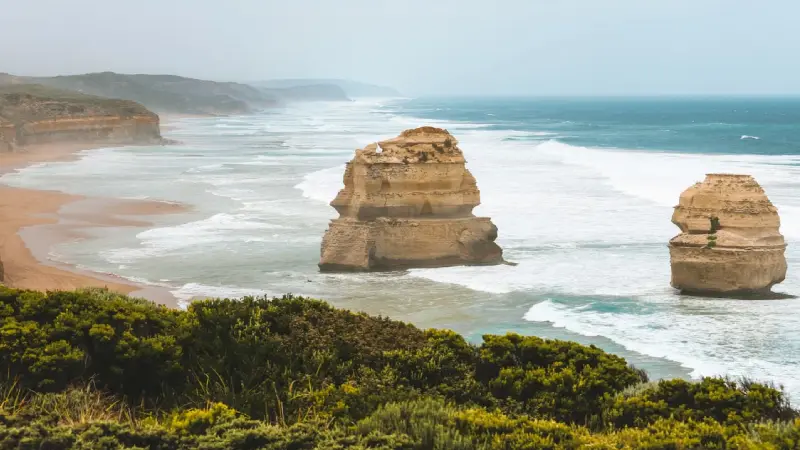
The real draw for families based in Melbourne, though, is the Great Ocean Road, one of the most scenic coastal drives anywhere in the world and genuinely doable as a multi-day family road trip rather than a rushed single day out. The Twelve Apostles rock formations are the obvious headline stop, but Lorne and Apollo Bay both work well as overnight bases with beaches calm enough for younger kids, and a stop at the Kennett River koala colony along the way tends to produce the trip’s most photographed moment without any planning required at all.
Kangaroo Island And Wildlife Encounters
If seeing genuinely wild Australian animals up close is a priority rather than a nice-to-have, Kangaroo Island off the coast of South Australia deserves serious consideration. Wild kangaroos, koalas dozing in eucalyptus trees, and sea lion colonies at Seal Bay that you can walk among with a guide all sit within a single, fairly compact island that works well as a three or four day add-on to an Adelaide-based leg of a trip.
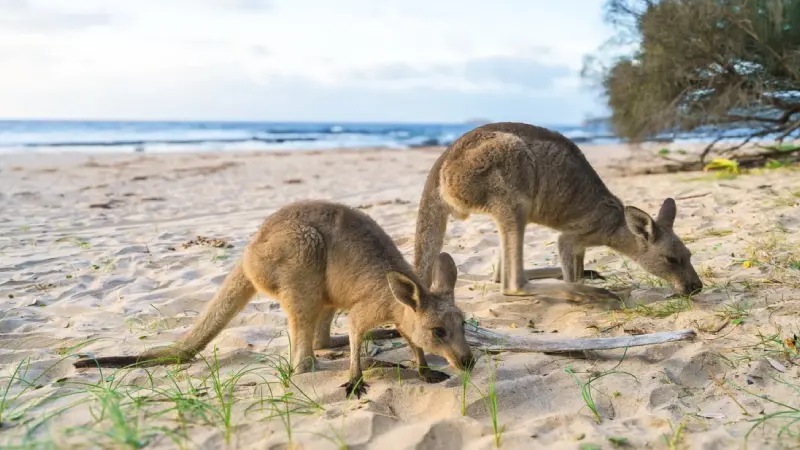
It’s a genuinely different kind of wildlife experience from a zoo, since nothing here is performing on cue, which means managing expectations with younger kids matters, but the payoff when a wild kangaroo does wander into view tends to be worth the patience.
The Red Centre: Uluru For Older Kids
Uluru and the wider Red Centre work best for families with kids old enough to appreciate history, culture, and genuinely dramatic desert landscapes rather than needing constant activity to stay engaged; roughly ages eight and up tends to be the sweet spot. The rock itself is genuinely humbling in person in a way photos don’t quite capture, and guided walks led by Aboriginal rangers give kids context and storytelling that turns what could be just a photo stop into something considerably more memorable.
Sunrise and sunset viewings, when the rock shifts through a dramatic range of colors, are worth building the schedule around specifically, and the surrounding Kata Tjuta rock formations add a second, quieter stop nearby that’s often overlooked in favor of Uluru itself.
What A Family Trip To Australia Actually Costs
Costs vary enormously depending on how many regions you cover and what tier of accommodation you choose, but a realistic sense of the numbers helps with planning. A family of four should budget somewhere between two hundred and three hundred fifty dollars a day for accommodation in a mid-range hotel or family apartment, more in Sydney specifically, somewhat less in regional areas like Cairns or the Gold Coast outside peak season.
Food costs run reasonably close to what a family would spend in the UK or US, with a casual family meal running forty to sixty dollars for four people, and self-catering, where possible, particularly for breakfast, cuts costs meaningfully over a longer trip. Major activities add up quickly given how many regions this itinerary covers; reef tours typically run one hundred fifty to two hundred fifty dollars per adult with lower rates for kids, theme park tickets on the Gold Coast run similarly, and car hire for road trip sections of the trip adds another seventy to one hundred dollars a day depending on vehicle size.
Domestic flights between regions, Sydney to Cairns or Melbourne to Adelaide, for instance, typically run one hundred fifty to three hundred dollars per person depending on how far ahead you book, and given how spread out this itinerary is, budgeting for at least two or three of these internal flights is realistic for a trip covering more than one region.
When To Actually Go
Australia’s seasons run opposite to the northern hemisphere, which catches some first-time visitors off guard when planning around school holidays. December through February is Australian summer, hot and lively everywhere, but genuinely intense in the tropical north around Cairns, where it also overlaps with the wet season and a higher risk of marine stingers affecting reef swimming.
March through May and September through November, Australia’s autumn and spring, tend to offer the most comfortable weather across the widest range of regions simultaneously, mild enough in the south for comfortable sightseeing and dry enough in the tropical north for reliable reef conditions. June through August, Australian winter, works well specifically for the Red Centre and northern tropical regions, where temperatures stay comfortable, while southern cities like Melbourne turn genuinely cold.
For families tied to northern hemisphere school holidays specifically, the July and August window lines up well with Australia’s own mild winter in the north, making it a reasonable compromise even though it’s the off-season for beach-focused parts of the trip further south.
Building A Realistic Itinerary
Trying to cover Sydney, the reef, Melbourne, and the Red Centre in a single two-week trip is the single most common planning mistake families make here, and it usually backfires. The distances between these regions are considerably larger than they look on a map of a country this size, and cramming too many of them into one trip means more time in transit than actually enjoying any single place.
A two-week trip realistically supports two, maybe three, regions done properly rather than four done in a rush. Sydney paired with the Gold Coast and a few days on the reef makes a strong, logistically manageable combination for a first trip, while Melbourne and the Great Ocean Road pair naturally together for families more interested in scenery and wildlife than theme parks. Save the Red Centre for either a dedicated trip on its own or a longer three-week itinerary where the extra internal flight and time commitment don’t feel like they’re crowding out everything else.
For a broader sense of how Australia’s overall trip planning basics work, from visa requirements to general timing, Tourism Australia’s official family travel guide is worth a look before finalizing your route, since it’s updated directly by the country’s own tourism board rather than a third-party aggregator.
Practical Things Worth Knowing
Sun protection matters more here than in almost any other family destination, given how strong the Australian sun genuinely is even on a mild-looking day. Broad-spectrum sunscreen, hats, and rash guards for beach and reef days aren’t optional extras; they’re genuinely necessary given how quickly sunburn happens even for kids used to sunny climates elsewhere.
Car seat laws are strictly enforced and specific to child age and size, so it’s worth checking current requirements before hiring a car with young kids rather than assuming your home country’s rules translate directly. Tap water is safe to drink virtually everywhere, which removes one common travel worry entirely, and English being the primary language throughout removes another layer of complexity that a lot of long-haul family trips carry.
Why Travel Insurance Matters More On A Trip Like This
Given how spread out this itinerary tends to be multiple domestic flights, several different accommodation bookings, prepaid reef tours and theme park tickets the financial exposure from a single disruption is genuinely higher than on a simpler, single-destination trip. A missed connection between Sydney and Cairns can cascade into a lost reef tour booking and a wasted hotel night in a way that a straightforward city break simply doesn’t risk.
A travel insurance policy covering trip cancellation, interruption, and medical costs is worth arranging before you fly, particularly given how long-haul this trip is for most international families and how expensive private medical care can be if something goes wrong far from home. Comparing a few policy options against the specific value of your prepaid bookings, flights, tours, and accommodation combined gives a much clearer sense of what level of cover actually makes sense for a trip this involved.
Final Thoughts
A family trip to Australia rewards patience more than almost anywhere else on a typical family bucket list: patience with the distance getting there, patience with how spread out the country actually is once you land, and patience in resisting the urge to cram every famous name into a single itinerary. Pick two or three regions that genuinely fit what your kids will enjoy, build in slower days between the big-ticket experiences, and the trip tends to deliver exactly the kind of memories that made the long flight worth it in the first place.
Frequently Asked Questions
How many days do you need for a family trip to Australia?
Two weeks realistically supports two or three regions done properly. A single region like Sydney and the Gold Coast can work well in seven to ten days, while covering the reef, a city, and the Red Centre comfortably needs closer to three weeks.
What is the best region of Australia for young kids?
The Gold Coast and Sydney both work well for younger children, offering calm, patrolled beaches, manageable distances, and activities specifically built with families in mind, without requiring the longer attention spans that places like Uluru tend to reward more in older kids.
Is the Great Barrier Reef safe for kids to snorkel?
Yes, with proper supervision, a life jacket, and a family-focused tour operator. Many operators run dedicated smaller boats specifically for families, and glass-bottom or semi-submersible options exist for kids not ready to snorkel.
What is the best time of year for a family trip to Australia?
March through May and September through November generally offer the most comfortable weather across the widest range of regions, avoiding both the intense summer heat and the wet season in the tropical north.
Do I need a visa to visit Australia with my family?
Most visitors need either an eVisitor visa or an Electronic Travel Authority, depending on passport, both processed online before travel. Requirements vary by nationality, so it’s worth confirming your specific category well before booking flights.
Is travel insurance necessary for a family trip to Australia?
It isn’t legally required, but it’s strongly recommended given how many prepaid bookings, flights, tours, accommodation, a typical Australia itinerary involves and how costly medical care can be for visitors without coverage.



[…] As of 2026, citizens of more than ninety countries, including the US, UK, most of the EU, Australia, and Canada, can enter visa-free for stays of up to sixty days for tourism purposes, with no advance […]
[…] Sydney sits around 18°C in September, swimmable for the genuinely hardy but still a touch cool for most visitors expecting a proper beach day. Spring blossoms start appearing around the city through the month, […]
[…] Backpacking Australia doesn’t demand the same ultralight approach some other backpacking routes do, since laundry facilities are widely available at most hostels and towns along the East Coast, but a few specifics are worth prioritizing regardless. A good quality sleeping sheet or liner is worth carrying for hostel stays, both for hygiene and because some hostels charge extra for linen if you don’t bring your own. A dry bag earns its keep on any leg of the trip involving boats, particularly Whitsundays sailing trips or reef excursions, and a portable phone charger matters more here than in a lot of destinations given how much time gets spent on long bus or driving legs between stops. […]