
Thailand Family Trip: The Complete 2026 Planning Guide

Thailand comes up constantly when parents start asking each other where to take kids on a proper long-haul trip, and once you actually plan one, it’s easy to see why. Travel consultants who specialize in family trips report Thailand as one of the destinations they get asked about most, and the reasons stay consistent trip after trip: hotels that are genuinely built around children, gentle beaches that suit toddlers as easily as teenagers, and a level of logistical ease that a lot of long-haul destinations simply can’t match.

This guide pulls together what actually works when planning a Thailand trip with kids, region by region, based on what experienced family travelers and specialists are recommending right now, along with the practical costs, timing, and logistics that make the difference between a smooth trip and a stressful one.
Why Thailand Keeps Winning As A Family Destination
Part of Thailand’s appeal comes down to how little compromise it demands between what parents want and what kids want. Warm, genuinely child-friendly hospitality shows up everywhere, from high chairs appearing without being asked to hotel staff who go out of their way to entertain a fussy toddler. The beaches themselves do a lot of the work too; calm, shallow water at most family-focused spots on the Andaman coast suits nervous young swimmers far better than more dramatic surf beaches elsewhere in the region.
Domestic transport is another quiet advantage. Direct flights connect Bangkok with Phuket, Chiang Mai, and most major islands in under two hours, and they’re genuinely affordable even when booked a few weeks ahead. Several family travel specialists who’ve spent years living in and touring Thailand specifically advise against long train or bus journeys with kids in favor of these short flights or private cars with a driver, since the time saved and comfort gained matters more with children in tow than it would traveling solo.
Matching The Region To Your Kids’ Ages
Different parts of Thailand genuinely suit different ages, and getting this match right matters more than picking the most photogenic spot on Instagram. Younger children, roughly toddlers through early primary school age, tend to do best with simple beach time, calm water, and short transfers rather than a packed itinerary. Phuket, Krabi, and Khao Lak all fit this brief well, offering a comfortable mix of beaches, family resorts, and manageable logistics that don’t demand much resilience from a tired four-year-old.

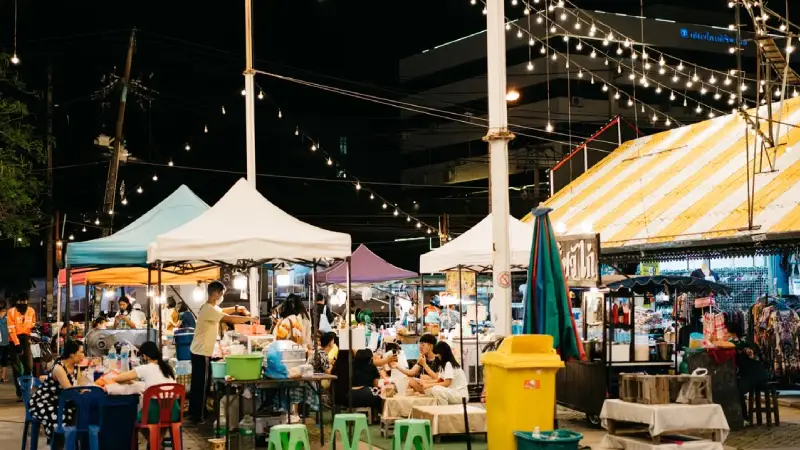
Older children and teenagers open up considerably more of the country. Island hopping, snorkeling trips, temple visits, night markets, and more involved activities like a Muay Thai class or an introductory scuba course, generally available from around age ten, all become realistic options once kids can handle longer days and a bit more independence. Koh Samui, Koh Phangan, and Koh Tao work particularly well for families with older kids traveling during the summer months, when the Andaman coast’s weather is less favorable.
Bangkok: Worth More Than A Layover
A lot of family itineraries treat Bangkok as just the airport you land at before heading to the beach, and that undersells what the city actually offers kids. The golden spires of Wat Phra Kaew genuinely capture children’s attention in a way that surprises parents expecting boredom, and a boat trip along the Chao Phraya River turns a simple sightseeing stop into something that feels like an actual adventure. Riverside hotels tend to work well for families specifically, offering a quieter base than the busier commercial districts, though it’s worth knowing this adds a bit of extra travel time if shopping or dining in areas like Sukhumvit is part of the plan.
For families who want to stay closer to malls and modern restaurants instead, Sukhumvit itself makes a practical alternative base, trading some of the riverside calm for considerably more convenience.
Chiang Mai: Culture, Cooler Mornings, and Elephants
Chiang Mai adds a completely different dimension to a Thailand family trip, and most specialists recommend building at least three or four days around it if the itinerary allows. The Old City is genuinely walkable and full of character, though it’s worth knowing that many of its boutique hotels run small and basic, better suited to couples than families needing more space. Riverside properties or hotels just outside the old city center tend to serve families better on this front.
Ethical elephant sanctuaries are the clear highlight for most families visiting Chiang Mai, and it’s worth specifically seeking out operations focused on observation, feeding, and bathing rather than riding, since the better-regarded sanctuaries have moved away from riding entirely in favor of genuine conservation-focused encounters. Erawan waterfalls and jungle side trips add a nature-focused day if you want a break from wildlife and culture, and Thai cooking classes designed for families give kids a genuinely hands-on activity that works well even for reluctant eaters back home.
Getting The Beaches Right
Not every stretch of Thai coastline suits families equally, and it’s worth being specific about this rather than assuming any beach town works. Phang Nga Bay’s dramatic limestone cliffs create what genuinely feels like a natural playground for kids on a longtail boat tour, and the clear waters around Phuket and Krabi make boat trips to see marine life a reliable highlight regardless of age.
One detail that catches families out repeatedly, according to specialists who’ve actually toured extensively through the region, is that not every hotel advertised as beachfront is genuinely convenient with kids. Some involve a set of stairs down to the sand, others require crossing a road, and a few sit on stretches with rougher waves than photos suggest. Checking recent reviews specifically for family convenience, rather than trusting a beachfront label alone, avoids a genuinely common disappointment.
What a Thailand Family Trip Actually Costs
Costs vary by region and hotel tier, but Thailand’s overall affordability holds up well even once you factor in family-sized accommodation. Family rooms or villas at a mid-range resort typically run eighty to one hundred fifty dollars a night, considerably more at higher-end properties with dedicated kids’ clubs and water slide-equipped pools, a genuine highlight for younger children, according to several family-focused resort reviews.
Food remains one of Thailand’s strongest value points regardless of who you’re traveling with. Local restaurants and street food stalls serve full meals for two to five dollars, and even hotel restaurants aimed at tourists rarely run past ten to fifteen dollars per person. Domestic flights between regions typically cost thirty to seventy dollars per person if booked a few weeks ahead, and private cars with an experienced driver for city to city legs, the option most family specialists recommend over trains or buses, generally run considerably more but save enough time and hassle with young kids to justify the cost for most families.
Major activities add up across a longer itinerary; elephant sanctuary visits typically run twenty-five to fifty dollars per person, island hopping boat tours run similarly, and a private car and driver for a full day typically run sixty to one hundred dollars depending on distance covered.
When To Go, By Region
Thailand’s dry season, running roughly November through early April, is consistently recommended as the best overall window for a family trip, particularly for the western Andaman coast covering Phuket and Krabi, which sees its most reliable weather during this exact stretch. Predictable conditions matter more with kids than with solo or adult-only travel, since a rained-out beach day is a bigger disappointment for a six-year-old than for an adult who can shift plans easily.
Families traveling during the summer months, when the Andaman coast’s weather turns less reliable, are better served looking toward the Gulf coast instead. Koh Samui, Koh Phangan, and Koh Tao all sit on a different weather pattern and handle the middle months of the year considerably better than Phuket or Krabi do.
Safety, Health And Practical Logistics
Thailand ranks as genuinely safe for family travel, but a few practical concerns are worth planning around rather than ignoring. Heat management matters more with kids than adults tend to appreciate; scheduling outdoor activities for morning or late afternoon and building in pool or air-conditioned breaks during the hottest midday stretch keeps everyone considerably more comfortable. Mosquito protection is worth taking seriously too, particularly for jungle and waterfall-focused days inland, and traffic, especially in Bangkok, warrants the same caution with kids that it would at home, if not more.
Family-sized rooms and connecting rooms sell out well ahead of school holiday periods specifically, and multiple family travel specialists flag this as one of the most common planning mistakes, assuming availability will be there closer to the trip rather than booking these room types months in advance.
It’s also worth building slightly more downtime into a Thailand itinerary with kids than you might for an adult-only trip. Jet lag, heat, and a genuinely packed sightseeing schedule all compound faster with children than most parents expect on the first couple of days, and a slower start, a pool afternoon here, and a shorter sightseeing morning there tend to pay off across the rest of the trip rather than costing you anything meaningful in the end.
For current entry requirements and any recent updates to Thailand’s travel rules, Tourism Authority of Thailand’s official site is worth checking before finalizing flights, since family travel often involves slightly different documentation for children traveling with one parent or grandparents, worth confirming well ahead of departure.
Why Travel Insurance Matters Even More With Kids
A family itinerary typically involves more prepaid components than a solo trip, multiple flights, family-sized accommodation booked well ahead, and elephant sanctuary and boat tour bookings, which means more financial exposure if any single piece of the trip needs to change. Kids also get sick at inconvenient moments more often than adults do, and Thailand’s private hospitals, while genuinely good, come with real costs attached for visitors without coverage.
A travel insurance policy covering medical costs, trip cancellation, and interruption is worth arranging specifically with your family’s makeup in mind, checking that child-specific medical coverage is included and adequate rather than assuming a standard adult policy automatically extends the same protection to younger travelers.
Packing And Practical Extras For Traveling With Kids
Lightweight, breathable clothing works for nearly the entire trip given Thailand’s consistently warm climate, though a light cover-up is worth packing for temple visits, since shoulders and knees need covering at most major sites, including kids past a certain age depending on the specific temple’s rules. Reef-safe sunscreen matters more here than people expect, both for protecting young skin through long beach days and for reducing impact on the marine environments families come specifically to see on boat trips and snorkeling excursions.
A portable fan or cooling towel earns its space in a day bag for outdoor activities during the hottest stretch of the afternoon, and packing simple rehydration supplies is worth considering given how quickly kids can overheat in Thailand’s climate compared to cooler climates back home. Insect repellent suited for children’s skin is worth bringing from home rather than assuming it’ll be easy to find a suitable version locally, particularly for jungle, waterfall, or evening market outings where mosquitoes tend to be more active.
Final Thoughts
A Thailand family trip rewards a bit of upfront matching between region and age group more than almost any other planning decision you’ll make. Young kids do best with the calm beaches and short transfers of Phuket, Krabi or Khao Lak, older kids open up island hopping and more involved activities further afield, and Chiang Mai adds a cultural and wildlife dimension worth building into almost any itinerary regardless of age. Get that structure right, book family rooms early, and lean on domestic flights and private cars rather than longer overland journeys, and Thailand delivers exactly the kind of trip that keeps parents coming back and specialists fielding the same enthusiastic requests year after year, long after the photos have been shared and the souvenirs unpacked back home
Frequently Asked Questions
Is Thailand a good destination for a first long-haul family trip?
Yes, it’s consistently recommended by family travel specialists specifically for first-time long-haul travelers, thanks to its combination of child-friendly hospitality, manageable logistics, and beaches suited to a wide range of ages.
What is the best region of Thailand for young children?
Phuket, Krabi, and Khao Lak all work well for toddlers and younger kids, offering calm beaches, family resorts, and short transfers that don’t demand much resilience from tired little travelers.
Should I take trains or buses in Thailand with kids?
Most family travel specialists recommend against it for longer journeys, favoring short domestic flights or private cars with a driver instead, since these save considerable time and reduce discomfort compared to trains or buses.
When is the best time to visit Thailand with a family?
November through early April, Thailand’s dry season, is the most reliable window, particularly for the Andaman coast. Summer travelers are better served by the Gulf Coast islands like Koh Samui instead.
Are elephant sanctuaries in Thailand safe and ethical for kids to visit?
Many are, particularly those focused on observation, feeding, and bathing rather than riding. It’s worth researching a specific sanctuary’s practices before booking to confirm it prioritizes genuine animal welfare.
How far in advance should I book family accommodation in Thailand?
Months ahead if traveling during school holiday periods specifically, since family-sized and connecting rooms are limited and sell out well before standard rooms do.


