
The Prettiest Cities in the US: 12 Places That Actually Earn the Title

Every “prettiest cities” list ends up being a little bit of an argument, because beauty in a city means different things depending on what you’re actually looking for. Some people want cobblestone streets and buildings older than the country itself. Others want mountains showing up at the end of every downtown street, or water on three sides, or the kind of architecture that makes you stop walking mid-sentence.
This list tries to cover all of that ground rather than picking one narrow definition and sticking to it, because honestly, the US doesn’t have one type of beautiful city; it has a dozen completely different ones, and that’s kind of the fun of it. These twelve made the cut for reasons that are pretty specific to each place, not because they show up on every generic ranking. Some are famous for it. A couple probably deserve to be more famous than they are.
1. Charleston, South Carolina
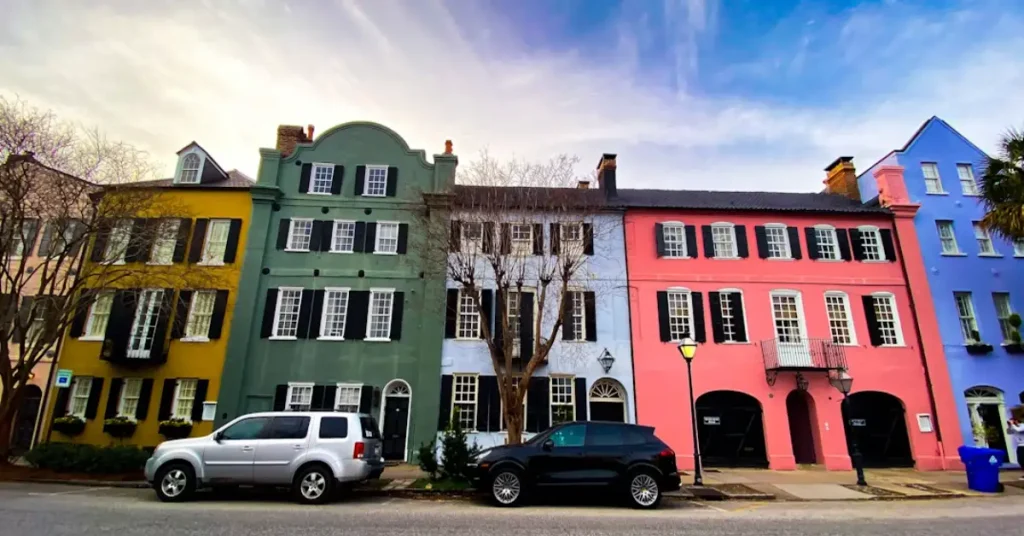
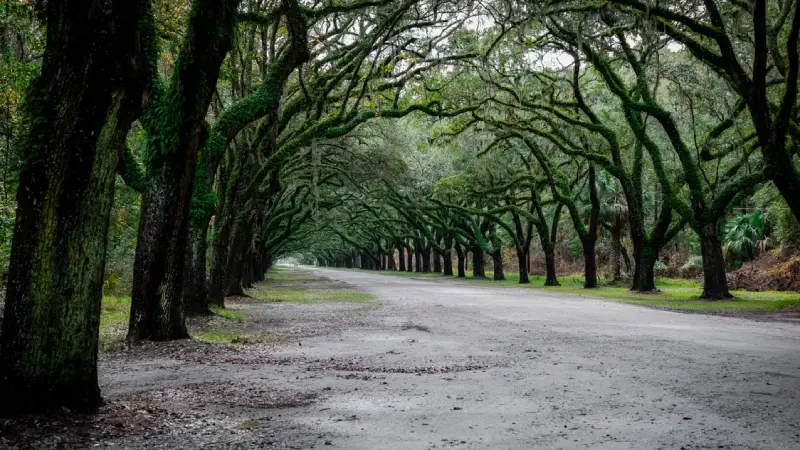
Charleston plays this game better than almost anywhere else in the country, and it’s not an accident. The historic district was laid out with intention centuries ago, and the city has protected it fiercely ever since, which is why walking down a street like Meeting Street still feels closer to 1820 than 2026. Rainbow Row’s pastel houses get most of the photo credit, but the real charm is in the details, the wrought iron gates, the hidden courtyards, and the live oaks dripping Spanish moss over quiet side streets that most visitors never bother finding.
The harbor adds another layer entirely, with boats drifting past Fort Sumter, the Ravenel Bridge lit up at night, and a waterfront that somehow manages to feel both grand and unhurried at the same time.
2. San Francisco, California
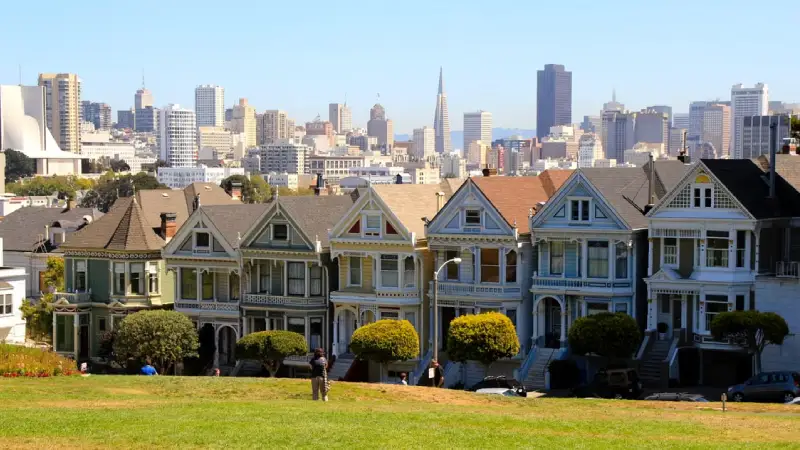
San Francisco earns its spot through sheer variety packed into a small footprint. Steep hills, colorful Victorian houses stacked one against another, fog rolling through the Golden Gate Bridge like it’s on a schedule, and neighborhoods that shift character completely within a few blocks. One minute you’re in the murals of the Mission, the next you’re watching sea lions bark at Pier 39, and somehow none of it feels disconnected from the rest.
Tourism numbers back up what most visitors already sense: standing there, San Francisco is expecting somewhere around 24 million visitors and close to 9.8 billion dollars in travel spending in 2026, and a city doesn’t pull that kind of return trip rate without genuinely earning it.
3. Savannah, Georgia
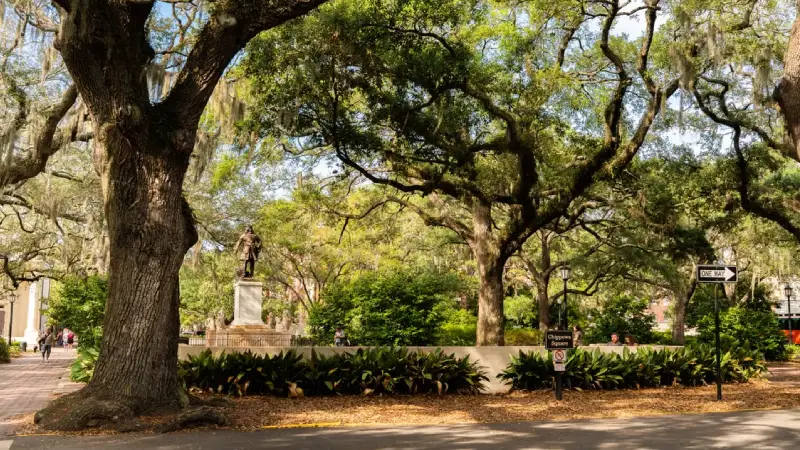
Savannah was designed to be beautiful from day one, which is rare enough on its own. General James Oglethorpe laid the city out around a grid of public squares back in 1733, and remarkably, 22 of the original 24 squares are still there, still shaded by towering oaks, still functioning as the little pockets of calm they were always meant to be. Walking Savannah doesn’t feel like touring a city so much as wandering through a very well kept garden that occasionally has buildings in it.
The ghost tour reputation gets a lot of attention too, and fair enough, a city this old and this atmospheric was always going to attract that kind of storytelling, but even skipping the ghost tours entirely, Savannah’s beauty holds up in broad daylight just fine.
4. Seattle, Washington
Seattle gets reduced to coffee shops and rain jokes more often than it deserves, but stand at Kerry Park on a clear evening with Mount Rainier lined up behind the skyline and the Space Needle glowing in the foreground, and the reduction stops making sense pretty fast. Pike Place Market alone pulls in something like 10 million visitors a year, which says plenty about how much people want to be in this particular stretch of the city, fish being thrown across counters and all.
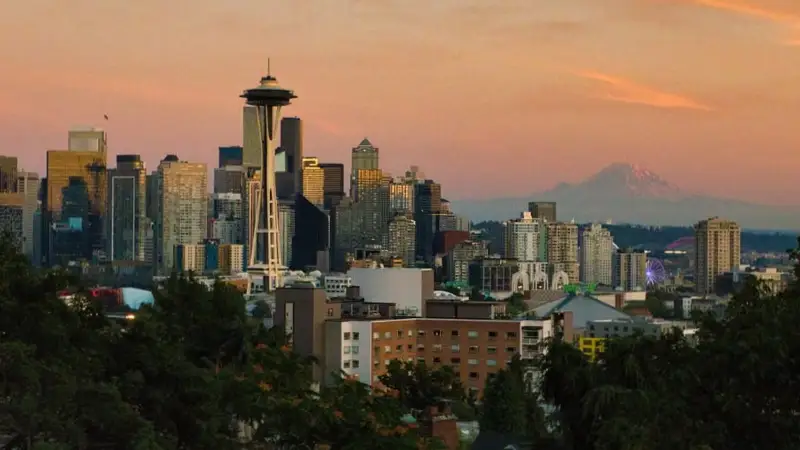
What sets Seattle apart from a lot of coastal cities is how much green space gets woven directly into the urban core, Discovery Park, the Arboretum, and the waterfront parks so the city never quite feels like it’s fighting its own geography; it feels like it grew around it.
5. Portland, Oregon
Portland’s beauty is quieter than Seattle’s, more about texture than skyline. Mount Hood shows up in the backdrop of half the city’s best views, and the combination of dense urban neighborhoods with genuinely wild green space, Forest Park alone is one of the largest urban forests in the country, giving Portland a strange, likeable duality. It’s a city that takes its bridges seriously too; twelve of them cross the Willamette, and several are genuinely worth photographing on their own.
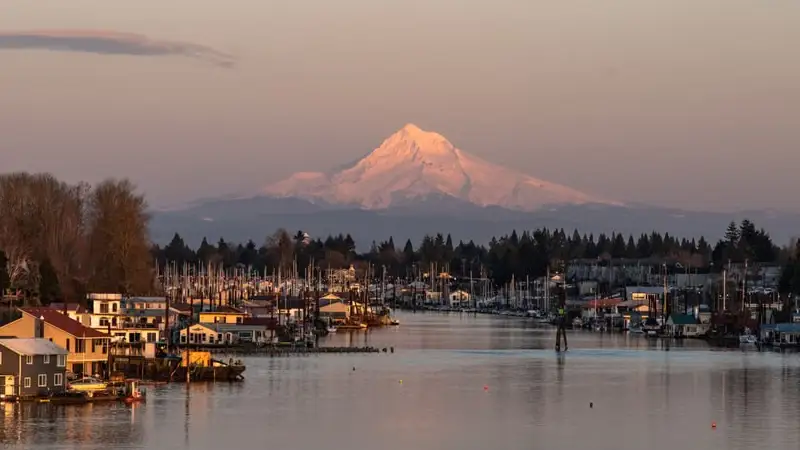
The rose gardens don’t hurt either. Portland genuinely earns the nickname City of Roses, and the International Rose Test Garden in early summer is about as good as public gardens get anywhere in the country.
6. Boston, Massachusetts
Boston’s beauty runs on a slower, older register than most American cities, with brick rowhouses in Beacon Hill, gas lamp-style streetlights that still get lit the traditional way in parts of the neighborhood, and cobblestones that have clearly been there since before cars were a consideration. The Freedom Trail winds through most of it, a free, self-guided walk connecting sixteen historic sites, and it’s genuinely one of the better ways to see the city’s prettiest corners without needing a plan.
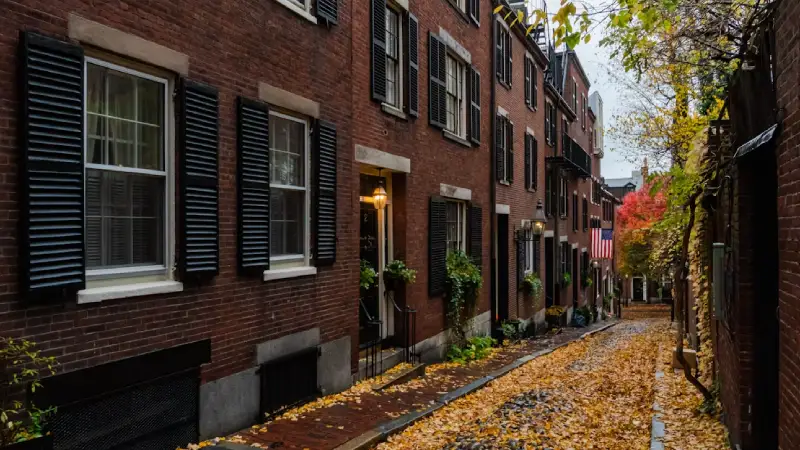
The Charles River adds a nice contrast too, wide open water right against a dense historic core, and the view from Cambridge looking back at the Boston skyline across the river is one of the better skyline shots on the East Coast.
7. New Orleans, Louisiana
New Orleans doesn’t do subtle beauty, and that’s exactly the appeal. The French Quarter’s wrought iron balconies, the pastel-colored shotgun houses in the Garden District, and live music spilling out of doorways at basically any hour, it’s a city built for wandering without a destination in mind. St. Charles Avenue, running through the Garden District under a canopy of oak trees with the streetcar rattling along it, might be one of the most photographed streets in the South for good reason.
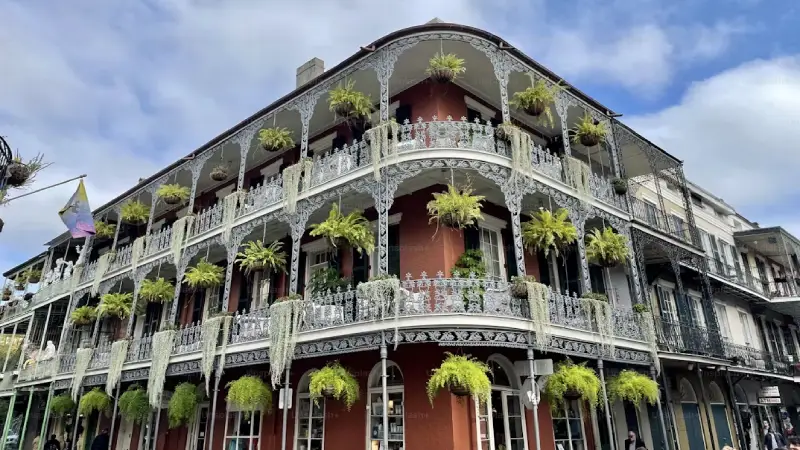
There’s a texture to New Orleans that’s hard to describe until you’re standing in it, part decay, part celebration, and somehow the combination works better than either one would alone.
8. Sedona, Arizona
Sedona operates on a completely different visual register than everything else on this list, no historic architecture, no skyline, just red rock formations rising directly out of the desert in shapes that genuinely look sculpted. Cathedral Rock and Bell Rock are the two names that show up in every photo, and neither one disappoints in person, especially around sunset when the red rock deepens into something closer to orange and gold.
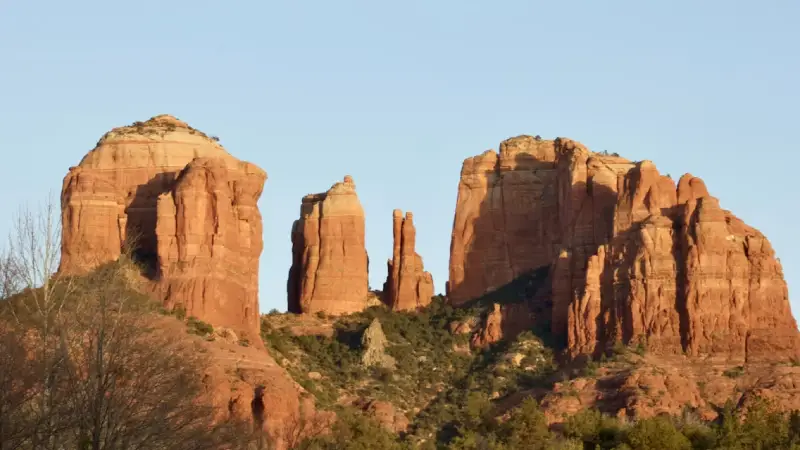
It’s a small town rather than a proper city, which honestly works in its favor; the whole place is scaled around the landscape rather than the other way around.
9. Chicago, Illinois
Chicago’s beauty is architectural in a way that few American cities can match; the skyline along the Chicago River is basically an open-air museum of building design, and the river itself, dyed green once a year for St. Patrick’s Day, cuts right through downtown in a way that makes the skyscrapers feel closer and taller than they might otherwise. Millennium Park’s Cloud Gate sculpture, better known locally as The Bean, has become one of the most photographed public art pieces in the country.
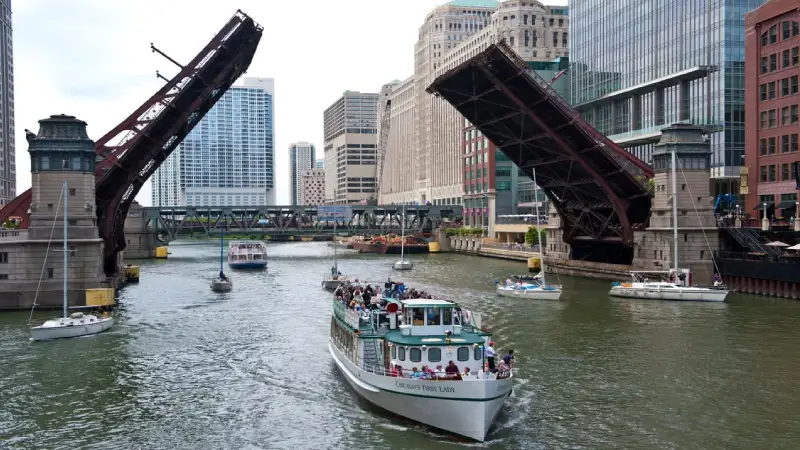
Lake Michigan gives Chicago something most inland cities don’t get: a genuine waterfront with beaches, and the skyline view from out on the lake looking back at the city is a different, quieter kind of pretty than the downtown chaos suggests.
10. Annapolis, Maryland
Annapolis gets left off a lot of these lists, which feels like an oversight once you’ve actually walked its historic district. Brick sidewalks, colonial-era buildings that predate the Revolutionary War, and a working harbor still full of sailboats rather than the tourist-only kind, Annapolis has managed to stay genuinely lived in rather than turning into a museum piece.
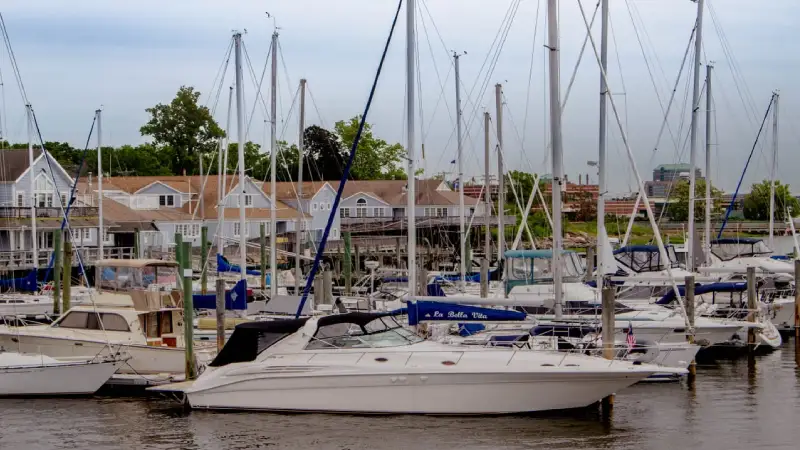
The Naval Academy adds a formal, manicured edge to one part of town, while the older colonial streets nearby keep things looser and more weathered, and the contrast between the two somehow works better than it has any right to.
11. Pittsburgh, Pennsylvania
Pittsburgh rarely gets mentioned in the same breath as San Francisco or Chicago, but it stands at Point State Park, where three rivers meet, or catches the view from Mount Washington at dusk when the whole downtown lights up against that river confluence, and it starts to make a real case for itself. The geography alone gives Pittsburgh a skyline backdrop that very few American cities can compete with.
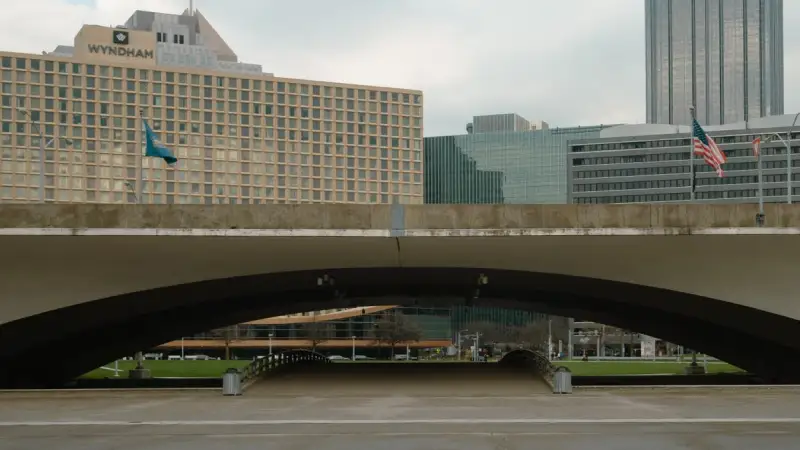
What makes Pittsburgh interesting is how much of its beauty comes from things that used to be industrial, old steel bridges, and converted riverfront warehouses, and it wears that history well instead of trying to hide it.
12. Santa Fe, New Mexico
Santa Fe looks unlike anywhere else in the country, and that’s mostly down to a strict adobe-style building code that’s kept the entire city looking like a warm, earth-toned extension of the desert around it. The Plaza sits at the center of it all, surrounded by centuries-old buildings, and the light here, especially in late afternoon, has a quality that photographers talk about the way surfers talk about the perfect wave.
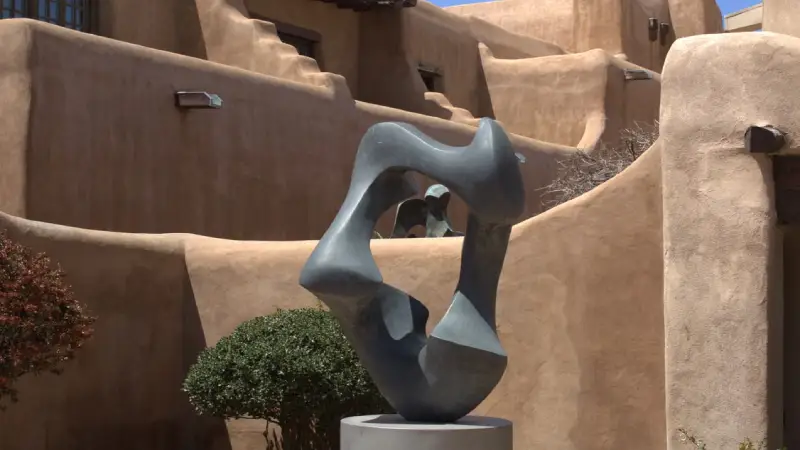
The art scene here is enormous relative to the city’s size too; Canyon Road alone holds more than a hundred galleries within a short walk, which gives Santa Fe a creative density that feels completely out of proportion with how small the city actually is.
What Actually Makes A City Pretty
There’s no single formula, obviously, but the cities that keep showing up on lists like this tend to share a few things. Protected historic districts help enormously; cities that fought hard against tearing down old buildings for parking lots are almost always the ones that end up looking timeless decades later. Geography matters just as much; water, mountains, rivers, red rock, and a city built with a dramatic natural backdrop start the beauty conversation with a head start that architecture alone can’t fully replicate.
Walkability plays a bigger role than people expect. A pretty street means very little if you’re forced to view it through a car window at thirty miles an hour; the cities on this list all reward slow, aimless walking, and that’s really the only way to actually see any of them properly.
When To Visit For The Best Version Of Each City
Timing changes how pretty these places look more than most people account for when booking a trip. Charleston, Savannah, and New Orleans are at their best in spring, roughly March through May, before the humidity turns punishing and while the gardens are still in bloom. Boston and Chicago peak in early autumn, late September into October, when the foliage turns and the summer crowds thin out considerably. Sedona and Santa Fe both shine in fall as well, the desert light softening and temperatures dropping out of the brutal summer range. Seattle and Portland genuinely do look their best on the rare clear days scattered through late spring and summer, when the mountains actually show up in the background instead of hiding behind cloud cover.
Final Thoughts
Ranking cities on looks alone is always going to be a little bit subjective; one traveler’s dream skyline is another traveler’s overcrowded tourist trap, but these twelve keep earning their reputations for reasons that hold up in person, not just in photographs. Some, like Charleston and Savannah, built their beauty on centuries of careful preservation. Others, like Sedona, didn’t need to build anything at all; the landscape did the work. Either way, this is a solid starting list for anyone building out a US trip around the places that are actually worth stopping and looking at twice.


