
Tofino Beach Guide BC Canada 2026

Nobody shows up to Tofino expecting warm water. That’s the first thing to understand about this place. Vancouver Island’s west coast sits in the open Pacific, and even in August the sea barely climbs past fifteen degrees. People come anyway, in growing numbers every year, because Tofino does something most beach towns can’t. Temperate rainforest right down to the sand. Whales offshore. Waves that pull surfers in from across the country. A storm season that people deliberately plan trips around rather than avoid.
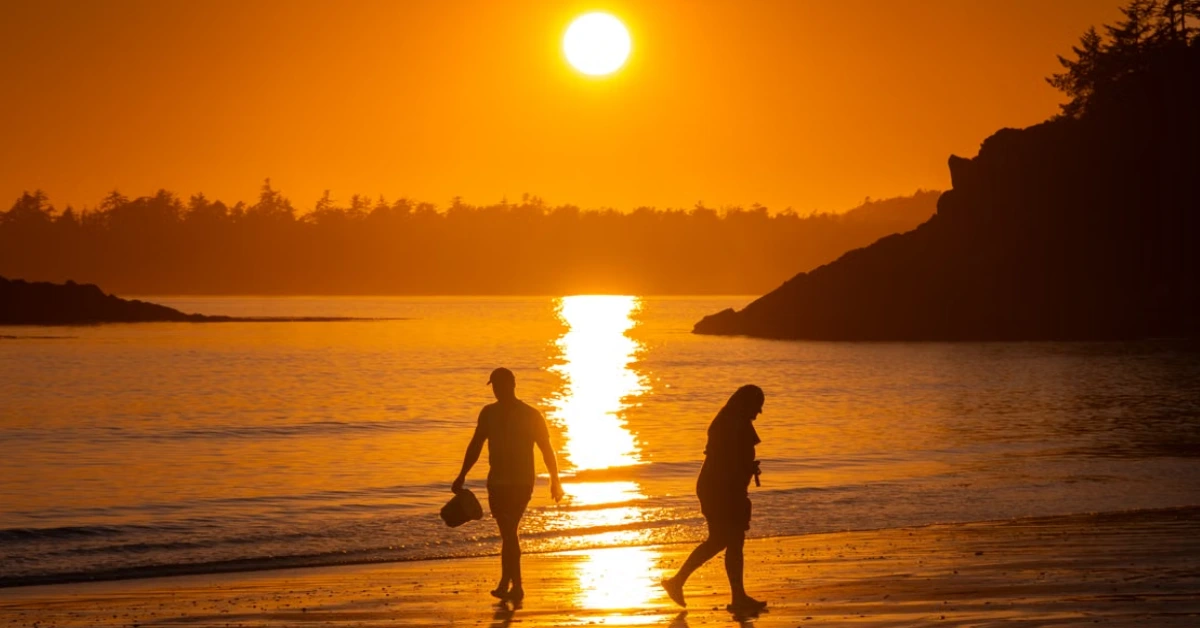
I’ve pulled together what actually matters here for 2026, beach by beach, along with the surf scene, the storm-watching window, and the practical stuff that changes a good trip into a frustrating one.
Where Tofino Actually Sits
Tofino sits on a small peninsula about halfway up Vancouver Island’s west coast, inside the Clayoquot Sound UNESCO Biosphere Region, on the traditional territory of the Tla-o-qui-aht First Nation. Most of its best known beaches fall within Pacific Rim National Park Reserve, a 511 square kilometer stretch of coastline, rainforest and islands that Parks Canada split into three sections back in 1970. The Long Beach unit is the one you’ll spend most of your time in. The other two, Broken Group Islands and the West Coast Trail, sit further south and ask a lot more of visitors who want to see them.
Getting here takes effort no matter where you’re coming from. It’s roughly a four hour drive from Victoria or a shorter hop from Nanaimo if you’ve taken the ferry across from the mainland. That drive is part of the filter. Tofino doesn’t get the casual day tripper crowd a lot easier than beach towns deal with.
Chesterman Beach
Ask a local which beach to see first, and Chesterman comes up more than any other. It splits into two halves, North and South, joined at low tide by a strip of sand that disappears when the water comes back in. North Chesterman is the one with the reputation, decent surf, dramatic cliffs, and a small island with a lighthouse sitting just offshore that ends up in half the photos people take here. South Chesterman trades some of that drama for gentler water, better suited to beginner surfers and to tide pooling, and it’s where a lot of families end up settling in for the afternoon.
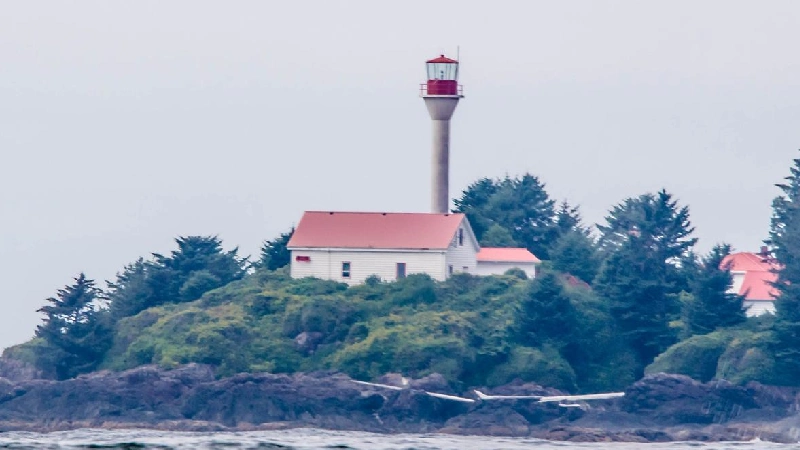
Soft sand, wide enough that it never feels crowded even in July, and close enough to town that you don’t need to commit to a full day trip just to see it.
Cox Bay
Cox Bay is where the serious surfers go. Crescent shaped, exposed to open ocean swell, and home to most of the surf competitions that put Tofino on the map as Canada’s surf town in the first place. The waves here run bigger and more powerful than Chesterman, which is exactly why intermediate and advanced surfers treat it as the main event.
It’s not just for people who already know what they’re doing though. A handful of surf schools run beginner lessons right on Cox Bay too, timed for the gentler windows between bigger swells. A trail along the cliff at the north end leads to a lookout that’s worth the short walk even if you never touch a board, since it gives you the kind of wide, unbroken view of the bay that the beach itself doesn’t offer.
Long Beach
This is the one that gives the whole national park unit its name, and it earns it. Sixteen kilometres of sand, stretching south from near the park’s northern boundary down through Wickaninnish Beach, Florencia Bay and a string of smaller named sections most visitors never bother separating out. Volcanic rock formations break up the shoreline here and there, and a band of salt tolerant Sitka spruce, called the Spruce Fringe, grows right at the edge where sand meets forest.
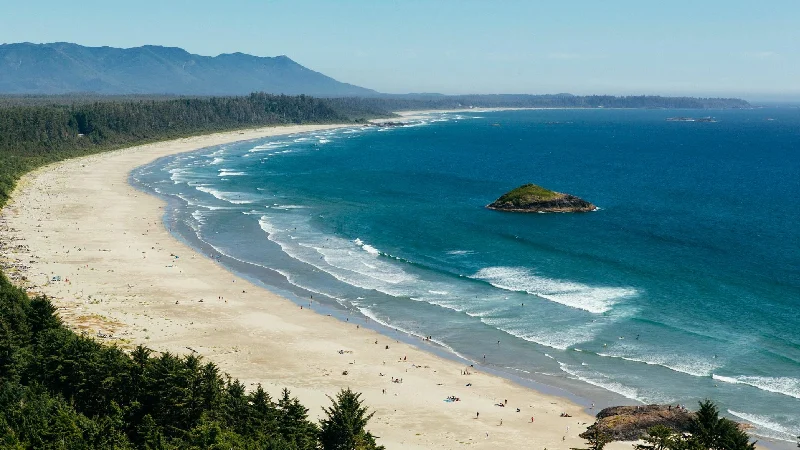
Local surfing history claims this stretch as the actual birthplace of the sport in Tofino, and it’s versatile enough that you’ll find every skill level spread out along its length on any given day. It’s also simply the best beach here for a long, unhurried walk, since the sheer distance means you can go an hour without seeing another soul if you time it right.
MacKenzie Beach, Also Known As Tin Wis
Protected by a run of offshore rocks, MacKenzie Beach sees noticeably calmer water than almost anywhere else in Tofino, which makes it the default recommendation for families with young kids or for anyone who just wants to wade in without worrying about a rip current. It’s also one of the easiest beaches to actually get to, a short walk from the parking lot, no scrambling, no muddy trail through the trees first.
The Tin Wis Resort sits right on this beach, owned and operated by the Tla-o-qui-aht First Nation under the Best Western Plus brand, and it runs cultural programming throughout the year that’s worth building into a visit if that interests you.
Tonquin Beach
Tonquin is Tofino’s town beach, the closest proper beach to downtown, but it doesn’t feel like it once you’re standing on the sand. Reaching it means following a short rainforest trail and a set of stairs down from the parking area, and that small bit of friction is enough to filter out a lot of the casual foot traffic. What you get in exchange is a quieter, more sheltered stretch of coast with excellent driftwood and a setting that feels considerably wilder than its five minute distance from town would suggest.
Sunset here has become something of a local ritual. Fewer crowds than Chesterman, a clear western view, and just enough of a walk to feel like you earned it.
Middle Beach And The Quieter Spots
Middle Beach runs calmer than most of the beaches on this list, calm enough that it’s become a genuine favorite for kayaking rather than surfing. It sits a little further out from the main cluster of beaches near downtown, which keeps it quieter even during peak summer weekends.
Radar Beach is worth a mention too, a lesser known surf spot that doesn’t show up on every list, favored by people who’ve already done Cox Bay a few times and want something with fewer footprints in the sand.
The Surf Scene, Broken Down By Skill Level
Tofino’s surf culture isn’t a side activity here, it’s close to the whole identity of the town. MacKenzie Beach suits true beginners best, small, forgiving waves and a gentle learning curve. Chesterman splits the difference, sheltered sections for newer surfers and more exposed stretches for anyone ready to push further. Cox Bay is where advanced surfers head for genuine power, and Long Beach sits in its own category entirely, versatile enough to suit whichever mood or skill level you show up with on a given day.
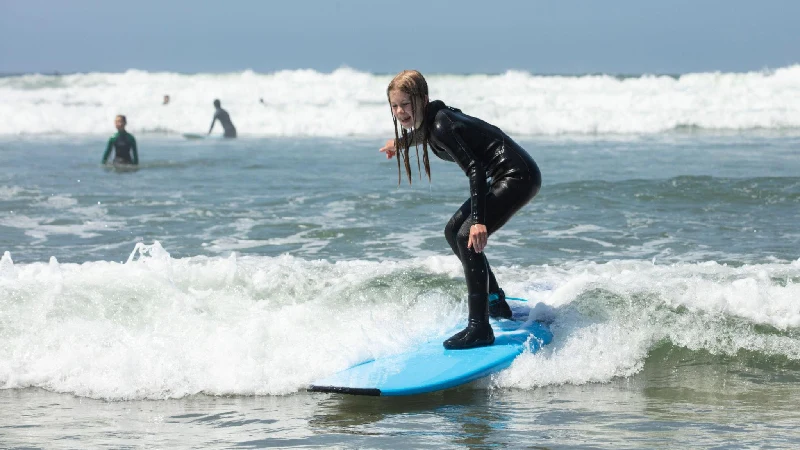
Water temperature stays cold enough year round that a wetsuit is not optional here, even in the warmer months. Most surf schools include one in the lesson price, so this isn’t something you need to sort out yourself before your first time in the water.
Storm Watching: Tofino’s Strangest, Best Season
Most beach towns go quiet once summer ends. Tofino does the opposite. From November through March, massive North Pacific swells roll in alongside king tides, and towns up and down this coast lean into it rather than shutting down for winter. Long Beach and Cox Bay both turn into genuine spectacles during a proper storm, waves crashing hard enough to feel through the ground, wind strong enough to make standing upright a minor challenge.
A lot of visitors watch from the comfort of an oceanfront lodge with a glass of wine rather than standing directly in it, and either way, this has become one of the more distinctive reasons people specifically plan a Tofino trip around winter rather than despite it.
Wildlife Worth Watching For
Clayoquot Sound supports a genuinely rich stretch of marine life, and boat tours heading out from Tofino harbour regularly turn up gray whales, humpbacks, and black bears foraging along the shoreline at low tide. Whale watching season runs broadly from spring through fall, with gray whales migrating past in the biggest numbers during March and April.
Where To Stay
Downtown Tofino makes the most sense if you want restaurants, tour operators and harbour walks within easy reach, and don’t mind a short drive out to the beaches themselves each day. Staying directly on one of the beaches, Chesterman and MacKenzie both have oceanfront lodges and resorts right on the sand, trades some of that convenience for waking up and walking straight out your door onto the beach.
Book well ahead if you’re coming for a July or August weekend. Tofino’s accommodation is genuinely limited relative to how much demand the town pulls in during peak summer, and the gap between booking early and booking late shows up fast in both price and availability.
When To Actually Go
Summer, June through August, delivers the most reliable weather and the calmest conditions for beginners in the water, alongside the biggest crowds and the tightest accommodation market. Spring brings whale migration and thinner crowds than summer, a genuinely strong window if you’re flexible. Storm season, November through March, is the one to pick if dramatic weather and oceanfront lodge evenings sound better to you than sunbathing, understanding that this isn’t swimming weather by any definition.
Worth knowing for anyone planning a 2026 visit specifically, the Canada Strong Pass is running again this year, offering free admission and a discount on camping and overnight stays across Parks Canada sites, including Pacific Rim, from June 19 through September 7. For current park fees, trail conditions and camping availability, Parks Canada’s official Pacific Rim page is worth checking directly before you go, since conditions here shift with the weather more than most destinations.
Practical Things Worth Knowing
None of Tofino’s beaches are really built for casual swimming, even in summer, given the water temperature and the open ocean swell most of them face directly. Treat this as a surfing, walking and scenery destination rather than a place to spend an afternoon floating around, and the trip makes a lot more sense from the start.
Tide tables matter more here than at a lot of beaches. Several of these spots, Chesterman’s connecting strip of sand especially, change shape entirely between high and low tide, and cycling along the hard packed sand at low tide has become a genuinely popular way to cover ground between beaches without needing a car for every short hop.
Pack for layers regardless of season. Coastal weather here shifts fast, and a sunny morning can turn into something considerably colder and wetter by early afternoon without much warning. Travel insurance is worth having for a trip built around storm season specifically, or any itinerary involving surf lessons and other water activities, since standard policies don’t always cover adventure sports or weather related disruptions by default.
Food Worth Seeking Out
Tofino has built a genuinely strong food scene for a town this small, leaning heavily on what comes straight out of the water nearby. Fresh seafood shacks near the harbour serve the kind of fish tacos and chowder that taste noticeably better eaten outside with sand still on your feet, and a handful of fine dining spots in town have earned a reputation well beyond Vancouver Island for pairing local seafood with produce grown in the surrounding rainforest climate. Even a quick coffee stop before a beach day tends to come with a view worth lingering over.
A Short Trip To Ucluelet
If time allows, the drive south to Ucluelet adds a quieter, less touristy version of the same coastline. The Wild Pacific Trail there winds along dramatic cliffs with some of the best storm watching vantage points on the entire island, and the town itself moves at a noticeably slower pace than Tofino, even during peak summer. It pairs naturally with a Tofino trip as either a day visit or an overnight add on, especially for anyone chasing fewer crowds without giving up the same rugged coastal scenery.
Frequently Asked Questions
What is the best beach in Tofino?
Chesterman Beach is the most popular all around choice, with Cox Bay the top pick specifically for serious surfers and Long Beach the best option for a long, uninterrupted walk.
Can you actually swim at Tofino’s beaches?
Technically yes, but water stays cold year round, around 12 to 15 degrees even in August, and most people come here for surfing, walking and scenery rather than casual swimming.
When is Tofino’s storm watching season?
Roughly November through March, when North Pacific swells and king tides bring dramatic waves to beaches like Long Beach and Cox Bay.
Is Tofino good for beginner surfers?
Yes, MacKenzie Beach and parts of Chesterman Beach offer gentler, more sheltered conditions well suited to surf lessons, and most schools include a wetsuit in the price.
Do I need to book accommodation in Tofino in advance?
Yes, especially for July and August. Accommodation is limited relative to summer demand, and prices and availability both get noticeably worse the closer you book to your actual travel dates.
Final Thoughts
Tofino asks something different of visitors than most beach destinations. You’re not coming for warm water or a tan. You’re coming for rainforest meeting ocean, for surf that genuinely tests you, for whales offshore and storms strong enough to watch from a window with a drink in hand. Pick your beach based on what you actually want out of the day, Chesterman for an easy first visit, Cox Bay if you want real waves, Long Beach if you want distance and quiet, and the town does the rest of the work on its own.


