
Vancouver Island Whale Watching Guide: Best Tours & Seasons

Vancouver Island delivers some of the world’s most reliable and spectacular whale watching, with three distinct species readily observed during the May-October main season: orcas (killer whales), humpback whales, and gray whales. The island’s position at the intersection of rich Pacific feeding grounds, the Salish Sea, and major cetacean migration routes creates conditions where professional operators consistently deliver 95 percent sighting success rates during peak season. For Indian tourists planning Canadian trips beyond the typical Toronto-Banff-Niagara circuit, adding 2-3 days of Vancouver Island whale watching delivers experiences that genuinely rival the best wildlife encounters globally – and unlike many wildlife destinations, you do not need lodge-based multi-night commitments. Day trips from Victoria, Tofino, or Telegraph Cove deliver the core whale watching experience.
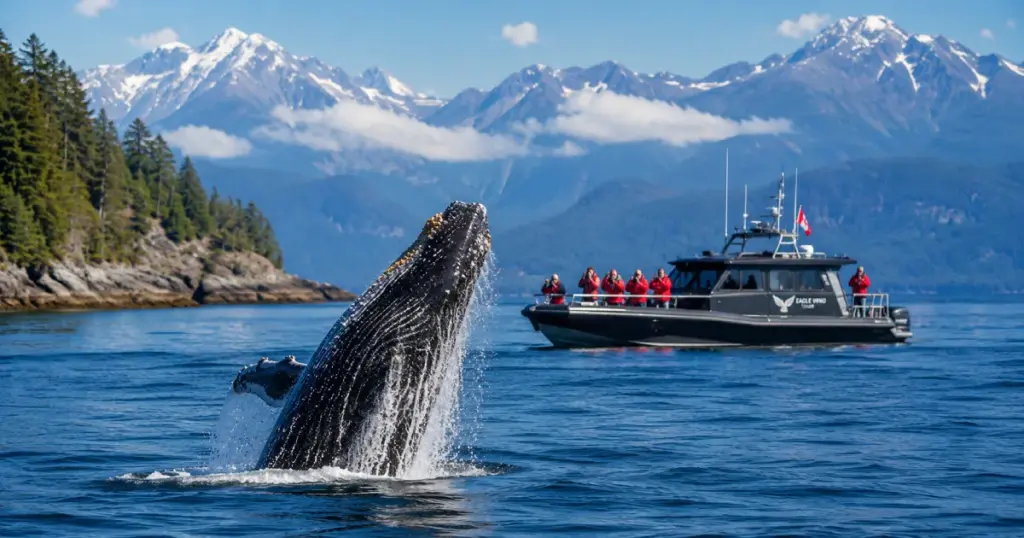
This guide covers exactly which whale species you can expect at each hub, when to go for optimal sightings, which operators consistently deliver the best experiences, and how to build realistic itineraries that combine whale watching with other Vancouver Island attractions. Research was cross-referenced from Prince of Whales Wildlife Tours, Tofino Whale Centre, Stubbs Island Whale Watching, Mackay Whale Watching, Sea Smoke Whale Watching, Best Time 2 Travel, Discover Vancouver Island, and traveler reports on Tripadvisor and Vancouver Island Bucket List.
Quick Facts – Vancouver Island Whale Watching
Vancouver Island is one of the world’s top 3 whale-watching destinations
Three main hubs: Victoria (year-round orcas), Tofino (gray/humpback/orca), Telegraph Cove (Northern Resident orcas)
Main season: May to October – peak sightings: June to September
March-April: 20,000+ gray whales migrate past Vancouver Island on northward journey
June-October: peak humpback whale activity across all three hubs
Typical half-day tour: CAD 175-300 per adult, 95 percent sighting success rate at reputable operators
Top operators: Prince of Whales, Stubbs Island, Mackay Whale Watching, Sea Smoke, Tofino Whale Centre
The Three Main Whale Watching Hubs
Victoria – Year-Round Orca Central
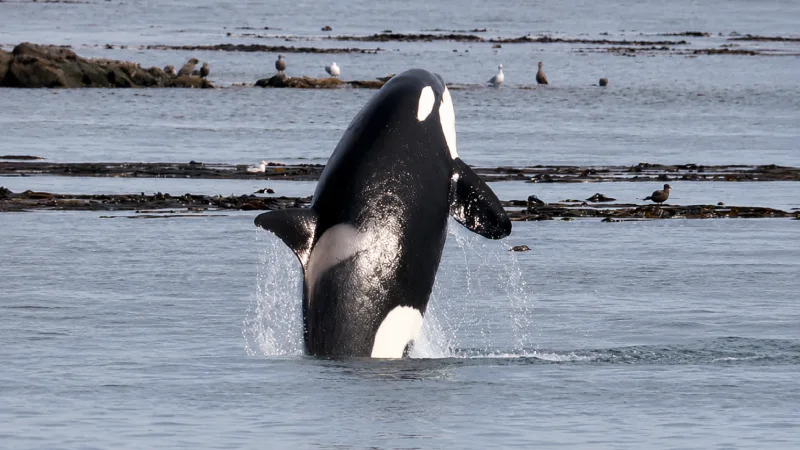
Victoria on Vancouver Island’s southern tip is the busiest whale watching departure in Canada. Located on the Inner Harbour just steps from the provincial legislature and downtown hotels, Victoria offers hourly on-demand departures with multiple competing operators. The surrounding waters (Juan de Fuca Strait, Haro Strait, Salish Sea) are home to Southern Resident Orcas – 80+ salmon-eating killer whales that frequent the region year-round. Transient Bigg’s orcas (marine mammal-eating killer whales) also visit. Humpback whales from June to October. Occasional gray whales and minke whales.
Prince of Whales Wildlife Tours is the dominant Victoria operator with multiple vessel options, a 95 percent sighting guarantee, and downtown Inner Harbour departure. Their custom-built catamarans are arguably the best whale-watching vessels on the west coast.
- 3-hour tours: CAD 175-220 for adults;
- 4-hour premium tours: CAD 245-300.
- Other strong Victoria operators: Eagle Wing Tours (smaller operation, excellent guide quality) and SpringTide Whale Watching.
Best Hub For: first-time whale watchers, travelers wanting year-round availability, and those combining it with Victoria sightseeing (Butchart Gardens, Royal BC Museum, Inner Harbour).
Tofino: West Coast Pacific Wilderness
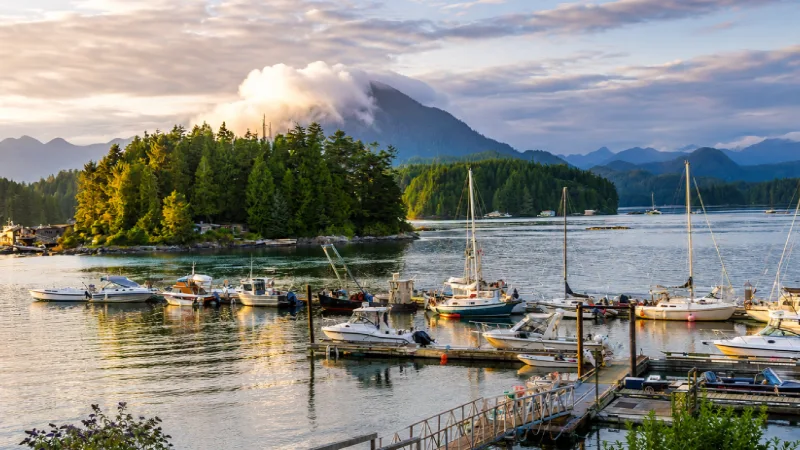
Tofino, on Vancouver Island’s wild west coast, within Pacific Rim National Park, offers dramatically different whale watching than Victoria. Clayoquot Sound’s nutrient-rich waters host all three major whale species (orca, humpback, and gray), plus sea otters, sea lions, bald eagles, and resident black bears (visible from Tofino bear-watching tours). The Pacific open-ocean environment means rougher sea conditions than Victoria’s protected straits but more dramatic whale behavior and scenery. Gray whales in particular are a Tofino specialty – some gray whales stay in Clayoquot Sound year-round after migrating from Mexico.
Tofino Whale Centre is the primary operator – family-run since 1986, with multiple boat options and daily departures May through October.
- 2.5-hour whale watching tours: CAD 169-189.
- Combined whale and bear tours are CAD 239.
- Hot Springs Cove combined tour: CAD 239-289 (6 hours, includes rainforest hot springs).
- Other Tofino operators: Jamie’s Whaling Station, Remote Passages Marine Excursions, Ocean Outfitters.
Best Hub For: travelers wanting the Pacific wild experience, those combining it with Pacific Rim National Park, visitors interested in gray whales specifically, couples, and adventure travelers.
Telegraph Cove: Northern Resident Orca Epicentre
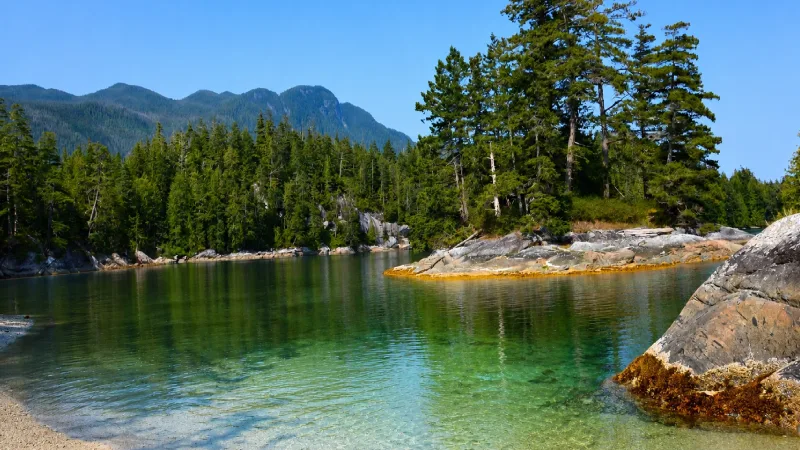
Telegraph Cove on the northern tip of Vancouver Island is the epicenter for northern resident orca watching. Approximately 220+ Northern Resident Orcas congregate in Johnstone Strait during summer, making this one of the densest wild orca populations anywhere. The small former fishing village (population about 20) has become a global whale watching destination, with multiple operators running tours from the iconic boardwalk. Orcas, humpback whales, Pacific white-sided dolphins (in pods of 100+), Dall’s porpoises, and other marine wildlife are reliably observed.
Stubbs Island Whale Watching is the original Telegraph Cove operator (started in the 1980s and pioneered responsible whale watching in Canada) – excellent naturalist guides, Coast Guard-certified vessels, and a strong reputation.
- 3-hour tours: CAD 165-195. Prince of Whales also operates from Telegraph Cove.
- Mackay Whale Watching, from a nearby port, McNeill, offers the longest tours on the fastest boats (6-8 hour expeditions reaching remote locations).
- Sea Smoke Whale Watching from Alert Bay uses a sailboat for a quieter traditional experience.
Best Hub For: serious whale enthusiasts wanting high orca density; travelers doing extended Vancouver Island road trips; and visitors combining it with Telegraph Cove grizzly bear watching (Tide Rip Grizzly Tours).
The Three Main Whale Species: What to Expect
Orcas (Killer Whales): The Icon
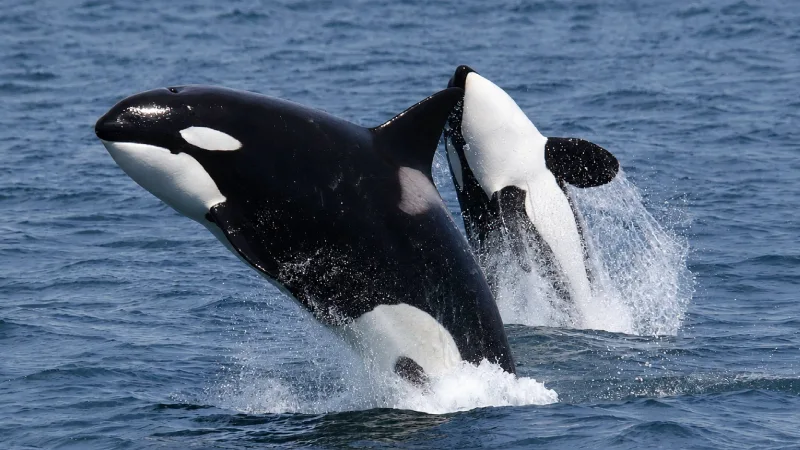
Orcas are the signature Vancouver Island whale species – apex predators with distinctive black-and-white coloring and tall dorsal fins (up to 6 feet in males). Three orca populations frequent Vancouver Island waters. Southern Resident Orcas (80 individuals) are salmon eaters, visiting the Victoria and southern waters. Northern resident orcas (220 individuals) visit Johnstone Strait near Telegraph Cove in summer. Transient or Bigg’s orcas (260 individuals) eat seals, porpoises, and other marine mammals, roaming more widely.
- Best Orca Viewing Locations By Season: May to September for Southern Residents near Victoria and July to September for Northern Residents at Telegraph Cove; transient orcas are possible year-round anywhere.
- Success Rates: 90-95 percent at Victoria operators during summer; 90-95 percent at Telegraph Cove operators during peak August-September. What you see: Orcas typically travel in family pods of 3-15 individuals, surface every 30 seconds to 2 minutes to breathe, occasionally breach (full-body leap), spy-hop (vertical head up to look around), tail-slap, and display complex social behaviors. Adult male orcas are instantly recognizable from tall dorsal fins; females and juveniles have shorter curved fins.
Humpback Whales: Breaching Spectacular
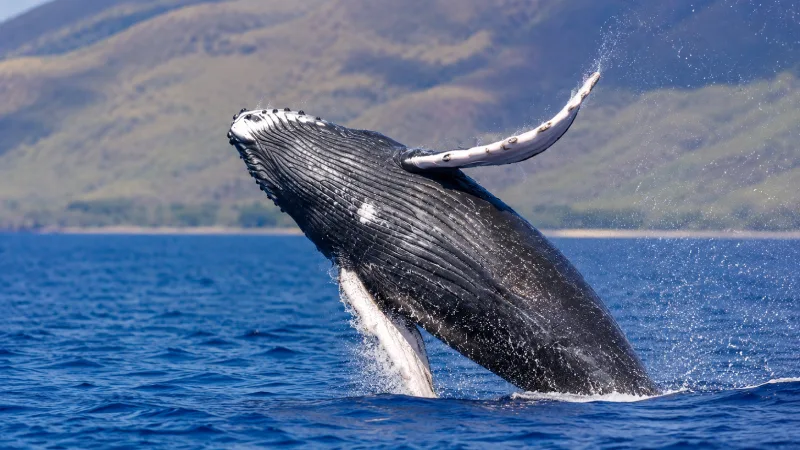
Humpback whales are the biggest, most dramatic, and most behavioral whales reliably observed off Vancouver Island. Adult humpbacks reach 40-52 feet long and 36,000 kilograms (79,000 pounds). Their population around Vancouver Island has grown dramatically in recent decades – from near-absent in the 1990s to hundreds of individuals today. June through October is peak humpback season across all three hubs, with best viewing in July-September. Humpbacks feed using bubble net fishing (group cooperative hunting where whales blow bubbles to concentrate prey), breach dramatically (full-body leaps visible from miles away), and vocalize with the famous humpback ‘songs’ (males only, during breeding season).
- What you see: humpbacks surface slowly, show distinctive tail flukes (underside patterns are as unique as human fingerprints for individual identification), occasionally breach fully or half-breach, and lunge-feed near schools of herring or krill. Humpback sightings often deliver the most photographically dramatic whale watching moments – a full breach of a 40-foot whale is unforgettable.
- Best Viewing: Tofino’s open Pacific is arguably best for dramatic humpback behavior. Telegraph Cove has increasing humpback numbers; Victoria offers reliable sightings from summer through autumn.
Gray Whales: Migration Specialists
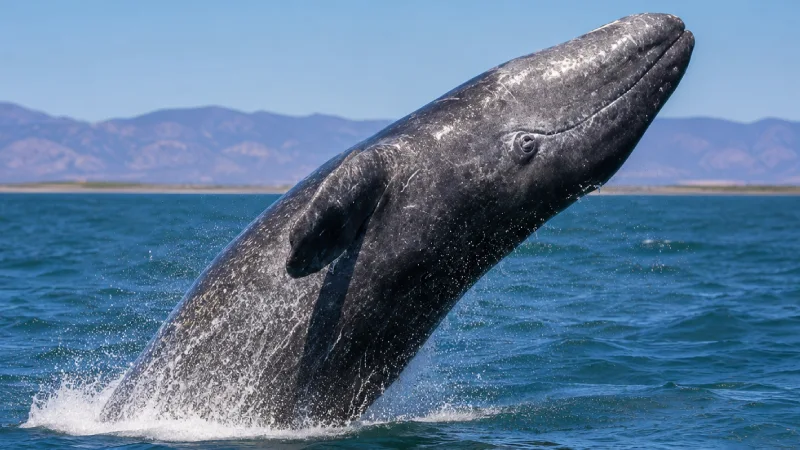
Gray whales are the migration specialists – during March-April, approximately 20,000 gray whales migrate northward past Vancouver Island from their Mexican breeding lagoons to Arctic feeding grounds. This makes late March and April the exclusive window for reliable gray whale viewing on a mass scale. Tofino and Ucluelet on the west coast are the gray whale hubs – some whales stay in Barkley Sound and Clayoquot Sound throughout summer (resident population of 20-30 individuals), extending the gray whale window into the main tourist season.
Gray whales are smaller than humpbacks (40-50 feet) and less dramatic in behaviour – they feed by scraping the ocean floor for amphipods and small crustaceans, creating distinctive side-surfacing behavior as they rise to breathe. They are harder to spot than humpbacks because they often stay close to shore in shallow waters. For Indian tourists specifically interested in gray whales, Tofino in March-April is the destination – combined with early-season bear watching starting late April.
Seasonal Whale Watching Calendar
Knowing when to see which species at which location is critical for successful Vancouver Island whale watching planning.
| Month | Victoria | Tofino | Telegraph Cove | Best For |
| March | Transient Orcas | Gray whales peak | Closed season | Gray whale migration |
| April | Transient Orcas | Gray whales peak | Closed season | Gray whale migration |
| May | Orcas and humpbacks start | Gray, Humpbacks | The season opens | Shoulder/mixed |
| June | All species | All species | Orcas, Humpbacks | Peak season begins |
| July | All species peak | All species peak | Orcas’ peak | Peak all the hubs. |
| August | All species peak | All species peak | Orcas’ peak | Peak all the hubs. |
| September | Humpbacks peak | Humpbacks peak | Orcas, Humpbacks | Best overall month |
| October | Humpbacks | Humpbacks, Grays | The season closes | Shoulder |
| Nov-Feb | Transient Orcas | Limited tours | Closed | Winter limited |
Building Your Vancouver Island Whale Watching Trip
Option 1: Victoria Day Trip (Budget)
2-3 day Victoria-focused trip combining whale watching with Victoria sightseeing.
- Day 1: Fly to Victoria or Vancouver and take a ferry to Victoria.
- Day 2: Morning Prince of Whales 3-hour tour (CAD 175-220); afternoon Butchart Gardens and Royal BC Museum.
- Day 3: Depart. Budget: 1.5-3 lakh INR for two, including flights from India, hotel, tours, and meals.
- Best For: short Canadian trips, first-time whale watching, and budget travelers.
Option 2: Tofino Pacific Wilderness (Mid-Range)
A 5-6 day west coast-focused trip.
- Day 1-2: Arrive in Vancouver, fly or drive to Tofino.
- Day 3: Tofino Whale Centre whale-watching tour.
- Day 4: Combined bear watching and hot springs tour.
- Day 5: Pacific Rim National Park hiking, Long Beach.
- Day 6: Return to Vancouver and depart.
- Budget: 4-7 lakh INR for two. Best for: adventure-oriented travelers, couples, those wanting a wild Pacific experience.
Option 3: Complete Vancouver Island Wildlife Week (Premium)
A 7-10 day itinerary combining Victoria, Tofino, and Telegraph Cove for a complete island wildlife experience.
- Day 1-2: Vancouver and transfer to Victoria. Day 3: Victoria whale watching.
- Day 4-5: Transfer to Tofino for whale and bear watching.
- Day 6-7: Transfer to the Telegraph Cove area, Tide Rip Grizzly Tours, and whale watching.
- Day 8-10: Return journey with stops at Campbell River or Nanaimo.
- Budget: 8-14 lakh INR for two. Best for: dedicated wildlife enthusiasts, a complete British Columbia wildlife experience, and honeymoon or anniversary trips.
Top 5 Whale Watching Operators – Ranked Honestly
1. Prince of Whales Wildlife Tours
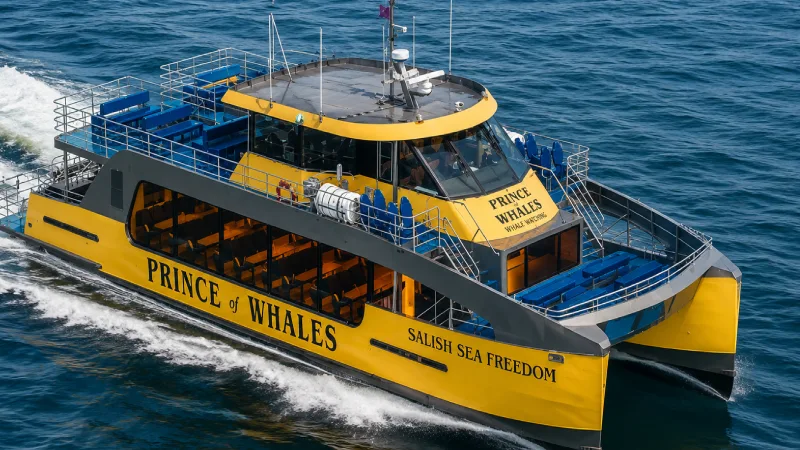
Operates from Victoria, Vancouver, and Telegraph Cove with industry-leading infrastructure. Custom-built environmentally friendly catamarans, over 95 percent sightings guaranteed (free second trip if no whales are seen), professional naturalist guides. Multiple departure times daily from Inner Harbour, Victoria. 3-hour tours CAD 175-220; premium 4-hour tours CAD 245-300.
- Best For: first-time whale watchers, travelers wanting reliability, and those booking online with flexibility. Arguably the most consistent quality operator across the entire Vancouver Island whale watching industry.
2. Stubbs Island Whale Watching (Telegraph Cove)
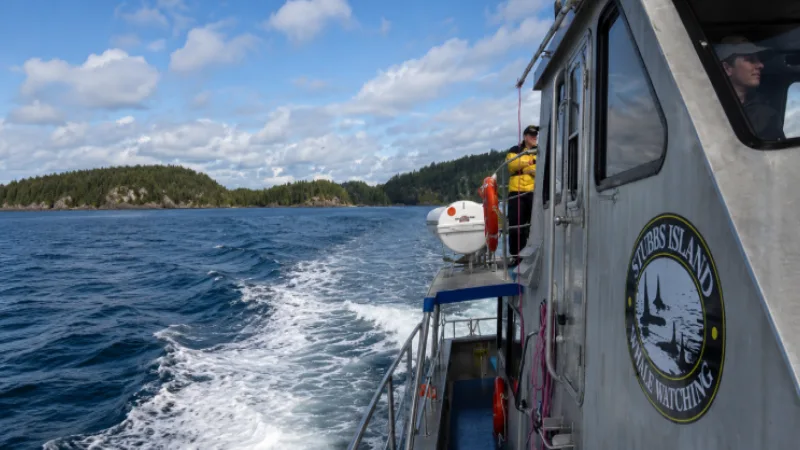
The original Telegraph Cove operator started in the 1980s and is widely credited with pioneering responsible whale watching practices in Canada. Naturalist guides are exceptional; Coast Guard-certified vessels focus on Northern Resident orca education. 3-hour tours: CAD 165-195 for adults. Strong reputation for a genuine conservation ethos rather than just a tourism product.
- Best For: serious whale watchers, travelers who want educational depth alongside the viewing, and those choosing the Telegraph Cove hub.
3. Tofino Whale Centre
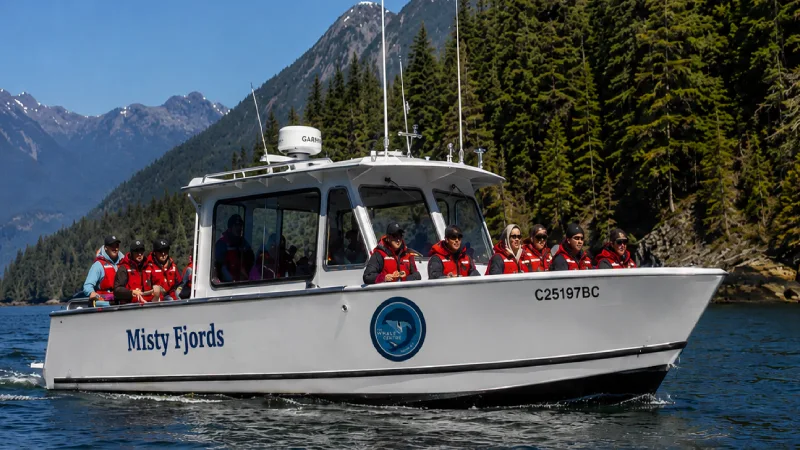
The primary Tofino operator since 1986 – family-run, multiple boat options (cabin cruiser for comfort, open boat for close experience), daily departures May-October. 2.5-hour whale watching: CAD 169-189. Combined with bear watching: CAD 239. Hot Springs Cove combined tour: CAD 239-289 (includes hot springs and rainforest).
- Best For: Tofino visitors, travelers combining multiple Pacific Rim experiences, families wanting mid-range pricing.
4. Mackay Whale Watching (Port McNeill)
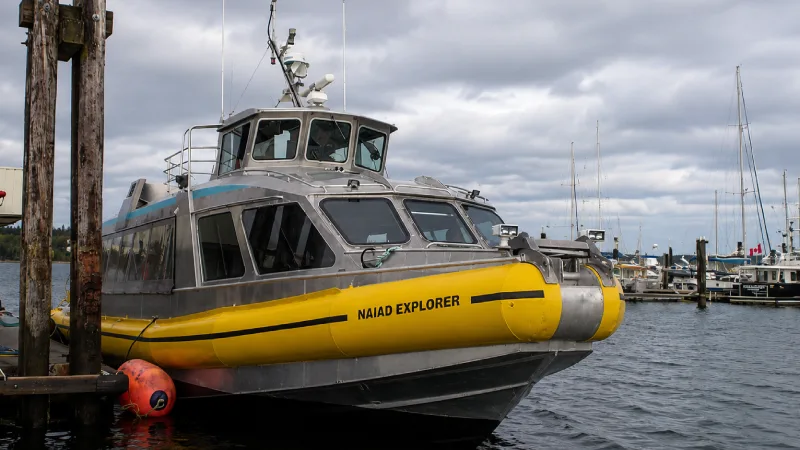
Based in Port McNeill (30 minutes from Telegraph Cove), Mackay offers the longest tours (6-8 hours) on the fastest boats reaching more remote whale-viewing locations than competitors. Full-day tours are CAD 225-275 for adults, including lunch.
- Best For: dedicated wildlife enthusiasts wanting more time on the water, photographers seeking less-visited locations, and travelers willing to commit a full day.
5. Sea Smoke Whale Watching (Alert Bay)
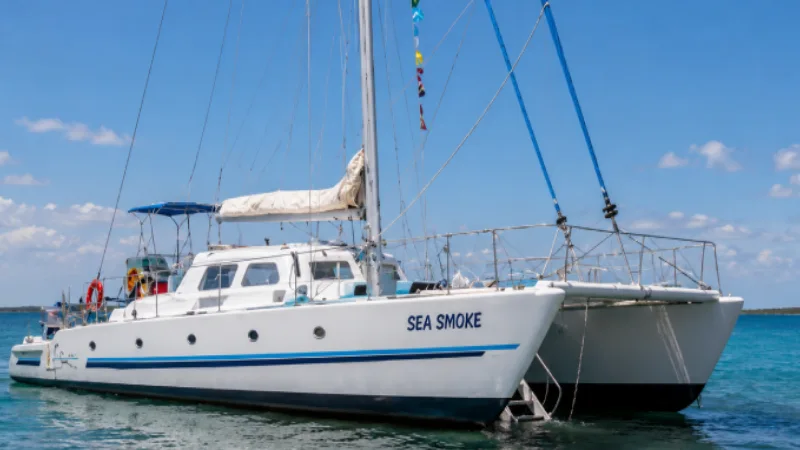
Unique sailboat-based whale watching from Alert Bay on Cormorant Island (short ferry from Port McNeill). The sailboat approach is quieter, slower, and more traditional than motorboat alternatives. 4-6 hour tours: CAD 195-275. Significantly different experience from typical whale watching – more contemplative, more sustainable, less tourist-feel.
- Best For: travelers wanting something different from standard operators, eco-conscious visitors, and those who appreciate sailing.
Budget for Indian Travellers
Realistic 5-day Vancouver Island whale watching trip for two Indian travelers, including flights:
| Cost Category | Budget (INR) | Mid-Range (INR) | Premium (INR) |
| Return flights IN Vancouver for 2 | 200,000-280,000 | 240,000-320,000 | 320,000-450,000 |
| Vancouver-Victoria ferry or flight | 8,000-12,000 | 15,000-25,000 | 30,000-50,000 |
| Hotels 4 nights | 30,000-50,000 | 60,000-120,000 | 180,000-350,000 |
| Whale watching tours (2-3 tours) | 28,000-42,000 | 50,000-90,000 | 90,000-150,000 |
| Meals and transport local | 20,000-30,000 | 35,000-60,000 | 60,000-120,000 |
| Canadian visa and insurance | 20,000-25,000 | 20,000-25,000 | 20,000-25,000 |
| TOTAL for 2 (5 days) | 306,000-439,000 | 420,000-640,000 | 700,000-1,145,000 |
Vancouver Island whale watching is relatively affordable by premium wildlife tourism standards. 4-7 lakh INR is the mid-range for a two-traveler, 5-day trip and compares favorably to 9-14 lakh INR for Canadian grizzly bear lodge packages or 7-12 lakh INR for a Kenyan safari. The cost-benefit ratio is excellent for travelers wanting world-class wildlife viewing at moderate expense.
Read More: Wild Animal Safaris in Europe – Bear, Wolf, and Lynx Watching
Mistakes Indian Tourists Make on Vancouver Island Whale Watching
- Booking the cheapest tour, assuming all operators deliver a similar experience – Prince of Whales (Victoria) and Stubbs Island (Telegraph Cove) are worth the CAD 20-50 premium over budget operators. Guide quality and vessel comfort differ substantially.
- Visiting in November-February expecting a full whale watching experience – Telegraph Cove operations close, Tofino reduces significantly, and only Victoria runs limited winter tours mainly for transient orcas. Visit May-October for the peak experience.
- Not dressing for cold wet weather – even July-August whale watching is cold on the water (10-15°C with wind). Wear warm layers under a waterproof outer shell. Operators provide flotation suits, but you need proper warm clothing underneath.
- Expecting whales to come close to the boat – responsible operators maintain 100+ meter distances from whales per Canadian marine mammal regulations. Bring binoculars (8×42 minimum) and a telephoto camera lens (200mm+) for good views and photos.
- Missing the Telegraph Cove combination opportunity – you can do whale watching plus grizzly bear watching from the same base (Tide Rip Grizzly Tours plus Prince of Whales or Stubbs Island). Best value combined wildlife trip available in Canada.
- Booking all three hubs in a 5-day trip – travel between Victoria, Tofino, and Telegraph Cove takes significant time. 2 hubs max in 5 days; all 3 need 7-10 days.
- Getting seasick without preparation – Pacific waters off Tofino particularly can be rough. Take motion sickness medication 1 hour before tour departure if you are susceptible.
Plan the Complete Pacific Wildlife Trip
Vancouver Island whale watching pairs naturally with Canadian grizzly bear watching for the complete Pacific Northwest wildlife experience. Our covers Knight Inlet Lodge, Tide Rip Grizzly Tours from Telegraph Cove, Khutzeymateen, and other BC bear destinations. Combining Telegraph Cove whale watching with Tide Rip grizzly day trip creates a 3-4 day wildlife trip covering orcas, humpbacks, and grizzlies from a single base – arguably the best combined wildlife day-out available anywhere in North America.
For timing your Canadian trip optimally against fares, our cheapest months to fly to Canada with real seasonal fare data guide shows that whale-watching peak months (July-September) coincide with peak flight fares, while shoulder months (May-June, October) deliver both good wildlife sightings AND 20-30 percent fare savings. Book flights 4-5 months ahead for an optimal balance of wildlife activity and flight pricing. Canadian visa processing also needs a 3-4 month buffer – plan application well ahead.
Final Thoughts
Vancouver Island whale watching delivers one of the world’s most accessible and reliable wildlife experiences, with professional operators consistently achieving 95 percent sighting success rates for orcas, humpbacks, and gray whales during the May-October main season. Three distinct hubs offer meaningfully different experiences: Victoria for year-round accessibility, Southern Resident orcas, and downtown Inner Harbor departures: Tofino for a wild Pacific open-ocean experience, gray whales in spring, and combined bear-whale-hot springs itineraries; Telegraph Cove for Northern Resident orca density, smaller-scale authentic village atmosphere, and the opportunity to combine with Tide Rip Grizzly Tours for bears.
Prince of Whales, Stubbs Island, Tofino Whale Centre, Mackay Whale Watching, and Sea Smoke round out the top operators across the three hubs. Honest recommendations for Indian travelers: for budget-focused first-time visitors, book a 2-3 day Victoria-based trip with Prince of Whales whale watching plus Victoria city sightseeing – total 1.5-3 lakh INR for two. For adventure-oriented couples or families, book a 5-6 day Tofino Pacific West Coast trip combining whale watching, bear watching, hot springs, and Long Beach – total 4-7 lakh INR for two. For dedicated wildlife enthusiasts, book a 7-10 day complete Vancouver Island trip covering all three hubs for a complete wildlife experience – total 8-14 lakh INR for two.
Travel July through September for peak wildlife activity; apply for a Canadian visa 4-5 months ahead. Book whale tours 2-4 weeks ahead for peak season dates with a preferred operator. Pack warm layers and a waterproof outer shell regardless of summer dates. Bring binoculars (8×42 minimum) and a telephoto camera lens. Done this way, Vancouver Island whale watching delivers a world-class wildlife experience at an accessible cost – combined with extraordinary Pacific Northwest scenery, genuine wilderness atmosphere, and the chance to see three whale species during a single Canadian trip.
Frequently Asked Questions
When is the best time for whale watching on Vancouver Island?
July through September is peak season with optimal sightings of orcas, humpbacks, and other marine mammals across all three main hubs (Victoria, Tofino, and Telegraph Cove). May-June is shoulder season with good variety. March-April is the gray whale migration period specifically (20,000+ grays pass Vancouver Island during northward migration). September is arguably the single best month – peak humpback activity with fewer tourists than August. Winter operations are limited to Victoria for transient orcas only.
Where is the best place to whale watch on Vancouver Island?
Depends on your priorities. Victoria for year-round availability, orcas, and easy downtown access – best for first-time whale watchers. Tofino for wild Pacific experience, gray whales, humpbacks, and combined bear/hot springs tours – best for adventure travelers. Telegraph Cove has the highest Northern Resident orca density (220+ whales in Johnstone Strait in summer) and combined grizzly bear watching – best for dedicated wildlife enthusiasts. All three deliver excellent whale watching; choice depends on itinerary priorities.
How much does Vancouver Island whale watching cost?
3-hour whale watching tours cost CAD 165-220 per adult at major operators (Prince of Whales Victoria, Stubbs Island Telegraph Cove, Tofino Whale Centre). Premium 4-hour tours are CAD 245-300. Full-day Mackay Whale Watching from Port McNeill: CAD 225-275. Combined whale and bear watching (Tofino): CAD 239. Total 5-day Vancouver Island trip from India for two travelers: 3-4.5 lakh INR budget, 4-6.5 lakh INR mid-range, and 7-11.5 lakh INR premium.
What whale species can you see on Vancouver Island?
Three main species are reliably observed: orcas (killer whales) – Southern Residents near Victoria, Northern Residents at Telegraph Cove, and transient Bigg’s orcas throughout the region; humpback whales (40-52 feet, dramatic breaching behavior, June-October peak); and gray whales (March-April migration peak, some resident in Tofino’s Clayoquot Sound year-round). Additional species: minke whales (occasional), fin whales (rare), Pacific white-sided dolphins (pods of 100+), Dall’s porpoises, sea lions, sea otters, and harbor seals.
Do you need tours for whale watching, or can you see them from shore?
Professional boat tours deliver 95 percent sighting success rates and the quality experience most visitors want. Shore-based whale watching is possible but with significantly lower success – maybe 10-20 percent chance of distant sightings. Shore spots include East Sooke Park near Victoria, Tofino’s Long Beach area, and the Campbell River waterfront. For Indian tourists traveling specifically for whale watching, professional tours are genuinely worth the cost over DIY attempts. The boat access to prime whale locations is the core value.
Is whale watching safe on Vancouver Island?
standards with Coast Guard-certified vessels, flotation suit/jacket provision for all passengers, experienced captains, and marine emergency protocols. Canadian marine mammal regulations require operators maintain 100+ meter distances from whales for both human and whale safety. Sea conditions can be rough, particularly in Tofino’s open Pacific – take motion sickness medication before departure if susceptible. Tours typically cancel for unsafe weather conditions with full refunds.



Nice Guide for Beginners