
VIP Desert Safari Dubai: The Complete 2026 Price And Booking Guide

Book a standard shared VIP Desert Safari Dubai, and you’ll get a genuinely fun afternoon, dune bashing, a shared camp, and buffet dinner, all for not much money. Book a VIP one, and the whole experience changes shape. Instead of squeezing into a shared 4×4 with strangers and following a group timetable, you get your own vehicle, your own pace, and a camp experience that’s built around comfort rather than volume.
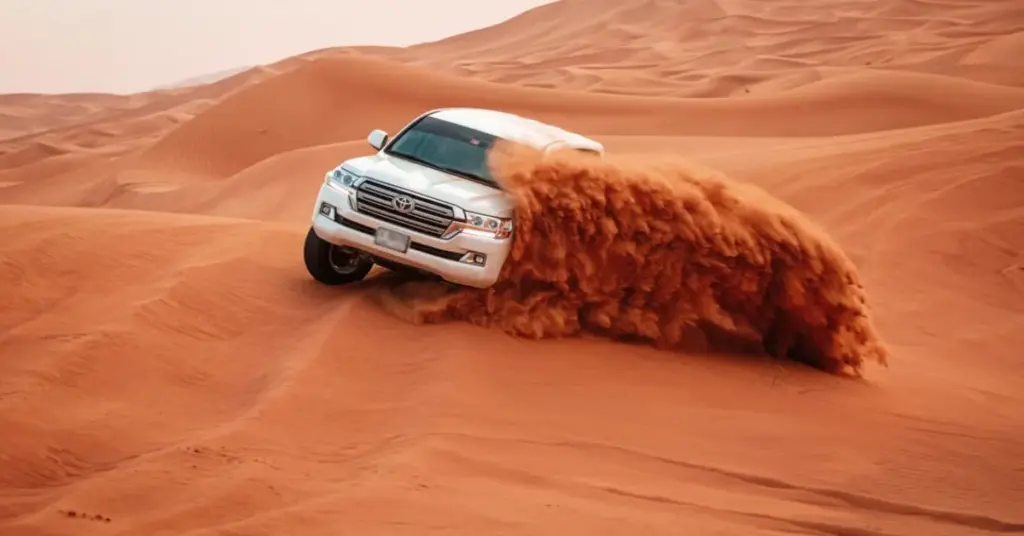
The gap between the two isn’t just about the price tag; it’s a genuinely different kind of afternoon in the desert. This guide breaks down what a VIP desert safari actually includes, what it costs in 2026, how it compares to the standard version, and how to tell a genuinely good VIP operator from one that’s just charging VIP prices for a shared experience with a nicer name.
What Makes A Desert Safari Actually VIP
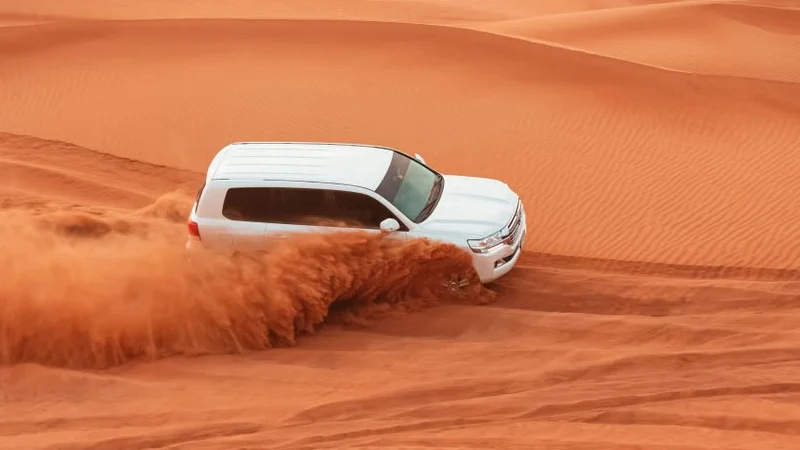
The word “VIP” gets attached to a lot of desert safari listings loosely, so it’s worth being specific about what should actually separate a real VIP experience from a standard one with better marketing. A private vehicle is the single biggest differentiator. Standard safaris pack four to six strangers into a shared 4×4 following a fixed group schedule. A genuine VIP safari puts your own group in a private Land Cruiser with a dedicated driver, which means no waiting for other passengers, no compromise on timing, and dune bashing adjusted to how much thrill your specific group actually wants rather than a one size fits all pace.
Camp experience is the second major difference. Standard safaris route everyone through the same large, busy camp with communal seating and a buffet line. VIP packages typically place you in a smaller, quieter camp, or a private section of a larger one, often with majlis-style low seating, better quality food served rather than a self-serve buffet, and a noticeably calmer atmosphere once the sun goes down. A handful of operators go further still with genuinely private camps built for a single group, complete with a dedicated host and a live cooking station rather than preprepared trays.
What’s Actually Included In A VIP Package
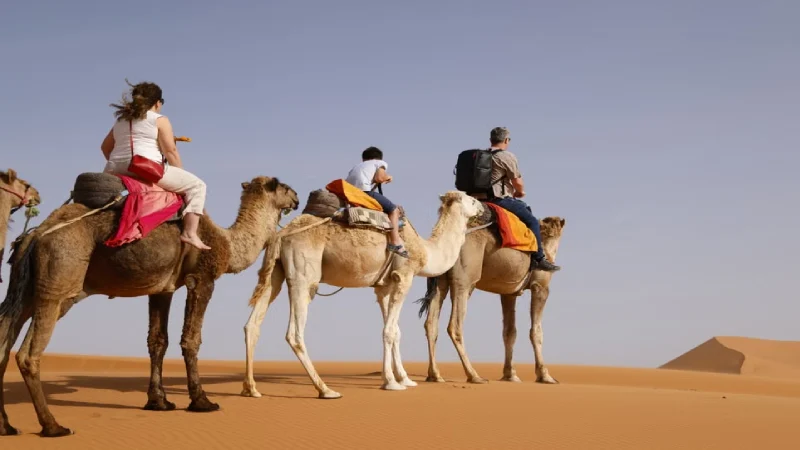
Inclusions vary between operators, which is exactly why it’s worth reading the fine print rather than assuming every VIP listing covers the same ground. At minimum, a proper VIP package should include private hotel pickup and drop off in a premium vehicle, private dune bashing rather than a shared vehicle, and priority or private access at the camp itself. Most packages layer in camel riding, sandboarding, henna painting, and a falcon photo opportunity, activities that show up across nearly every tier of desert safari but tend to come with shorter waits and better positioning when you’re not sharing them with a full shared tour group.
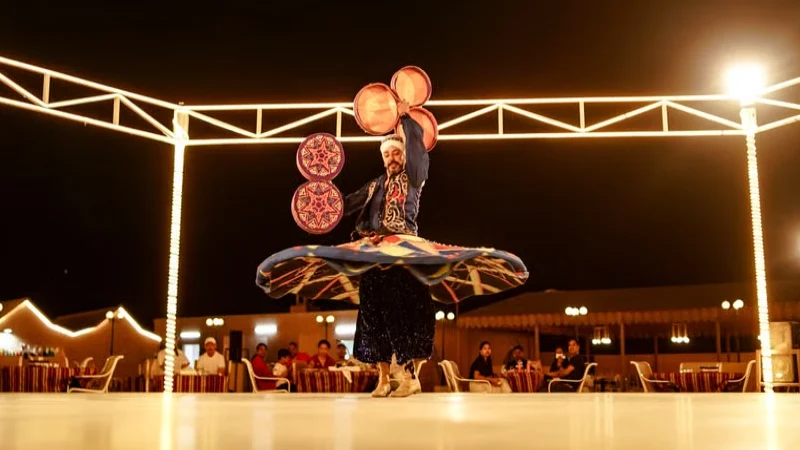
Dinner is where VIP packages genuinely separate themselves from standard ones. Rather than a large communal buffet, better operators serve a proper multi-course meal, sometimes with a live grill station preparing food to order, and drink service that goes beyond the standard soft drinks and water included in most base packages. Entertainment, typically a fire show and a Tanoura dance performance, is usually included across both tiers, though VIP guests often get seating positioned for a noticeably better view.
What A VIP Desert Safari Actually Costs In 2026
Pricing splits fairly clearly into two structures, and it’s worth understanding both before comparing quotes from different operators. Per-person VIP packages, where you’re still sharing a vehicle with a smaller group of paying travelers but getting VIP camp access and better food, typically run between one hundred thirty and two hundred fifty AED per person for a standard evening safari, roughly thirty-five to seventy dollars. Add-ons like quad biking usually run an additional two hundred fifty to three hundred fifty AED per person on top of the base package.
Fully private packages, where the entire vehicle and often the entire camp experience is exclusive to your group, cost considerably more but scale well for families or small groups traveling together. A private 4×4 for up to six people typically runs between nine hundred and two thousand AED as a flat rate depending on the operator and exact inclusions, which works out to a genuinely reasonable per-person cost once split across a full vehicle. At the top end, fully private camps with a dedicated host, live cooking station, and extended hours can run considerably higher, often into the range of four hundred fifty to twelve hundred AED per person depending on exactly what’s included.
Morning and sunrise VIP safaris tend to run somewhat cheaper than evening packages, generally in the range of one hundred fifty to three hundred fifty AED per person, and they’re worth considering specifically for photographers or travelers who’d rather experience the dunes in cooler, quieter conditions without the evening’s dinner and entertainment program attached.
Private Vehicle Versus Shared VIP
This is the distinction that trips up the most first-time bookers, since a lot of listings use the word “VIP” without making clear whether you’re actually getting a private vehicle or simply upgraded seating within a shared one. A shared VIP package still puts you in a vehicle with three or four other travelers, just with better camp access and food waiting at the other end. It’s noticeably better than a standard budget safari, but it’s not a fully private experience.
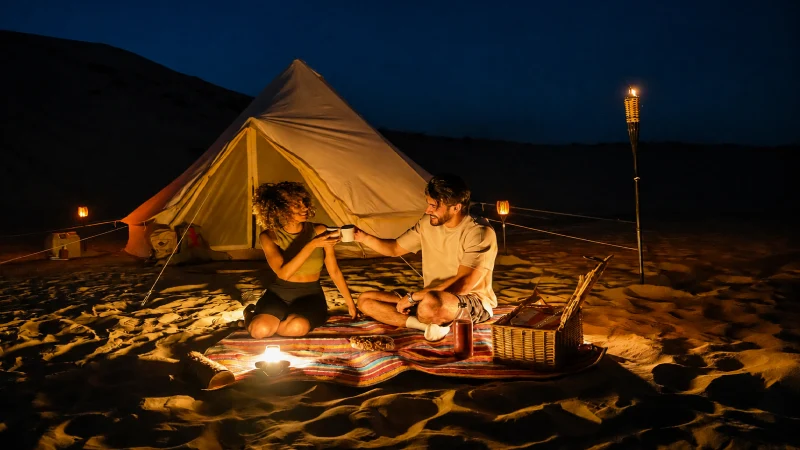
A fully private vehicle and camp experience costs more but genuinely changes the pace of the afternoon, with no waiting on other passengers, no shared camp schedule, and the ability to actually customize timing around sunset photos or a specific request without checking with anyone else. For couples on a honeymoon or families with young kids who don’t want to coordinate around strangers, the fully private option is usually worth the premium, while solo travelers or larger groups already filling a vehicle on their own often find the shared VIP tier delivers most of the same comfort for meaningfully less money.
Choosing Between Evening, Overnight And Morning Safaris
Evening safaris remain the most popular choice by a wide margin, and for good reason, they cover the full arc of the experience, dune bashing in daylight, a sunset stop for photos, and the camp program running through dinner and entertainment into the evening. A typical evening VIP safari runs around six to seven hours, including hotel transfers.
Overnight safaris extend the experience considerably, adding an actual night spent at a desert camp under genuinely dark, star-filled skies before a sunrise breakfast and return the next morning. These run noticeably higher in cost given the extended time and camp stay involved, but they’re worth considering specifically for travelers who want stargazing and a genuine desert night rather than just an evening visit.
Morning safaris trade the dinner and entertainment program for cooler temperatures and quieter dunes, making them a strong pick for photography-focused travelers or anyone who’d simply rather avoid the desert heat of a full afternoon and evening outing.
How To Choose A Genuinely Good Operator
A few checks separate a reliable VIP operator from one that’s charging premium prices without delivering a premium experience. Reading recent reviews specifically, rather than an operator’s overall rating, matters more than it seems, since a strong rating built on years of older reviews can mask a recent decline in vehicle quality or service. Confirming exactly what private means in the listing, a fully private vehicle versus a shared one with VIP camp access, avoids the most common source of disappointment among first-time bookers.
It’s worth checking whether pricing already includes hotel pickup and drop-off, since some listings quote a lower base price and add transfer fees separately at checkout. Confirming cancellation policy before booking matters too, particularly for anyone booking well in advance, since desert safaris are occasionally cancelled or rescheduled by operators due to weather, and a clear, fair cancellation policy protects you if that happens on your dates.
Photos on a listing are worth a closer look too, since some operators use stock imagery or photos from a different, higher-tier camp than the one you’d actually be assigned. Asking directly which specific camp your group will visit, and whether that camp is used exclusively for VIP guests or shared across multiple tour tiers, is a fair question that a genuinely confident operator should answer clearly rather than deflect.
Best Time Of Year For A VIP Desert Safari
November through March delivers the most comfortable temperatures for a desert safari, generally sitting in a pleasant range for both the dune bashing portion and an evening spent at an outdoor camp. This window also happens to be Dubai’s peak tourist season, so prices for VIP and private packages typically run fifteen to twenty-five percent higher than the rest of the year, and booking further ahead matters more if you want a specific date during these months.
April, May, September, and October work as reasonable shoulder months, warmer but still manageable, particularly for evening safaris timed around sunset rather than the hottest part of the day. June through August brings genuinely intense heat, regularly exceeding forty degrees Celsius even into the evening, and while safaris still run through summer, most travelers find the experience considerably more comfortable outside this stretch. Summer does bring meaningfully lower prices, though, which is worth weighing if flexible dates and a lower budget matter more to you than ideal weather.
For a broader sense of how a desert safari fits into a wider Dubai trip, our Dubai itinerary guide walks through where to slot a safari day alongside the rest of your sightseeing, and our Dubai travel guide covers visa rules and broader trip planning if you’re still working out the basics before booking activities.
Practical Tips Before You Go
Loose, comfortable clothing works better than anything fitted or restrictive, both for the dune bashing portion and for sitting comfortably at the camp afterward. Closed shoes are worth wearing over sandals, since sand gets everywhere once you’re out of the vehicle, and a light jacket is genuinely worth packing even in warmer months, since desert temperatures drop noticeably after sunset regardless of how hot the afternoon was.
Pregnant travelers and anyone with back or neck issues should skip the dune bashing portion specifically, since the vehicle movement is genuinely intense, and most reputable operators will accommodate a calmer, more direct route to the camp if asked in advance. It’s worth mentioning any dietary restrictions when booking rather than at the camp itself, since better operators can often accommodate specific requests with enough notice, particularly for the more curated VIP dinner service. For current entry and visa details before your trip, Visit Dubai’s official planning guide covers what to check ahead of arrival.
Final Thoughts
A VIP desert safari earns its price premium when the operator actually delivers a private, unhurried version of the experience rather than just a shared tour with a fancier name attached. Reading the fine print on what private actually means, checking recent reviews rather than an overall rating, and matching the package tier to your group size and priorities makes the difference between a genuinely memorable evening in the desert and one that just cost more without feeling any different from the budget option next to it. Get those details right, and the desert does the rest of the work on its own.
Frequently Asked Questions
What’s the difference between a standard and VIP desert safari in Dubai?
VIP safaris typically include a smaller or fully private vehicle, better quality food served rather than a large communal buffet, and a calmer, less crowded camp experience compared to the shared, higher-volume format of a standard safari.
How much does a VIP desert safari in Dubai cost?
Shared VIP packages typically run one hundred thirty to two hundred fifty AED per person, while fully private vehicle and camp packages run considerably higher, often nine hundred AED or more as a flat rate for a small group.
Is a private desert safari worth the extra cost?
For couples, honeymooners, and families with young kids, a fully private safari is usually worth it for the flexibility and lack of shared scheduling. Solo travelers or larger groups often find shared VIP packages deliver similar comfort for less money.
What should I wear on a desert safari?
Loose, comfortable clothing and closed shoes work best, with a light jacket recommended for after sunset even during warmer months, since desert temperatures drop noticeably once the sun goes down.
Is dune bashing safe for everyone?
Most travelers handle it well, but pregnant women and anyone with back or neck issues should skip this portion specifically. Reputable operators can usually arrange a calmer route to the camp if asked in advance.
What’s the best time of year for a VIP desert safari?
November through March offers the most comfortable weather but comes with higher prices due to peak season demand. April, May, September, and October offer a reasonable middle ground between comfort and cost.


