
7-Day London and Scotland Itinerary – First Timer Complete Guide

A 7-day London and Scotland itinerary is one of the most rewarding first-time trips the United Kingdom has to offer. You get two completely different worlds in a single journey: the buzzing, cosmopolitan energy of London – red double-deckers, world-class museums, and streets layered with centuries of history – and then the raw, dramatic beauty of Scotland, where ancient castles cling to volcanic rock, lochs stretch to the horizon, and a whisky dram in a centuries-old pub feels like the only logical way to end the evening.
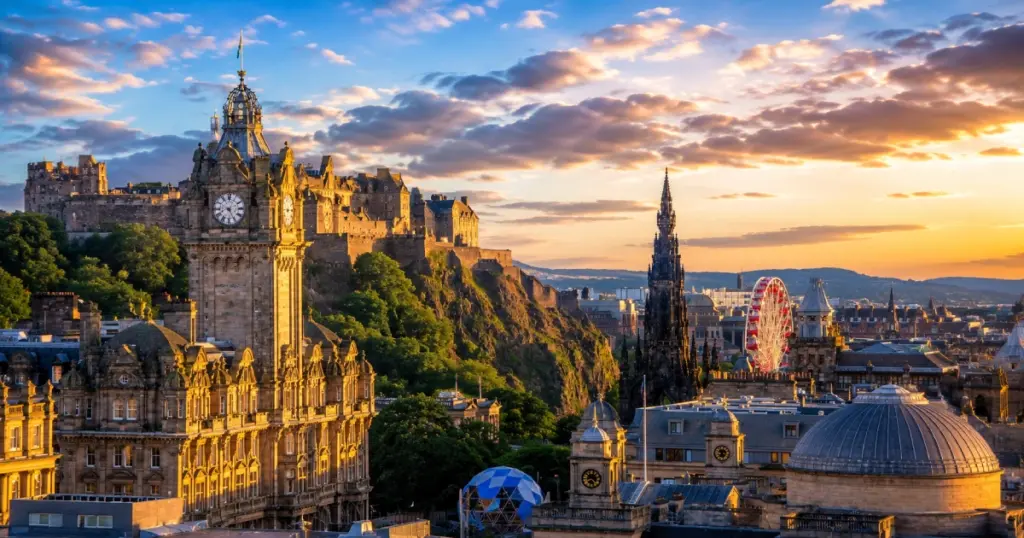
Seven days is enough time to do both destinations genuine justice, particularly for a first-time visitor. London deserves at least three full days to scratch the surface of its extraordinary offering – you could spend a week in the British Museum alone. Scotland, centred on Edinburgh with one or two Highland day trips, fills the remaining four days with landscapes and history unlike anything else in the British Isles. This guide gives you a day-by-day plan built specifically for first-timers: practical, honest, and organised around what is actually worth your time rather than every tourist checkbox on the internet. It covers transport between the two countries, daily budgets, accommodation tiers, seasonal advice, and everything you need to step off the plane and navigate your week with confidence.
Quick Facts – London & Scotland 7-Day Trip:
Route: London (3 nights) → Edinburgh (3 nights) → return to London for departure
London to Edinburgh: 4.5 hrs by LNER train · £30–£60 booked in advance
Alternative: Flight London → Edinburgh · 1 hr · from £25–£50 (EasyJet / Ryanair)
Daily Budget: £60–£90 (budget) · £100–£160 (mid-range) · £180–£280 (comfortable)
Accommodation: Hostels from £25/night · B&Bs from £55 · Hotels from £90
Best Season: May–September (mild, long days) · October for autumn colour
Key Passes: Oyster Card (London), BritRail Pass · Historic Scotland Explorer Pass
Visa Note: Check UK visa requirements for your nationality before booking
How to Structure Your 7 Days – The Recommended Split
The most logical structure for this trip is three nights in London, followed by four nights in Edinburgh (using Edinburgh as a base for Highland day trips). This gives London enough time to cover the headline attractions without feeling rushed, and gives Scotland enough time to breathe – because the Highlands, in particular, are a destination that rewards slow, unhurried travel.
The transition between the two countries is easy and well-served. The LNER train from London King’s Cross to Edinburgh Waverley is the gold standard – it is a scenic, comfortable, 4.5-hour journey that costs as little as £30 if booked a few weeks ahead. The train drops you directly in the heart of Edinburgh city centre at Waverley Station, which sits dramatically below Edinburgh Castle and the Old Town. Flying is faster (1 hour) but adds airport time, transfer cost, and the inevitable security queue, making it only worth it for very early or very late connections.
Day-by-Day Itinerary – Complete Guide
| Day | Location | Focus | Overnight |
|---|---|---|---|
| Day 1 | London | Arrival · Westminster · South Bank · Tower Bridge | London |
| Day 2 | London | British Museum · Covent Garden · West End show | London |
| Day 3 | London + Travel | Greenwich AM · Train to Edinburgh afternoon | Edinburgh |
| Day 4 | Edinburgh | Edinburgh Castle · Royal Mile · Old Town · Grassmarket | Edinburgh |
| Day 5 | Edinburgh + Day Trip | Scottish Highlands day trip (Loch Ness / Glencoe) | Edinburgh |
| Day 6 | Edinburgh Region | Stirling Castle · Loch Lomond · Trossachs National Park | Edinburgh |
| Day 7 | Edinburgh + Departure | Arthur’s Seat morning · flight or train south | Depart |
Day 1 – London Arrival and First Impressions
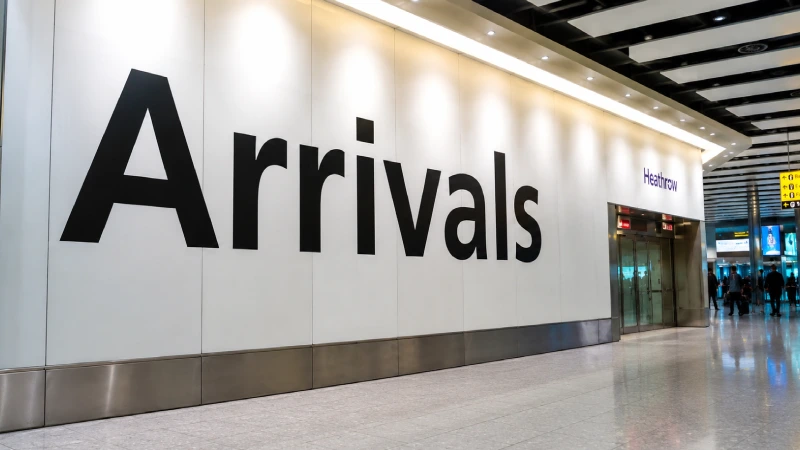
Your first day in London should be built around arrival logistics and a gentle, walkable introduction to the city rather than a punishing list of timed attractions. London rewards wandering – and the area around Westminster, the South Bank, and Tower Bridge can be covered on foot in a single afternoon once you have dropped your bags.
If you land at Heathrow, the Elizabeth line (Crossrail) is the fastest and easiest route into central London – 51 minutes to Paddington and fully integrated with the Underground network. Pick up an Oyster card at the airport or simply tap your contactless bank card: the system automatically calculates the daily fare cap, which is far cheaper than buying individual tickets.
Day 1 – Suggested Plan
Arrive, check in, deposit bags – aim for a hotel or hostel in Westminster, South Bank, or the City for maximum walking access
Westminster Bridge and a view of the Houses of Parliament and Big Ben – one of the world’s great urban views, free from the bridge
Walk along the South Bank towards Tower Bridge – the riverside path passes the Tate Modern, Shakespeare’s Globe, and Borough Market
Tower Bridge – walk across it; the glass floor walkway is worth the small entry fee for first-timers
Evening: Borough Market area for dinner, or head to Covent Garden’s street performers and restaurants
Day 1 London Tips:
- Tap your contactless card on every Tube gate – it is exactly as fast as Oyster and automatically applies the daily cap
- Borough Market is best visited on Thursday, Friday, or Saturday when all stalls are open
- Big Ben scaffolding comes and goes – check current access before planning a specific photo spot
- Keep energy for Day 2 – London fatigue is real; pace yourself on arrival day
Day 2 – London: History, Culture and the West End
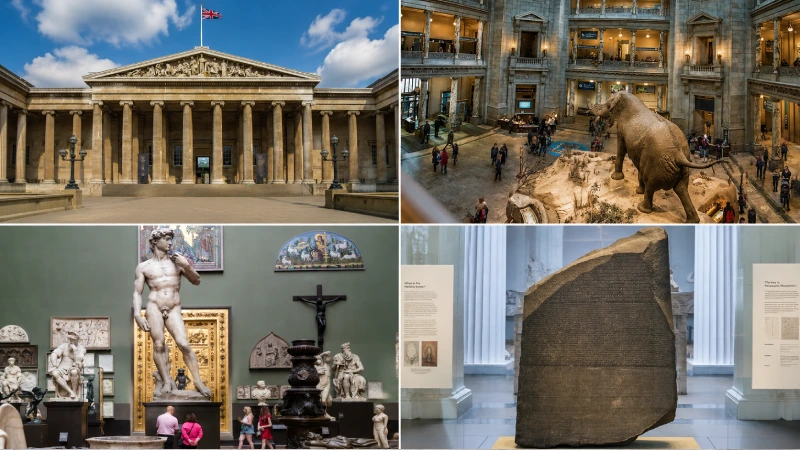
Day 2 is the day to go deep on London’s extraordinary free cultural offer. The British Museum, National Gallery, Natural History Museum, and Victoria & Albert Museum are all free to enter and rank among the finest collections in the world. Spending a focused half-day in one of these institutions is infinitely more rewarding than trying to rush through all four.
For a first-timer, the British Museum is the single most compelling choice – a global collection housed in a spectacular neo-classical building in Bloomsbury. The Rosetta Stone, the Elgin Marbles, Egyptian mummies, and the Lewis Chessmen are all here. Give it three hours minimum and allow yourself to get lost in the side rooms rather than just following the headline exhibits.
Day 2 – Suggested Plan:
- Morning: British Museum (arrive at opening, 10am – less crowded; focus on Rooms 4, 6, and 11 for the highlights)
- Midday: Walk through Bloomsbury and Covent Garden – London’s most theatrical neighbourhood, with street performers, independent shops, and excellent cafes
- Afternoon: Buckingham Palace and St James’s Park – the park walk between the palace and Westminster is one of London’s finest short strolls
- Late afternoon: Kensington or Hyde Park for a rest, or the V&A Museum if you want more culture
- Evening: West End theatre – book tickets in advance or join the TKTS queue on Leicester Square for same-day discounts
West End Theatre Tips for First-Timers:
TKTS booth on Leicester Square sells same-day tickets at up to 50% discount – queue opens at 10am
Top shows book out months ahead – book Hamilton, Les Misérables, Phantom online in advance
Standing tickets for many major productions are available from £5–£20
The Donmar Warehouse and National Theatre offer world-class productions at far lower prices than the commercial West End
Day 3 – Greenwich Morning, Train to Edinburgh Afternoon
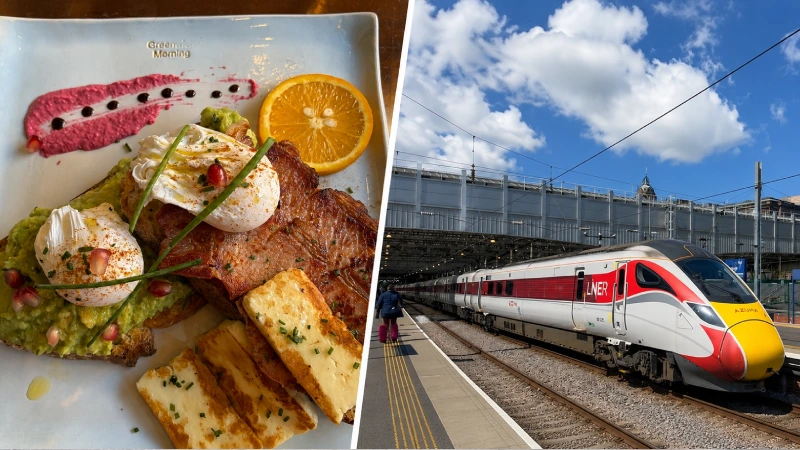
Day 3 is a travel day, but a pleasurable one. Start it in Greenwich – one of London’s most underrated areas and a UNESCO World Heritage Site – before boarding your afternoon train to Edinburgh from King’s Cross. The journey itself is part of the experience: the LNER Azuma train is comfortable, quiet, and offers genuinely scenic stretches as it passes through Northumberland and approaches the Scottish border.
Greenwich is a 30-minute journey from central London on the Elizabeth line or DLR. The Royal Observatory, the Painted Hall at the Old Royal Naval College, the Cutty Sark clipper ship, and the famous Meridian Line are all clustered in a compact, walkable area with excellent Thames views. Spend two to three hours here before heading back to central London for your train.
Day 3 – Suggested Plan:
9:00am: Head to Greenwich via DLR from Bank station
9:30am–12:00pm: Royal Observatory and the Meridian Line (free outside, small fee for telescope rooms) · Painted Hall at Old Royal Naval College · Cutty Sark exterior
12:30pm: Return to central London – collect bags from hotel
2:00–3:30pm: LNER train from London King’s Cross to Edinburgh Waverley (book the specific train in advance – the 2pm–4pm window is ideal, arriving Edinburgh around 6:30pm–7:30pm)
Evening: Walk up the Royal Mile from Waverley Station to get your bearings · dinner in the Grassmarket area
London to Edinburgh – Train Booking Tips:
Book on LNER.co.uk directly – Advance tickets are cheapest, from £30 each way
Book 6–10 weeks ahead for lowest advance fares; last-minute prices can exceed £150
The East Coast mainline is scenic – try to book seats on the right side of the train (heading north) for sea views near Berwick-upon-Tweed
Seat reservations are included with all tickets – no need to pay extra
London King’s Cross to Edinburgh Waverley: station drops you in the heart of Edinburgh’s city center.
Day 4 – Edinburgh: The Old Town, the Castle and the Royal Mile
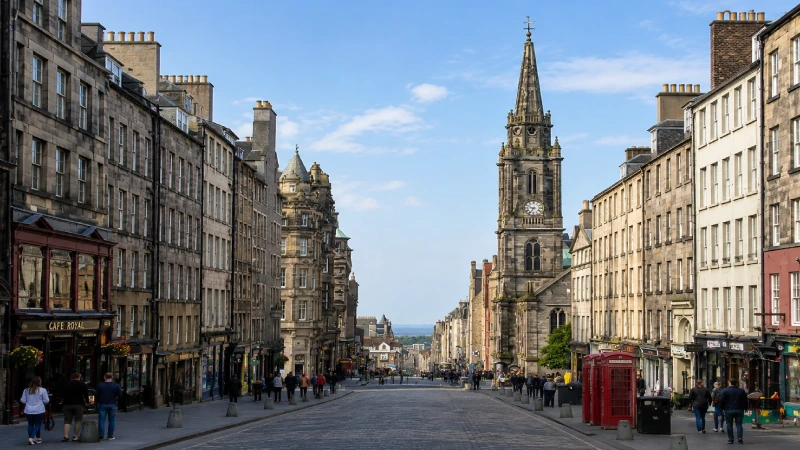
Edinburgh is one of Europe’s most dramatically beautiful cities, built on and around a series of volcanic hills with a medieval Old Town that has changed remarkably little in five hundred years. Day 4 should be entirely devoted to the Old Town – it is compact enough to walk, rich enough to fill a full day, and genuinely unlike anywhere else in the British Isles.
Edinburgh Castle is the undisputed centrepiece – a fortress built on a 700-million-year-old volcanic plug, visible from virtually every part of the city. The Crown Jewels of Scotland, the Stone of Destiny, the Great Hall, and the Scottish National War Memorial are all inside. Tickets should be booked online in advance, particularly in summer, when queues can be very long. Arrive at opening time (9:30am) for the best experience.
Day 4 – Suggested Plan:
9:30am: Edinburgh Castle – allow 2.5–3 hours; do not rush the Scottish Crown Jewels room
12:30pm: Walk the Royal Mile from the castle esplanade down to the Palace of Holyroodhouse – it is one continuous medieval street lined with closes (alleyways), independent shops, and historic buildings
2:00pm: Explore the closes and courtyards off the Royal Mile – White Horse Close and Riddle’s Court are among the most atmospheric
3:30pm: Scottish National Museum (free entry) – excellent on Scottish history, science, and culture; the rooftop terrace has superb city views
Evening: Grassmarket for dinner and drinks – this sunken square below the castle is lined with pubs and restaurants and has genuine Old Town atmosphere
Day 5 – Scottish Highlands Day Trip (Loch Ness and Glencoe)
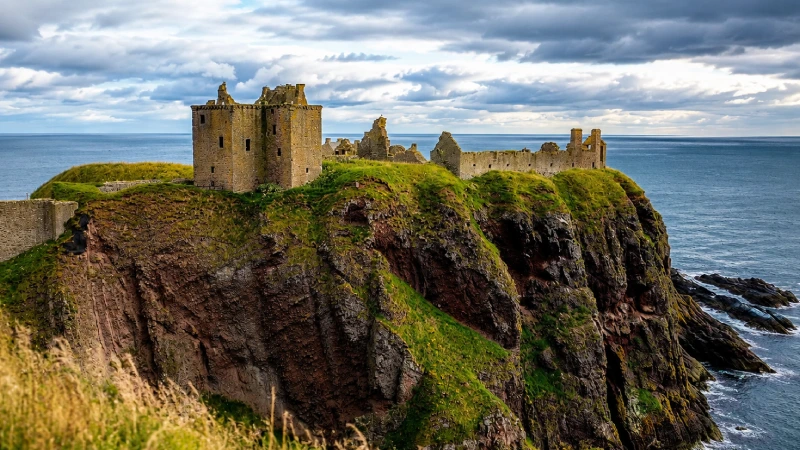
One of the great things about Edinburgh’s location is its proximity to some of Scotland’s most iconic Highland scenery. A full-day tour to Loch Ness, Glencoe, and the surrounding Highlands can be done as a day trip from Edinburgh, returning to the city in the evening. This is not the same as a slow multi-day Highland journey – but it gives a genuine first taste of the landscape that defines Scotland’s identity worldwide.
The most practical option for first-timers without a hire car is a guided day tour from Edinburgh. Rabbie’s Trail Burners and Haggis Adventures are the two most respected operators – both run small-group tours (maximum 16 passengers) in comfortable minibuses with knowledgeable local guides. The standard Loch Ness and Glencoe route covers Pitlochry, the Pass of Drumochter, Loch Ness (and Urquhart Castle ruins on its shore), the dramatic valley of Glencoe, and the return via Rannoch Moor.
Day 5 – Highland Day Trip Options
| Tour / Option | Duration | What’s Covered | Best For | Approx Cost |
|---|---|---|---|---|
| Rabbie’s Loch Ness & Glencoe | 13 hours | Pitlochry, Loch Ness, Urquhart Castle, Glencoe | First-timers, small groups | £55–£75pp |
| Haggis Adventures Day Tour | 12 hours | Loch Ness, Glencoe, Highland stops | Young travellers | £49–£65pp |
| Self-drive Highland Loop | 10–12 hours | Fully flexible, your own pace | Experienced drivers | Hire car £40–£70/day |
| Loch Lomond Day Trip | 8 hours | Closer option, beautiful loch scenery | Time-limited visitors | £35–£50pp |
Highlands Day Trip Tips:
Book guided tours at least 2–3 days ahead in summer – they sell out quickly
Bring waterproofs regardless of the forecast – Highland weather changes in minutes
Pack snacks; lunch stops on full-day tours are often brief
Urquhart Castle on Loch Ness requires a separate Entry ticket (around £10) – budget for this
The scenery of Glencoe is genuinely breathtaking – have your camera ready for the valley entrance
Day 6 – Stirling Castle, Loch Lomond and the Trossachs
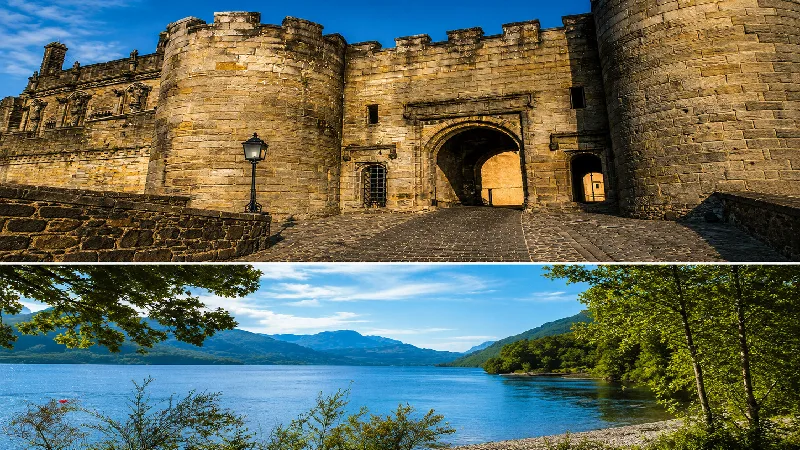
Day 6 offers a slightly different flavour of Scotland – the border country between the Lowlands and Highlands, accessible via a different day trip route that takes in Stirling Castle, the bonnie banks of Loch Lomond, and the Trossachs National Park. This route is often less crowded than the Loch Ness circuit and gives a more varied landscape experience.
Stirling Castle is arguably Scotland’s most historically significant fortress – it was the childhood home of Mary, Queen of Scots; the site of several decisive battles for Scottish independence; and a royal palace rivalling Edinburgh’s own castle in its architectural grandeur. The views from Stirling’s esplanade, looking south across the Forth Valley, are extraordinary. Unlike Edinburgh Castle, Stirling’s queues are typically more manageable, particularly on weekdays.
From Stirling, the drive north and west into the Trossachs brings you into the landscape that inspired Rob Roy and Sir Walter Scott’s poetry. Loch Lomond, the largest freshwater loch in Great Britain, sits on the western edge of the Trossachs National Park and is easily accessible from several small villages along its shores. Luss and Balmaha are the most scenic and well-connected for day visitors.
Day 6 – Suggested Plan
9:00am: Depart Edinburgh towards Stirling by bus or train (50 minutes)
10:00am–12:30pm: Stirling Castle – allow 2 hours; the Great Hall and the Stirling Heads royal portrait room are highlights
1:00pm: Drive or take a tour bus west towards Loch Lomond
2:30pm–5:00pm: Loch Lomond shoreline – Luss village for the best views · short boat trip on the loch if time allows
Return to Edinburgh by 7:30pm for final evening dinner
Day 7 – Arthur’s Seat and Departure
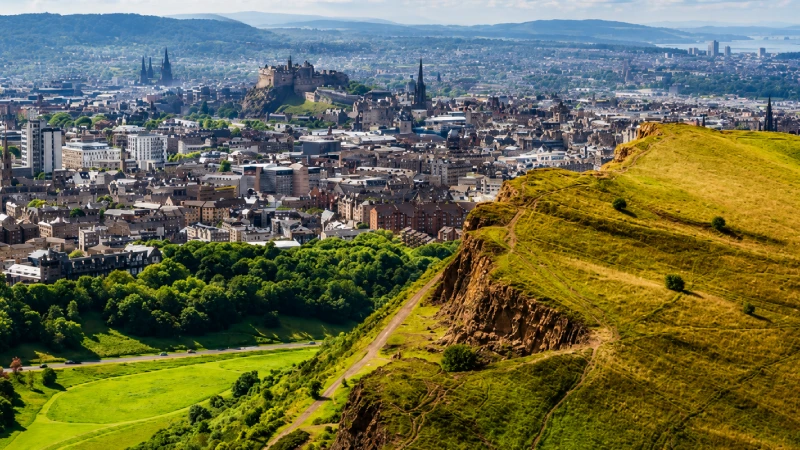
Day 7 is departure day, but do not let that stop you from seeing one of Edinburgh’s most rewarding and completely free experiences. Arthur’s Seat – the ancient volcano at the heart of Holyrood Park, just a 15-minute walk from Edinburgh city centre – offers a moderately challenging 45-minute hike to the summit, rewarded with a 360-degree panorama that stretches across the entire city, the Firth of Forth, and on clear days, far into the Highlands beyond.
The hike is accessible to most reasonably fit travellers in standard walking shoes. Allow 1.5 hours round trip from the park entrance, including time at the top to take it all in. Start early (7:30am–8:00am) to catch the morning light and avoid the crowds that build from 9:30am onwards, particularly in summer.
After Arthur’s Seat, collect your bags from your accommodation and make your way to Edinburgh Airport (Airlink 100 bus, 25 minutes from Princes Street) or Edinburgh Waverley Station for the train back to London for onwards international departures.
Day 7 – Suggested Timetable
7:30am: Begin Arthur’s Seat hike from Holyrood Park gates
9:00am: Return to city centre – breakfast at a Royal Mile café or Grassmarket
10:30am: Check out of accommodation
11:30am: Head to Edinburgh Airport (Airlink bus from Princes Street) or Waverley Station
Afternoon: Flight to onward destination or LNER train back to London Heathrow / Gatwick area
Practical Information – Transport, Budget and Accommodation
Getting Around London
London’s public transport network is one of the best in the world and the cheapest way to navigate the city. The Underground (the Tube), buses, the Elizabeth line, Overground, and the DLR all accept Oyster cards and contactless payment. The daily fare cap means you never pay more than £8.10 per day (Zone 1–2), regardless of how many journeys you make – making it excellent value for a sightseeing day of multiple journeys. Do not buy single paper tickets; they are significantly more expensive and pointless when every card reader in the city accepts contactless.
Getting from London to Edinburgh
| Option | Journey Time | Cost | Pros | Cons |
|---|---|---|---|---|
| LNER/Avanti Train | 4.5 hrs | £30–£90 | Scenic, city centre to city centre, no airport faff | Book ahead for best prices |
| EasyJet / Ryanair | 1-hr flight | £25–£80 | Fastest option | Add airport time = 4 hrs total |
| National Express Bus | 9–10 hrs | £15–£35 | Cheapest option | Long journey time |
| Hire Car | 5–6 hrs | £60–£100/day | Flexible, enables Highland stops | Parking expensive in both cities |
Getting Around Edinburgh
Edinburgh’s Old Town is almost entirely walkable – the castle, the Royal Mile, Grassmarket, Holyrood Park, and the Scottish National Museum are all within a 20-minute walk of each other. For the New Town, Leith, and wider city destinations, Lothian Buses operates a comprehensive network at £1.80 per single journey. The Edinburgh Tram connects the airport to the city centre in 25 minutes. Unlike London, there is no underground metro – which actually works in Edinburgh’s favour for tourists, because the topography of the city is best understood at street level.
Where to Stay – Accommodation Guide
| Type | London Price Range | Edinburgh Price Range | Best Areas | Best For |
|---|---|---|---|---|
| Hostel (dorm) | £25–£40/night | £20–£35/night | London: Southwark, Kings Cross. Edinburgh: Old Town | Solo budget travellers |
| Budget B&B | £70–£110/night | £55–£90/night | London: Paddington, Victoria. Edinburgh: New Town | Couples, solo mid-budget |
| 3-Star Hotel | £100–£160/night | £85–£130/night | London: Covent Garden. Edinburgh: Royal Mile area | Most first-timers |
| 4-Star Hotel | £160–£280/night | £130–£220/night | London: Mayfair, South Bank. Edinburgh: George St | Comfortable travellers |
| Boutique Hotel | £200–£400+/night | £150–£350/night | London: Shoreditch. Edinburgh: Stockbridge | Special occasion trips |
Things to Watch Out For – First-Timer Warnings
Do NOT buy single-use Tube tickets in London – always use contactless or Oyster
Edinburgh Castle gets extremely busy in summer – book tickets online at least 2–3 days ahead
Do NOT assume Highland day trips go to the same places – check itineraries carefully before booking
London hotel prices near major events (Wimbledon, Notting Hill Carnival) spike sharply – check calendar
Scottish weather is unpredictable year-round – always pack a waterproof layer regardless of the forecast.
Do NOT leave the Highlands day trip to chance – book guided tours well ahead in July and August
Best Time to Do This Trip
The London and Scotland itinerary works in every season, but each time of year brings a distinct character. The choice depends on your priorities around weather, crowds, and cost.
| Season | Months | London | Edinburgh + Highlands | Verdict |
|---|---|---|---|---|
| Spring | March–May | Mild, blooming parks, moderate crowds | Fewer crowds, dramatic weather, some snow on Highland peaks | Excellent – good value, comfortable |
| Summer | June–August | Warm, long days; very busy; priciest | Peak season, long evenings, Highland midges | Best weather, most expensive |
| Autumn | September–October | Comfortable, less crowded, golden light | Spectacular autumn colour, cooler, fewer tourists | Best overall value + scenery |
| Winter | November–February | Cold, quieter, Christmas markets Dec | Very cold, some Highland sites closed, atmospheric | Budget-friendly, limited daylight |
READ MORE: Best US National Parks for Families – Ranked by Kid-Friendliness
Conclusion
A 7-day London and Scotland itinerary is not just a holiday it is a proper crash course in two of the most historically and culturally rich destinations in the world. From standing on Westminster Bridge watching the Thames roll past the Houses of Parliament, to catching your first glimpse of Edinburgh Castle rising above the morning haar, to the raw silence of Glencoe on a clear Highland morning, this trip delivers a sequence of genuinely unforgettable moments.
The key to making it work in seven days is planning ahead – Edinburgh Castle tickets, Highland tour bookings, and the London-to-Edinburgh train are all things that reward early organization. Beyond those anchors, give yourself permission to slow down and wander. Some of the best moments in both cities happen not at the listed sights but in the side streets, the pubs, the parks, and the conversations that happen when you are not staring at a map. First-timers leave this trip wanting to come back – not because they missed things, but because both London and Scotland have a depth that reveals itself gradually. That is, perhaps, the best sign that a destination is truly worth the journey.
Frequently Asked Questions
Q1. Is 7 days enough for both London and Scotland?
Seven days is enough for a genuine first-timer experience of both destinations – three days in London covers the major highlights without feeling rushed, and four days in Edinburgh (including one or two day trips) gives a solid introduction to Scotland. You will not see everything – no one ever does in either place – but you will leave with a real sense of both cities and the country between them. If you can extend it to 10 days, splitting it into four days in London and six days in Scotland is even better.
Q2. Should I fly or take the train from London to Edinburgh?
For most travellers, the train is the better option. The LNER service from London King’s Cross to Edinburgh Waverley takes 4.5 hours, drops you in the city center, and costs as little as £30 each way when booked in advance. When you factor in airport check-in time, security, the flight itself, baggage reclaim, and the transfer from Edinburgh Airport to the city center, the total door-to-door time for flying is often 3.5–4 hours anyway, while the train journey is far more comfortable, scenic, and stress-free.
Q3. Do I need a car for the Scottish Highlands?
Not for this particular 7-day itinerary. Edinburgh-based guided day tours (Rabbie’s and Haggis Adventures) cover the main Highland highlights, including Loch Ness and Glencoe, comfortably without a hire car. A car becomes valuable if you want to spend more than one day in the Highlands or explore the North Coast 500 route, but for a first-timer on 7 days, guided day tours are the more practical, stress-free option.
Q4. What is the best area to stay in London for first-timers?
Westminster, South Bank, or Covent Garden are the most convenient bases for first-time visitors – all three are central, well-connected by the Tube, and within walking distance of the main attractions. South Bank in particular offers excellent value and a lively atmosphere. Shoreditch and Clerkenwell are good options for travelers who want a slightly younger, more independent neighborhood feel while remaining central.
Q5. What is the best area to stay in Edinburgh?
The Old Town is the most atmospheric choice – staying within walking distance of the Royal Mile means you are in the heart of Edinburgh’s medieval quarter and a short walk from everything. The New Town (north of Princes Street) is slightly less touristy and has excellent restaurants and independent shops. Leith is Edinburgh’s waterfront neighborhood, farther from the main sights but increasingly vibrant with its own food and arts scene.
Q6. Do I need to book Edinburgh Castle in advance?
Yes, especially between May and September. Edinburgh Castle is Scotland’s most visited paid attraction, and queues without a pre-booked ticket can be 45–60 minutes long in summer. Booking online in advance guarantees entry at your chosen time slot, usually saves a small amount on the ticket price, and means you can plan the rest of the day around your castle visit confidently. The castle opens at 9:30am – always aim for the first or second time slot for the best experience.


