
Japan 7-Day Itinerary: The Complete Tokyo, Kyoto, and Osaka Route

Seven days keeps coming up as the sweet spot for a first trip to Japan, and once you actually plan one, it’s easy to see why. It’s enough time to properly feel Tokyo’s scale, sit with Kyoto’s temples rather than rushing past them, and still catch Osaka’s food scene before flying home. It’s also short enough that you’re not forced to choose between depth and breadth the way a longer, more ambitious itinerary sometimes demands.
This guide lays out a realistic week following what’s become known as the Golden Route, Tokyo, Kyoto and Osaka, day by day, along with current 2026 costs and some honest advice about the Japan Rail Pass that a lot of older guides haven’t caught up with yet.
Why This Route Keeps Winning
Tokyo, Kyoto, and Osaka sit close enough together that a single Shinkansen ride connects the whole trip while still delivering three genuinely different versions of Japan. Tokyo gives you the modern energy, neon, scale, and a food and shopping scene that rewards wandering without much of a plan. Kyoto slows things down considerably, with temples, shrines, and traditional streets that reward patience over speed. Osaka closes the loop with a livelier, food-obsessed atmosphere that feels distinctly different from either of the other two cities, despite sitting less than twenty minutes away from Kyoto by train.
Following this route also means you skip the logistical headache of backtracking. Flying into Tokyo and out of Osaka, or vice versa, keeps the whole week moving in one direction rather than doubling back on yourself partway through.
Day 1: Arrival And Settling Into Tokyo
Most international flights land in the afternoon or evening, so keep this first day light. Get to your hotel, drop your bags, and use the evening for an easy first taste of the city rather than anything demanding. Shinjuku or Shibuya both work well for this, with neon signs, crowded crossings, and enough restaurants nearby that finding dinner takes zero planning.
If jet lag has you up early the next morning, a quick walk through a quieter neighborhood before the city fully wakes up is a nice, low effort way to start feeling oriented before the busier days ahead.
Day 2: Tokyo’s Traditional Side
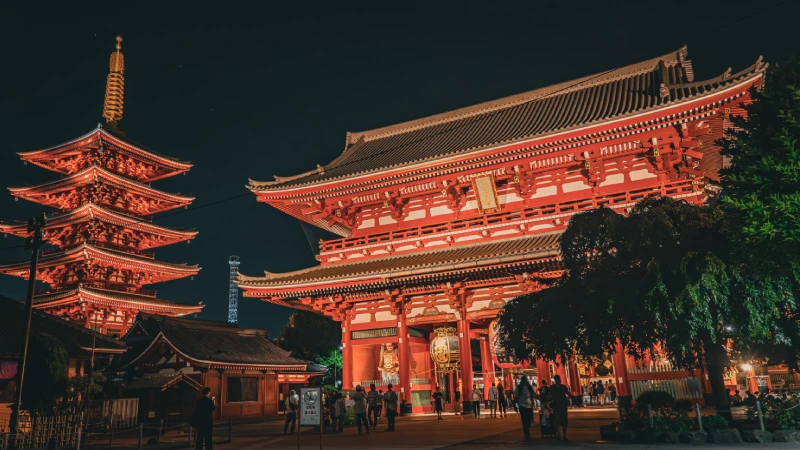
Spend today in Asakusa, home to Senso-ji, Tokyo’s oldest and most visited temple, and the surrounding Nakamise shopping street leading up to it. The whole area moves at a slower pace than the rest of the city and gives a useful contrast before Tokyo’s more modern districts take over the rest of the trip.
In the afternoon, head to Akihabara for its electronics and anime culture, or Ueno Park if a museum or a quieter green space appeals more. Evening is a good time for a visit to Tokyo Skytree or Tokyo Tower, both offering city views that are genuinely worth seeing lit up after dark.
Day 3: Shibuya, Harajuku And Modern Tokyo
Dedicate today to Tokyo’s more contemporary side. Harajuku’s Takeshita Street delivers Tokyo’s youth fashion culture at full volume, while the nearby Meiji Shrine, tucked into genuinely dense forest just steps from the chaos outside, offers a striking contrast within a few minutes’ walk. Shibuya Crossing, the famously chaotic pedestrian intersection, is worth experiencing both during the day and after dark, since the crowd and the lighting change the whole feel of the spot.
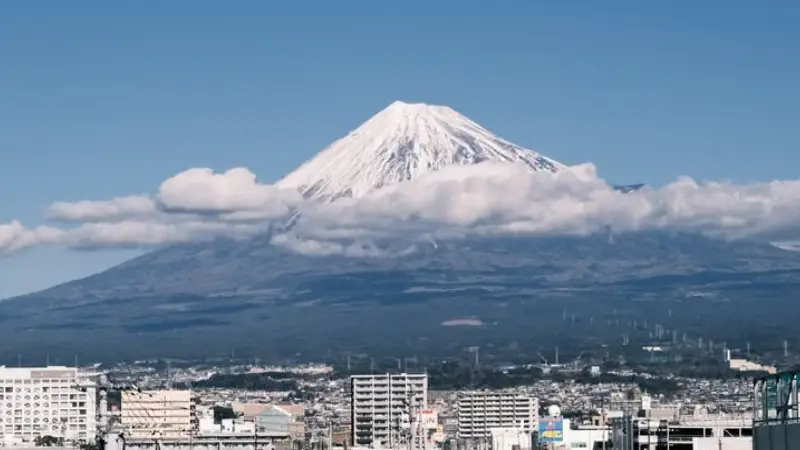
If you’d rather spend a full day trip outside the city instead, this is the natural point in the week to swap it in. Mount Fuji and the Hakone region, roughly two hours from central Tokyo, offer lake views, hot springs and, on a clear day, genuinely striking views of the mountain itself, making for a worthwhile substitute if a change of pace from city sightseeing appeals.
Day 4: The Bullet Train To Kyoto
This is the day the trip’s single big transport cost comes due: the Shinkansen from Tokyo to Kyoto, taking around two hours and fifteen minutes and covering the country’s most scenic and useful high-speed rail corridor. Leave Tokyo in the morning, and you’ll have a genuine half day in Kyoto once you arrive.
Use the afternoon for Kiyomizu-dera, one of Kyoto’s most iconic temples, perched on a hillside with sweeping city views, followed by a wander through the nearby Higashiyama district’s preserved streets and traditional shops.
Day 5: Kyoto’s Shrines And Bamboo
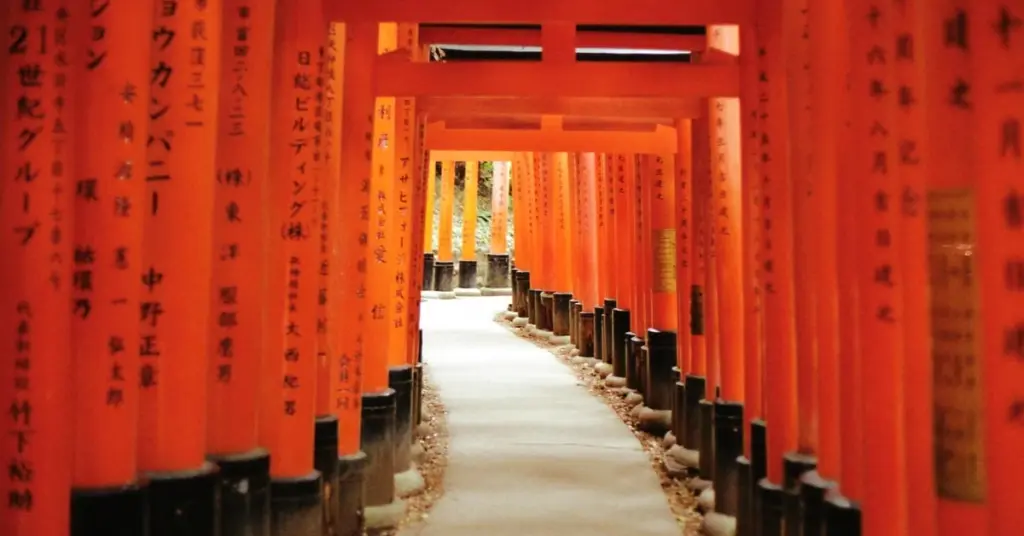
Start early at Fushimi Inari Shrine, famous for its thousands of vermillion torii gates climbing the mountainside behind the main shrine buildings. Arriving before the tour buses does more for the experience here than almost any other single piece of timing advice in this itinerary, since the gates photograph and feel completely different once the crowds thicken through mid-morning.
In the afternoon, head to Arashiyama for its bamboo grove, one of the most photographed spots in the entire country, then continue on to explore the smaller temples scattered through the surrounding hills. In the evening, Gion, Kyoto’s historic geisha district, rewards a slow walk through its lantern-lit lanes, particularly around dusk when the atmosphere shifts noticeably from its daytime version.
Day 6: Nara Day Trip
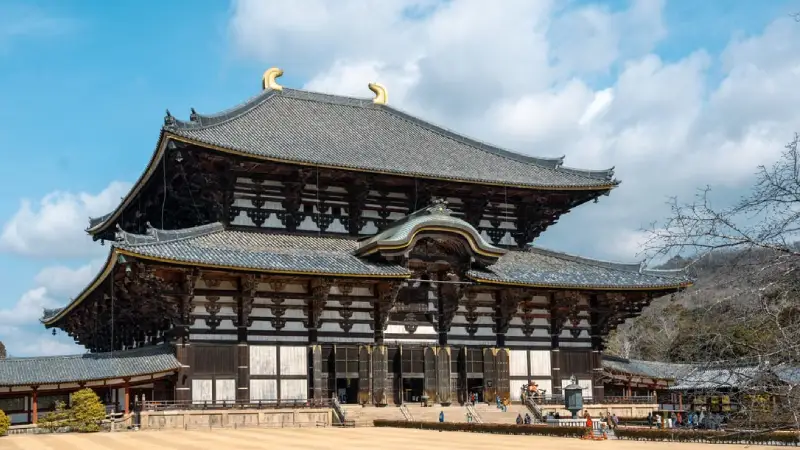
Nara sits close enough to Kyoto, about forty-five minutes by train, that a day trip here fits naturally into the week without demanding a hotel change. Nara Park’s free-roaming deer, genuinely tame enough to approach and feed with crackers sold throughout the park, are the main draw, alongside Todai-ji Temple, home to one of the largest bronze Buddha statues in the world.
Return to Kyoto or continue directly on to Osaka in the evening depending on your accommodation plans, since Nara sits conveniently between the two.
Day 7: Osaka And Departure
Close out the week in Osaka, a city that trades Kyoto’s quiet reverence for considerably more energy and noise. Dotonbori, the neon-lit canal-side district, comes alive after dark and delivers some of the country’s best street food, takoyaki and okonomiyaki chief among them, alongside a genuinely photogenic backdrop of oversized illuminated signs.
If your flight allows for it, Osaka Castle is worth a morning visit before an afternoon departure, offering both history and a decent city view from its upper floors. Otherwise, a slower final morning revisiting a favorite spot from the trip, or simply a last unhurried meal, tends to be a better use of remaining time than squeezing in one more major sight.
Do You Actually Need The JR Pass
This is where a lot of older Japan guides give advice that’s genuinely out of date. Before October 2023, the Japan Rail Pass was close to an automatic purchase for any trip involving a Tokyo to Kyoto round trip, since the pass cost less than the return Shinkansen fare alone. That math changed dramatically when JR Group raised prices by roughly seventy percent. The 7-day Ordinary pass now runs 50,000 yen, and for the exact itinerary in this guide, a single one-way Tokyo to Kyoto Shinkansen ticket plus a handful of local Kyoto, Nara, and Osaka train fares typically adds up to considerably less than the pass price.
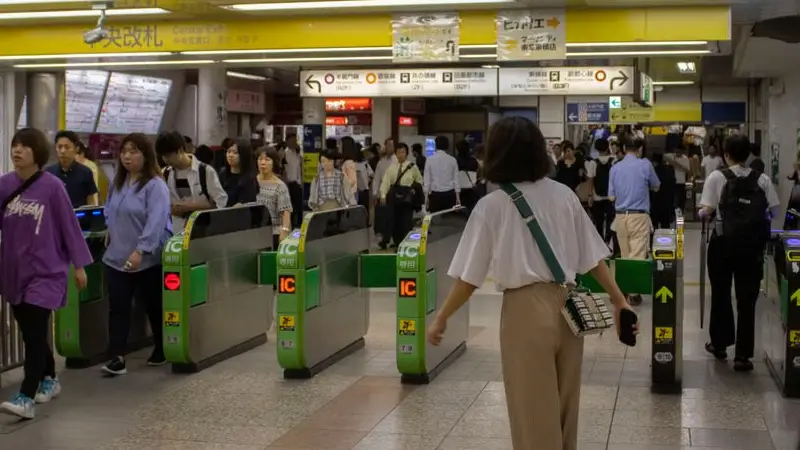
For this specific 7-day route, most travelers come out ahead buying individual tickets and relying on a rechargeable IC card, Suica or Pasmo, for local trains, subways, and buses instead. The pass becomes worth it again if you’re adding extra Shinkansen legs beyond this core route, a side trip to Hiroshima, for instance, or multiple long-distance rides rather than the single Tokyo to Kyoto journey this itinerary is built around. Either way, an IC card is worth picking up regardless of whether you buy the JR Pass, since it covers subway and private railway lines that the JR Pass doesn’t include at all. For current pricing before you commit either way, the official Japan Rail Pass website lists up-to-date fares directly from JR Group.
What This Trip Actually Costs
Budget travelers should plan for somewhere between eight hundred and twelve hundred US dollars for the week, covering accommodation, food, local transport, and the one Shinkansen leg, not including international flights. This assumes hostel dorms or budget guesthouses and a mix of convenience store meals and casual restaurants. Mid-range travelers prioritizing private hotel rooms and a wider mix of sit-down meals should budget closer to fifteen hundred to twenty-five hundred dollars for the same week.
Daily cash on hand matters more in Japan than in a lot of destinations, since plenty of smaller restaurants, shrines, and vending machines still don’t accept cards. Carrying the equivalent of sixty-five to one hundred dollars in yen per day covers this comfortably alongside whatever you’re paying digitally elsewhere.
When To Take This Trip
January through February and late May into mid-June both offer a genuinely strong combination of lower prices and thinner crowds compared to the rest of the year. Late March through April brings cherry blossoms but also the year’s biggest crowds and highest prices, and Golden Week, that late April to early May holiday stretch, along with Obon in mid-August and the New Year period, are all worth actively avoiding if crowds and cost are a priority over hitting a specific seasonal highlight.
Packing And Practical Notes
Comfortable walking shoes matter more for this itinerary than almost anything else you’ll pack, given how much ground a week covering three cities on foot and by train actually involves. A day bag with a portable charger is worth carrying daily, since phone use for maps, translation, and train navigation adds up fast. Layered clothing works well regardless of season, since temperature swings between indoor spaces, train platforms, and outdoor sightseeing can be more noticeable than expected.
Given how many prepaid components a trip like this involves flights, the Shinkansen leg, hotels across three cities, and travel insurance covering trip interruption and cancellation is it worth arranging before you fly, particularly since a missed connection or a delayed flight partway through a tightly scheduled week can cascade into losing time in a city you won’t get back before departure?
Eating Your Way Through The Week
Food genuinely shifts character across all three cities, and it’s worth treating each stop as its own distinct eating itinerary rather than expecting the same experience everywhere. Tokyo offers the widest range, from standing sushi counters and ramen shops tucked into narrow alleys to izakaya-style small plates best shared across a table. Kyoto leans toward refined, seasonal kaiseki-style dining and traditional sweets, matcha desserts in particular, that pair naturally with the city’s slower, more contemplative pace.
Osaka earns its reputation as Japan’s kitchen honestly, and it’s worth arriving hungry specifically for Dotonbori’s street food, takoyaki, octopus balls cooked to order, and okonomiyaki, a savory grilled pancake that varies noticeably by region. Convenience stores throughout the trip, far better than their reputation elsewhere suggests, are a genuinely solid option for a quick, cheap meal between sightseeing stops, and they’re worth using without any hesitation when time is tight.
A few etiquette basics are worth knowing throughout the week regardless of city. Tipping isn’t expected anywhere in Japan and can occasionally cause confusion if offered, slurping noodles is considered normal rather than rude, and eating while walking is generally frowned upon outside of festival settings, so finding a spot to actually stop and eat street food is the polite default.
Final Thoughts
A week following Tokyo, Kyoto, and Osaka delivers exactly the kind of first impression that turns a single trip to Japan into the first of several. Keep the pace realistic: three days in Tokyo, two focused days in Kyoto with Nara folded in, and a proper night in Osaka before flying home, and the country does the rest of the work on its own. Skip the automatic JR Pass purchase unless your route genuinely calls for it, keep some cash on hand, and leave a little room in each day for the parts of the trip that don’t show up on any itinerary: a quiet side street, an extra bowl of ramen, and the kind of moment that ends up being what you actually remember once you’re home.
Frequently Asked Questions
Is 7 days enough for a first trip to Japan?
Yes, it’s widely considered the ideal length for a first visit, covering Tokyo, Kyoto and Osaka without feeling rushed, though it won’t stretch to destinations like Hiroshima or Hokkaido, which need a longer trip.
Is the JR Pass worth it for a Tokyo Kyoto Osaka trip?
For this specific route with just one Shinkansen leg, usually not since the 2023 price increase. It becomes worth considering again if you’re adding extra long-distance train journeys beyond this core itinerary.
How much does a 7-day Japan trip cost?
Budget travelers should plan for roughly eight hundred to twelve hundred dollars for the week excluding flights, while mid-range travelers should budget fifteen hundred to twenty-five hundred dollars for the same period.
What is the best time of year for this itinerary?
January through February and late May into mid-June offer the strongest combination of lower prices and thinner crowds, while cherry blossom season and Golden Week bring the highest costs and biggest crowds.
Do I need cash in Japan, or can I rely on cards?
Carry cash regardless, since many smaller restaurants, shrines, and vending machines still don’t accept cards. Sixty-five to one hundred dollars in yen per day is a reasonable amount to keep on hand.
Should I fly into Tokyo and out of Osaka, or return to Tokyo?
Flying into Tokyo and out of Osaka avoids backtracking and matches the natural flow of this itinerary, though flying round trip through Tokyo works fine too if your flight options make that easier.


