
13 Most Beautiful Places in Australia To visit in 2026

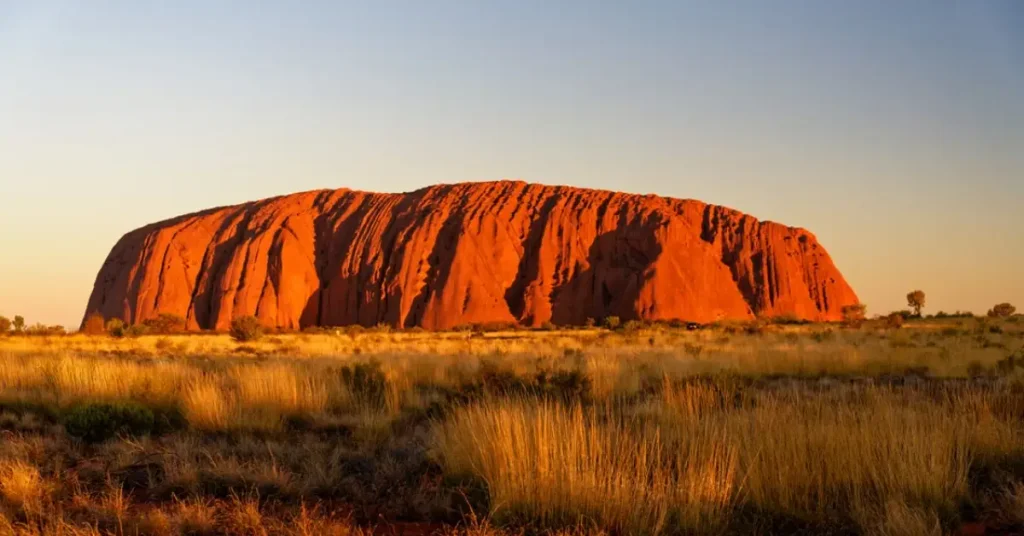
I still remember the first time I watched the sun go down over Uluru, mostly because it took me a while to understand why so many people bother crossing the entire planet just to see a rock turn red for twenty minutes. Then it actually happened, the color shifting from orange to deep crimson to something closer to burgundy, and I got it immediately.
That’s sort of the whole story of Australia in miniature. Everyone half expects it to be overhyped, and then the country just quietly proves them wrong, one genuinely jaw-dropping place at a time.
With something like twenty-five thousand miles of coastline, alpine peaks, ancient rainforest, and a red desert interior the size of a small continent on its own, narrowing this list down was genuinely difficult.
Here’s where I landed, pulled together from what’s actually getting recommended right now alongside the places I’d send anyone lucky enough to be planning an Australia trip.
14 Most Beautiful Places in Australia to visit
1. Uluru And The Red Centre
Uluru anchors this list for a reason that has nothing to do with hype. The monolith rises straight out of a flat desert with no warning, no foothills easing you into it, and the Anangu people’s connection to this land runs back tens of thousands of years, which you feel even before a guide explains any of the specific stories tied to the rock.
Sunrise and sunset both transform it completely, and watching that color shift with the nearby Kata Tjuta formations in view too is genuinely one of the most humbling things I’ve experienced anywhere.
2.The Great Barrier Reef
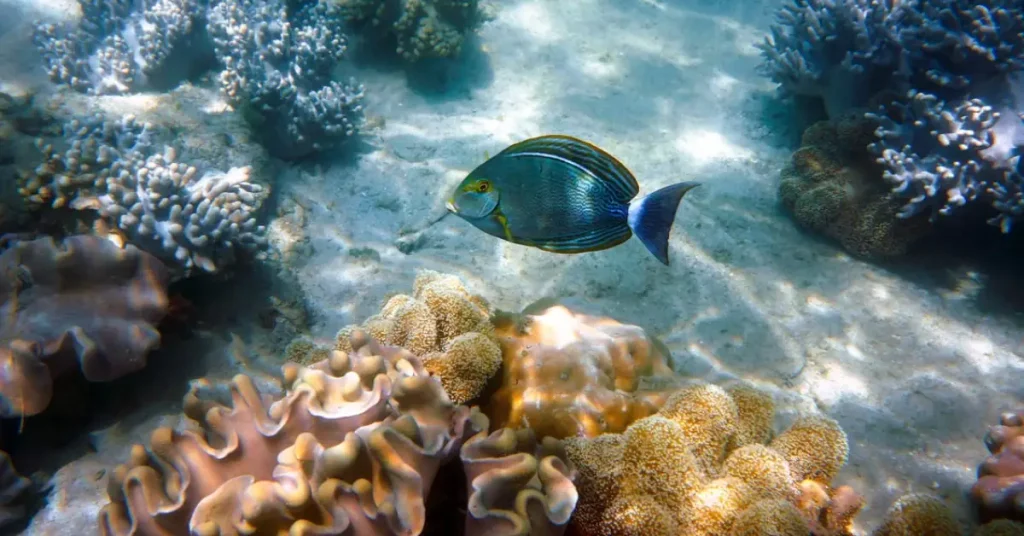
Some places carry so much reputation that they can’t possibly live up to it, and I went into the Great Barrier Reef half expecting exactly that letdown. It didn’t happen. This is the largest coral reef system on the planet, visible from space, and slipping into the water above it delivers a version of underwater color and life that genuinely doesn’t exist anywhere else I’ve been.
Cairns and Port Douglas both work as bases, and it’s worth timing a visit around the health of specific reef sections, since conditions do shift year to year.
3.The Whitsundays And Whitehaven Beach
Seventy-four islands, most of them uninhabited, sit scattered through the Whitsundays off Queensland’s coast, and Whitehaven Beach is the one that ends up on nearly every Australia list for good reason.
The sand here is famously pure silica, fine enough that it stays cool underfoot even in full sun, and the view from Hill Inlet Lookout, where the white sand swirls into turquoise water in patterns that shift with the tide, is one of the most photographed sights in the entire country. Airlie Beach makes the obvious base for exploring the wider island group by boat.
4.The Great Ocean Road
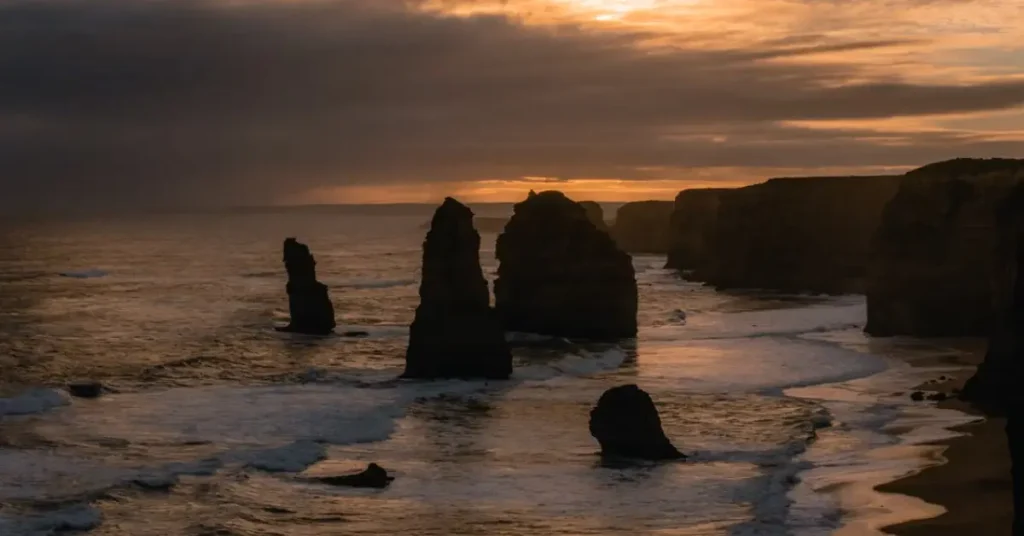
Victoria’s Great Ocean Road is the drive people picture when they picture Australian coastline, and the Twelve Apostles, limestone stacks rising straight out of the ocean, are the reason most people make the trip.
They’re genuinely breathtaking at sunset specifically, when the light turns the whole scene gold before shifting to something moodier. Loch Ard Gorge nearby carries real shipwreck history worth reading up on before you arrive, and the drive itself, starting from the surf town of Torquay and running through to Apollo Bay, delivers koalas dozing in roadside eucalyptus trees and kangaroos at dusk without much effort required to spot them.
5.Tasmania’s Wild Interior
Tasmania rarely gets mentioned in the same breath as the mainland’s headline destinations, and that’s genuinely a mistake. Cradle Mountain rises above Dove Lake in a view that barely needs the reflection in still water to look staged, though it usually has that too.
Wombats, echidnas, and even the occasional Tasmanian devil turn up along the park’s trails, and the Overland Track rewards serious hikers with several days of genuinely wild alpine scenery most visitors to Australia never see.
The Bay of Fires, on Tasmania’s east coast, has been crowned the country’s best beach in recent polling, and it’s easy to see why once you’re standing on it, white sand meeting water so clear it barely looks real, all set against boulders stained a striking burnt orange by centuries of lichen growth.
Freycinet National Park’s granite peaks round out a genuinely strong case for building an entire trip around this one island alone.
6.Kangaroo Island
South Australia’s Kangaroo Island earns its name honestly, and the wildlife here goes well beyond its namesake marsupial. Seal Bay lets you walk among a colony of wild sea lions with a guide, koalas doze in the island’s eucalyptus groves in numbers that make sightings almost guaranteed, and the island’s rugged southern coastline, particularly around the wind- and wave-carved Remarkable Rocks, delivers scenery dramatic enough to rival anywhere else on this list.
Flinders Chase National Park, covering much of the island’s western end, adds dense bushland and a genuinely isolated, unhurried feel that’s increasingly hard to find on Australia’s more heavily visited coastline.
7.The Blue Mountains
Just ninety minutes from Sydney, the Blue Mountains deliver a completely different kind of beauty from the coastline most visitors associate with the city. Eucalyptus oil in the air gives the ranges their genuine blue tinge when viewed from a distance, and the Three Sisters rock formation, along with the valley views from Echo Point, are worth the drive on their own.
Leura, the region’s prettiest small town, adds manicured gardens and a genuinely charming main street if you want to make a full day of it rather than a quick lookout stop.
8.Daintree Rainforest
The Daintree, in tropical North Queensland, holds the distinction of being the point where genuinely ancient rainforest meets the reef directly, one of the only places on the planet where two such significant World Heritage ecosystems sit side by side.
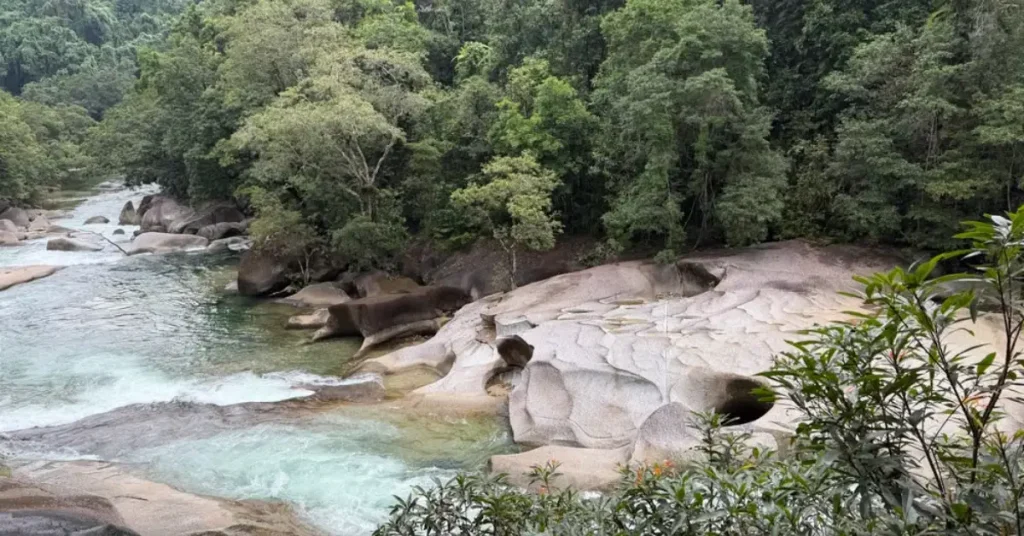
It’s home to more strange, striking wildlife than almost anywhere else in the country, and falling asleep at a rainforest campground to the sound of kookaburras is a genuinely different kind of Australian experience from anything the coastline offers.
9.Broome and the Kimberley Coast
Broome, way up in Western Australia’s remote north, trades in a color palette genuinely unlike anywhere else in the country. Gantheaume Point delivers the signature shot, deep red pindan cliffs crashing straight into turquoise sea, with dinosaur footprints hidden in the rust-colored rock at low tide for anyone willing to time a visit around the right conditions.
Cable Beach, a fourteen-mile ribbon of white sand, is famous for camel trains plodding along the shore against a full fireball sunset, an image that somehow still manages to look unreal even once you’ve seen it in person.
10.Esperance And Lucky Bay
Esperance, tucked into Western Australia’s south coast, is a genuine hike to reach from anywhere, and every person I’ve spoken to who’s made the effort says it was completely worth it. Lucky Bay regularly gets crowned as having some of the whitest sand in the entire country, and it comes with a fittingly strange bonus, kangaroos that lounge directly on the beach like they’ve always owned the place.
The Great Ocean Drive scenic loop and a nearby pink-tinged salt lake round out a coastline that’s a genuine contender for the most beautiful in Australia, with a remote location and all.
11.Rottnest Island
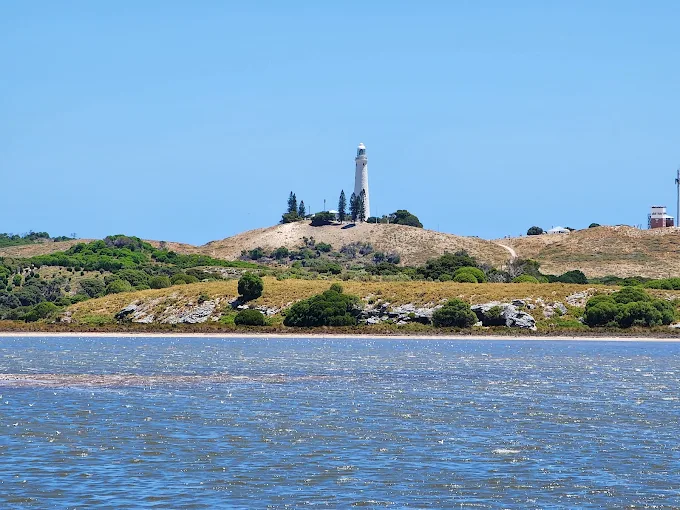
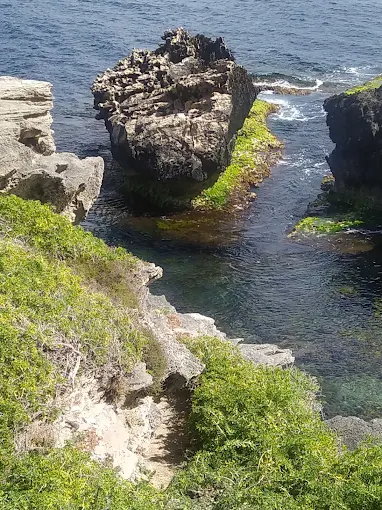
Just a short ferry ride from Fremantle, Rottnest Island has picked up serious international attention lately, landing on global best places to visit lists for 2026 specifically. Car-free roads, protected beaches, and the island’s famously smiling quokkas, small, friendly marsupials that have become something of an internet phenomenon in their own right, make it an easy, genuinely charming day trip from Perth, though plenty of visitors end up wishing they’d planned to stay longer once they’re actually there.
12.Norfolk Island
Tucked away in the South Pacific, a two and half-hour flight from the mainland, Norfolk Island feels genuinely like a world of its own, and it’s picking up serious international attention lately for exactly that reason. World Heritage-listed convict ruins sit alongside peaceful pine forests and a fascinating Pitcairn Islander history that most visitors know nothing about before they arrive.
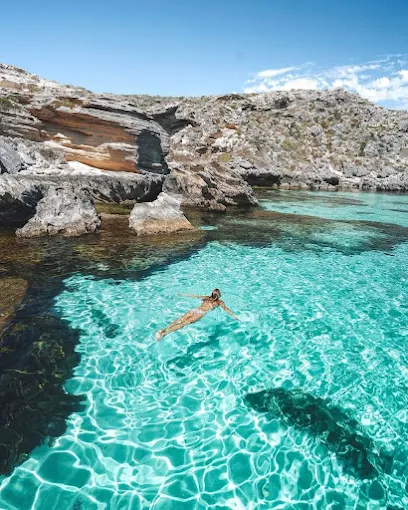
Emily Bay Lagoon, ranked among the country’s best beaches in recent years, delivers calm, sheltered swimming that suits a slower, less structured kind of trip than most of the destinations on this list.
13.Margaret River
Western Australia’s Margaret River region trades desert and reef scenery for something altogether greener: rolling vineyards, towering karri forests, and a coastline that pairs world-class surf breaks with genuinely excellent wine.
It’s a strong addition to a Perth-based itinerary, and the region rewards a slower few days built around tasting rooms, coastal walks, and cave systems threading beneath the surrounding forest, a genuinely different pace from the wilder, more remote stops further north along the same coastline.
Putting A Trip Together Around These Places
A handful of these destinations pair naturally into a single itinerary. The Great Ocean Road and Tasmania both work well built around a Melbourne base, while the Whitsundays, the reef, and the Daintree sit close enough together along the Queensland coast to combine into one tropical north leg of a longer trip.
Uluru tends to work best as its own dedicated stop given how remote it sits from everything else on this list, and Western Australia’s Broome, Esperance, Margaret River, and Rottnest are genuinely worth treating as their own separate trips entirely, given the sheer distance separating them from the eastern half of the country.
Trying to cover more than two or three of these regions properly in a single two-week trip is the most common mistake I see people make. Australia’s scale means the travel time between these places is real, sometimes several hours by plane rather than a manageable drive, and rushing between too many of them tends to produce a trip that’s more exhausting than memorable.
It’s genuinely better to properly settle into two regions, giving each a handful of unhurried days, than to skim the surface of five different corners of the country and remember none of them clearly once you’re home.
When To Go
Timing shifts considerably depending on which of these places you’re chasing. The tropical north, the reef, the Whitsundays, and the Daintree are best visited during the dry season, roughly May through October, avoiding both the wet season and the most intense heat.
Tasmania’s summer, December through February, delivers the most reliable weather for hiking Cradle Mountain and the Overland Track, while the Red Centre and Uluru specifically are best tackled outside the peak of summer, when daytime desert heat becomes genuinely punishing. The Great Ocean Road and the Blue Mountains both work reasonably well year-round, though spring and autumn offer the most comfortable temperatures for a full day out on foot at either.
If you want to explore more in australia then
Final Thoughts
What keeps pulling me back to thinking about Australia’s beauty is how little overlap there actually is between these places. A red desert monolith, a coral reef visible from space, and alpine lakes on an island most people forget are even part of the country; they’re not competing versions of the same idea, they’re genuinely different reasons to get on a plane.
Pick two or three that speak to whatever you’re actually chasing, whether that’s wildlife, coastline, or something as simple as watching a rock change color at sunset, and Australia tends to hand you exactly the kind of moment that makes the long flight worth it. Give yourself permission to skip the rest of the list for now. There’s a decent chance you’ll be back for it anyway.
Frequently Asked Questions
What is the single most beautiful place in Australia?
It genuinely depends on what you’re after. Uluru delivers the most emotionally striking single moment for a lot of visitors, while the Whitsundays and the Great Barrier Reef consistently top rankings focused specifically on coastal and marine beauty.
Is Tasmania worth visiting alongside mainland Australia?
Yes, genuinely. Cradle Mountain and the Bay of Fires both rival anywhere on the mainland, and Tasmania’s wilder, less crowded character makes it a strong addition to a longer Australia trip.
How many of these places can I fit into one trip?
Two to three regions done properly tends to work far better than trying to rush through more. Australia’s distances are considerably larger than they look on a map of the country.
When is the best time to see the Great Barrier Reef?
The dry season, roughly May through October, generally offers the most reliable conditions and visibility, though it’s worth checking current reef health for your specific planned section before booking.
Is Uluru worth the remote location?
Yes, based on nearly universal agreement from people who’ve actually made the trip. Its remoteness is part of what keeps the experience genuinely powerful rather than diminishing it.
What’s the best base for exploring Western Australia’s beautiful spots?
Perth works well as a hub for Rottnest Island as a day trip, while Broome and Esperance are remote enough from Perth and from each other that they’re worth treating as their own dedicated legs of a trip.


