
UK Trip Cost Per Day – Realistic Daily Budget for Every Travel Style

The United Kingdom has a reputation for being expensive – and honestly, in some ways it deserves it. London hotel prices are among the highest in Europe, Heathrow taxis are eye-watering, and a round at a central London pub can quietly empty your wallet before you have noticed.
But the UK also has an unusually generous supply of free world-class museums, unlimited National Rail advance ticket deals, and a pub lunch culture that makes eating well for under £12 entirely possible if you know where to look.
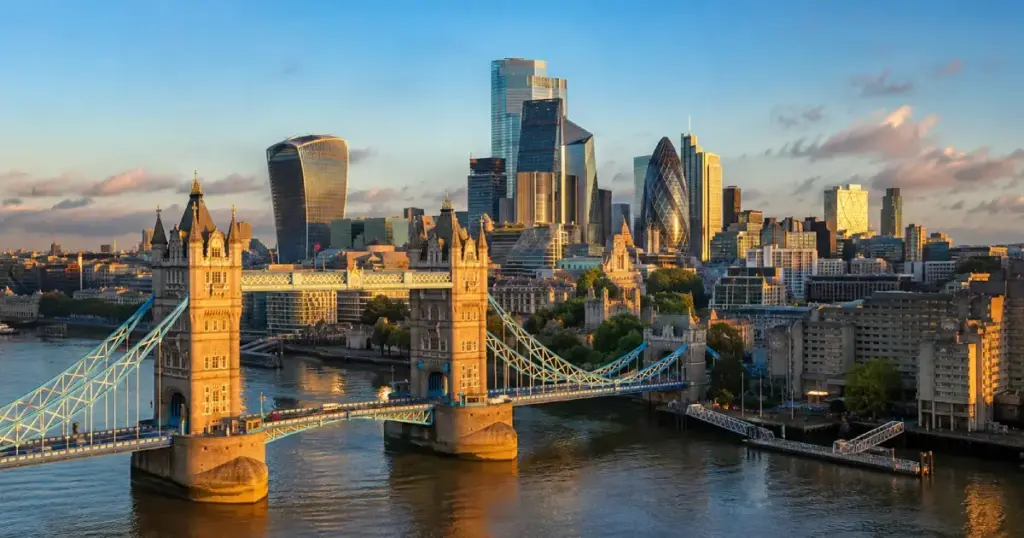
The truth about UK trip costs per day is that the range is enormous – from around £60 a day for a genuine backpacker grinding it through hostels and supermarket meal deals, to over £460 for a luxury traveler staying in top hotels and eating at good restaurants every night.
For most first-time visitors from India or other long-haul markets, the realistic sweet spot sits somewhere between £100 and £150 per day once you account for accommodation, food, transport, and a reasonable number of paid attractions.
This guide breaks down UK daily costs across all three travel styles – backpacker, mid-range, and comfort – with specific numbers for accommodation, food, local transport, and attractions in London and across the rest of the country.
The goal is to give you a realistic figure you can actually use for budgeting, not an optimistic estimate that unravels the moment you land at Heathrow.
Checkout our UK Trip Cost Calculator
Quick Facts – UK Daily Budget at a Glance
✔ Backpacker budget: £60–£70 per day (hostels, self-catering, free museums, coaches)
✔ Mid-range budget: £100–£179 per day (budget hotels, pub meals, paid attractions, rail)
✔ Comfort/luxury: £200–£462 per day (nice hotels, restaurants, private tours, taxis)
✔ London hotel average: £207/night (Visit Britain data, H1 2025) – 30–40% more than elsewhere
✔ Food average: £62 per day – cut in half by choosing pub lunch deals, supermarket meal deals
✔ Transport: Oyster Card Zone 1–2 daily cap ~£8.10 | Heathrow Piccadilly Line: £5.60
✔ Train tip: Book 90 days ahead when advance tickets open – up to 70% cheaper than walk-up
✔ GroupSave discount: 30% off rail for 3–9 adults travelling together after 9:30am
Backpacker Budget: £60–£70 Per Day
A true backpacker budget in the UK means sleeping in hostel dorms, eating from supermarkets and budget chains, using coaches instead of trains for long distances, and sticking almost entirely to free attractions.
This is entirely achievable – the UK has an unusually strong hostel infrastructure, and the number of genuinely world-class free attractions (British Museum, Natural History Museum, National Gallery, Tate Modern, Victoria and Albert Museum – all completely free) means that a week in London on a tight budget is not the cultural compromise it might be in other cities.
Hostel dorm beds in London run £25–£38 per night depending on season. Outside London – Edinburgh, York, Manchester, Bath – expect £18–£28. Budget hotel chains (Travelodge, Premier Inn, and ibis) sit at £45–£80 outside peak season and frequently have advance deals that undercut hostel private rooms.
Budget food means Greggs (£3–£5 for a pastry and a hot drink); supermarket meal deals (£3–£4 for a sandwich, crisps, and drink from Tesco, Sainsbury’s, or Boots); and a pub main dish of £10–£15 at lunch when most pubs offer weekday specials. For long-distance travel, National Express and Megabus coaches cover London to Edinburgh for £25–£50 return – significantly cheaper than trains.
- Hostel dorm: £22–£38/night London | £18–£28 elsewhere
- Budget hotel chains (Travelodge, Premier Inn): £45–£80 in advance outside London
- Supermarket meal deal (sandwich, snack, drink): £3–£4 from Tesco/Sainsbury’s/Boots
- Pub lunch main: £10–£15 | Budget chains (Leon, Greggs, Nando’s): £8–£13
- London: Oyster Card Zone 1–2 daily cap ~£8.10 | Day travel card Zone 1–2: £15.20
- Long-distance coach: London to Edinburgh £25–£50 return (National Express / Megabus)
- FREE attractions: British Museum, National Gallery, Tate Modern, Natural History Museum
| Category | Backpacker (£/day) | Mid-Range (£/day) | Comfort (£/day) |
|---|---|---|---|
| Accommodation | £22–£35 | £80–£130 | £150–£300+ |
| Food & Drink | £20–£30 | £35–£60 | £70–£120 |
| Local Transport | £5–£10 | £10–£20 | £20–£50 |
| Attractions/Activities | £5–£10 (mostly free) | £20–£40 | £40–£80 |
| Miscellaneous | £5–£8 | £8–£15 | £15–£30 |
| DAILY TOTAL | £57–£93 | £153–£265 | £295–£580 |
| Realistic Average | ~£70/day | ~£130–£179/day | ~£200–£462/day |
Mid-Range Budget: £100–£179 Per Day
The mid-range budget is where most first-time UK visitors from India land once they have done realistic research.
This level means staying in basic 3-star hotels or well-reviewed budget properties (Holiday Inn Express, ibis, or Travelodge premium rooms); eating pub meals and occasional sit-down restaurant meals without overthinking it; using the train for intercity travel with advance tickets; and doing a reasonable mix of paid attractions alongside the free ones.
For accommodation, £80–£130 per night outside peak season covers a decent central London 3-star – tight quarters, clean, and functional. In Edinburgh, Bath, Oxford, or the Lake District, the same budget gets considerably more space and character in a guesthouse or mid-range hotel.
Food at mid-range means a pub lunch most days (£12–£18), a sit-down dinner with drinks three or four nights a week (£30–£50 per person), and coffee and breakfast from cafe chains on other mornings. Most visitors at this budget level spend around £35–£60 on food daily.
Train travel with advance booking is the key to keeping this budget realistic. The London to Edinburgh route costs £35–£65 in advance compared to £150+ walk-up.
The 90-day advance booking window is when the cheapest fares release – set a calendar reminder if you are booking a specific date. For intercity routes within England, advance tickets regularly come in under £20 one way, whereas walk-up fares are £60+.
- 3-star hotel or quality guesthouse: £80–£130/night London | £55–£95 elsewhere
- Pub dinner with drinks: £25–£45 per person | Casual sit-down restaurant: £20–£35
- Advance rail tickets London to Edinburgh: £35–£65 | London to Bath: £15–£35
- Paid attractions budget: Tower of London £32, Roman Baths £22, Edinburgh Castle £19
- Train day pass (BritRail): good value for 3–4 intercity journeys in one day
READ MORE: 5-Day Dubai Itinerary – Best Things to Do for First Timers
Comfort Budget: £200–£462 Per Day

Comfort or near-luxury travel in the UK means 4-star hotels in central locations, eating at proper restaurants rather than pubs, taking taxis rather than the Tube for convenience, and hiring private guides or doing premium experiences (Jacobite steam train in Scotland, private Cotswolds driving tour, dinner cruise on the Thames).
Visit Britain data for the first half of 2025 showed the average daily hotel rate in Greater London at £207 per night – which gives a baseline for what this level of accommodation actually costs.
At this budget, accommodation is your biggest single line item. A well-located 4-star in London (Covent Garden, South Kensington, or Marylebone) runs £180–£350 per night.
The Balmoral in Edinburgh, a classic choice, starts at £350+. Cotswolds Manor House hotels run £200–£450. Add £70–£120 in daily food across breakfast, lunch, and dinner at good restaurants without being extravagant, and the daily total quickly approaches £300–£400 before activities and transport.
- 4-star central London hotel: £180–£350/night | Edinburgh 5-star: £250–£500+
- Restaurant dinner (3 courses, drinks): £60–£100 per person
- Private Cotswolds driving tour: £200–£400 per vehicle for the day
- Jacobite steam train (Fort William to Mallaig): adult £45–£55 each way
- Thames dinner cruise: £65–£120 per person depending on package
Activities in UK
Free attractions (great for any budget)
The UK has an unusually strong lineup of world-class museums that cost nothing to enter – the British Museum, Natural History Museum, National Gallery, Tate Modern, and Victoria & Albert Museum are all free.
The guide frames these as genuinely top-tier collections, not “consolation prizes” for budget travelers, and suggests building your London days around them.
Paid attractions worth paying for
A few specific paid sights get called out as worth the money:
- Tower of London – £32
- Kew Gardens – £22
- Hampton Court – £29
- Roman Baths (Bath) – £22
- Edinburgh Castle – £19
The London Eye gets a specific mention as one the author is skeptical is worth it, unlike the Tower of London.
Premium/comfort-tier experiences
For travelers with a bigger budget, a few splurge-worthy activities are listed:
Private Cotswolds driving tour – £200–£400 per vehicle for the day
Jacobite steam train, Fort William to Mallaig (the “Harry Potter” train in Scotland) – £45–£55 each way
Thames dinner cruise – £65–£120 per person
Budgeting by travel style
The cost table splits out an “Attractions/Activities” line item across styles: roughly £5–£10/day for backpackers (mostly free museums), £20–£40/day for mid-range travelers, and £40–£80/day for comfort travelers.
London vs Rest of UK: The Price Difference Is Real
One of the most important cost decisions in planning a UK trip is how much time to spend in London versus elsewhere. London is genuinely more expensive than the rest of the country for accommodation – often 40–60% more for equivalent quality.
A 3-star hotel in central London that costs £120 a night will have an equivalent property in Edinburgh, Bath, or York for £70–£90.
The Tube adds cost that other cities do not (outside of London, city buses and walking cover most sightseeing). Restaurant prices in London tourist areas run 20–30% above equivalent quality in other cities.
The practical implication: many experienced UK travelers recommend basing in London for 3–4 nights rather than 6–7, using the city efficiently with an Oyster Card and free museum days, and spending the extra days somewhere that delivers more value per pound.
Bath, Edinburgh, York, and the Lake District all offer extraordinary experiences at a lower daily cost than London and are each within easy train distance.
- Accommodation premium London vs rest of UK: 40–60% for equivalent quality
- Oyster Card Zone 1–2 daily cap: ~£8.10 | Use contactless – same fare, no card fee
- Free London: British Museum, National Gallery, Tate Modern, V&A, Natural History Museum
- Paid London worth it: Tower of London (£32), Kew Gardens (£22), Hampton Court (£29)
- Consider: 3–4 nights London + 10 nights elsewhere for much better value overall
Hidden Costs Indian Travellers Often Miss
There are several costs that don’t appear in standard budget breakdowns but add up quickly for visitors from India and other long-haul markets. Airport transfers are the first: an Uber or taxi from Heathrow to central London runs £45–£80. The Piccadilly Line (direct, no changes) costs £5.60 with Oyster or contactless – take it every time unless you have excessive luggage.
Travel insurance is non-negotiable for the UK: EU and EEA visitors lost free NHS access after Brexit, and while India has a bilateral health agreement with the UK, the specifics are limited – proper travel insurance with medical coverage is essential.
Congestion Charge: if you hire a car and drive into central London on weekdays, you pay a £15 daily charge automatically. Most rental companies will charge this to your card after the fact.
Tipping culture: Unlike the US, tipping is not universally expected in the UK – 10% at sit-down restaurants is appropriate, and many will already include a service charge in the bill.
Check before tipping. Baggage fees: budget airline rules within the UK (Ryanair, easyJet) are strict—carry-on limits and checked bag fees can add £20–£50 per flight if you miss the rules.
- Heathrow Piccadilly Line to central London: £5.60 (vs £45–£80 taxi)
- Travel insurance with medical cover: essential – budget £3–£8/day
- London Congestion Charge for cars: £15/day weekdays in Central London zone
- Tipping: 10% sit-down restaurants | Not expected in pubs, cafes, takeaways
- Budget airline hidden fees: check bag/carry-on rules carefully – add £20–£50 if missed
- Museum booking fees: many free museums charge £1–£2 booking fee for timed tickets
Final Thoughts
The honest average UK trip cost per day for a first-time visitor from India planning a well-organized trip-decent hotels, pub meals most nights with one or two good restaurant dinners, paid attractions every other day, and advance train tickets-lands around £100–£150 per day outside London and £130–£180 per day in London.
That is a realistic number, not a best-case scenario. The single most powerful thing you can do for your UK trip budget is book trains 90 days in advance when tickets release.
The savings are not marginal – they are transformative. London to Edinburgh is £45 in advance versus £150+ walk-up; London to Bath is £15 in advance versus £55 walk-up. If you know your dates, set those calendar reminders.
Your daily transport costs drop dramatically when you stop buying flexible walk-up fares. And remember: London’s free museums are genuinely world-class, not consolation prizes.
The British Museum, the Natural History Museum, the Victoria and Albert Museum, the National Gallery – these are among the finest collections on the planet, and they cost nothing.
Build your London days around these institutions and spend your money on paid attractions that are truly worth it (Tower of London, yes; London Eye, arguably not). Your overall daily cost comes down, and your experience goes up.
Frequently Asked Questions
How much does a UK trip cost per day on average?
The realistic average for a first-time visitor to the UK is £100–£179 per day at mid-range, which covers budget hotels or guesthouses, pub meals with occasional sit-down dinners, advance-booked train travel, and a mix of free and paid attractions. London costs 30–50% more per day than other UK cities for equivalent travel styles.
What is the minimum budget for a UK trip per day?
A genuine backpacker can manage on £60–£70 per day – hostel dorms (£22–£35 in London), supermarket meal deals and Greggs for food, an Oyster Card for London transport, coaches for long distances, and the UK’s extensive free museums. This requires discipline but is entirely achievable, especially outside London.
How much does food cost per day in the UK?
The average traveler spends £35–£60 per day on food in the UK. You can reduce this to £20–£30 by using supermarket meal deals (£3–£4 each), Greggs, and budget chains. Pub mains run £10–£18. A sit-down dinner with drinks at a mid-range restaurant costs £25–£45 per person.
Is London more expensive than the rest of the UK?
Yes, significantly. London hotel prices average £207/night (Visit Britain 2025 data), compared to £70–£120 for equivalent quality in Edinburgh, Bath, or York. Restaurant prices are 20–30% higher in central London tourist areas. The trade-off is that London has an exceptional supply of free world-class museums that offset some of the higher entry costs.
What is the cheapest way to travel between UK cities?
National Express and Megabus coaches offer the cheapest intercity fares – London to Edinburgh from £25 return with early booking. For faster travel, advance train tickets bought 90 days ahead (when they release) can be 50–70% cheaper than walk-up fares. The GroupSave discount (30% off for 3–9 adults traveling together after 9:30am) is excellent value for groups.


