
What To Pack For Europe Trip 2026: The Complete Checklist

Every year, a fresh wave of travellers lands in Europe with a suitcase that’s either wildly overpacked or missing something they’ll end up buying twice, once at home and again at a pharmacy in Rome at nine at night. Packing for Europe isn’t complicated, exactly, but it is genuinely different from packing for a beach holiday or a single city break, mostly because a typical Europe trip tends to move through several climates, several transport types and several dress codes in the space of one to two weeks.
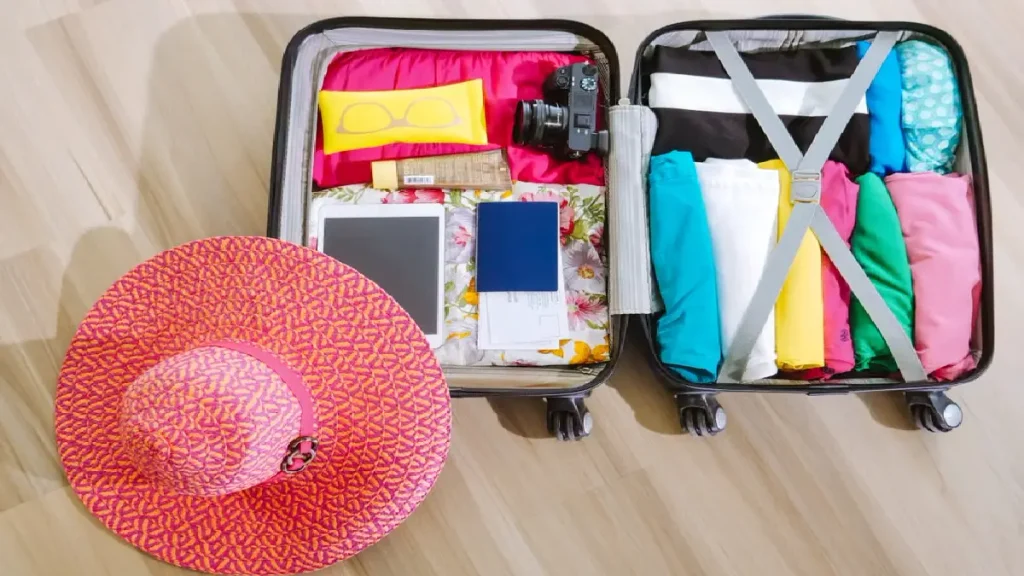
This guide walks through what actually earns a spot in your bag for a 2026 Europe trip, why some old packing advice floating around online is quietly out of date, and how to think about the whole process so you land with exactly what you need and nothing you don’t.
Start With Documents, Because This Is Where Trips Actually Go Wrong
Clothing mistakes are annoying. Document mistakes can end a trip before it starts. Most travelers from the US, UK, Canada, Australia, and other visa exempt countries can still enter the Schengen Area for up to ninety days in any one hundred eighty day period without a visa, provided the passport has enough validity left, generally at least three months beyond your planned departure date from the Schengen zone.
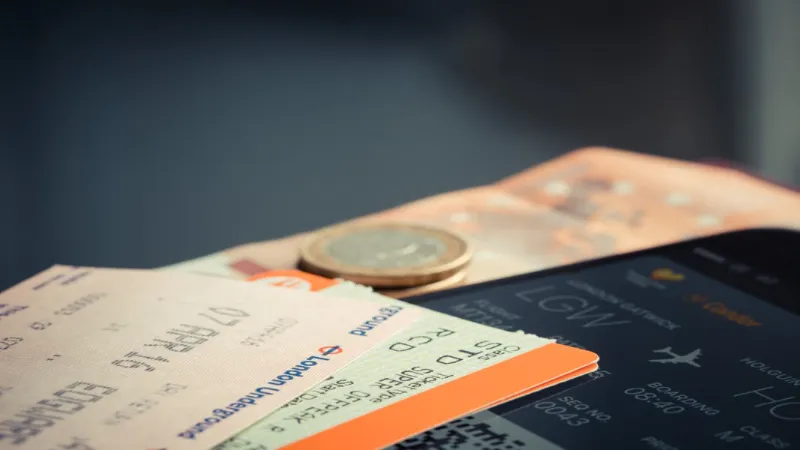
What’s changed the landscape lately is ETIAS, the EU’s electronic travel authorization system. After several rounds of delays, it’s now expected to go live sometime in the final quarter of 2026, and it isn’t a visa so much as a mandatory pre travel screening, similar in spirit to the US ESTA system. Once it launches, travelers from visa exempt countries will need to apply online before departure, the process usually takes only minutes, and approval is typically valid for up to three years or until the passport expires. Because the exact launch date keeps shifting, it’s worth checking the official EU ETIAS site close to your travel dates rather than relying on older articles.
Beyond that, the actual document checklist is fairly short but non negotiable:
- Passport, with a photocopy or photo of the main page stored separately from the original
- Printed and digital copies of flight, train and hotel bookings
- Travel insurance policy details, including the emergency contact number
- Any visa or ETIAS confirmation once it applies to your nationality
- A driving license or international driving permit if you’re planning to rent a car
- Student, youth or museum pass documentation if you qualify for reduced admission
A surprising number of seasoned travelers now keep a digital folder with scans of everything, passport, insurance, cards, saved somewhere accessible offline, precisely because a lost bag or a lost phone shouldn’t mean starting from zero at a consulate.
Money, Cards And How Europe Actually Handles Payments Now
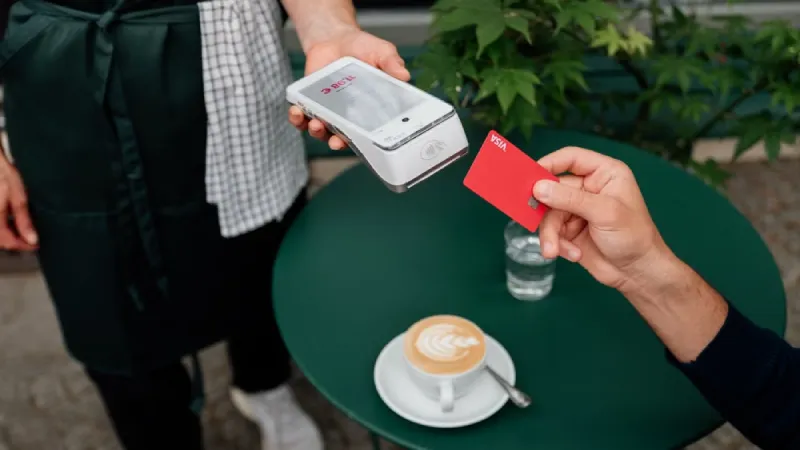
Cash still matters in Europe, but noticeably less than it used to. Most cities, particularly in Western and Northern Europe, run heavily on contactless card payments now, tap to pay works at everything from museum ticket counters to small bakeries. That said, some smaller towns, certain markets, and a handful of countries in Southern and Eastern Europe still lean more cash heavy, so carrying a modest amount of local currency, usually somewhere between fifty and a hundred euros equivalent per country, covers the gaps without leaving you carrying a wallet full of bills you don’t need.
A debit or credit card with no foreign transaction fees is worth setting up before you leave if your current card charges one, since that fee quietly adds up over a two-week trip. It’s also worth notifying your bank of your travel dates, or at minimum checking that your card works internationally by default, since a declined card in an unfamiliar city is a specific kind of stressful nobody needs. Carrying two separate cards, kept in different bags or pockets, is a small habit that saves an entire trip if one gets lost or blocked.
Clothing: Building A Wardrobe That Actually Works Across Countries
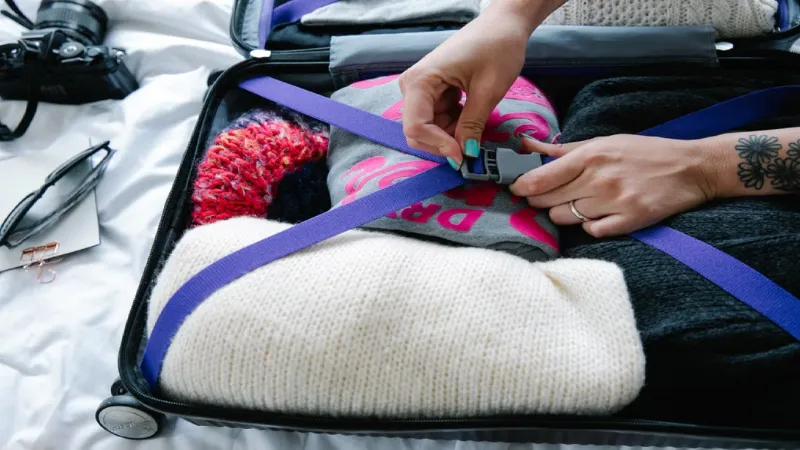
This is where most overpacking happens, and it’s almost always driven by the same instinct, packing for every possible scenario instead of packing for repetition. The travelers who land with the lightest, most functional bags tend to build around a small capsule wardrobe, a handful of pieces in coordinating colors that mix and match into far more outfits than the item count suggests.
The General Rule Of Thumb
A workable starting point for most one to two week Europe trips looks something like four to five tops, two to three bottoms, one dress or one smarter outfit for evenings, one light jacket or packable layer, and underwear and socks for roughly a week, since laundry is genuinely easy to find in most European cities and doing a load midway through a longer trip is completely normal. Neutral colors, black, navy, beige, olive, do more work than anything bright or patterned, simply because they mix with everything else in the bag.
Packing For Summer
Europe in summer runs hotter than a lot of first time visitors expect, particularly across Southern Europe and increasingly across Central Europe too. Breathable natural fabrics like linen and cotton hold up far better than synthetic activewear in the heat, and it’s worth packing at least one top with sleeves or a light scarf for church and cathedral visits, since a surprising number of religious sites across Italy, Spain and Southern Europe still enforce covered shoulders regardless of the temperature outside. A packable rain layer earns its place too, since summer storms roll through quickly even in the hottest months.
Packing For Winter
Winter in Europe is a genuinely different packing exercise, and layering becomes the whole strategy rather than a nice to have. A proper insulated coat, a warm middle layer, thermal base layers if you’re heading anywhere north or into the mountains, plus gloves, a scarf and a hat, cover most of what’s needed. Waterproof, insulated boots with real grip matter more than people expect, since icy cobblestones in cities like Prague or Edinburgh are a genuinely common way to end up with a sprained ankle rather than a good photo.
Packing For Spring And Autumn
The shoulder seasons are, honestly, the easiest to pack for and arguably the best time to visit a lot of European cities anyway, since the crowds thin out and the weather sits in a comfortable middle ground. A few light layers that can be added or removed through the day, a packable rain jacket, and one warmer piece for cool evenings covers the vast majority of spring and autumn conditions across the continent.
Footwear: The One Category Worth Splurging On
Cobblestone streets are not a minor detail in European travel, they’re a defining feature of nearly every old town you’ll walk through, and they are genuinely unkind to the wrong shoes. A pair of already broken in, supportive walking shoes or sneakers should be the backbone of any Europe packing list, worn on travel days to save luggage space. Beyond that, one pair of sandals or lighter shoes for warmer days, and one slightly smarter pair if your trip includes any nicer dinners or evening plans, is generally plenty. Packing three or more pairs of shoes is one of the most common and most avoidable ways a suitcase ends up overweight.
Electronics And Staying Connected
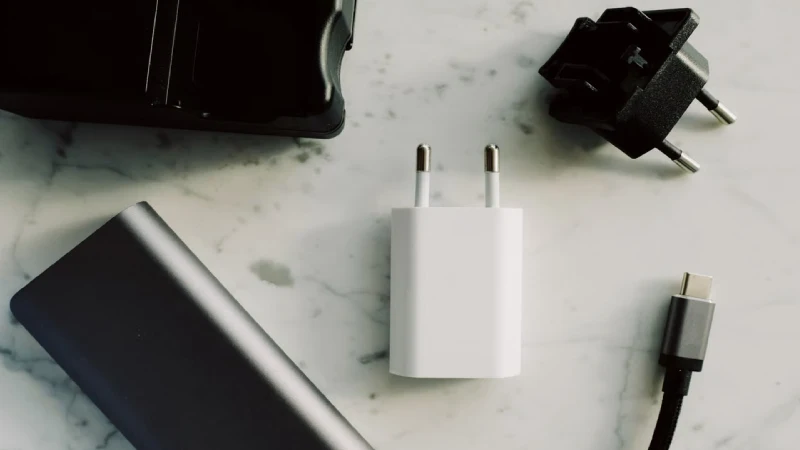
Most of continental Europe runs on the two round pin Europlug standard, but the UK and Ireland use a different three pin plug entirely, which trips up a lot of travelers doing a multi country trip that includes both. A single universal adapter covers this rather than buying separate ones per country, and it’s worth double checking that any device you’re bringing, hair dryers especially, is dual voltage before plugging it in, since Europe generally runs on 220 to 240 volts compared to the 110 to 120 volts common in North America.
A portable power bank is close to essential now, given how much phone use goes into navigation, translation and ticket apps throughout a travel day. On connectivity, an eSIM set up before departure has become the default choice for a lot of travelers, since it skips the airport SIM card queue entirely and, for anyone doing a multi country loop, a regional eSIM plan can cover several countries without needing to switch providers at every border. A lightweight Bluetooth headset or earbuds and a basic charging cable organizer round out the essentials without adding meaningful weight.
Toiletries And Health Essentials
Liquids restrictions on flights mean most toiletries should travel in travel sized containers regardless of what you use at home, and it’s worth packing the basics rather than assuming everything will be easy to find. Sunscreen in particular can be considerably pricier in parts of Europe than it is at home. A compact first aid kit covering blister plasters, pain relief, any prescription medications in their original labeled packaging, and a basic antihistamine covers most of what tends to come up on a longer trip.
Tap water is safe to drink across the vast majority of Europe, which is one genuine convenience compared to a lot of other regions, so a reusable water bottle is worth the small amount of space it takes up, both for the cost savings and because many cities have public refill fountains built right into the old town squares. Travel insurance covering medical costs and trip interruption is worth arranging before departure regardless of how healthy you feel going in, since European healthcare, while generally excellent, isn’t automatically free for visitors from outside the EU, and a hospital visit without coverage can be genuinely expensive.
Luggage: Fewer, Better Bags Beat More Bags
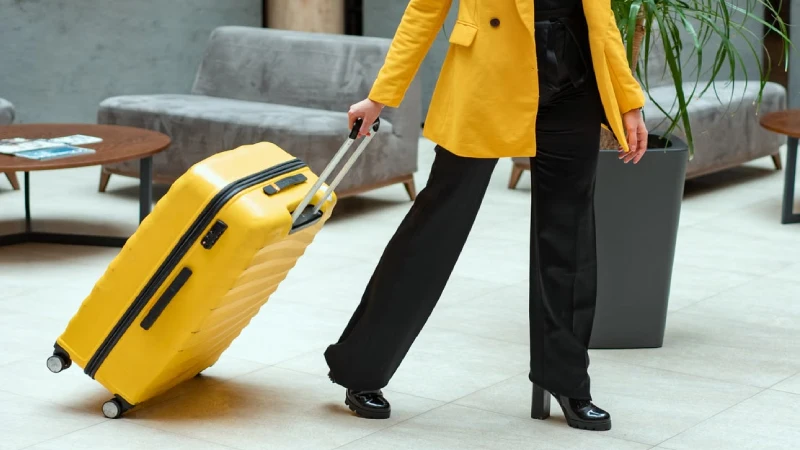
If your itinerary involves multiple cities, and most Europe trips do, the single biggest quality of life upgrade is packing light enough to actually carry your own bag up a flight of stairs at a train station with no elevator, because that scenario comes up more often than travelers expect. A carry on sized suitcase or a structured backpack, paired with a smaller day bag for daily sightseeing, tends to be the sweet spot for most trips under two weeks.
Packing cubes are one of those small purchases that make a genuinely outsized difference, compressing clothing, keeping categories separated, and making repacking at every new hotel considerably faster than living out of a loosely packed bag. A separate, smaller bag for dirty laundry keeps the rest of the suitcase from turning into a jumbled mess by day five, and a foldable tote or day bag takes up almost no space but earns its keep constantly, for markets, beach days, or simply carrying a jacket you’ve shed by midafternoon.
What Experienced Travelers Consistently Leave Behind
It’s often just as useful to know what not to pack. A hair dryer is rarely necessary since the vast majority of hotels and even mid range guesthouses supply one. A full sized bottle of any toiletry is dead weight when travel sized versions or on the ground purchases work just as well. A stack of guidebooks or printed maps has largely been replaced by offline map downloads on a phone, which weigh nothing and update automatically. And packing an outfit “just in case” for an event that isn’t actually on the itinerary is one of the most common, most avoidable sources of extra luggage weight travelers carry the entire trip and never touch.
Region Specific Packing Notes Worth Knowing

A trip that stays entirely in one climate zone is simpler to pack for than one that jumps between them, and it’s worth adjusting the general list above based on where you’re actually headed. A Mediterranean coastal leg, southern Spain, the Amalfi Coast, the Greek islands, calls for swimwear, reef safe sunscreen and a proper sun hat in a way a purely inland itinerary doesn’t. An Alpine or mountain leg, whether that’s a hiking trip through Switzerland or a winter stop in the Dolomites, needs sturdier footwear and genuine insulated layers rather than a city appropriate light jacket. And any itinerary that includes churches, cathedrals or religious sites, which covers a large share of European sightseeing, benefits from packing at least one modest, covered outfit that works regardless of how casual the rest of the trip’s wardrobe is.
Checking The Weather Properly Before You Pack
One habit that saves a lot of last minute repacking is checking the actual forecast for each city on your route roughly a week out, rather than relying on general seasonal averages. Europe’s weather has grown noticeably less predictable in recent years, a supposedly mild spring week in one city can still bring an unexpected cold snap, and a single averaged “what to expect in April” guide often doesn’t reflect what’s actually happening the week you land. Checking each city individually a few days before departure, and again the morning you leave, means you can make small last minute swaps, an extra layer in, a jacket out, rather than discovering the mismatch once you’re already there.
A Quick Note On Sustainability And Packing Smarter
More travelers are shifting toward reusable and refillable options rather than single use travel toiletries, partly out of environmental consideration and partly because it simply reduces how much you’re carrying. Solid shampoo and conditioner bars, a refillable travel bottle for the few liquids you do need, and a reusable shopping bag for grocery runs or markets are small swaps that add up over a longer trip without costing you anything in convenience.
Frequently Asked Questions
Do I need a visa or ETIAS to visit Europe in 2026?
Most travelers from visa-exempt countries, including the US, UK, Canada, and Australia, can still enter the Schengen Area visa-free for tourism. ETIAS, a separate pre-travel authorization, is expected to launch in the final quarter of 2026, so it’s worth checking the official EU site close to your travel dates to see whether it applies by the time you fly.
How many outfits should I pack for a two week Europe trip?
You don’t need two weeks of outfits. A capsule wardrobe of roughly ten to twelve mix and match pieces, worn on repeat and refreshed with a laundry stop midway through, comfortably covers a two week trip without overpacking.
What shoes are best for walking around European cities?
A well broken in pair of comfortable, supportive walking shoes matters more than any other single packing decision, given how much cobblestone and uneven pavement you’ll cover. Save specialty or dressier shoes for the one or two evenings you’ll actually need them.
Do I need a plug adapter for every European country?
Most of continental Europe uses the same two pin Europlug standard, so one universal adapter covers it. The UK and Ireland use a different plug entirely, so plan for that separately if your itinerary includes either.
Is tap water safe to drink in Europe?
Yes, across the large majority of European countries tap water is safe to drink, which makes a reusable water bottle a genuinely useful item to pack rather than relying on bottled water throughout the trip.
Final Thoughts
Packing for Europe comes down to the same handful of decisions repeated well, build a small wardrobe that mixes and matches rather than packing for every possible day separately, prioritise footwear that can survive genuine walking, sort your documents and any entry requirements like ETIAS well before departure rather than the night before, and resist the urge to pack for scenarios that aren’t actually on your itinerary. Get that right, and the rest of the trip, the part that actually matters, tends to go a great deal more smoothly.


