
Cool Things To Do In Japan (2026 Guide)

Everyone plans the same first Japan trip. Shrine, temple, Shinkansen photo, bowl of ramen, repeat. None of that is wrong exactly; it’s genuinely worth doing, but it’s also only half the country. The other half is stranger, funnier, and honestly more memorable, the kind of thing that doesn’t show up in a travel brochure but ends up being the story you actually tell people when you get home.
This list leans hard into that second half. Some of it is genuinely bizarre by design, some of it is just quietly excellent and underrated, and all of it is worth building into a trip alongside, not instead of, the more traditional stops. If you’re still nailing down the basics of when to go or how to structure the week itself, our guides on the best time to visit Japan and a full Japan 7-day itinerary cover that groundwork separately. This one is just for the fun stuff.
Drive A Go-Kart Through Actual Tokyo Traffic
Nothing on this list generates more disbelieving laughter from friends back home than this one. Dress up as your favorite character, hop into a tiny street legal go-kart, and drive through real Tokyo traffic, past skyscrapers, alongside city buses, weaving beneath train overpasses, with a guide leading the group. It sounds like it shouldn’t be allowed, and yet it’s become one of the most talked about tourist activities in the entire city. It’s simultaneously terrifying for the first ten minutes and genuinely one of the best things you’ll do all trip by the time it wraps up.
Get Lost Inside a TeamLab Museum
Photos genuinely don’t prepare you for this one. TeamLab Borderless, now relocated to Azabudai Hills after its original Odaiba run, and its sister museum, TeamLab Planets in Toyosu, turn entire buildings into shifting, interactive digital art, rooms of projected flowers that react to your movement, mirror-lined spaces filled with floating light, and at Planets specifically, exhibits you wade through barefoot. Borderless alone has pulled in over four million visitors from more than 185 countries since reopening, and it’s easy to see why once you’re standing inside it.
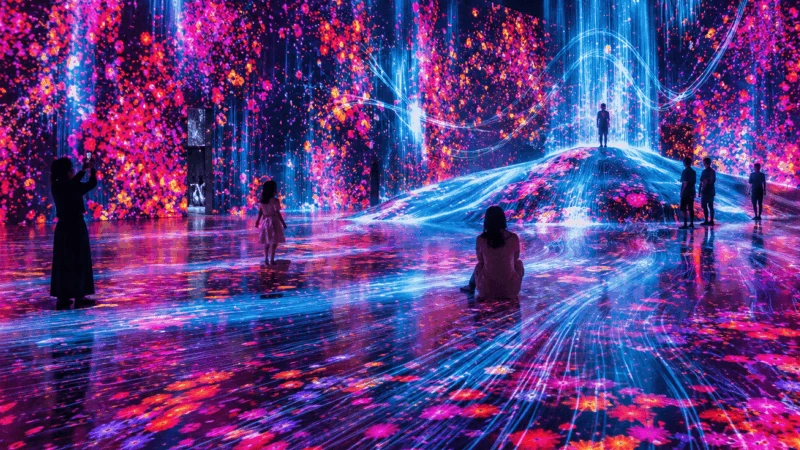
Book through the official teamLab website well ahead of your trip, since same-day tickets sell out more often than not, weekday or weekend, and arriving at a weekday morning or after three in the afternoon genuinely thins the crowds compared to a midday weekend visit.
Visit A Themed Cafe That Shouldn’t Work But Does
Japan’s themed cafe scene has moved well past the novelty cat cafe stage, though those are still genuinely worth a visit if you haven’t done one. Owl cafes let you get startlingly close to birds that would otherwise be impossible to observe up close. Hedgehog cafes are exactly as small and prickly and oddly charming as they sound. Maid cafes in Akihabara lean fully into performance and theatrical service, and a handful of ninja-themed spots layer costumed staff and tricks into an otherwise normal meal. None of these are aimed primarily at tourists either; plenty of locals treat them as a genuine regular hangout, which says something about how normalized the whole concept has become.
Try On A Whole New Personality At Karaoke
Japan invented modern karaoke, and the private room model here is genuinely different from anywhere else that’s copied it since. You rent your own soundproofed room rather than performing in front of strangers, song catalogues run into the tens of thousands across multiple languages, and drink service means the night can run as long as your group wants it to. It’s one of the most reliably fun nights out in any Japanese city, and it works equally well for a rowdy group or a quiet couple of friends who just want to sing badly in private.
Watch Sumo Wrestlers Train Before Sunrise
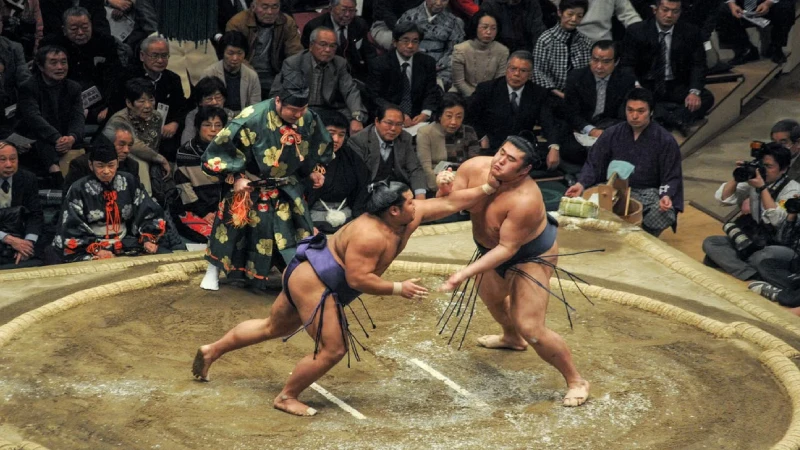
Catching an actual sumo tournament, held in Tokyo and Osaka at various points between January and September, is worth building a trip around if your dates line up. But watching a morning training session at a sumo stable called a heya is available year-round and offers something a tournament crowd doesn’t: genuine proximity to wrestlers built like nothing else in the sporting world, training in near silence except for the impact of bodies hitting the clay ring. It’s a strange, quietly intense thing to witness first thing in the morning, and it tends to stick with people longer than a lot of the more obvious tourist activities.
Sleep At A Buddhist Monastery
Shukubo, temple lodging originally built for pilgrims, still operates across Japan, and Mount Koya in particular has turned staying overnight into something genuinely accessible for regular travelers. You sleep on a futon in a simple room, eat shojin ryori, a plant-based monastic cuisine that’s considerably more interesting than it sounds, and can join monks for a morning meditation or prayer session if you’re up for it. It’s about as far from a hotel experience as this list gets, and that contrast is exactly the point.
Explore Tokyo’s Neighborhoods That Never Made It Onto A Tour Bus
Shimokitazawa, a short train ride from Shibuya, has become one of Tokyo’s most loved relaxed, slightly bohemian pockets, with vintage clothing racks spilling onto the sidewalk, record stores stocking both new and secondhand vinyl, and small live music venues running most nights of the week. Koenji and Nakameguro offer a similar energy with their own distinct character, and all three reward wandering without a fixed plan far more than following a marked walking route. If you don’t read Japanese, a small group tour through one of these neighborhoods can point out upper-floor bars and back alley shops that are genuinely easy to miss walking past on your own.
Ride a Rickshaw Through Kyoto’s Bamboo
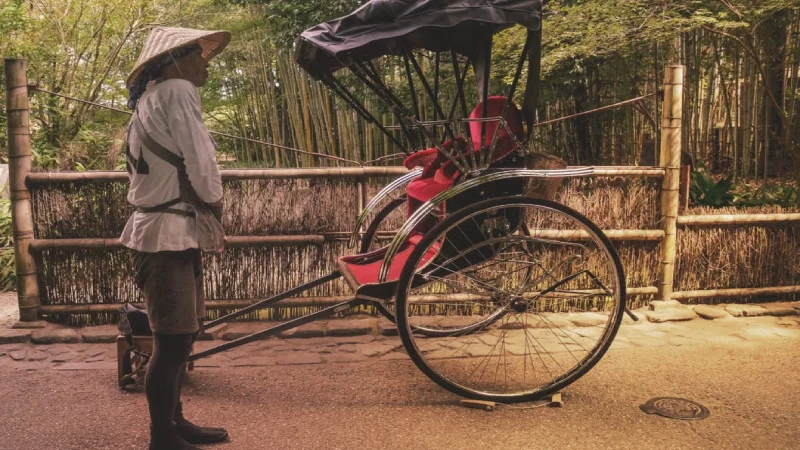
A guide dressed in traditional attire pulls you by hand through narrow lanes lined with bamboo groves, shrines, and tea houses, offering a different pace and vantage point than walking the same paths yourself. It sounds almost too quaint on paper, but it works, and it’s a genuinely relaxing way to see parts of Arashiyama that get overwhelmed by foot traffic later in the day.
Try Your Hand At Kintsugi
Kintsugi, the traditional art of repairing broken pottery with gold lacquer rather than hiding the crack, has become a genuinely popular hands-on workshop experience across Tokyo and Kyoto. Beyond the craft itself, there’s something worth sitting with in the underlying philosophy, that a repaired break can be more beautiful than the object was before it broke, which tends to make the workshop feel like more than just a souvenir-making session by the time you leave with your own piece.
Ride The Shinkansen Purely For The Experience Of It
Even if you’re not covering long distances, riding the Shinkansen once purely to experience it is worth doing. Trains run at up to 300 kilometers an hour, arrive at the exact second of their scheduled time, and glide smoothly enough that a full drink stays balanced on the tray table without much effort. The Tokyo to Kyoto run in particular, weather permitting, offers a genuine chance of spotting Mount Fuji through the window on the right side of the train, a small, satisfying bonus most first-time riders don’t expect.
Spend A Night In A Themed Or Capsule Hotel
Capsule hotels, originally built for salarymen who’d missed the last train home, have evolved into a genuinely interesting overnight experience in their own right, stacked pods just big enough to sleep in, often paired with an onsen or public bath downstairs. Beyond capsules, Japan’s themed hotel scene runs in some genuinely unexpected directions: robot-staffed front desks, rooms built around specific anime franchises, and design-forward capsule chains that feel more boutique than budget. None of it needs to be your only accommodation for the whole trip, but a night in one adds a story to the itinerary that a standard hotel room never will.
Soak In An Onsen After A Full Day Outdoors
Traditional hot spring bathing remains one of the most quietly essential Japan experiences on this entire list, especially after a day of hiking, skiing, or just walking a city relentlessly. Etiquette matters here: wash thoroughly before entering the water, no swimsuits, and cover visible tattoos at many traditional establishments, so it’s worth reading up on the specifics before your first visit. Once you’re actually in the water, though, the appeal becomes obvious immediately, and it’s a big part of why our Hakuba ski holiday guide treats an evening onsen as close to mandatory after a day on snow.
Wander Akihabara’s Multi Story Arcades
Akihabara’s arcade culture goes well beyond a few machines in a corner. Entire multi-story buildings are dedicated to gaming here, with vintage cabinets stacked alongside the latest rhythm games, UFO catcher claw machines with genuinely impressive prizes, and a density of neon and sound that’s worth experiencing even if you don’t consider yourself a gamer. Shinjuku runs a similar scene if Akihabara’s crowds feel like too much.
Chase A New Theme Park Instead Of The Obvious One
Tokyo Disneyland and DisneySea remain genuinely excellent, and DisneySea specifically offers a park design unlike any other Disney property in the world. But 2026 also brought something new, PokePark Kanto, a dedicated Pokemon theme park about thirty minutes outside central Tokyo that opened in February and has been selling out international tickets well in advance ever since. If you grew up with the franchise, or you’re traveling with kids who did, it’s worth checking availability early rather than assuming you can book it as an afterthought once you’ve landed.
Take A Proper Tea Ceremony Rather Than A Quick Photo Op
Kyoto runs dozens of venues offering chado, the formal tea ceremony, and it’s worth choosing one that treats it as the genuinely meditative half-hour ritual it’s meant to be rather than a rushed group photo opportunity. Every movement in a proper ceremony, from how the bowl is turned to how the matcha is whisked, carries specific meaning built up over centuries, and sitting through one slows your entire nervous system down in a way that’s hard to replicate anywhere else on a busy sightseeing day.
Cycle Through Kyoto Or Nara Instead Of Walking
Renting a bicycle in either city opens up a version of Japan that tour buses and walking tours simply don’t reach: quieter temple approaches, canal-side paths, and residential neighborhoods where daily life continues completely unbothered by tourism. Nara specifically rewards this approach, since covering the distance between its main park and some of its quieter surrounding temples on foot eats up far more time than the sights themselves actually need. It’s a small shift in how you move through a city, but it changes what you actually end up seeing along the way.
Final Thoughts
The things that actually make a Japan trip memorable rarely show up on the standard highlight reel, and that’s really the appeal of building a few of these into your itinerary alongside the temples and the bullet train photos. Drive the go-kart. Get genuinely lost inside a wall of projected light at TeamLab. Sit quietly at a monastery for a night. None of it replaces the classic first trip; it just makes sure you come home with the stranger, funnier stories too, the ones that end up being what people actually remember once the trip is over and the temple photos have blurred together with everyone else’s.
Frequently Asked Questions
What is the most unique thing to do in Japan?
Opinions vary, but the combination of Tokyo go-karting through real traffic and getting lost inside a teamLab digital art museum consistently comes up as the two most talked about, unusual experiences among repeat visitors.
Do I need to book TeamLab tickets in advance?
Yes, strongly recommended. Same-day tickets frequently sell out regardless of day of the week, and weekday mornings or after three in the afternoon tend to be less crowded if you have flexibility in timing.
Is a themed cafe experience worth it for adults without kids?
Yes, most themed cafes in Japan, cat, owl, hedgehog, or maid, are genuinely enjoyed by adults and locals alike rather than being aimed purely at children or tourists.
Can I stay overnight at a Buddhist monastery as a tourist?
Yes, Shukubo Temple lodging, particularly on Mount Koya, is set up specifically to welcome travelers, including a traditional vegetarian dinner and the option to join morning meditation.
Is it worth watching sumo training instead of a tournament?
Both are worth doing if your schedule allows, but a morning training session at a stable is available year round and offers a closer, quieter view of the sport than a ticketed tournament.
What should I know before visiting an onsen for the first time?
Wash thoroughly before entering the water; swimsuits generally aren’t worn in traditional onsens, and visible tattoos may not be permitted at some establishments, so it’s worth checking specific rules beforehand.


