
Must Cities To Visit In Europe 2026: A Real Traveler’s Guide

If you were to ask ten different travellers which cities should be on your European itinerary, you would get ten different answers, and honestly, all ten might well be correct. Europe certainly doesn’t lack beautiful cities; the real shortage is the time needed to see them all. In such a scenario, a generic ‘top ten’ list copied from an old guidebook isn’t very useful. Instead, it is far more valuable to take a realistic look at which cities are truly worth visiting, when to go to avoid the crowds, and what the actual experience of the trip would be like.
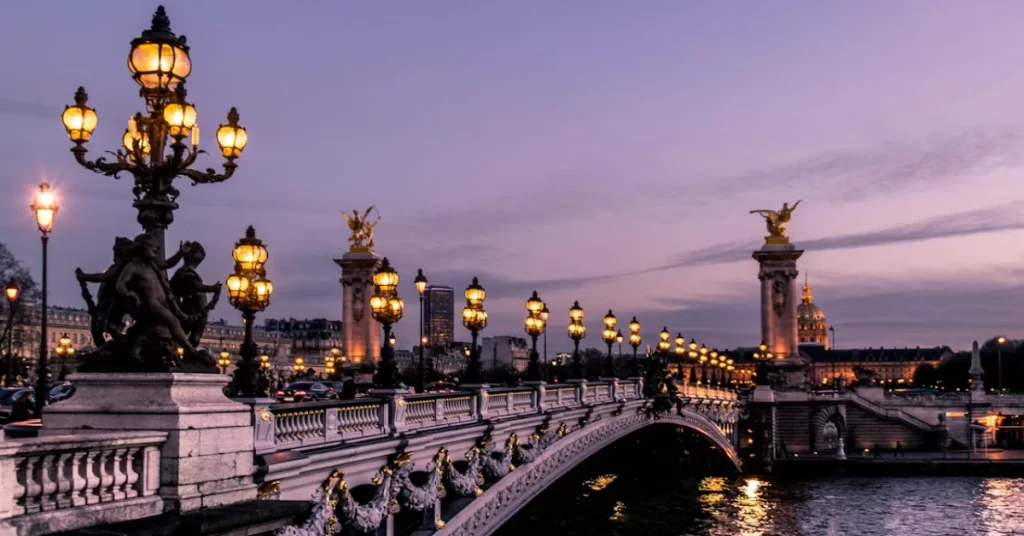
This guide includes cities frequently recommended by travellers who have spent time truly soaking in the atmosphere and enjoying a leisurely, delightful experience, rather than just rushing through to snap a few photos. It features famous cities like Paris and Rome, and yes, their renown is well-deserved alongside others like Ljubljana or Kraków, which deserve more recognition than they currently receive. In short, this guide is designed to help you plan an actual trip, rather than simply offering up dreamy, abstract ideas.
Why is choosing the ‘right time’ more important than the city itself?
Before considering each city individually, one thing must be made clear: when you visit is often far more important than which city you choose. A city that feels magical in April might offer a completely different atmosphere in August or vice versa. Southern European cities like Rome, Seville, and Dubrovnik are at their best during late spring and early autumn; the heat has subsided, yet the vibrant buzz of outdoor cafes remains in full swing.
In contrast, the situation is quite different for northern cities like Helsinki, Bergen, and Reykjavik; they appear more captivating during autumn and winter, as tourist crowds thin out and the unique quality of light on the streets creates a truly extraordinary atmosphere – a sight well worth experiencing. Rather than simply compiling a list of the best cities, it makes more sense to consider the unique character of each city and the ideal time to visit it. The information below adopts this very approach.
Paris, France
There is a reason why Paris appears on every list, and it is not merely because of its postcard-perfect image featuring the Eiffel Tower. The reason lies in the city’s ability to offer two contrasting moods simultaneously: vibrant energy in one neighbourhood and serene calm in the next, sometimes even along the same street. While the Louvre and the Musée d’Orsay are the standard attractions, seasoned travellers often gravitate towards quieter spots like the Musée de l’Orangerie or the Panthéon; these places are far less crowded yet offer an equally delightful experience.
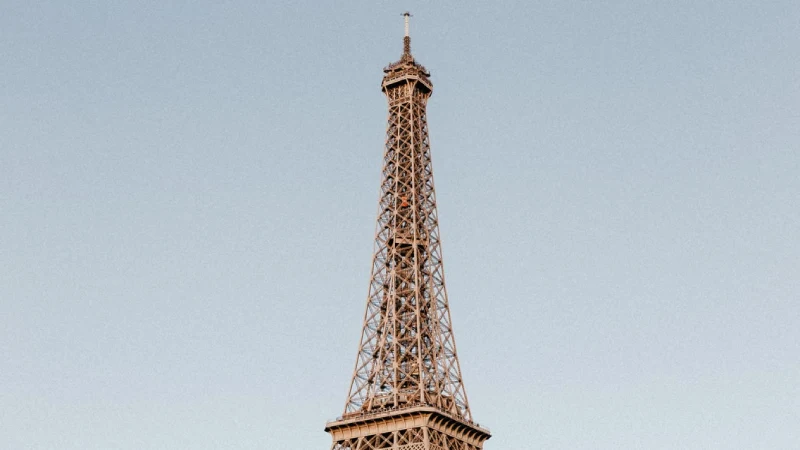
Winter has emerged as a favourite, albeit lesser-known, time to visit Paris. Major museums are noticeably quieter, Christmas lights cast a magical glow over the streets, and the café terraces on the Left Bank become places where you can linger comfortably rather than fighting for a table. Staying in Le Marais or the Latin Quarter puts most essentials within walking distance, and truth be told, getting lost in the narrow alleyways is precisely how you discover the true essence of Paris.
Rome, Italy
Rome is chaotic, loud, and absolutely worth it anyway. The ancient ruins scattered through an otherwise modern working city create a strange, wonderful contrast you don’t really get anywhere else in Europe, you’ll be walking to grab a coffee and stumble past a two thousand year old column like it’s nothing unusual. The Colosseum and Pantheon are the non negotiable stops, but Rome rewards slow mornings too, an early start at the Colosseum before the tour groups arrive, followed by a long lunch of cacio e pepe in a shaded piazza somewhere, tends to be exactly the kind of day that sticks with people.
Summer brings the biggest crowds and the harshest heat, so late spring or early autumn tends to be the sweet spot if your schedule allows it. If summer is your only option, lean into early mornings and long midday breaks the way locals do.
Florence, Italy
Florence has a habit of quietly becoming someone’s favourite city in Europe once they’ve actually spent a few days there rather than rushing through on a day trip from Rome. Walking through it feels closer to touring an open-air museum than a modern city, largely because so much of the historic core, Brunelleschi’s dome over the Duomo, the Ponte Vecchio, and Piazza della Repubblica has been preserved rather than paved over.
First timers tend to spend two days simply wandering and photographing the architecture, which is a completely legitimate way to experience the city. Those with more time often add the Uffizi Gallery, the Accademia to see Michelangelo’s David in person, or the smaller and underrated Galileo Museum, which draws in visitors who came expecting art and leave equally impressed by the scientific instruments. Staying in the Oltrarno neighbourhood, across the river from the main tourist core, tends to give a more local feel without losing walkability to everything else.
Venice, Italy
Venice is genuinely unique; there’s simply nothing else quite like it, but it’s also become something of a case study in overtourism, and it’s worth going in with that expectation set correctly. The trick that repeat visitors swear by is getting up early, well before the day trip crowds arrive from the mainland. A quiet walk through San Marco piazza at seven in the morning, watching shopkeepers open up and locals heading to work, is a completely different city than the same square at two in the afternoon.
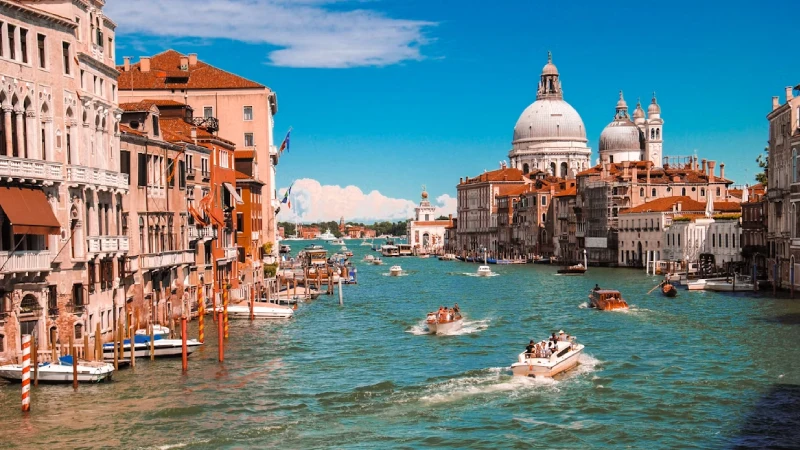
Visiting outside the peak summer months helps considerably, and simply accepting that you’ll spend a good chunk of your time getting pleasantly lost in the smaller canals and back alleys, rather than working through a checklist, tends to be the better mindset going in.
Verona and Vicenza, Italy
These two towns in Italy’s Veneto region don’t get nearly the attention Venice or Florence do, and that’s exactly their appeal. Verona has genuine star power of its own, the ancient Arena hosts summer opera performances that regularly leave visitors floored, and the smaller piazzas like Piazza dei Signori offer a calmer counterpoint to the busier Piazza Bra.
Vicenza, smaller still, tends to surprise people the most. It’s compact, walkable in a single day, and filled with Palladio’s architecture, but what stands out most is simply how Italian it still feels, Italian conversation on the streets rather than a dozen languages competing for space. If Venice feels like it’s buckling under its own popularity, Venice is a genuine reminder of what an under-visited Italian city still feels like.
Barcelona, Spain
Barcelona sits at an interesting intersection of beach city and cultural capital, which is part of why it draws such a wide range of travellers. Gaudí’s architecture across the city, the Sagrada Família most famously, but also Park Güell and Casa Batlló, gives Barcelona a visual identity unlike anywhere else in Europe. The Gothic Quarter’s narrow medieval streets sit a short walk from wide, modern boulevards, and the city’s food scene, from the stalls at La Boqueria market to tucked away tapas bars, holds up against nearly anywhere on the continent.
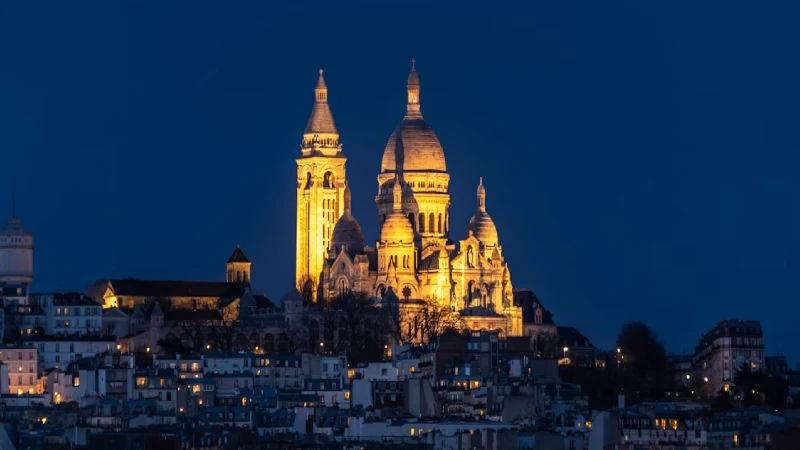
Late spring and early autumn keep the heat manageable while still allowing beach time along Barceloneta, and booking Sagrada Família tickets well in advance is one of those small planning details that saves a genuinely frustrating queue on the day.
Granada and Seville, Spain
Andalusia’s two headline cities both center around extraordinary Moorish palace complexes, and both tend to leave a lasting impression on first time visitors to Spain. Granada’s Alhambra, a UNESCO World Heritage Site, is the clear draw, a sprawling palace and fortress complex that benefits enormously from adding the Generalife Gardens onto your ticket. Wandering the Albayzín afterward, the old Arab quarter with narrow lanes climbing the hillside, rounds out a full day nicely.
Seville’s Alcázar plays a similar role, a royal palace with Moorish roots that later became home to Christian kings, slightly less grand than the Alhambra but genuinely impressive in its own right. Climbing the Giralda bell tower next to the cathedral rewards you with some of the best views in the city, and Plaza de España, with its sweeping ceramic tiled bridges, tends to be the single most photographed spot in Seville for good reason.
Lisbon, Portugal
Lisbon has quietly become one of Europe’s most talked about city break destinations over the last several years, and it earns the reputation. The Alfama district’s winding, hilly streets, the old tram 28 route rattling through the city, and genuinely excellent, affordable seafood paired with a glass of vinho verde all add up to a city that rewards even a short visit. Spring tends to be the ideal window, warm enough to sit outdoors comfortably but well before the peak summer crowds and heat arrive.
Amsterdam, Netherlands
Amsterdam in spring is close to a different city than Amsterdam in the middle of a summer heatwave, and the seasonal difference here is worth planning around. Tulip season transforms the canals and turns a day trip to Keukenhof Gardens into something genuinely worthwhile, and the reopening of canal side café terraces gives the city a completely different energy than its colder months. Renting a bike is less a tourist activity here and more simply how the city expects you to get around, and it’s genuinely one of the more pleasant ways to see a European capital.
Budapest, Hungary
Budapest consistently gets described as Europe’s most underrated capital, and it’s hard to argue otherwise once you’ve spent even a day there. Grand architecture lines the Danube on both the Buda and Pest sides, and the city’s thermal bath culture, Széchenyi Baths in particular, gives Budapest something genuinely few other European capitals can offer. Autumn tends to be the sweet spot, mild enough for long riverside walks with the crowds of summer already thinned out, and a soak in an outdoor thermal bath as the evening cools down is one of those experiences that tends to define a whole trip.
Kraków, Poland
Kraków manages to feel both grand and intimate at the same time, its medieval old town centered around the Cloth Hall and framed by Wawel Castle giving the city a genuine sense of history without feeling like a museum piece. Autumn, with amber leaves framing the cobbled streets, tends to be when the city photographs and feels its best, and the more somber but important history of the Jewish Quarter adds real depth to a visit beyond the postcard scenery.
Ljubljana, Slovenia
Slovenia’s compact, walkable capital has built a loyal following among travelers who’ve actually been, largely because it manages to feel lively without ever feeling overwhelming. A river runs directly through the old town, lined with cafes that spill outside whenever the weather allows, and the hilltop castle offers sweeping views back down over the city and toward the mountains beyond. The real standout for a lot of visitors ends up being the Central Market, genuinely local, genuinely fresh, and a good window into how the city actually lives day to day rather than how it presents itself to tourists.
Edinburgh, Scotland
Edinburgh tends to divide opinion more than most cities on this list, some find it too busy on a first short visit, others fall for it completely. Given a proper few days rather than a rushed overnight, most people come around. The castle sitting above the city, a walk up Arthur’s Seat for panoramic views, and wandering through Dean Village and along the Water of Leith all show a different, quieter side of the Scottish capital than the crowded Royal Mile alone suggests. Visiting outside the busiest summer festival period tends to make a genuine difference to how the city feels.
York, England
York rarely gets mentioned in the same breath as London, but ask anyone who’s actually spent time there and you’ll usually hear real enthusiasm. It’s compact enough to walk comfortably yet has enough going on to fill several days, the York Minster cathedral is genuinely stunning, and a walk along the old city walls gives you a perspective on the city you simply can’t get at street level. The Shambles, a narrow medieval lane of leaning old buildings, has become something of a must see in its own right, and a proper afternoon tea rounds out what tends to be a surprisingly full, satisfying visit for such a small city.
Dubrovnik and Kotor, Croatia and Montenegro
These two Adriatic coastal towns are often paired together on a single trip, and both justify the reputation despite the summer crowds. Dubrovnik’s terracotta rooftops and sea walls are instantly recognizable, and walking the full circuit of the city walls remains one of the more memorable things you can do on a European coastal trip. Kotor, a short drive down the coast in Montenegro, offers a similarly walled old town wedged dramatically between mountains and a fjord like bay, with a steep climb up to the fortress rewarding you with arguably the best view of the entire region.
Putting Together A Realistic Europe Itinerary
Trying to cram too many of these cities into one trip is the single most common mistake first time Europe travelers make. A ten to fourteen day trip realistically supports two to three cities done properly, with enough time to actually settle into each one rather than sprinting through a checklist. A useful approach is to pick one big name city, Paris or Rome, say, and pair it with one or two of the smaller, less crowded options nearby, Vicenza alongside Venice, or Ljubljana alongside a longer Italian leg.
Trains remain genuinely the best way to move between most of these cities, particularly across Italy, France, and Central Europe, where high speed rail connections are frequent, comfortable, and drop you directly into city centers rather than an airport an hour outside town. Budget flights fill in the gaps for longer hops, Lisbon to Budapest for instance, though it’s worth weighing the extra airport time against the convenience.
What A City Focused Europe Trip Actually Costs
Costs vary enormously depending on which cities you’re covering, but a few patterns hold fairly consistently across Western and Southern Europe. Budget accommodation in most of these cities, hostels or basic private rooms, tends to run somewhere between thirty and sixty dollars a night, with Central and Eastern European cities like Kraków or Budapest running noticeably cheaper than Paris or Amsterdam. Meals follow a similar pattern, a casual sit down lunch runs ten to twenty dollars in most cities, considerably less if you’re eating where locals actually eat rather than directly off the main tourist square.
READ MORE: What To Pack For Europe Trip 2026: The Complete Checklist
City transport passes are worth buying on arrival in nearly every case, they typically pay for themselves within two or three rides and save the hassle of figuring out single ticket machines in an unfamiliar language. Museum and attraction costs add up faster than people expect, particularly across a multi city trip, so it’s worth checking whether a city offers a combined pass covering several major sites before buying individual tickets.
Practical Things Worth Knowing Before You Go
Europe’s train and metro systems are genuinely excellent almost everywhere on this list, but ticket validation rules differ by country, some require you to stamp a paper ticket before boarding, and skipping this step can mean a real fine even with a valid ticket in hand, so it’s worth checking local rules for each city rather than assuming they’re all the same.
Tipping culture also shifts considerably as you move across the continent. In much of Western Europe a service charge is often already included, while in parts of Eastern Europe rounding up or leaving a small additional amount is still the norm. Neither approach is wrong, it simply depends on where you are, and a quick check before your trip saves any awkwardness at the table.
Language barriers tend to matter far less than first time visitors worry about, English is widely spoken in tourist areas across nearly every city on this list, though learning a handful of basic greetings in the local language goes a long way and is generally appreciated.
Frequently Asked Questions
What are the best cities to visit in Europe for a first trip?
Paris, Rome and Florence remain the classic starting points for a reason, they’re well connected, easy to navigate and deliver on the reputation. Pairing one of these with a smaller city like Ljubljana or Vicenza rounds out a first trip nicely without overloading the schedule.
What is the best time of year to visit European cities?
It depends heavily on the region. Southern cities like Rome, Seville and Dubrovnik are best in late spring or early autumn, while northern cities like Ljubljana, Kraków and Edinburgh often shine in autumn, and cities like Paris and Amsterdam offer a genuinely different, often better experience in the quieter winter or spring months.
How many cities should I visit on a two week Europe trip?
Two to three cities is realistic for a ten to fourteen day trip if you actually want time to explore each one rather than just passing through. Trying to fit more usually means more time in transit than actually seeing anything.
Are underrated European cities like Ljubljana or Kraków worth the trip?
Genuinely yes, and often more so than some of the busier headline cities, since you get a more authentic feel for daily life without fighting the same crowds you’d find in Venice or Barcelona in peak season.
Is it expensive to visit multiple European cities on one trip?
Costs add up with more cities mainly through transport and accommodation, but mixing a pricier Western European city with a more affordable Central or Eastern European one, Paris and Kraków for example, keeps the overall trip cost reasonable while still covering very different experiences.
Final Thoughts
There’s no single correct list of must visit European cities, and honestly, anyone who claims otherwise probably hasn’t spent enough time in enough of them. What actually makes a Europe trip work is picking a handful of cities that genuinely interest you, giving each one enough time to breathe rather than rushing the highlight reel, and paying attention to timing so you’re seeing each city at something close to its best. Do that, and whether your list leans toward the obvious big names or the quieter, less photographed corners of the continent, the trip tends to take care of itself.


